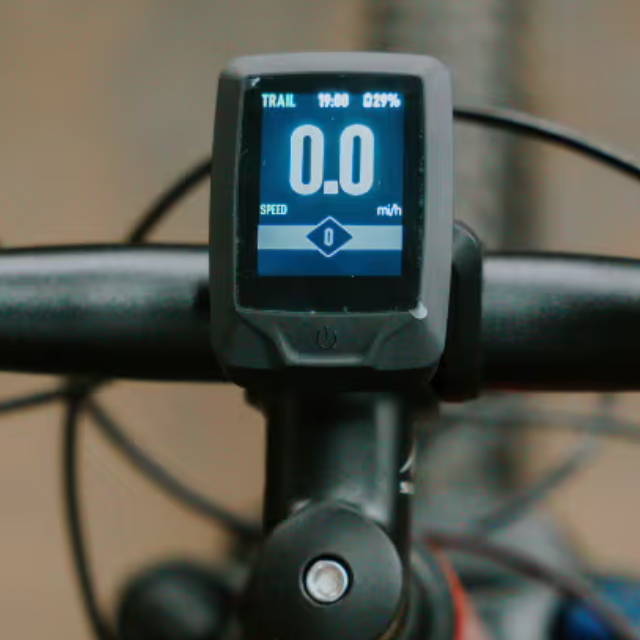
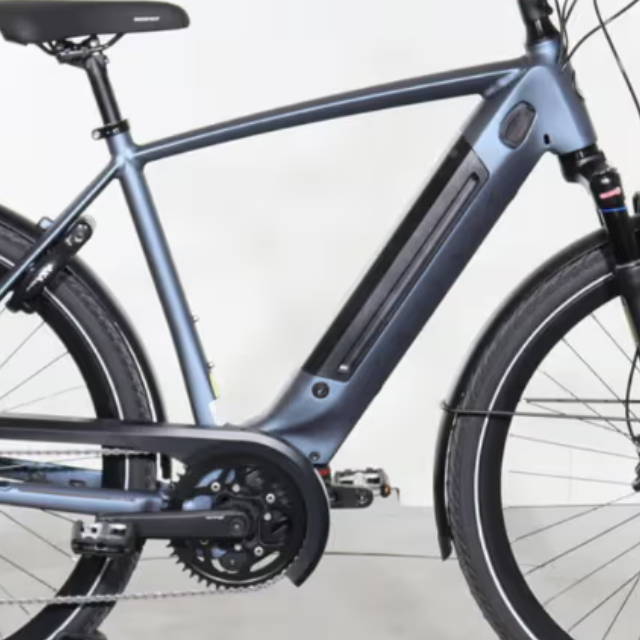
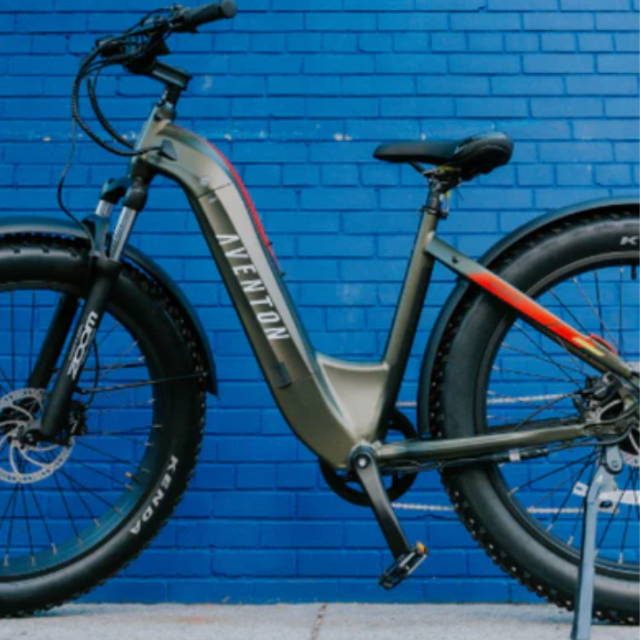
Grinding can come from the motor, but it can also come from brake rub, worn bearings, drivetrain wear, a loose rotor, or wheel trouble. If the sound appears only under assist or gets worse under load, stop riding and have the bike inspected.
Why Is My E-Bike Motor Making Noise?
Written by: Chris Van Leuven | June 16, 2026 | Time to read: 8 min
Learn how to diagnose e-Bike motor noise, including grinding, clicking, whining, hub motor hum, bearing wear, gear noise, wiring issues, controller faults, and safe fixes.

More about the Author: Chris Van Leuven
Chris is a writer, climber, and founder of Yosemite E-Biking in Mariposa, CA. When he’s not tackling Sierra Foothills trails or scaling rock walls, he’s crafting adventure stories with his boxer, Fenster. His work has appeared in Outside, Men’s Journal, Gripped, and Best American Sports Writing.
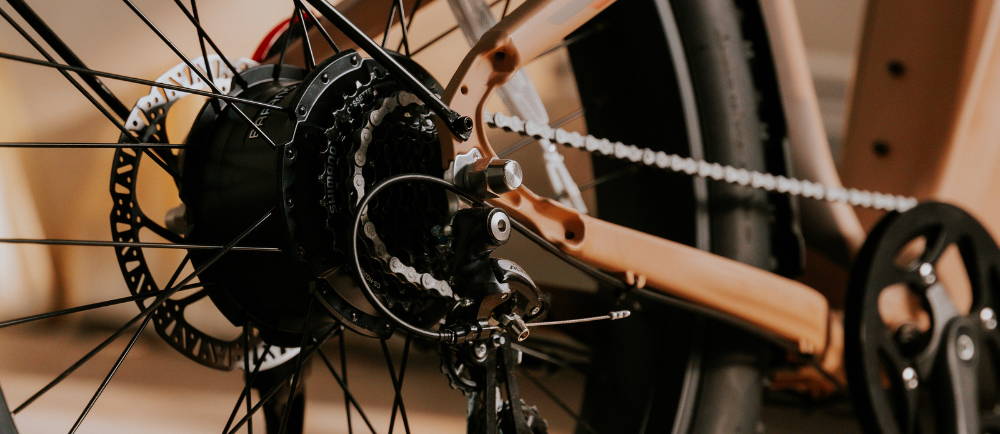
An e-Bike motor isn’t supposed to be silent. A light whir from a mid-drive, a steady hub-motor hum, or extra sound on a steep climb can all be normal. What matters is the change.
If you’re riding and your e-Bike suddenly starts grinding, clicking, chattering, whining, buzzing, or rumbling under load, don’t just ride through it. A noisy motor may still push the bike forward, but that doesn’t mean everything is a-ok. The sound might be coming from the motor, or it might be a brake rotor, dry chain, loose rack, worn bearings, damaged wiring, or gear wear that’s being mistaken for a motor problem.
This blog breaks down common e-Bike motor noises, what they usually indicate, what you can safely check at home, when it’s best to take it to a shop, and what to look for when shopping for certified pre-owned e-Bikes on Upway.
👋 Welcome to Upway!
Upway is your top destination for buying and selling e-Bikes online. Discover your next e-Bike at up to 60% off retail prices, available in new or like-new condition.
Table of Contents
What kind of noise is your e-Bike making?
Start with one question: Does the noise happen when the motor is helping, or does it happen all the time? If you hear it with the assist turned off, the motor may not be the problem. A dry chain, rubbing brake, loose fender, worn cassette, creaky pedal, or loose spoke can all sound serious from the saddle. Noise travels through a bike frame in weird ways.
If the sound appears only when assist kicks in, gets louder in higher-assist modes, or occurs when climbing, starting from a stop, or carrying a load, then the motor system may be the issue.
Pay attention to the pattern:
- Does it grind only under load?
- Does it click once per wheel rotation?
- Does it chatter when the motor engages?
- Does it whine in higher assist modes?
- Does it rumble after a wet ride?
- Does the noise come with vibration, power loss, or an error code?
A motor that has always made the same smooth whir is one thing. A motor that suddenly sounds like it’s chewing gravel is another.
Which e-Bike motor sounds are normal?
Some motor noise is normal when riding electric bikes. Mid-drive motors can make a smooth whir near the crank area. Geared hub motors often hum because they use internal reduction gears. Normal sounds are steady and predictable. They rise and fall with assist level, speed, or pedaling pressure. You may hear more noise when climbing because the motor is working harder. You may also hear more drivetrain noise on a mid-drive e-Bike because the motor sends power through the chain, cassette, derailleur, and chainring.
Normal sounds include:
- A smooth whir from the drive unit
- A steady hub motor hum
- Light freehub clicking while coasting
- Tire hum on pavement
- Normal chain noise while shifting
- Slightly louder assist on steep climbs
Take note if a sound is new, sharp, harsh, or paired with another symptom. Grinding, knocking, scraping, repeated chattering, or sudden buzzing with power loss deserves attention and a visit to the shop.

What causes e-Bike motor noise?
E-Bike motor noise usually comes from one of four places: the drivetrain, the wheel and brake area, the motor system, or loose hardware around the bike. That’s why I wouldn’t start by assuming it’s the motor. Start with the other bike parts first.
A mid-drive e-Bike can sound rough if the chain is dry, the cassette is worn, the derailleur is out of adjustment, or you’re climbing in too hard of a gear. Mid-drives put extra force through the drivetrain, so chain care matters.
A hub motor is different. A geared hub motor can make noise from internal gears, nylon gears, bearings, axle hardware, wiring, or controller issues. A rear hub motor can also sound bad if the brake rotor rubs, the axle hardware is loose, the spokes are loose, or the motor cable is damaged near the axle.
| Sound or symptom | Possible cause | First place to check |
|---|---|---|
| Smooth whir under assist | Normal motor operation | Compare with past rides |
| Clicking while pedaling | Chain, cassette, derailleur, pedal, spoke, or chainring | Drivetrain and wheel |
| Grinding under load | Brake rub, worn bearing, damaged gear, motor issue | Stop testing and inspect |
| Chattering from hub motor | Axle hardware, motor cable, controller, Hall sensor, phase wire | Rear wheel and wiring |
| High-pitched whining | Motor load, gear wear, drivetrain wear, controller behavior | Assist mode and drivetrain |
| Rear-wheel rumble | Hub bearing, tire, rotor, spoke, or motor issue | Wheel, rotor, and axle area |
| Buzzing with power loss | Wiring fault, controller issue, loose connector | Stop riding and get a diagnosis |
| Noise after rain | Water intrusion, dirty drivetrain, contaminated brakes | Dry bike and inspect carefully |
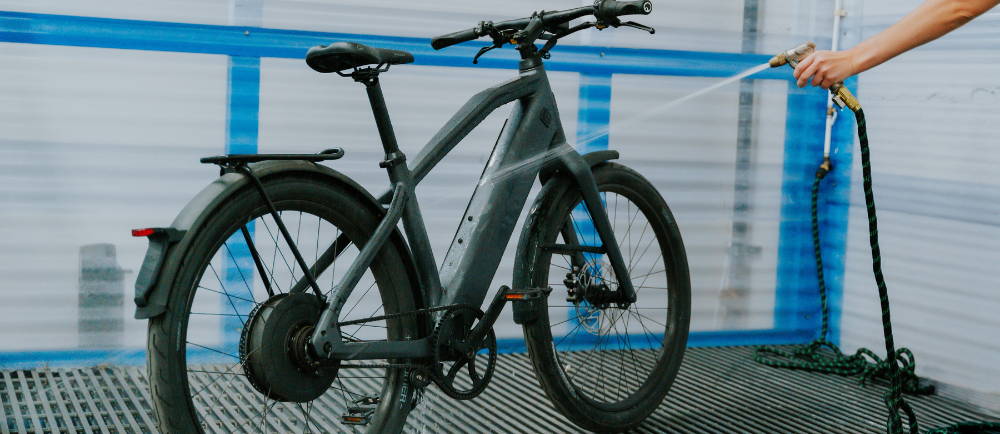
Water is worth paying attention to. E-Bikes can handle normal weather, but they should not be submerged. Riding in the rain is one thing. Pressure washing, deep puddles, and storing a wet bike in a cold garage aren’t ideal. Moisture can make brakes noisy, speed up corrosion, contaminate connectors, and damage bearings over time.
What can you safely check at home?
You can learn a lot without opening the motor. Start with a short test ride. Use low assist, then a higher assist mode. Try an easier gear. Listen for when the sound appears. If the noise gets worse under load, don’t keep hammering up hills to test it. At home, turn the bike off and remove the battery. Then start simple.
Check the chain first. If it’s dry, dirty, or stiff, clean and lubricate it. Wipe off the extra lube. Shift through the gears and listen. If the noise changes by gear, the problem may be drivetrain-related. Next, spin the wheels. Listen for brake rub. Look at the rotor. A slightly bent rotor can make a rubbing sound that gets mistaken for motor noise. Check that the wheel is seated correctly and that the thru-axle or axle nuts are secure.
On a hub motor, inspect the axle area and visible motor cable. Look for a cable that’s kinked, crushed, pulled tight, or rubbing. Don’t yank on it. If the wire jacket is damaged, stop there and have it checked.
Then check the basic stuff: rack bolts, fenders, kickstand, bottle cage, battery mount, lights, reflectors, and bags. A loose fender stay can make a bike sound like it has a major mechanical problem. For mid-drive bikes, listen near the crank area. Look for obvious crank play, loose pedals, rough chain movement, or creaking under pedaling load. Don’t open the drive unit. That’s something you should have checked out at the shop.
When should a shop inspect the motor?
Take the bike to a shop if the noise is loud, new, or getting worse. Also, stop riding if the noise is accompanied by vibration, power loss, error codes, a hot electrical smell, smoke, sudden assist failure, or a motor that feels like it’s skipping.
Those signs can point to issues most riders can’t safely diagnose at home: worn motor bearings, damaged internal gears, controller problems, Hall sensor faults, phase-wire issues, water intrusion, damaged magnets, or drive-unit faults.
A qualified e-Bike mechanic can read error codes, inspect wiring, test the battery and controller, check bearing play, and compare the sound to what the motor normally makes. Bosch, Shimano, Yamaha, Brose, Bafang, Mahle, and other systems all have their own service procedures.
What I wouldn’t do at home is open the motor, cut wires, solder motor connectors, or guess with a multimeter around battery or controller wiring. Have an expert at your local shop take a look.
Trust certified pre-owned e-Bikes from Upway
Motor noise is one reason second-hand e-Bikes require a closer look. An electric bike can look clean and still have mechanical or electrical problems that only appear under load.
All pre-owned Upway electric bikes are professionally inspected and certified, ensuring they’re ready to ride in excellent condition.
Upway’s certified pre-owned e-Bikes go through a 50-point inspection and include a 14-day return period and 1-year warranty. A certified pre-owned e-Bike on Upway will assist smoothly, shift cleanly, stop firmly, and make the same steady sounds from ride to ride.
Frequently Asked Questions
Why is my e-Bike motor making a grinding noise?
Is hub motor noise normal?
Some hub motor noise is normal. A geared hub motor may hum because it has internal gears. A mid-drive hub motor may make a lower electric sound. New clicking, grinding, chattering, or rumbling is different and should be checked.
Can I lubricate an e-Bike motor to make it quieter?
Don’t spray lubricant into the motor. But you can clean and lubricate the chain, inspect brakes, and check external parts. Internal motor bearings, gears, and seals are shop-level work.
Key Takeaways
- A steady whir or hum is normal, but new grinding, clicking, chattering, or rumbling is worth checking at a shop.
- Many motor noises come from the drivetrain, brakes, wheels, rack, fenders, or loose hardware, so start with the simple parts before assuming it’s the motor.
- Stop riding and call a shop if the noise comes with vibration, power loss, error codes, heat, smoke, an electrical smell, or a sound that gets worse under load.