For rougher and less predictable gravel, the Topstone Neo SL 2 has an advantage with its stock 42mm tires and adventure-oriented setup. The E-Impulso Gravel is better suited to maintained gravel roads and rides with plenty of pavement.
Cannondale Topstone Neo vs. Bianchi E-Impulso: Gravel E-Bike Comparison
Written by: Chris Van Leuven | September 14, 2026 | Time to read: 5-6 min
Compare the Cannondale Topstone Neo vs. Bianchi E-Impulso, including Mahle motors, Shimano GRX drivetrains, tires, gravel performance, and rider fit.

More about the Author: Chris Van Leuven
Chris is a writer, climber, and founder of Yosemite E-Biking in Mariposa, CA. When he’s not tackling Sierra Foothills trails or scaling rock walls, he’s crafting adventure stories with his boxer, Fenster. His work has appeared in Outside, Men’s Journal, Gripped, and Best American Sports Writing.

Put the Cannondale Topstone Neo SL 2 and Bianchi E-Impulso Gravel next to each other, and there’s a problem when making the comparison: they share tons of components! Both use Mahle’s compact X35+ rear-hub system with a 250W motor and 250Wh battery hidden in the frame. Both are relatively lightweight aluminum gravel e-Bikes with carbon forks, Shimano GRX components, hydraulic disc brakes, and tubeless-ready wheels.
In this blog, I’ll compare the Cannondale Topstone Neo SL 2 and Bianchi E-Impulso Gravel, explain how their different setups affect the ride, show which one makes more sense for the gravel you have in mind, and highlight what to look for when comparing certified pre-owned models on Upway.
👋 Welcome to Upway!
Upway is your top destination for buying and selling e-Bikes online. Discover your next e-Bike at up to 60% off retail prices, available in new or like-new condition.
Table of Contents
Same Motor, Two Different Gravel Bikes

Cannondale’s Topstone name covers more territory than it might first appear. The lineup includes non-electric Topstones, lightweight Topstone Neo SL e-Bikes, and much more powerful Topstone Neo Carbon models.
That distinction matters. The Topstone Neo Carbon Lefty, for example, belongs to a very different branch of the family, built around a Bosch mid-drive system, larger battery, and suspension rather than the lightweight rear-hub approach used here.
The Topstone Neo SL 2 keeps things simpler. Its Mahle X35+ motor sits in the rear hub, the 250Wh battery disappears into the downtube, and a small iWOC controller handles assist levels and battery information without adding a large handlebar display. Then you get to the bicycle itself. Cannondale uses a SmartForm C2 aluminum frame, full-carbon fork, Shimano GRX 2x10 drivetrain, and 700x42c WTB Resolute tires. It also has multiple mounts for water, racks, and gear.
Bianchi took a similar approach to the electrical system but built a different gravel bike around it. The E-Impulso Gravel pairs the X35+ system with an aluminum frame, carbon fork, Shimano GRX 600 1x11 drivetrain, and narrower 700x35c Kenda Flintridge tires. Its 40-tooth chainring and 11-42 cassette eliminate the front derailleur while still providing useful range for gravel climbs.
The name deserves some explanation too. Bianchi has since completely reworked its non-electric Impulso family around faster gravel riding and gravel racing. The latest Impulso RC, Pro, and Comp are carbon bikes with clearance for tires up to 42mm. They shouldn’t be confused with the E-Impulso Gravel compared here.
With that figured out, the difference between these two e-Bikes becomes clearer.
The Topstone’s 42mm tires give you more volume for loose gravel, washboard, rough forest roads, and the rough dirt where narrower tires make line choice more important. Its mounting options also give bikepacking gear, extra water, and bags obvious places to go.
The Bianchi’s 35mm tires push it toward smoother surfaces, while its 1x drivetrain keeps shifting straightforward.
In practical terms:
- Lots of pavement mixed with gravel roads: The Topstone’s 2x drivetrain gives you smaller jumps between gears and more gear choices.
- Gravel where simple shifting matters: The Bianchi’s 1x drivetrain eliminates the front derailleur and gives you one less thing to manage.
- Rougher or less predictable dirt: The Topstone’s 42mm stock tires give you more volume than the Bianchi’s 35s.
Those differences tell you more about where each gravel bike fits than the nearly identical motors.
For a deeper look at the Cannondale family, Upway’s Cannondale Topstone Neo review gets into the different Topstone Neo versions. The Bianchi electric bike guide covers the E-Impulso and the rest of Bianchi’s electric lineup.
Cannondale Topstone Neo vs. Bianchi E-Impulso Specs
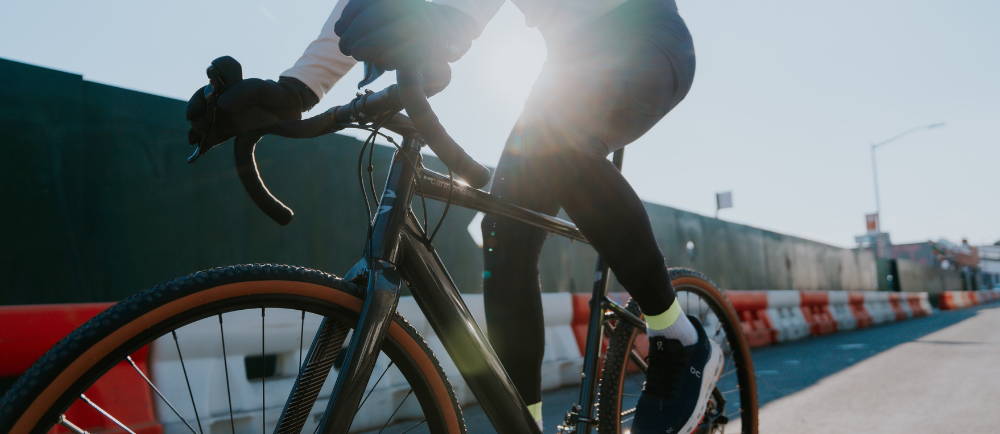
Specifications can vary by model year, market, and component availability, particularly when shopping used. This comparison uses Cannondale’s GRX 2x10 Topstone Neo SL 2 and Bianchi’s GRX 600 1x11 E-Impulso Gravel as the reference builds.
| Spec | Cannondale Topstone Neo SL 2 | Bianchi E-Impulso Gravel |
|---|---|---|
| Motor | Mahle X35+, 250W rear hub | Mahle X35+, 250W rear hub |
| Battery | 250Wh | 250Wh |
| Frame | SmartForm C2 aluminum | Aluminum |
| Fork | Full carbon | Full carbon |
| Drivetrain | Shimano GRX 2x10 | Shimano GRX 1x11 |
| Gearing | 46/30, 11-34 | 40T, 11-42 |
| Brakes | Shimano GRX hydraulic disc | Shimano GRX hydraulic disc |
| Stock tires | WTB Resolute 700x42c | Kenda Flintridge 700x35c |
| Wheels | Tubeless ready | Velomann GD24, tubeless ready |
| Riding bias | Rougher mixed-surface riding | Quicker road, gravel mix |
Cannondale claims up to 47 miles of range for the Topstone Neo SL 2 and offers an optional range extender that increases total battery capacity from 250Wh to 450Wh. But treat that 47-mile figure as a ceiling, not a promise. Elevation, rider weight, wind, surface, temperature, assist level, and how much work the rider contributes can all change real-world range.
A 250Wh battery sounds small until you look at what these bikes are trying to do. The Mahle X35+ rear-hub motor produces 40Nm of torque. That’s enough to take some of the bite out of a long climb, help in a headwind, or make a bigger gravel loop more manageable. It isn’t meant to make a steep climb effortless.
Compared with a full-power mid-drive e-Bike, 40Nm doesn’t sound like much. But that misses the point. Neither bike is trying to overpower the ride. The motor is there to help on climbs, into a headwind, or when the miles start adding up, while still leaving you with something that feels and rides like a gravel bike.
Topstone Neo SL 2 or E-Impulso: Which One Should You Choose?
For rough Forest Service roads, washboard, loose corners, and routes where the surface is hard to predict, the Topstone Neo SL 2 has the edge. The 42mm Resolutes are the biggest reason why. More tire volume gives you greater freedom to adjust pressure for traction and comfort, and more forgiveness when smooth gravel turns rocky or rutted.
The Topstone also looks better suited to bikepacking. Its frame mounts and mixed-surface setup give you more options for carrying gear on a long day moving between pavement, gravel roads, and rougher backroads.
The E-Impulso gets more interesting as the roads get smoother. Its 35mm tires and GRX 1x11 drivetrain fit maintained dirt and routes with plenty of pavement. The 1x setup is also straightforward: one derailleur, one chainring, and no front shifting to think about. There’s some road-bike influence in the E-Impulso, but calling it a road bike with gravel tires would sell it short. Bianchi designed it for mixed terrain, including paved and unpaved roads. It simply sits toward the faster end of the gravel spectrum.
Neither would be my first choice for genuinely technical singletrack. Gravel-bike marketing occasionally gets ahead of gravel-bike reality. You can ride a surprising amount of rough terrain on drop bars, but eventually bigger tires, suspension, and mountain-bike geometry become better tools.

Buy Your Next Gravel E-Bike on Upway!
Upway makes it easier to find your dream gravel e-Bike at the best price. Every certified pre-owned e-Bike goes through a 50-point inspection, including its electrical system, and the listing shows the components fitted to that particular bike.
Frequently Asked Questions
Is the Cannondale Topstone Neo or Bianchi E-Impulso better for gravel?
Do the Topstone Neo SL 2 and E-Impulso use the same motor?
The versions compared here both use Mahle’s X35+ 250W rear-hub system with a 250Wh battery. That puts more emphasis on tire size, drivetrain, fit, components, and condition when choosing between them.
Is the Bianchi E-Impulso good for bikepacking?
Yes, particularly for lighter bikepacking on gravel roads and mixed surfaces. For rougher routes or carrying more gear, the Topstone Neo SL 2 has an advantage with its wider stock tires and numerous frame mounts.
Key Takeaways
- The motor doesn’t decide this comparison. Both reference bikes use the lightweight Mahle X35+ rear-hub system with a 250Wh battery.
- The Topstone Neo SL 2 is better prepared for rough roads. Its 42mm tires give you more room when the gravel gets loose, rocky, or washboarded, and the extra mounts come in handy if you want to load it up for bikepacking.
- The E-Impulso favors smoother mixed-surface riding. Its 35mm tires and Shimano GRX 1x11 drivetrain fit maintained gravel and routes with plenty of pavement.