Yes, for riders who want a lightweight, mid-power e-MTB with natural handling and enough assistance to extend trail rides. Riders who prioritize maximum torque, range, and climbing support may prefer a full-power electric mountain bike.
Cannondale Habit Neo E-Bike Review: Lightweight E-MTB
Written by: Chris Van Leuven | July 21, 2026 | Time to read: 8 min
Read Upway’s Cannondale Habit Neo review to learn how its Fazua Ride 60 motor rides, who it fits, and what to inspect before buying used.

More about the Author: Chris Van Leuven
Chris is a writer, climber, and founder of Yosemite E-Biking in Mariposa, CA. When he’s not tackling Sierra Foothills trails or scaling rock walls, he’s crafting adventure stories with his boxer, Fenster. His work has appeared in Outside, Men’s Journal, Gripped, and Best American Sports Writing.
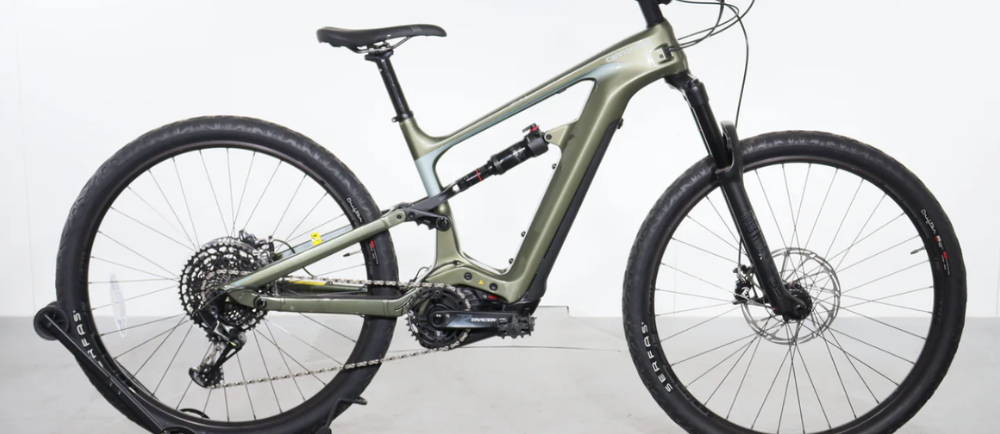
Some electric mountain bikes try to erase the climb. The Cannondale Habit Neo takes a different approach. It still expects you to ride the trail; you just get uphill faster and arrive with more energy for the descent. The Habit Neo isn’t chasing the biggest battery or the strongest motor. It’s built around the idea that an e-MTB should still feel playful, responsive, and familiar to someone who already likes riding mountain bikes.
In this blog, I’ll look at why the Habit Neo feels lighter on the trail, how much assistance the Fazua system provides, which trails suit this electric trail bike best, and what to check before buying a certified pre-owned Habit Neo on Upway.
👋 Welcome to Upway!
Upway is your top destination for buying and selling e-Bikes online. Discover your next e-Bike at up to 60% off retail prices, available in new or like-new condition.
Table of Contents
Cannondale Habit Neo feels lighter on the trail
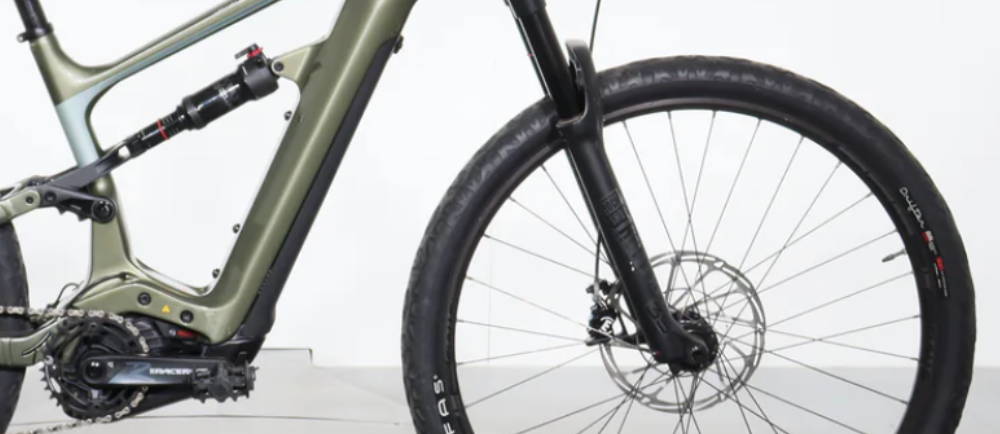
The Habit Neo isn’t a smaller Moterra. It’s a different kind of electric mountain bike. Cannondale built it around a lightweight carbon frame and a compact mid-power drive system rather than a large full-power motor and battery. The motor and battery sit discreetly inside the frame, and the bike avoids the oversized downtube look common on many e-MTBs.
Cannondale’s FlexPivot design uses engineered carbon flex in the seatstays instead of another traditional pivot near the rear axle. That allows the rear suspension to behave like a four-bar system while reducing the number of bearings and hardware.
The carbon frame also features internal cable routing, a 64-degree head tube angle, Proportional Response suspension, 150mm of front travel, and 140mm of rear travel. That puts the Habit Neo firmly in modern trail-bike territory.
It has enough suspension for roots, ledges, rough corners, and fast natural descents without changing every ride into an enduro race. Proportional Response adjusts the geometry and suspension behavior by frame size, so smaller and larger riders aren’t simply placed on stretched or shortened versions of the same chassis.
I don’t think the Habit Neo is trying to fool anyone into believing it’s an analog bike. It just spends less time reminding you that it isn’t.
How much torque do you really need?
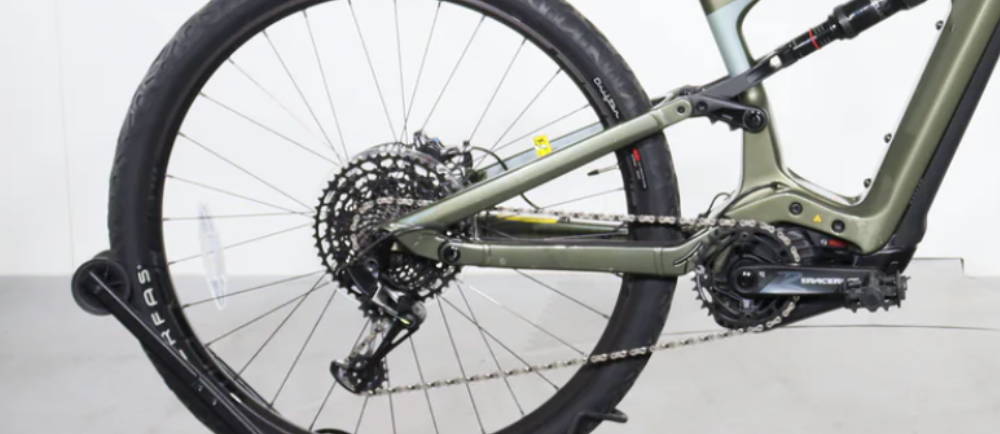
Sixty newton-meters won’t flatten every climb, and that’s intentional. The Fazua Ride 60 system provides enough help to increase climbing speed, extend a trail ride, and make steep grades more manageable. It still expects more from your legs than a full-power Bosch or Shimano e-MTB would.
Riders who want maximum climbing assistance may find 60 Nm underwhelming. Riders who still want to work for the trail probably won’t. The Habit Neo suits someone who wants to pedal hard, get a workout, and remain involved in the climb. The assistance works in the background rather than taking over the ride. The lower weight becomes more apparent once the trail starts to ask for quick corrections.
Heavy e-MTBs can feel balanced and stable, but they take more effort to move across the trail. The Habit Neo should be easier to lift over a tree root, push into a corner, or correct when you enter a line badly. You trade some climbing speed and battery range for a bike that requires less effort every time you change lines.
The 480Wh battery also requires realistic expectations. Range depends on rider weight, elevation, terrain, assist mode, temperature, tire pressure, and the amount of effort you contribute. A rider staying in lower assistance modes on rolling trails will go farther than someone repeatedly using maximum support on steep climbs. If you want the motor to do most of the climbing, a full-power e-MTB makes more sense. If you want assistance without altering the trail's character, the Habit Neo makes for a better fit.
The trails that suit the Habit Neo
The Habit Neo is best on trails that reward line changes, pumping, and carrying speed rather than simply plowing straight through rough ground. Think rolling singletrack, technical climbs, natural descents, quick changes in direction, and rides where you’re looking for lines instead of sitting on a fire road for an hour.
I could see it working well on forested trails around Bend, rooty riding in Vermont, technical loops outside Asheville, Northern California singletrack, or Santa Cruz trails where climbs and descents arrive in short bursts. The Habit Neo 1, 2, and 3 share the same general frame and Fazua platform, but the builds target different budgets.
- The Habit Neo 1 adds SRAM XX SL AXS wireless shifting and Reserve carbon wheels.
- The Habit Neo 2 uses SRAM GX AXS and a high-level RockShox Lyrik fork.
- The Habit Neo 3 uses a Shimano Deore/XT 12-speed drivetrain and is the more attainable build.
For riders specifically searching for a Cannondale Habit Neo 3 review, the important point is that the less expensive model keeps the carbon frame, Fazua Ride 60 system, FlexPivot suspension, and core trail geometry, while using a mechanical Shimano drivetrain and a more practical component package. I’d choose based on what affects every ride.
A good suspension setup, reliable hydraulic disc brakes, appropriate Maxxis tires, and a proper fit matter more to me than the most expensive wireless drivetrain. The Habit Neo 3 may be the best choice if you want the frame, motor, and trail e-MTB platform without paying for carbon wheels and top-level electronic shifting.
The Habit Neo is less convincing if your local trails begin with long, sustained dirt-road climbs or if you want repeated enduro laps with maximum support. It’s a mid-power electric mountain bike, not a lighter-looking substitute for a full-power one.
What to check before buying a used Habit Neo
A lightweight carbon eMTB needs a careful inspection. The frame, FlexPivot area, Fazua system, and suspension service history matter more than a few cosmetic scratches. When buying from Upway, we check all these areas and more for you!
| Habit Neo area to check | What would make me pause |
|---|---|
| Fazua drive system and battery | Error messages, inconsistent assist, unusual noise, charging trouble, battery movement, impact damage, or a missing charger. |
| FlexPivot seatstays | Deep impacts, cracks, repairs, or damage around the engineered flex area. |
| Carbon frame and motor area | Crushed carbon, soft spots, deep rock strikes, or repairs near the downtube and motor. |
| Fork and rear shock | Leaking seals, poor return, lost pressure, or no service history. |
| Wheels and Maxxis tires | Rim dents, loose spokes, damaged carbon rims where equipped, or badly worn tires. |
| Drivetrain | Chain stretch, cassette wear, bent derailleur, slow electronic shifting, or damaged cables. |
| Hydraulic disc brakes | Soft levers, worn pads, damaged rotors, or weak stopping power. |
| Dropper post | Sticking, slow return, sagging, or excessive side play. |
I’d also confirm the exact build. A Habit Neo 1 with Reserve carbon wheels and SRAM XX SL AXS has a very different replacement cost from a Habit Neo 3 with an aluminum wheelset and a Shimano drivetrain. The frame may be similar, but the financial risk isn’t. Suspension service matters more than mileage. Two bikes with the same odometer reading can be in completely different condition depending on terrain, mud, maintenance, and how often the fork and rear shock were serviced.
The FlexPivot area deserves good lighting and clear photos. Ordinary paint chips are one thing. Damage around an engineered flex zone is another.
Buying a certified pre-owned Cannondale Habit Neo on Upway
Condition matters more than the model number on a used Habit Neo. A lightweight e-MTB can hide expensive problems in the carbon frame, Fazua system, suspension, wheels, drivetrain, or battery. A quick parking-lot ride won’t reveal all of them.
Shopping for a certified pre-owned Cannondale Habit Neo on Upway makes it easier to compare mileage, battery condition, drivetrain, brakes, wheels, suspension, electronics, and cosmetic wear before buying. And Upway’s inspection process also helps separate normal trail wear from issues that should affect the price.
I’d rather buy a Habit Neo 3 with a healthy battery, fresh suspension, and straight wheels than stretch for a Habit Neo 1 that needs a fork service, carbon-wheel repair, and a new drivetrain. The best build is the one you can afford to maintain after you buy it.
Frequently Asked Questions
Is the Cannondale Habit Neo a good electric mountain bike?
What is the difference between the Cannondale Habit Neo and Moterra?
The Habit Neo uses a lighter Fazua Ride 60 system, a 480Wh battery, and a trail-focused carbon frame designed for agility. The full-power Moterra uses stronger assistance, larger batteries, and a heavier platform intended for bigger climbs and rougher all-mountain riding.
Is the Fazua Ride 60 powerful enough?
Its 60Nm of torque is enough for trail riding, technical climbs, and extending everyday mountain-bike rides. It won’t provide the same climbing speed or low-effort support as a full-power motor, which is part of the Habit Neo’s lighter, more involved ride.
Key Takeaways
- The Cannondale Habit Neo is a lightweight, mid-power electric mountain bike built around natural trail-bike handling rather than maximum motor output.
- Its Fazua Ride 60 motor, 480Wh battery, FlexPivot carbon frame, Proportional Response suspension, and 150/140mm travel give it a distinct place between analog trail bikes and full-power e-MTBs.
- When buying used, inspect the Fazua system, battery, FlexPivot seatstays, carbon frame, suspension, wheels, drivetrain, hydraulic disc brakes, and dropper post.