Your local service plan and your backstop. Who will work on it, what the turnaround time looks like, and what your Upway return and warranty options are for eligible bikes if something isn’t right.
Aventon vs Rad Power: Which E-Bike Brand Makes More Sense for You?
Written by: Chris Van Leuven | February 19, 2026 | Time to read 7-8 min
Aventon vs Rad Power, explained for everyday riding: hub motors, torque-sensor feel, battery reality, and the smartest way to shop certified pre-owned on Upway.

More about the Author: Chris Van Leuven
Chris is a writer, climber, and founder of Yosemite E-Biking in Mariposa, CA. When he’s not tackling Sierra Foothills trails or scaling rock walls, he’s crafting adventure stories with his boxer, Fenster. His work has appeared in Outside, Men’s Journal, Gripped, and Best American Sports Writing.
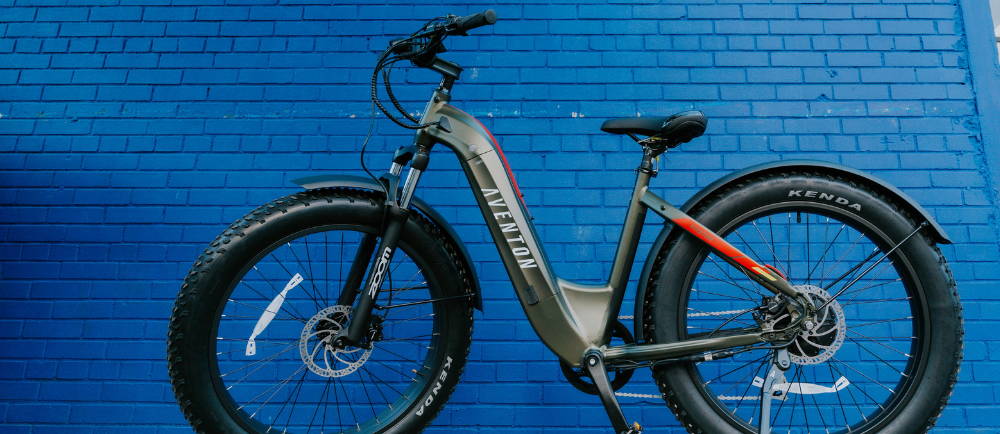
Aventon and Rad Power both got big by making electric bikes feel attainable and practical. The split is in the details. Ride feel, feature choices, and what ownership looks like once you’re shopping for parts, accessories, or service.
In this blog, you’ll learn how Aventon and Rad Power compare where it counts, and how to shop smarter on Upway once you know your brand, style, and model. Certified pre-owned shopping with Upway lets you avoid paying full price and get a better bike for your dollar. And because inventory moves fast, the good options don’t linger.
👋 Welcome to Upway!
Upway is your top destination for buying and selling e-Bikes online. Discover your next e-Bike at up to 60% off retail prices, available in new or like-new condition.
Table of Contents
Aventon vs Rad Power
Aventon and Rad Power both sit in the attainable, everyday e-Bike tier, but they take different approaches. Aventon leans tech-forward and commuter-friendly, with integrated features and app-linked adjustability shaping how it positions newer bikes. Rad Power is more utility-first, treating the e-Bike as a practical tool built around hauling, locking up, and daily use, backed by a big accessories ecosystem.
Aventon emphasizes a large bike-shop footprint for service and test rides, while Rad points riders toward its service partner network and support resources.
Right now, Aventon’s momentum is in commuter-friendly integration, while Rad’s momentum is in utility updates and refining ride feel on newer platforms. As a quick snapshot: Aventon’s current push includes newer commuter and all-terrain releases like the Level.3 and Aventure.3, while Rad’s latest direction shows up in the Radster Road and Trail and the RadWagon 5.
Ride feel with hub motors, mid-drive motor options, and sensors
Most brand debates are really about how power shows up under you.
Hub motors
This is the classic setup. Predictable. Many everyday e-bikes have hub motors for a reason. You get a steady push, and the bike feels easy to use when city riding.
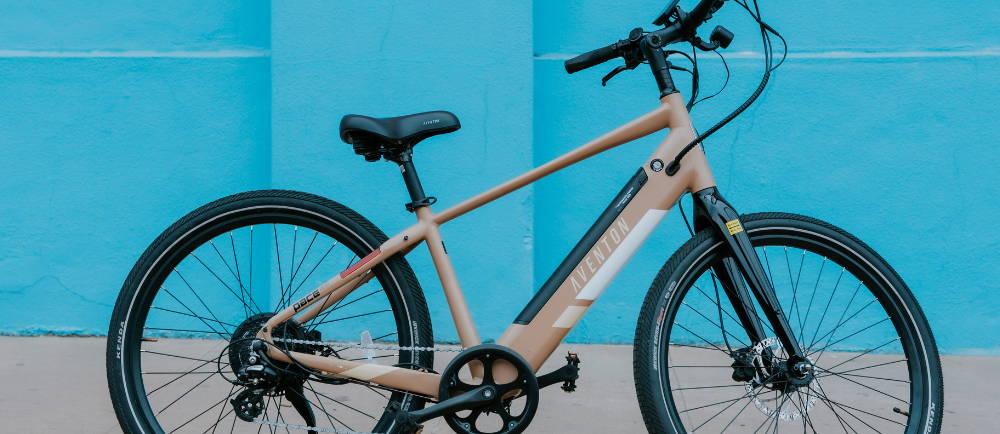
For example, the Aventon Pace 500.3, a commuter-style hub setup paired with a torque sensor, so it feels more natural than pure on and off assist.
Aventon’s Aventure.3 also uses a hub motor, with a 750W motor, a torque sensor, and a big 720Wh battery, plus commuter-friendly visibility features like integrated lights and turn signals.
Rad Power also uses hub motors: Rad built much of its lineup here, too. The newer Radster Trail is a good example of where Rad is going with ride feel: a 750W rear hub motor paired with a torque sensor, and it’s set up for Class 3 pedal assist, with throttle behavior and limits that vary by class and rules.
Mid-drive motor options
This is the hill-and-load conversation. A mid-drive can feel more bike-like on climbs because the motor works through the gears and the effort feels more connected to your pedaling. Aventon has entered this segment with two clear mid-drive directions: The Ramblas (trail hardtail) and the Aventure M (fat-tire comfort with a mid-drive platform).
Aventon’s Ramblas is the brand’s clearest “real trail” move: A mid-drive e-MTB built around the A100 motor (250W sustained, 750W peak, up to 100 Nm) and a 708Wh battery. It’s built like a legitimate mountain bike, with a RockShox 35 fork with 130mm travel, SRAM NX 12-speed drivetrain, and SRAM DB8 4-piston hydraulic disc brakes, plus a dropper post, which matters when climbs and descents get steeper. In other words, it’s not just an urban bike with knobby tires; it’s Aventon’s bike for riders who actually want to ride trails.
On the Aventure M, Aventon’s A100 mid-drive has a 36V, 250W continuous (750W peak) with 100 Nm of torque, an integrated torque sensor, and an IP67 water-resistance rating. It’s paired with a 733Wh battery (often listed as 36V, 20Ah / 733Wh) and Aventon pegs it at up to 85 miles in best-case conditions; the bike is throttle-compatible (throttle sold separately).
Rad, as a brand, is still mostly a hub motor.
Sensors
This matters as much as motor type.
- Torque sensor: More proportional. Push harder, get more help. You see this on Aventon’s torque-sensor commuters like the Level 2, Level 3, Pace 500.3, and Soltera 2, and also on models like the Abound and Aventure 2 and 3, as well as on Rad’s Radster line.
- Cadence sensors: Simpler feel. You pedal, and it delivers assist based on the mode you’re in. Some riders prefer it because it’s consistent and easier. Older Rad staples—RadRunner, RadRover, RadExpand-era bikes—often have a cadence sensor. Simple. Consistent. Less subtle.
One important note: motor numbers on paper don’t tell the whole story. Sensor tuning and gearing are why two bikes can look similar and feel totally different.
🤝 Why you can trust us for buying an e-Bike?
- Great prices: Get your next e-Bike for up to 60% off retail prices, in new or like-new conditions.
- Quality Guaranteed: Every e-Bike is rigorously certified by a team of professional mechanics, and comes with a 1-year warranty.
- Delivered to Your Door: Delivered to your home within a week. Change your mind? Return it thanks to our 14-day return policy.
🚲 We also buy e-Bikes. Click here for an estimation!
Battery reality and what safe actually means
Thinking about batteries is important. After all, it’s what powers the e-Bike.
Here’s what I’d check before you buy anything.
- Battery capacity (watt-hours): This is the cleanest number for comparing “how much fuel you’re carrying.”
Examples: Aventon lists the Level.3 with a 36V, 20Ah, 733Wh removable internal lithium-ion battery. Rad lists the Radster Trail with a 15Ah, 720Wh Safe Shield battery. - Battery placement and removability: Ask one practical question: Can I pop the battery out easily, or does my staircase become part of the ownership experience?
Aventon positions the Level.3 battery as a removable internal with a clean look. Rad uses removable packs, too, but you’ll see both semi-integrated designs (Radster Road/Trail) and external designs like the RadWagon 5. - Integrated vs. external batteries: Integrated/semi-integrated batteries look cleaner and feel more “bike-like,” but they can be a little more annoying to handle if you’re charging indoors every day. Rad’s Radster line calls its pack a Safe Shield Advanced Semi-Integrated Battery.
External batteries are usually easier for quick grab-and-go charging. RadWagon 5 lists a Safe Shield Advanced External Battery.
- Cell quality and safety standards: You’ll see a lot of marketing here; look for specifics.
Rad lists Samsung or LG cells and says the Safe Shield battery is UL-certified to UL 2271, and provides the UL status on the Radster Trail spec sheet. Aventon’s Ramblas uses LG 21700 cells and is UL 2849-compliant.
Rad Power Bikes Batteries Have Been Recalled
Now, the real safety note, because it belongs in this comparison:
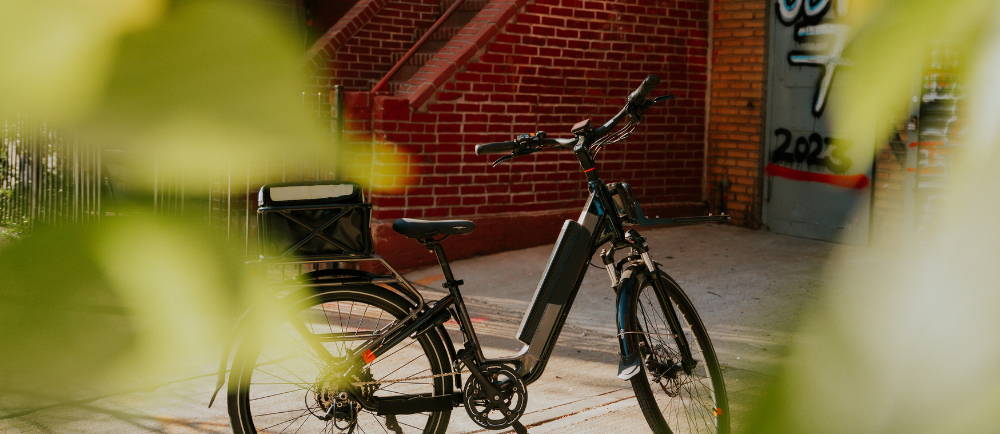
The U.S. Consumer Product Safety Commission issued a warning on November 24, 2025, urging consumers to immediately stop using certain lithium-ion batteries sold with Rad Power Bikes e-bikes with battery model numbers RP-1304, RAD-S1304Y, and HL-RP-S1304. The CPSC says the hazardous batteries can unexpectedly ignite or explode, especially when the battery or harness has been exposed to water and debris, and it notes reports of fires and property damage.
That same CPSC notice includes Rad’s comments, stating that Rad’s Safe Shield and semi-integrated batteries are not subject to the agency’s statement and that customers should stop using batteries that show signs of damage, water ingress, or corrosion.
What I’d do with that info if you’re shopping used online: check the battery model label on any older Rad inventory, and do not treat battery safety as a later problem. It’s a now problem.
The matchups that matter by riding style
These aren’t winners. They’re use cases.
Commuter
If you’re riding daily miles with stoplights and traffic, a smooth, predictable ride matters more than hype.
Aventon commuter picks that tend to match this lane:
- Level.3 if you want a newer commuter build with security-forward features baked in, like tracking and theft-deterrence positioning, and you want a modern daily-driver feel.
- Pace 500.3 if you want a more comfort-leaning commuter ride with torque-sensor feel and visibility touches like turn signals.
- Soltera line if you want lighter, simpler performance for flatter commutes and value a more bicycle-like feel over big tires.
Rad commuter picks that tend to match this lane:
- Radster Road (city commuter): is Rad’s newer commuter model, featuring torque-sensing tuning and Class 3 pedal-assist.
- RadCity 5 Plus (city commuter): A Class 2 e-Bike with throttle and pedal assist up to 20 mph, built around an upright step-through style and a semi-integrated removable battery.
For commuting, do not ignore the boring stuff: a suspension fork (front suspension) if your local pavement is rough, and hydraulic disc brakes for smooth braking.
Utility
This is the owning it category. Errands. Locks. Rain. Real life.
Aventon utility picks:
- Abound as the classic Aventon utility/cargo crossover, built around a long rear rack and a high total payload rating in its spec positioning.
- Sinch line if you want a folding setup for storage and mixed transit days.
Rad utility picks:
RadRunner line if you want a stable, modular platform with an accessory ecosystem designed for errands.
RadExpand 5 if you want a folding utility approach.
Compare the stuff you’ll actually use: fenders, lighting you trust, accessory ecosystem, and how stable a rear rack feels when loaded.
Cargo e-Bike
- Aventon Abound if you want a cargo-ready frame featuring practical elements and a rack-first design.
- Rad Power RadWagon line, especially newer generations like the RadWagon 5, if you want Rad’s cargo focus and accessory support.
Before you buy cargo, do these three things: Measure your storage spot, map your daily route, including curbs, tight gates, and stairs, and confirm your real payload needs so you’re not guessing.
All-terrain and wide tires
This is the weekend rides genre. Mixed surfaces. Comfort-first.
Aventon all-terrain picks:
- Aventure.3: Wide-tire comfort and traction, with a torque-sensor hub-drive setup.
- Aventure M: Same fat-tire vibe, but with a mid-drive feel (A100, 100 Nm).
- Ramblas: The “real trail” Aventon—mid-drive hardtail eMTB with legit mountain-bike components.
Rad all-terrain picks:
- RadRover line in the used mix as a wide-tire, comfort-first option.
- Radster Trail if you want Rad’s newer torque-sensor feel with more off-road posture than the Road version.
Trail riding and mountain bike use
If you mean actual trail riding, not just dirt roads, you’re shopping in a different category. Geometry, braking, drivetrain durability, and how assist behaves on punchy climbs.
This is where mid-drive behavior becomes a real advantage for some riders, and it’s where Aventon’s Ramblas-style direction is a cleaner signal than anything Rad currently specializes in.
How to Shop with Upway and Upway Flex
If you want the shortest path to a good decision, browse on Upway.
To start on Upway, use the filters to pick your lane (commuter, cargo, mountain), your size, and your budget.
You’ll quickly see what the money buys right now, not what a spec sheet says you should buy. Upway backs eligible bikes with a 14-day return window and a 1-year warranty, which makes online shopping feel much less risky.
Then do one local test ride to learn what you like. Riding position, low-speed and high-speed control, and whether the assist feels smooth or jumpy at stoplights. One good ride teaches you more than ten comparison charts.
If you’re near an UpCenter, use it. Upway has an UpCenter in Brooklyn for in-person drop-off, pickup, and trade-in, and it has expanded into the Los Angeles area for in-person pickup and test rides.
What you’ll actually see on Upway for these brands changes daily, but it tends to look like this: Aventon commuter and comfort bikes (Pace, Soltera, Level series), fat-tire Aventure models, and utility/cargo bikes like the Abound. Rad inventory often includes bikes such as the RadCity 5 Plus, RadRover 6, and RadRunner models, as well as older RadWagon generations.
It’s worth checking Upway first. The best deal is the one that’s actually in stock today.
If you’re the “I need more than a quick test ride” type, Upway Flex is the longer trial option. Flex is structured with a 3-month minimum, then it rolls month-to-month, and it includes maintenance and insurance.
In some cases, subscription payments can be applied as credit toward a purchase if you decide to keep the bike. It’s not available everywhere—it’s currently offered in the Los Angeles area— but it’s a smart way to confirm you picked the right category and size before committing.
Frequently Asked Questions
What’s the one thing I must confirm before buying online?
Is Aventon or Rad Power better for beginners?
Pick the bike that feels steady at low and high speeds. The best e-Bike is the one you’ll actually ride.
Do I need Class 3?
Only if your routes and local rules support it, and you’ll truly use the extra assisted speed. Otherwise, Class 1 and Class 2 keep life simpler for many riders.
Key Takeaways
- I treat it like an ownership decision: how it rides today, and how it’s supported when something goes wrong.
- The biggest concern is how you want the assist to feel, which usually comes down to sensor setup and whether you’re riding with hub motors or prefer mid-drive behavior for real hills and trail-style riding.
- Upway is a great option. If you know your size, brand, and model, a certified pre-owned bike can give you a great build with savings and a return and warranty safety net on eligible bikes.