Common causes include a bad charger, a loose connection, a dirty or wet charging port, temperature protection, a low-voltage battery, BMS protection, or an internal battery fault. Check the outlet, charger, port, contacts, and battery seating first. If it still won’t charge, get the battery inspected.
Why Your E-Bike Battery Won’t Charge or Holds Less Charge
Written by: Chris Van Leuven | May 23, 2026 | Time to read: 7-8 min
Learn why your e-Bike battery won’t charge or loses range, plus safe checks for chargers, ports, temperature, and battery age.

More about the Author: Chris Van Leuven
Chris is a writer, climber, and founder of Yosemite E-Biking in Mariposa, CA. When he’s not tackling Sierra Foothills trails or scaling rock walls, he’s crafting adventure stories with his boxer, Fenster. His work has appeared in Outside, Men’s Journal, Gripped, and Best American Sports Writing.
Most e-Bike battery problems show up in an obvious way: the bike won’t charge, or the battery drains faster than it used to. Other things come up, too — switches stop working, batteries stop charging before they're full, and connectors wear out. All those things have happened to my electric bike batteries. Sometimes the battery is under warranty, sometimes it’s not, and sometimes a bike shop will suggest a third party to fix the issue if the battery is still good, but I haven’t tried that yet.
In this blog, I’ll walk through the common signs of an e-Bike battery or charger problem, the usual causes, what you can safely check at home, and when it’s time to stop troubleshooting and get the battery inspected or replaced.
👋 Welcome to Upway!
Upway is your top destination for buying and selling e-Bikes online. Discover your next e-Bike at up to 60% off retail prices, available in new or like-new condition.
Table of Contents
What does an e-Bike battery problem look like?
The most obvious issue is when a battery won’t charge. You plug it in, and nothing happens. No charger light. No battery LEDs. No change after an hour.
But there are smaller warning signs too:
- The charger light stays green when the battery is not full (that’s happened to me)
- The charger gets unusually hot or makes noise
- The battery only charges to one or two bars
- The bike turns on, then shuts off under load
- The range drops suddenly
- The battery works one day and refuses to wake up the next (also happened to me, and it turned out a switch was out)
- The display shows a battery, charger, voltage, temperature, or communication error
- The battery feels hot, smells off, looks swollen, or has damaged contacts
That last group is where I’d stop. A swollen, leaking, hot, or odd-smelling battery is not a “try one more ride” problem. Stop using it, replace it, and get help from the brand, a qualified shop, or a battery specialist.
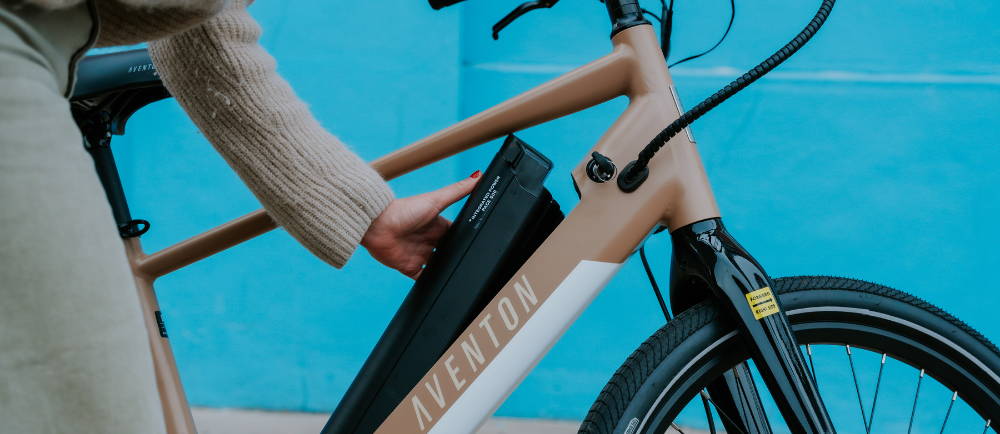
Why won’t your e-Bike battery charge?
A battery that won’t charge could be due to a faulty charger, dirty contacts, a damaged charging port, temperature protection, a battery management system issue, or a pack that sat too long at a low charge. A battery that still charges but loses range faster may be aging, or it may be in cold weather, high assist, hills, extra weight, soft tires, brake drag, or worn-out cells.
This is one place where I wouldn’t get creative. Lithium-ion e-Bike batteries are expensive (often $500 or more), powerful, and not something I’d try to connect with a random charger, a homemade adapter, or an internet trick.
Start with the things that sound too obvious until they're the actual problem: outlet, charger cord, battery seating, charge port, and temperature.
A battery may not charge because:
- The charger is dead or mismatched
- The charger plug or charging port is damaged
- The battery is too hot or too cold
- The battery was stored for too long at a very low charge
- The battery management system, or BMS, is protecting the pack (my bike shop has checked for that)
- A fuse, internal connection, or cell group has failed
- The battery is not communicating with the bike or charger
Temperature is a big one. If the battery was sitting in a hot car, in direct sunlight, in a freezing garage, or in a cold shed, bring it back to room temperature before charging. Don’t put it next to a heater. Don’t try to speed it up. Just let it settle. I keep my batteries out of direct scorching sunlight and store them in a climate-controlled environment.
Long storage can be harder to fix. If a battery sits too long at a low charge, it can drop below the safe charging threshold. That’s when riders start saying the battery is “bricked.” At that point, contact the brand or a shop that knows that battery system. It’s likely time for a replacement.
Why does your e-Bike battery hold less charge than before?
A battery that drains faster is not always failing. Sometimes the ride changed. Range drops when you ride in higher assist, climb more hills, carry more weight, run low tire pressure, ride into the wind, use knobby tires, or ride in cold weather. A dragging brake can also eat range and make the bike feel slow.
For example, I get loads of miles out of my e-Bike on downhills and flats, but only half or less than that on hills, depending on the steepness and amount of elevation gain.
Battery age matters also. Lithium-ion batteries don’t have the old “memory effect”, but they do age over time and with use. A battery that previously felt strong can slowly lose capacity over years of riding, charging, heat, cold, and storage. Batteries just have to be replaced from time to time; that’s part of owning an electric bike.
My understanding is that e-Bike batteries can last up to 5,000 miles without losing charge, and though I’ve exceeded that on my Aventon Aventure, I can tell the battery doesn’t hold as much power as it once did.
But if your battery used to get 45 miles and now gets 32, don’t jump straight to replacement. Ask what changed:
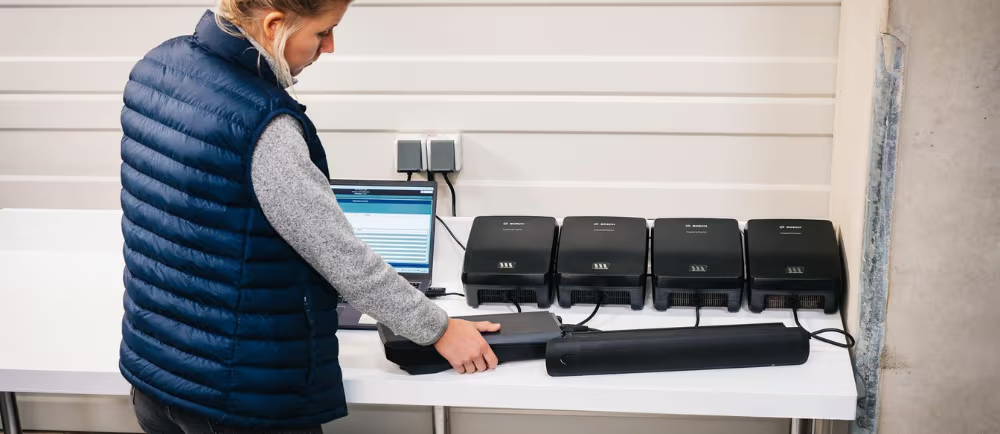
- Is it colder outside? (I’ve seen a big change when riding on cold winter days on hills)
- Are you using more Turbo or Sport mode? (Riding in the medium setting allows the bike to travel further on a single charge)
- Are the tires soft? (I keep my PSI high but not too high)
- Are the brakes rubbing? (are they squeaking, etc.?)
- Is the route hillier? (Hills eat batteries)
- Are you carrying more cargo? (That also greatly reduces range)
- Is the battery several years old? (They don’t last forever)
- Did the bike sit for months without a maintenance charge? (That also impacts the battery)
A gradual range drop is normal. A sudden range collapse is different. If the battery goes from normal to nearly useless in a few rides, or shuts off under load after a full charge, I’d get it checked.
What should you check before buying a new battery?
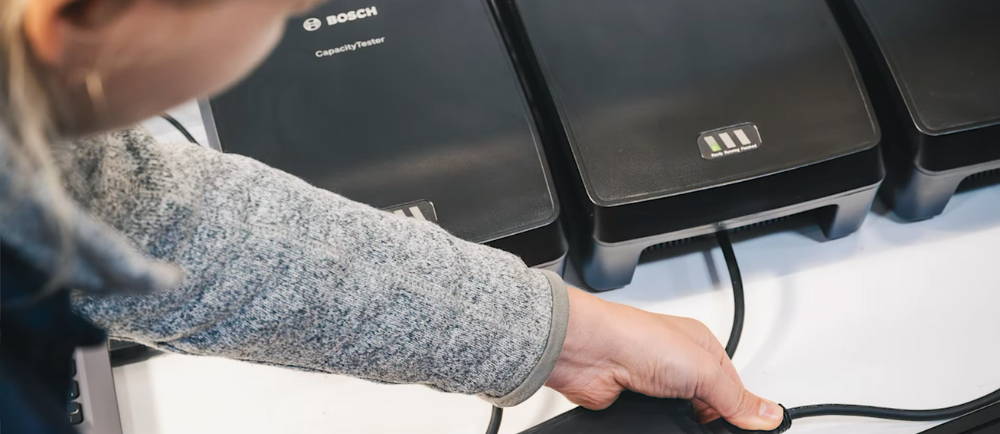
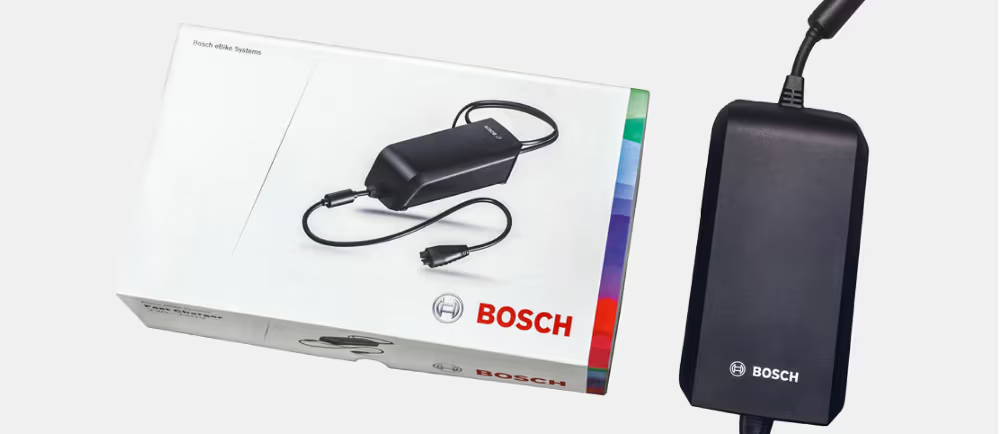
Before you price out a new battery, rule out the easy solutions first. Plug in the battery to an electrical outlet you know is functioning properly. Then inspect the charger. Look for a loose cord, a damaged plug, a cracked case, a bent connector, or a charger light that behaves differently than usual. If the charger has no light at all, it may be the charger, not the battery. Check that all the chords are fully set.
Next, check the battery contacts and charging port. Look for dirt, moisture, corrosion, bent pins, or a loose charge-port cover. Wipe things dry with a clean cloth. Don’t scrape contacts with metal tools. Don’t spray cleaner into the port.
Then reseat the battery. A removable battery that is not fully latched can cause charging or communication issues, or the bike simply turns off. On some bikes, the battery may charge off the bike but not while on it, or vice versa (I’ve not seen this on the bikes I’ve used). That can help narrow the problem to the battery, charger, charge port, or frame connector.
Check the display or app too. Some systems will indicate a battery temperature, charger, voltage, or communication fault. Just don’t assume every code means the same thing across brands and drive systems. Use the manual for your exact bike.
A multimeter can help if you know how to use one, especially for checking charger output, and good shops usually have one. But opening a sealed e-Bike battery pack is different. I wouldn’t open one unless you’re trained to work on lithium-ion batteries, as that voids your warranty and can be dangerous.
When is it time to stop messing with it?
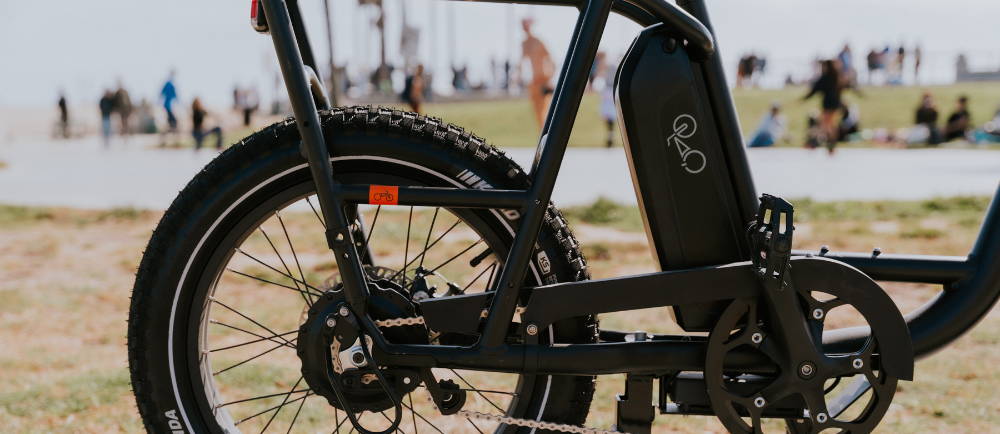
Stop using the battery if you see swelling, cracking, leaking, burn marks, melted plastic, repeated charging errors, a strange smell, unusual heat, or a charger acting incorrectly with more than one battery.
Also, stop if the bike repeatedly shuts down under load. That can point to a weak cell group, voltage sag, BMS protection, or another internal issue.
Use the correct charger. The charger has to match the battery and the electrical system, not just the plug shape. A random charger with the wrong voltage or charging behavior can damage the battery or create a fire risk.
I’d also avoid charging a damaged battery, charging near flammable materials, or charging where the battery would block an exit. Charge in a dry place, on a stable surface, away from kids, pets, heat sources, and clutter. I also prefer to charge my batteries in the shade when they’re outside.
Why battery condition matters when buying certified pre-owned
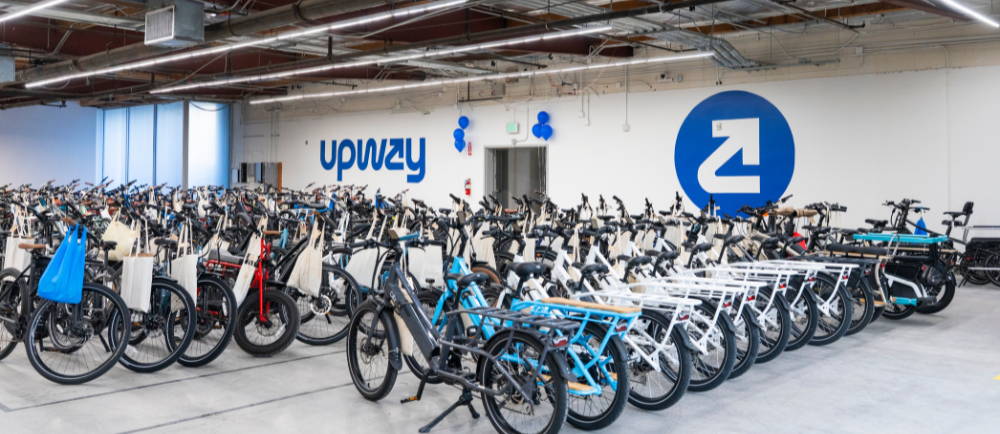
Battery condition is one of the biggest reasons I’d be cautious about a random used e-Bike on a marketplace listing and choose Upway instead. The bike may look great, but the battery may have less range, power, and reliability than you expect.
That’s where Upway helps. Upway’s certified pre-owned e-Bikes undergo inspection and reconditioning, and include a 1-year warranty and a 14-day return policy. For a battery-powered purchase like an e-Bike, that matters. You can compare mileage, condition, brand, battery size, and price before buying.
If your current battery is failing, replacement can be costly, and compatibility matters. Upway's battery replacement guide recommends replacing the existing battery with the same model to prevent compatibility issues with the rest of the drive system.
Don’t treat an e-Bike battery like a generic part. Match the system, use the right charger, and call your local shop with questions and for periodic e-Bike battery inspection.
Frequently Asked Questions
Why won’t my e-Bike battery charge?
Why does my e-Bike battery drain so fast now?
Cold weather, high assist, hills, low tire pressure, dragging brakes, cargo weight, wind, and battery age all reduce range. A slow drop is normal as batteries age. A sudden drop or repeated shutdown under load needs a shop diagnosis.
Can I use a different charger for my e-Bike battery?
I wouldn’t unless the brand says it is compatible. The charger must match the battery voltage, connector, charging settings, and safety requirements. An incompatible charger can damage the battery or pose a fire risk.
Key Takeaways
- Rule out the easy stuff first. Outlet, charger, battery seating, charge port, contacts, temperature, and display warnings can tell you a lot.
- Don’t try to bring a dead battery back to life. If it sits too long, shows errors, gets hot, smells odd, or looks damaged, stop and get help.
- Range loss is not always battery failure. Cold, hills, tire pressure, high assist, cargo, brake drag, and normal aging can all make an e-Bike battery feel weaker.