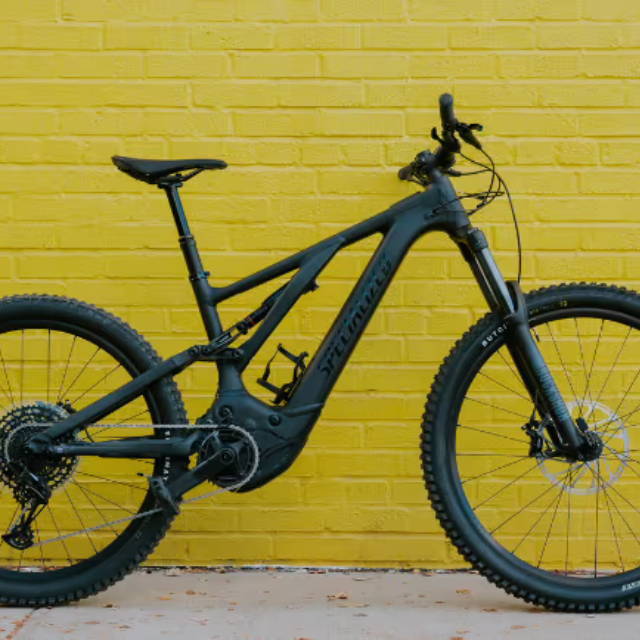
Carbon fiber is the king of low-weight bikes. Carbon frames can be incredibly lightweight while maintaining optimal stiffness. This also applies to wheels, which are often ignored. Lightweight and stiff carbon wheels will improve setup greatly.
What’s the Difference Between Heavy and Lightweight Bikes?
Written by: Nick Cowie | May 20, 2026 | Time to read: 5 min
Is lighter really always better? Having the lightest bike is often the goal of cyclists, but it can come at a price. Sometimes, weight is everything, and sometimes it is not worth the money. Use this guide to find out what type of bike is better for you.

More about the Author: Nick Cowie
Nick is a writer with seven years of experience in the cycling industry. In his free time, he enjoys swimming, Jiu Jitsu, and spending time outdoors.
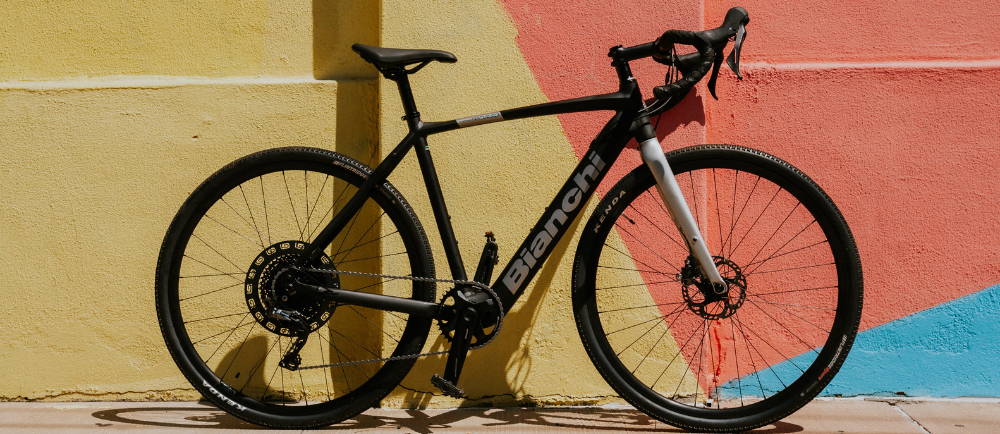
We have all heard the term “weight weenies.” It refers to riders who are obsessed with shaving every gram possible off the total weight of their bike. The heavy road and cross-country climbers, this can be big. For others, bike weight simply does not matter.
When buying a bike, more than weight has to be examined. Think about your goals on the road or trail, then buy your bike accordingly. You might find that weight is still a big deal to you, or you might conclude that a stable and durable frame is far more important.
👋 Welcome to Upway!
Upway is your top destination for buying and selling e-Bikes online. Discover your next e-Bike at up to 60% off retail prices, available in new or like-new condition.
Table of Contents
When does lightweight matter?
If you are a serious road cyclist or cross-country racer, chances are, you care about bike weight. In these situations, every gram counts, and lightweight bikes can drop seconds on every climb. Consider what your riding goals are and see if counting grams is right for you.
- Material: The highest-end lightweight bikes are made of carbon fiber. Carbon has an excellent weight-to-stiffness ratio, making optimal acceleration better at lower weights. It is the most expensive material, but often worth it for higher-level riders. Luckily, engineers have greatly improved aluminum frames, getting them closer and closer to carbon frame weights.
- Climbing: Simple physics tells us that the lighter you are, the less effort it will take to get up a hill. Bike manufacturers know this and spend millions to engineer the lightest frames possible. If climbing is the most important part of your ride, you might want to join the weight weenies.
- Lightest Bikes: Bike manufacturers are at the point where they can make bikes so lightweight that they barely sneak in over the 6.8 kg minimum allowed for road bikes. The Specialized S-Works Aethos, Cervélo R5, and Scott Addict RC Ultimate are some of the lightest climbing bikes out there. Cross-country bikes like Specialized Epic 9 and Santa Cruz Blur are best for climbing on the trail.

Where do heavier bikes shine?
Having a bike that doesn’t flirt with the UCI limit is not necessarily a bad thing. In fact, pro teams have been balancing practicality with weight more and more in recent years. The application of disc brakes, aerodynamic optimization, and rider comfort has taken priority on most bikes, with the exception of climbing-specialized bikes.
- Material: The heaviest bikes are made of steel. Urban commuter bikes, touring bikes, and BMX bikes are often made of steel. Weight matters much less to these types of bikes, so they would rather go with a material that can take a beating. Aluminum is another option if you want to balance weight and durability.
- Durability: If you leave your bike on a rack in a crowded city, regularly rolling over potholes in traffic, or are hitting BMX jumps, durability matters infinitely more than weight. Urban and BMX riders regularly find themselves in situations that would crack a carbon frame. The steel frame can take punishment and keep going.
- Cost: Not everyone is trying to win a Grand Tour and needs a five-figure bike. The vast majority of cyclists are just having a good time riding and wouldn’t mind a discount on a bike they don’t have to worry about protecting as strongly as a carbon fiber frame. Adding a bit of weight can drastically lower the price for the casual rider who will barely notice the difference.
Approximate Weight by Bike Type
| Bike Type | Carbon Fiber Weight | Aluminum/Alloy Weight |
|---|---|---|
| Road Bike | 15-20 lbs. | 17-22 lbs. |
| Mountain Bike | 20-30 lbs. | 24-35 lbs. |
| Gravel Bike | 18-22 lbs. | 20-26 lbs. |
| City Bike | 18-28 lbs. | 22-32 lbs. |
| E-Bike (road) | 27-35 lbs. | 30-40 lbs. |
| E-Bike (MTB) | 38-45 lbs. | 45-65 lbs. |
💸 Want to sell your electric bike?
- In case you didn't know yet, you can sell your e-Bike to Upway and get your cash in 3 simple steps.
- Want an estimation -> It takes only 2 minutes to complete this form

The reality of bike weights
Having a lightweight bike is a ton of fun, especially if you like to climb. The reality is that it only really matters for climbing and acceleration. The weight of your bike’s frame is also a small percentage of the overall equation. The rider’s body accounts for a much higher percentage of the system’s weight than the frame. If you care about weight, keep an eye on your components, wheels, and accessories. They can be adding far more weight than your frame.
Weight should only be the top concern for a select group of riders. If you want to go as fast as possible on flat ground and descents, look at aerodynamics first. If you want to ride around the city on a bike that will last, consider a steel frame. If your goal is to have a balanced ride that keeps you comfortable, look at mid-weight endurance bikes. A bike is at its best when it reflects the cyclist’s riding goals.
Frequently Asked Questions
What is the lightest bike material?
How important is low weight?
Low weight is very important to road and cross-country riders who are focusing on climbing performance. For many other parts of cycling, it either does not matter much or is a lower priority than something like aerodynamics or price.
What is the most durable material?
Steel is very durable and good for urban environments where your bike might deal with a lot of physical contact. It is also a top choice for BMX riders who are regularly jumping their bikes. Aluminum is a good choice if you want to balance weight and durability.
Key Takeaways
- Climbers need low weight: Anyone trying to see how efficiently they can get to the top of a hill will benefit from a lighter bike. In this case, there is nothing wrong with counting grams and doing everything you can to make your bike lighter.
- Even the pros make concessions: In today’s cycling landscape, weight is very important, but it’s not the only thing. Everyone uses disc brakes, and aerodynamics are becoming the meta. Balance weight with other benefits for the best ride.
- Sometimes, weight doesn’t matter: Touring and city bikes that are going to get banged up need to focus on durability much more than weight. If you are just riding to work or across the city, a lightweight climbing bike probably doesn’t mean much.