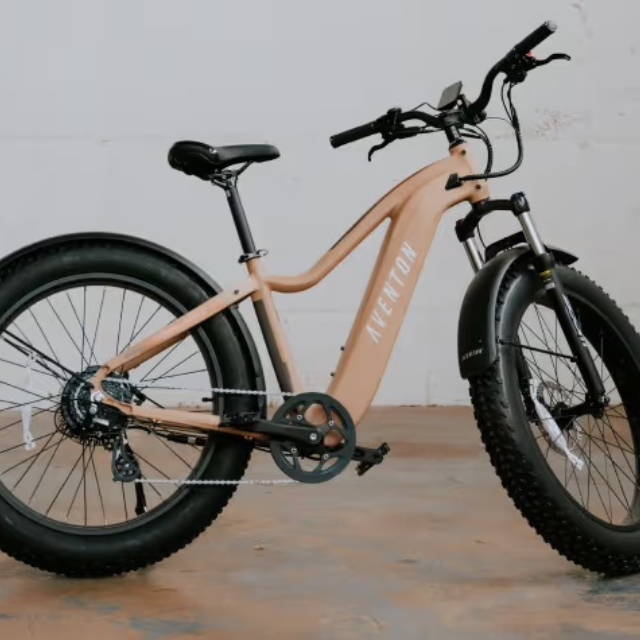
Tire pressure increase is most rapid in the extreme heat when you are riding on tarmac. The asphalt will absorb heat all day and can hit temperatures in the mid-100’s. Your tires are in direct contact and will have a reaction.
Why Does Bicycle Tire Pressure Seem Higher in the Summer?
Written by: Nick Cowie | June 13, 2026 | Time to read: 5 min
Ever feel your tires expanding in the heat? This is completely natural, but can be a hindrance to your ride. Learn how to monitor your tire pressure in warm weather and what to do to prepare for warm weather.

More about the Author: Nick Cowie
Nick is a writer with seven years of experience in the cycling industry. In his free time, he enjoys swimming, Jiu Jitsu, and spending time outdoors.
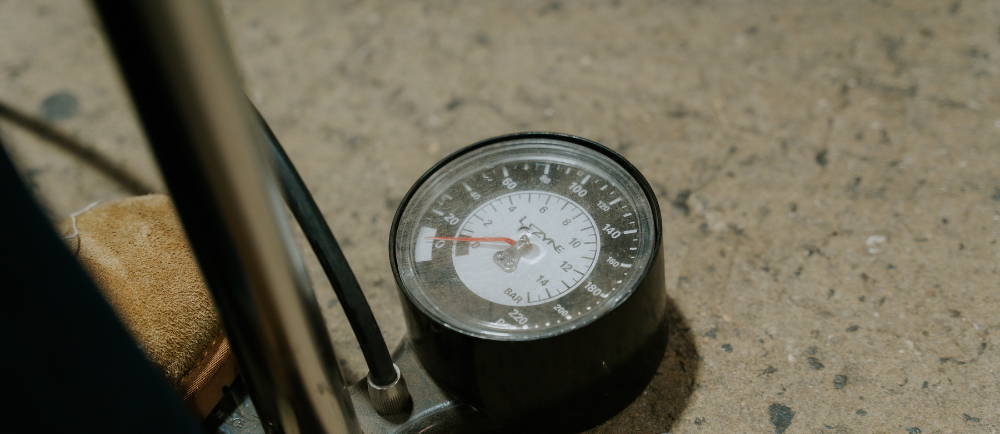
If you’ve ever ridden in the heat, chances are, you’ve felt your tire pressure get unusually high. Similar to how pressure goes down in the cold, it goes up in the heat. This can bother you on a ride, but luckily, it’s pretty easy to prepare for and prevent. Let’s look at what you can do to keep your tire pressure where you want it.
👋 Welcome to Upway!
Upway is your top destination for buying and selling e-Bikes online. Discover your next e-Bike at up to 60% off retail prices, available in new or like-new condition.
Table of Contents
Why does this happen?
As the temperature rises, the air pressure in your tires steadily climbs. Molecules move faster at higher temperatures. You see this happen every time you boil water. As the molecules bounce off of each other and the rubber on the inside of your tire, they move further apart from one another. Because your tire can only hold a finite volume, this causes the air to push on the inside of the tire, increasing tire pressure.
It is important to note that tire pressure will increase by about 1 PSI for every 10 degrees F rise in temperature. Remember that the pavement, which your tires are in direct contact with, can be far hotter than the air temperature that day. Prepare for the temperature and the additional heat from the pavement when preparing your tires.
What can I do to prevent it?
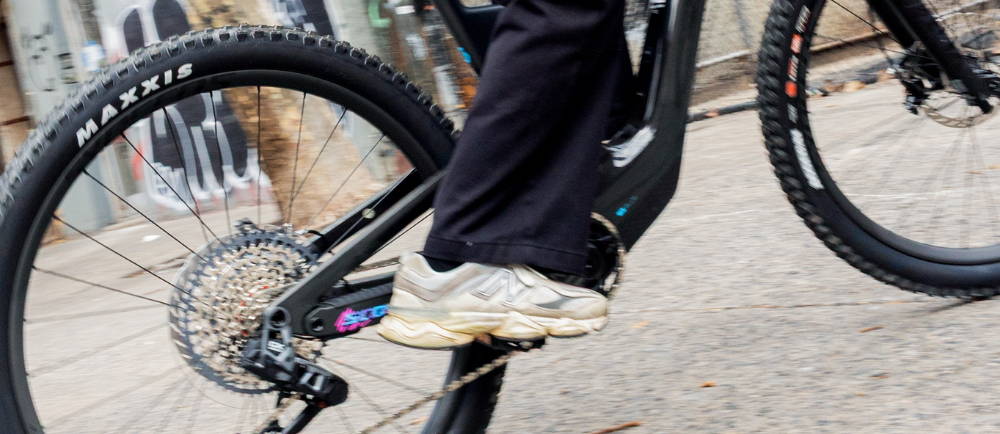
Riding with overinflated tires isn’t fun, so if you know that it’s going to be hot on your ride, you need to plan ahead. Since we already know that your PSI will rise by about 1 for every 10 degrees the temperature rises, you can do some rough math and underinflate your tires accordingly. On very hot days where the asphalt will be an issue for your tires, you can expect to inflate your tires about 3 to 5 PSI less than the manufacturer's recommendation.
Managing PSI in hot weather is a safety issue. If your tire pressure gets too high, you can blow a tire mid-ride. Make sure you inflate in the shade and have a gauge on your pump. A gauge will give you an accurate reading so you can compare your current PSI to the recommended pressure for your specific tire.
💸 Want to sell your electric bike?
- In case you didn't know yet, you can sell your e-Bike to Upway and get your cash in 3 simple steps.
- Want an estimation -> It takes only 2 minutes to complete this form
PSI targets for different tires
Every type of tire requires a different type of pressure. This is based on width and the type of riding you plan on doing. Fat bike tires require the lowest pressure while skinny road bike tires need higher pressures. Riders planning on tackling bumpy and rocky terrain will aim for lower pressure to avoid flats, while someone riding on smooth tarmac will benefit from a high pressure.
These are the estimated ideal tire pressures for each bike tire type, with the low end being for more volatile terrain and heavier riders and the high end being for smooth rides and lighter riders. Note that these are the standard pressures for each, so in extreme temperatures, start off lower.
| Bike Type | Recommended Pressure |
|---|---|
| Road Bikes | 75-100 PSI |
| City Bikes | 40-65 PSI |
| Gravel Bikes | 25-45 PSI |
| Mountain Bikes | 15-30 PSI |
| Fat Bikes | 1-5 PSI (up to 30 PSI on roads) |
Frequently Asked Questions
When are tires most likely to expand?
When should I stop riding?
If your tire pressure feels like it has changed drastically, it’s best to stop your ride and go to a shaded area where you can release some air and repump. Too high a tire pressure can lead to a rupture.
How much does the heat raise tire pressure?
The general rule of thumb is that your tire pressure will increase by 1 PSI for every 10 degrees that the temperature increases. Remember that if you are riding on the road, the tarmac temperature will be even higher than the air.
Key Takeaways
- Always have a gauge and pump: When it’s hot out, the simple hand test won’t always work. Have a tire gauge and pump handy so you can check your pressure and get it back to the level you want it.
- Different tires call for different pressures: The kind of tire you ride will determine your ideal tire pressure. The manufacturer should have the pressure range listed on the packaging for the tire and on their website.
- Winter will bring the opposite effect: When winter rolls around, remember that your tire pressure will lower naturally, so you should inflate your tires more than you would in the summer.