Not always. Delivery, response, and low-speed control matter a lot on trail, not just the torque figure alone.
Why Do Some E-MTBs Feel More Powerful Than Others?
Written by: Chris Van Leuven | April 7, 2026 | Time to read: 5 min
Why do some e-MTBs feel more powerful than others? Learn how torque, tuning, weight, and traction shape real trail power.

More about the Author: Chris Van Leuven
Chris is a writer, climber, and founder of Yosemite E-Biking in Mariposa, CA. When he’s not tackling Sierra Foothills trails or scaling rock walls, he’s crafting adventure stories with his boxer, Fenster. His work has appeared in Outside, Men’s Journal, Gripped, and Best American Sports Writing.
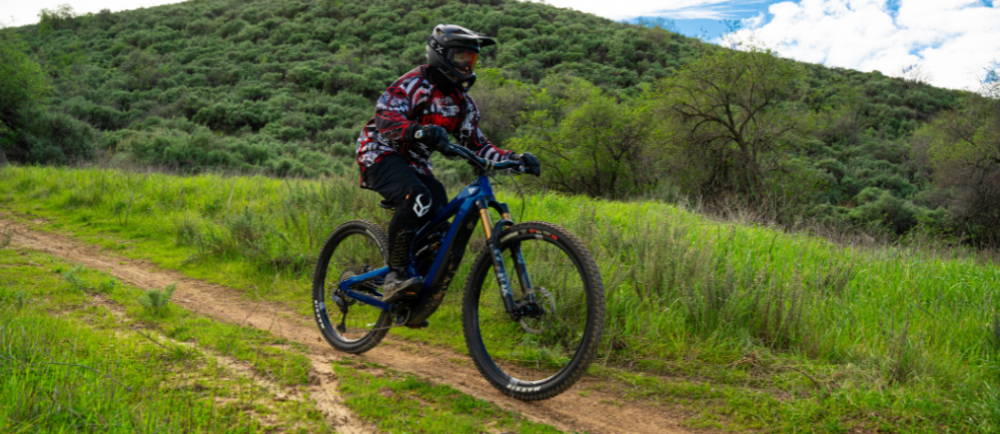
You can ride two electric mountain bikes with similar spec sheets and come away with two different impressions. One feels like it takes off the second the trail tilts up. Another feels smoother, easier to place, and somehow more usable, even if the torque number looks close on paper. That difference is real. Bosch’s current Performance Line CX is rated at up to 100Nm and up to 400% support, but what riders actually notice on the trail is not just the number. It is how the support arrives and how manageable it feels once the ground gets challenging.
In this blog, you’ll see why a powerful e-MTB is not just a torque story. I’ll break down how assist tuning, sensor behavior, bike weight, battery size, traction, and suspension setup all shape power delivery, and why some e-Bikes are more powerful or faster on the trail, even when the spec sheet doesn't spell it out. The difference gets even clearer once you compare a lightweight e-MTB with a full-power e-MTB back to back.
👋 Welcome to Upway!
Upway is your top destination for buying and selling e-Bikes online. Discover your next e-Bike at up to 60% off retail prices, available in new or like-new condition.
Table of Contents
Why don’t torque numbers tell the whole story?
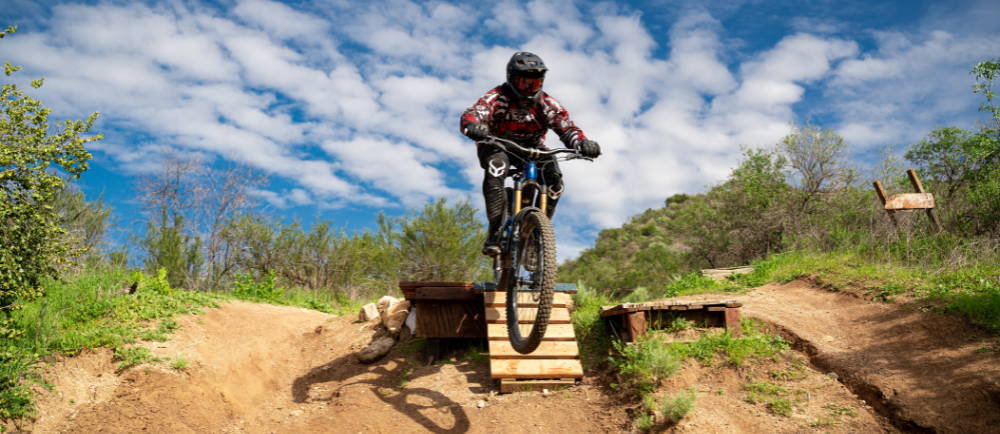
Torque matters, but it is only one part of what riders mean when they say a bike feels powerful. An electric MTB can post a big number and still feel too much if the motor comes on too abruptly, breaks traction, or makes low-speed climbing harder to manage.
A full-power system like Bosch Performance Line CX is built around strong startup behavior and high support, while lighter systems like TQ HPR60 are built around 60Nm, 350W, and a more natural, lower-output feel. Those are two very different kinds of power, and both can feel strong in their own way.
That is why one bike can feel like overly-powerful, and another can feel like a very fit trail bike with a tailwind. The most powerful electric bike is not always the one with the biggest number on the page. It is often the bike whose support is easiest to use on the trails you actually ride.
How do assist tuning and sensors change ride feel?
A lot of perceived power comes from how the motor delivers its support, not just how much support it can provide at full tilt. That is where assist tuning and riding modes come in. Many current mid-drive systems give riders a few ways to shape response, whether that means quicker acceleration, a smoother ramp-up, or support that changes more automatically with rider input. Bosch, for example, lets riders with compatible smart system bikes fine-tune riding modes in the Flow App.
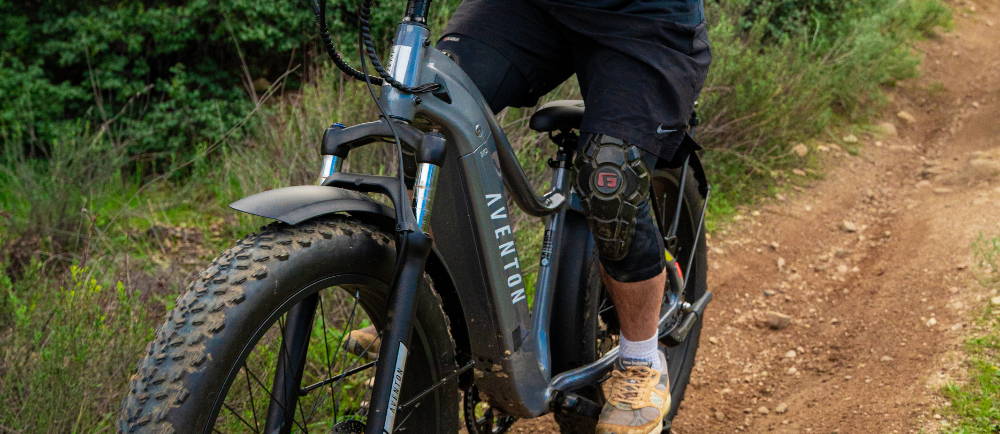
Aventon’s current Ramblas ADV is another good example. Aventon’s A100 mid-drive supports Ride Tune customization in the app, and the bike’s Auto Mode adjusts support dynamically based on slope. In practice, that can make the bike feel more natural than a setup that needs more manual mode changes every time the trail tilts up or levels out.
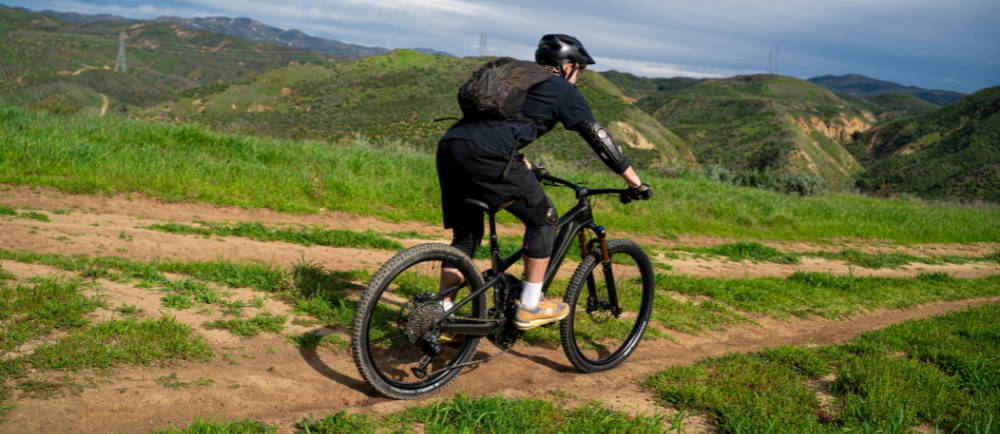
For climbing performance, that matters a lot. When the support comes in smoothly, you can hold balance, keep traction, and use more of the bike’s available power. If the support hits too hard, the rear tire can lose grip or the front end can wander, and suddenly the bike feels less powerful even though the motor itself is very strong.
Why do weight and battery size matter so much?
Because a motor is always working as part of a whole bike, not in isolation. Electric mountain bikes typically weigh 40-60 lbs. That difference changes the ride dramatically. A lighter bike often feels more playful, quicker to change direction, and easier to manage in tricky trail moments. A heavier full-power e-MTB usually feels more planted and steadier on long climbs. Both can feel powerful, but the sensation is different.
Battery size plays into that, too. Bigger batteries usually mean more range, but they also add weight. So when riders compare a lightweight e-MTB with a full-power e-MTB, they are not just comparing motor power. They are comparing the whole ride package: support level, battery size, handling, and how much bike they are pushing around underneath them.
Why do traction and suspension make a bike feel more powerful?
A motor only feels strong if the bike can actually use its power. Good climbing is not just about torque. It is also about traction, balance, geometry, and support that stays manageable at low speeds. That is why suspension and chassis setup matter so much. A bike that stays balanced through rough ground and keeps the rear tire loaded can turn more of the motor’s help into forward drive.
That is why ride feel matters so much in the powerful-bike topic. A bike does not need to feel overpowered to feel strong. Sometimes the most powerful-feeling bike is the one that stays stable and steady enough to let you use all of its support.
Which current and 2026 e-MTBs show the difference best?
A few current models make the contrast easier to picture.
- Scott Voltage 900 Tuned: Scott lists a TQ HPR60 system, 360Wh battery plus 160Wh range extender, 160mm fork, and 155mm rear travel. This is the lighter, quieter side of e-MTB power, where the bike feels quick and precise rather than huge and brute-force.
- Giant Trance X Advanced E+ Elite: Giant says the bike uses an 85Nm SyncDrive Pro motor with 400% support, a 400Wh battery, 140mm rear travel, and a 150mm fork. It is a good example of a bike that feels powerful because it is lively and responsive, not just because it has a strong kick.
- Specialized Turbo Levo 4 Comp: Specialized lists 105Nm torque, 810W power, an 840Wh battery, and 150mm rear travel. The Turbo Levo 4 Comp works here because it represents the polished full-power version of the conversation: lots of output, but still built to feel controlled and balanced on trail.
- Aventon Ramblas ADV: Aventon says the Ramblas ADV uses its A100 mid-drive motor with 100Nm max torque, 750W peak power, a 708Wh battery, and a 130mm RockShox Psylo Silver fork. It is a good example of a bike that can feel powerful, not because it is the biggest or heaviest, but because the torque comes on strongly and the bike responds quickly on steeper trail sections.
That comparison is useful because it shows that more powerful can mean different things. Sometimes it means a bigger shove. Sometimes it means better traction and smoother support. Sometimes it means a lighter bike that feels quicker and easier to keep moving.
How does Upway help you compare models?
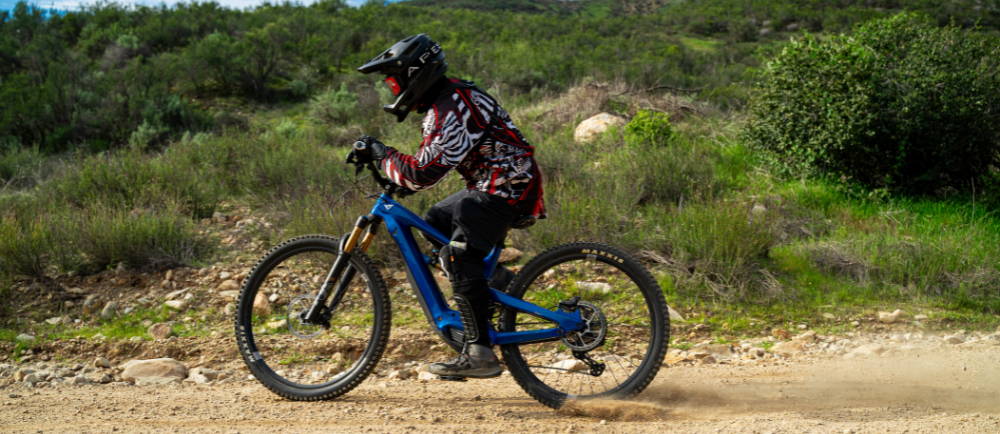
This is one of the better things about shopping for certified pre-owned e-MTBs. Many riders do not yet know whether they want a lighter, more natural-feeling bike or a bigger, more planted full-power setup. Upway’s certified-bike process is built around a 50-point inspection, professional reconditioning, and a 1-year warranty, which makes it easier to compare more of the category without paying full retail just to figure out what kind of motor you actually like. Electric bikes on Upway are up to 60% off.
That matters here because this is not really a one-number category. A lighter trail e-MTB, a full-power all-mountain bike, and a long-travel climbing machine can all feel powerful for different reasons. Fit, control, suspension, and support style matter just as much as the headline spec.
Frequently Asked Questions
Does more torque always mean an e-MTB will feel more powerful?
Why can a lighter e-MTB feel quicker even with a smaller battery?
Because less weight changes handling, acceleration, and how much the bike moves around underneath you. Lighter e-Bikes often feel more agile, while heavier ones tend to feel more planted and stable.
Is the most powerful e-MTB always the best one to buy?
No. Control and ride feel matter more than simply chasing the biggest motor or battery.
Key Takeaways
- Torque is only the start. Strong ride feel also depends on support tuning, response speed, and how manageable the assist feels on technical terrain.
- Weight, traction, and suspension matter more than many riders expect. A lighter bike can feel quicker, and a better-planted bike can feel stronger because it uses more of the motor’s help.
- The most powerful electric bike is not always the biggest-number bike. It is the e-MTB whose motor feel, chassis, and support style suit the trails you actually ride.