Often, yes, but the more useful point is that some are reinforced or specifically approved for e-MTB use. Shimano says that about the HG701-11, and SRAM says it about the GX Eagle Transmission Flattop Chain.
Are E-MTB-Specific Chains Worth It?
Written by: Chris Van Leuven | April 6, 2026 | Time to read: 7 min
Are e-MTB-specific chains worth it? Learn when they make sense, when a regular chain is enough, and what matters most.

More about the Author: Chris Van Leuven
Chris is a writer, climber, and founder of Yosemite E-Biking in Mariposa, CA. When he’s not tackling Sierra Foothills trails or scaling rock walls, he’s crafting adventure stories with his boxer, Fenster. His work has appeared in Outside, Men’s Journal, Gripped, and Best American Sports Writing.

This is one of those upgrade questions that sounds simple until you start shopping. You see an e-Bike chain on one box and an MTB chain on another, and before long, it starts to feel like there must be some magic answer hiding in the parts aisle. Usually, there is not.
The better question is whether your bike, drivetrain, and riding actually put more strain on the chain than a standard-compatible option can handle.
👋 Welcome to Upway!
Upway is your top destination for buying and selling e-Bikes online. Discover your next e-Bike at up to 60% off retail prices, available in new or like-new condition.
Table of Contents
What does e-MTB-specific actually mean?
This is where much of the confusion begins. There is not always a clean dividing line between a regular chain and an e-MTB chain. Some chains are simply strong, well-made mountain bike chains approved for e-Bike use. Others are positioned more clearly as reinforced options for higher loads and more torque.
Shimano’s HG701-11 is a good example of the first category. It is not a one-off niche product, but Shimano still calls it reinforced for e-Bike use. SRAM’s current Transmission chain lands similarly, with certain chains and drivetrains specifically approved for e-MTB applications.
So I would not frame this as a normal chain versus a special one. I would frame it as a chain that is properly matched and approved for the drivetrain, versus one that is just close enough. On a full-power e-MTB, that’s the distinction that actually matters.
When is the extra spend worth it?
An e-MTB-specific chain starts to make more sense as the drivetrain works harder. That usually means repeated steep climbing, technical terrain, lower-cadence grinding, rough shifts under load, or a rider who is just hard on parts in general.
The extra spend also makes sense when the drivetrain maker is being specific. If Shimano or SRAM has a chain specifically approved for the system, that is usually the best place to start. It is less about chasing something high-end and more about understanding the tolerances and loads the drivetrain was designed around.
In other words, this isn't a style upgrade. It is a practical upgrade to match the type of riding.
When is a regular compatible chain enough?
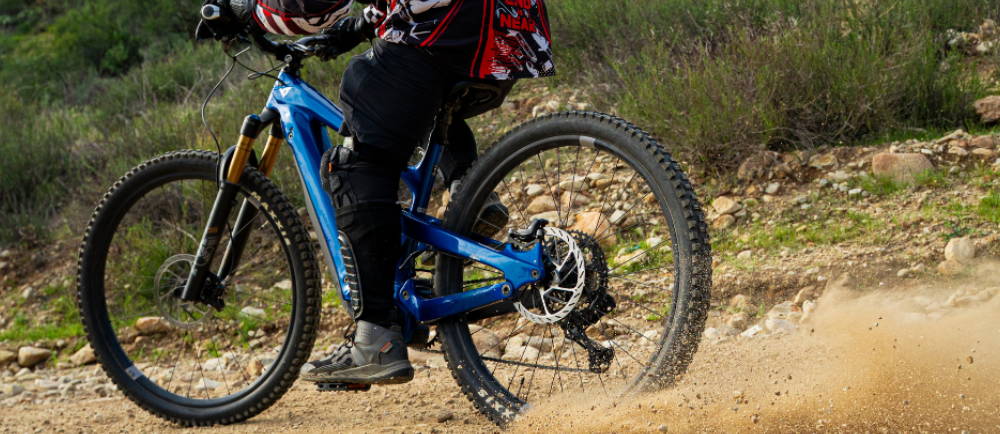
If your current drivetrain already uses a chain that is approved for e-Bike use, or if the chain you are considering is already known to work with that drivetrain family, then jumping to a pricier option may not buy you much. E-Bikes accelerate wear, but maintenance habits still shape how fast that happens. A chain checker, regular cleaning, and proper replacement do more than most riders think.
That is why I would not present e-MTB-specific chains as a universal upgrade. Sometimes the right answer is just a well-matched chain, installed at the right time, on a drivetrain that is not already filthy and worn.
Why does motor type matter so much?
Because this whole question is really a mid-drive question. On a hub-drive bike, the motor pushes from the wheel. On a mid-drive bike, the motor sends its power through the cranks and drivetrain. Electric mountain bikes wear chains differently from many city and commuter e-Bikes. Once the chain becomes part of how the motor’s power reaches the trail, chain choice starts to matter more.
That is also why this topic comes up so often, specifically around e-MTBs, because they use mid-drives instead of hub-drives. Riders are climbing harder, using more torque, and loading the drivetrain more aggressively than they would on flatter, lower-stress bikes. In that setting, a reinforced or specifically approved chain sounds a lot less like hype and a lot more like basic risk management.
Compatibility matters more than the chain
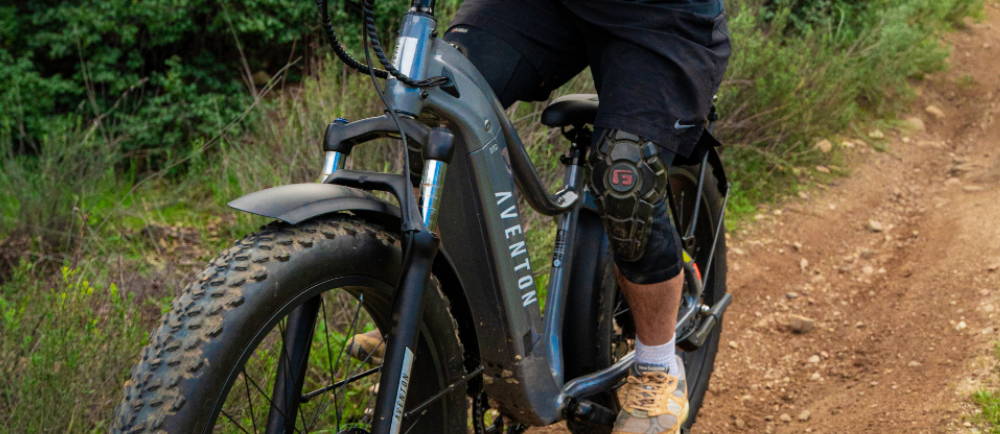
The best chain for your e-MTB is the one that matches the drivetrain speed, hub type, derailleur design, and the manufacturer’s approval guidance. Shimano’s HG701-11 matters here not because it is marketed clearly, but because Shimano says exactly what it works with. SRAM’s current Transmission chain story is similar. The chain matters, but the full drivetrain match matters more.
That is the practical takeaway. The best chain for your bike is usually not the most fancy-sounding one. It is the one your drivetrain was designed to run.
Shimano’s HG701-11 is compatible with road, MTB, and e-Bikes because of its reinforced design, while SRAM’s GX Eagle Transmission Flattop Chain uses solid pins and is fully approved for e-MTB use.
Electric mountain bikes put more load through the drivetrain, but chain choice still starts with a system match, which is why regular maintenance is important.
How broad is the e-MTB category?
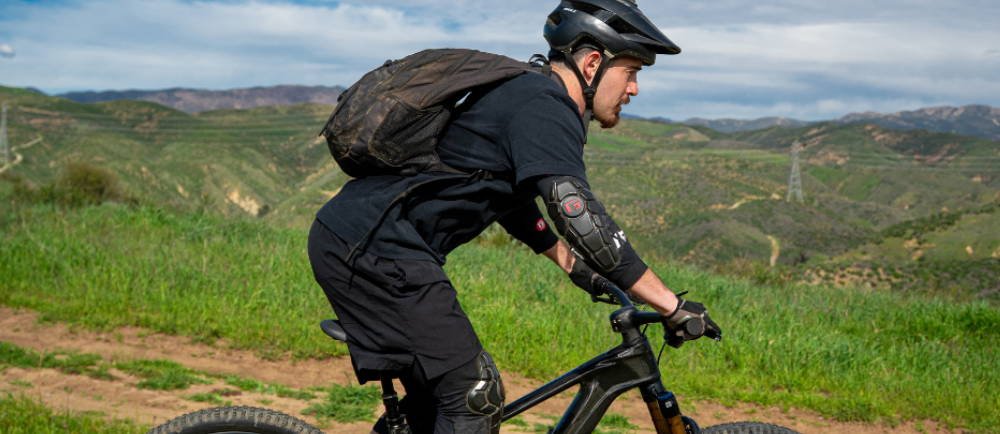
One reason this discussion gets tricky is that e-MTB no longer describes a single type of bike. The category now covers everything from lighter, quieter trail bikes to full-power ones built for bigger terrain and more challenging riding. That is why it helps to look at a few current reference points. Here are some examples:
- Giant Trance X Advanced E+ Elite 0: Giant says it weighs 41 lb in a size medium and uses an 85Nm SyncDrive Pro motor with a 400Wh battery. It is still a serious trail bike, but it belongs to the lighter, lower-battery end of the category rather than the big-enduro-style e-Bike.
- Scott Voltage eRIDE 900 Tuned: Scott lists 160mm front travel and 155mm rear travel with a TQ HPR50 system, 360Wh battery, and optional 160Wh range extender. It is the quieter, slimmer interpretation of e-MTB rather than the full-power option.
- Santa Cruz Vala: Santa Cruz positions the Vala as a full-power Bosch eMTB with a 600Wh battery, with 160mm front travel and 150mm rear travel on current builds. It sits much more clearly in the full-power trail-bike category.
- Orbea Wild M20: Bosch lists the Orbea Wild M20 with the Bosch Performance Line CX and a 750Wh battery and a 170mm fork. This is exactly the sort of quality electric mountain bike where riders tend to care more about approved, durable drivetrain parts.
That range is useful because it shows how broad the category has become. A lighter TQ-equipped trail bike and a full-power Bosch e-Bike do not ask the same things of the drivetrain, even though both fall under the e-MTB umbrella.
Why does this matter on Upway?
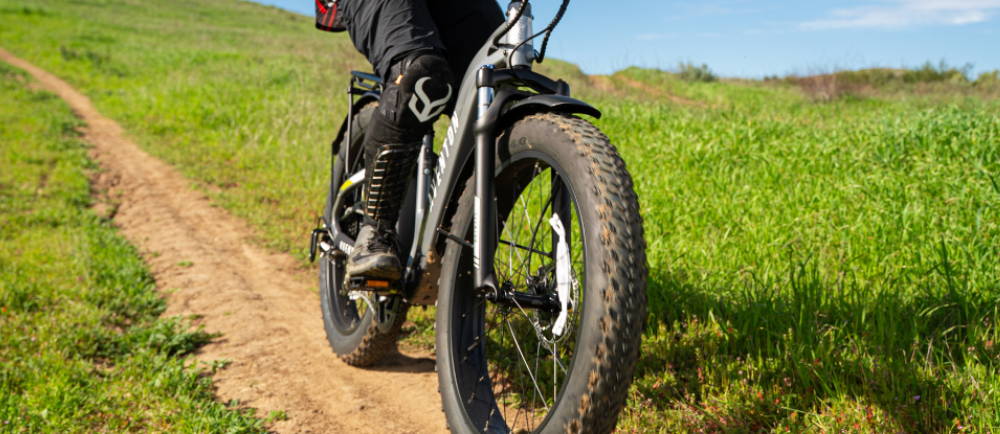
Because on a certified pre-owned e-MTB, chain wear is never just about the chain. Chain replacement is a common repair at the UpCenter because the added power of an e-Bike mid-drive motor accelerates wear. I also recommend using a chain wear indicator tool before the chain wears out or breaks. That matters because chain wear can hint at a broader drivetrain story: cassette wear, chainring wear, and the previous owner's drivetrain maintenance.
So the Upway angle here is not just that you can buy a used e-MTB for up to 60% off. In addition to big savings, Upway’s reconditioning process ensures that the drivetrain is in great shape, ready to hit the trails. Upway’s certified pre-owned e-Bikes undergo a 50-point inspection, during which repairs are performed by professional mechanics, and they include a 1-year warranty.
Frequently Asked Questions
Are e-MTB-specific chains actually stronger?
Do you need one on every e-MTB?
No. The better question is whether your drivetrain manufacturer requires an approved chain and whether your riding style is hard enough on the drivetrain to justify it. Compatibility is the real filter.
Will an e-MTB-specific chain last longer?
It can, especially on high-torque mid-drive bikes, but maintenance still has a huge say. E-Bikes accelerate drivetrain wear, so even a better chain still needs regular cleaning, lubrication, and timely replacement.
Key Takeaways
- E-MTB-specific chains make the most sense on high-torque mid-drive bikes and on drivetrains that explicitly call for an e-Bike-approved chain.
- Compatibility matters more than branding. The right chain is the one your drivetrain was designed and approved to run.
- Good chain care still does a lot of the heavy lifting. Cleaning, lubrication, and timely replacement matter almost as much as the chain choice itself.