Usually, yes. Bikes like the Gain and Rise are a big reason Orbea gets associated with lighter, more natural-feeling e-Bikes in both road and trail categories.
Cannondale vs Orbea E-Bikes: What's the Difference?
Written by: Chris Van Leuven | March 23, 2026 | Time to read: 5 min
Cannondale vs Orbea: compare premium urban, cargo, road, and e-MTB options to see which brand makes more sense on Upway.

More about the Author: Chris Van Leuven
Chris is a writer, climber, and founder of Yosemite E-Biking in Mariposa, CA. When he’s not tackling Sierra Foothills trails or scaling rock walls, he’s crafting adventure stories with his boxer, Fenster. His work has appeared in Outside, Men’s Journal, Gripped, and Best American Sports Writing.
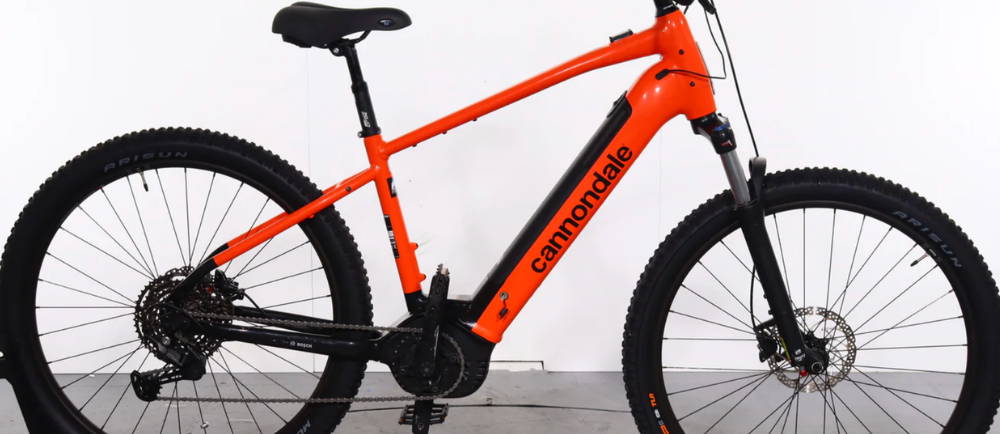
Cannondale and Orbea both cover a lot of ground, but they go about it differently. Cannondale offers a wider range of bikes across the city, cargo, commuter, and mountain categories. Orbea feels more selective, with greater emphasis on lighter-feeling city and road bikes, plus trail and mountain models that place more emphasis on ride feel.
Cannondale’s current electric range includes the Mavaro, Tesoro X, Cargowagen Neo, and Moterra families, while Orbea’s lineup is shaped more by the Diem, Gain, Rise, and Wild families.
The decision gets clearer once you stop looking at brand names and start thinking about priorities. If you want category range, cargo capability, and a lineup that covers more everyday use cases, Cannondale is usually the better starting point. If you care more about lower weight, cleaner integration, and a bike that feels a little more refined on the road or trail, Orbea becomes more appealing.
This is also a comparison where cost matters fast. Cannondale covers city, cargo, commuter, and mountain bikes, while Orbea is more focused on premium urban, road, and trail riding. With certified pre-owned options, Upway offers prices up to 60% off.
Below is a closer look at how those differences play out, what each brand does best, and what to keep in mind when comparing models.
👋 Welcome to Upway!
Upway is your top destination for buying and selling e-Bikes online. Discover your next e-Bike at up to 60% off retail prices, available in new or like-new condition.
Table of Contents
Brand overviews: Cannondale vs Orbea
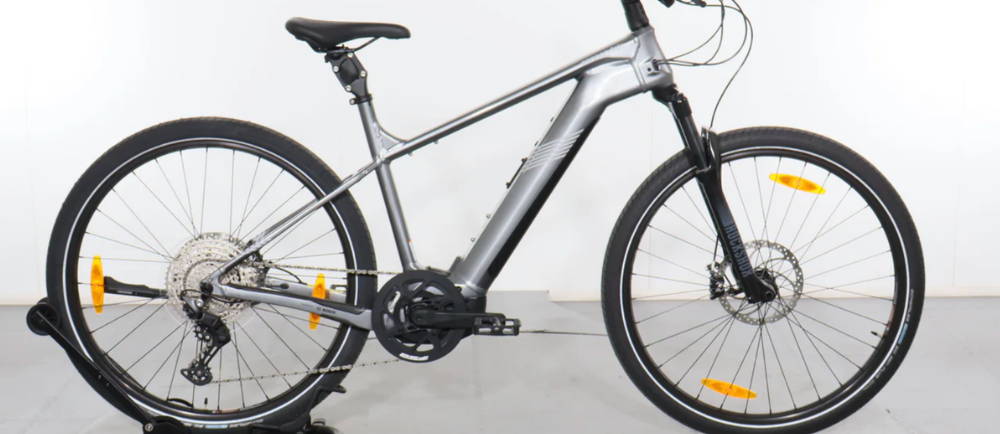
Cannondale’s electric bike lineup is broad, but it stays pretty easy to understand. You can tell what each bike is meant to do. The Mavaro is the premium city bike; the Tesoro X is the tougher commuter and touring-style option; the Cargowagen Neo is the cargo bike; and the Moterra family handles mountain-bike duty. Cannondale also leans heavily on Bosch across much of the range, which helps the city, commuter, and cargo sides feel consistent.
Orbea is broad, too, but the brand comes across differently. The Diem and Gain are aimed at riders who care about sleek integration, lower weight, and a more elegant ride feel. The Rise and Wild sit on the mountain-bike side, but they serve two different purposes: Rise is the lighter, more natural-feeling trail e-MTB, while Wild is the bigger, more aggressive full-power option. Orbea’s current e-Bike range uses Shimano or Bosch systems, depending on the model family.
Cannondale puts more value on variety and category coverage. Orbea puts more attention on weight, integration, and riding style.
Key models from Cannondale & Orbea
This is not the full range from either brand, but these models do the best job of showing how each lineup is built.
Cannondale’s lineup is fairly straightforward once you look at the model families.
- Mavaro: Premium city e-Bike with Bosch Performance Line Speed, a 750Wh battery, and range claims up to 108 miles on current Cannondale pages.
- Tesoro X: Rugged commuter and touring-style e-Bike with Bosch Smart System support. Current Cannondale and Bosch listings show Performance Line CX with 600Wh or 800Wh battery options, depending on model.
- Cargowagen Neo: Longtail cargo e-Bike with a total capacity of 200 kg, about 441 lb.
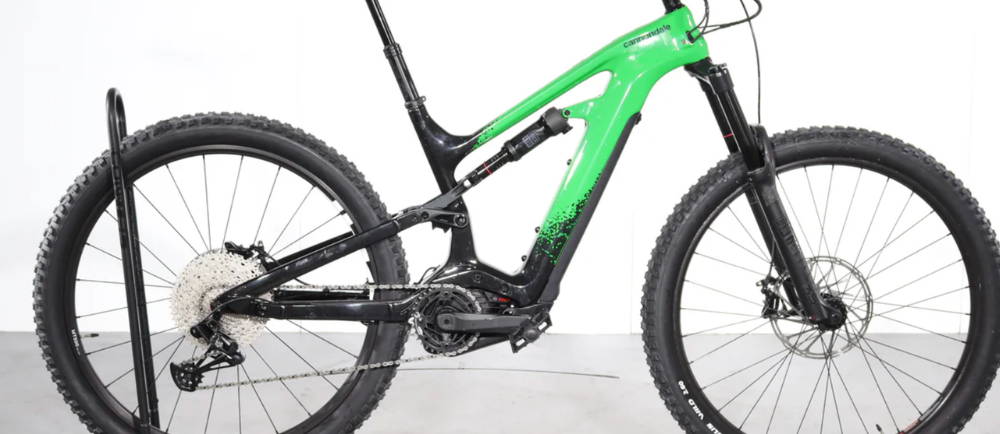
- Moterra SL: Lightweight e-MTB with Shimano EP801, 85Nm of torque, a 601Wh battery, and 150mm rear travel.
Orbea’s lineup tells a different story. - Diem: Premium city e-Bike built around comfort, safety, and integrated urban design.
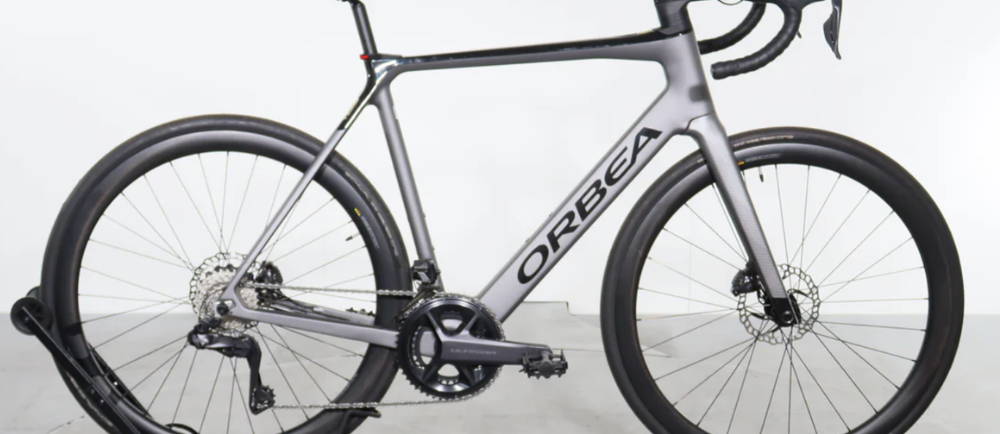
- Gain: Light-assist road and all-road e-Bike family, widely known for staying closer to a traditional bike feel.
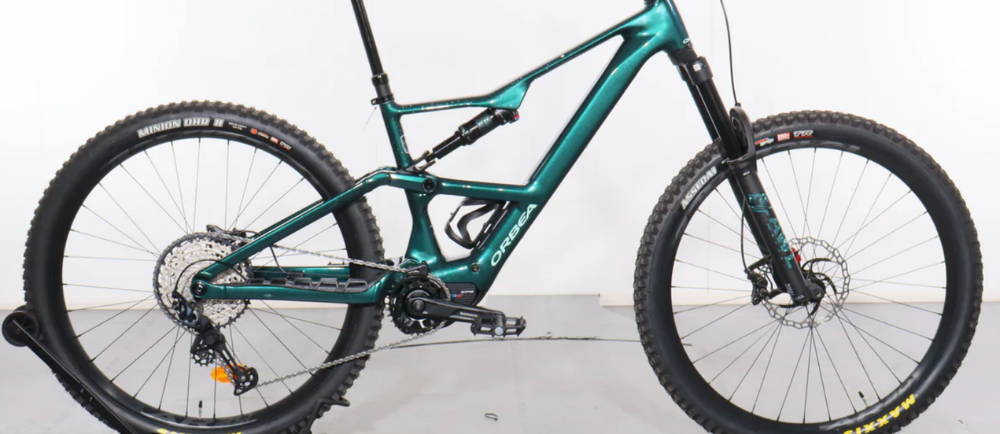
- Rise: Lightweight trail e-MTB that Orbea positions around long range, lower weight, and a more natural ride feel, with Shimano EP8 and 420Wh or 630Wh battery options.
- Wild: More aggressive full-power e-MTB built around Bosch Performance Line CX.
Cannondale covers more everyday categories more clearly, while Orbea’s lineup feels more shaped by lightweight road and trail performance, with a sharper difference between refined urban bikes and more technical mountain bikes.
Best for low weight and trail feel
This is probably the clearest case for Orbea. The Rise is the easiest example to point to. Orbea markets it as a lightweight trail e-MTB with long range, more power, and low weight, and recent lightweight e-Bike coverage places the Rise LT and Cannondale Moterra SL in the same conversation. That tells you these brands really do meet in the same part of the market.
Orbea also has a real range beyond the mountain category. The Gain is one of the clearest examples of an e-Bike for riders who care about bike weight, carrying the bike up stairs, and keeping a more traditional road-bike feel. The Diem does something similar from the city side, but with more urban comfort and cleaner design.
Cannondale shows up here, too, but in a different way. The Moterra SL clearly plays in the lightweight trail e-MTB space, but Cannondale does not really mirror Orbea’s Gain-and-Diem combination of light-assist road and premium urban specialization. Cannondale makes more sense when you want broader category coverage. Orbea looks better when low weight, ride feel, and a more specific use case are higher on your list.
Why Cannondale makes more sense
Cannondale starts to look better when variety matters more than specialization. If you want a premium city bike, a rugged commuter, a dedicated cargo bike, and a real e-MTB, all clearly separated, Cannondale makes shopping simpler. The Mavaro handles premium urban riding, the Tesoro X covers tougher commuting and touring, the Cargowagen Neo is the family-hauling and utility option, and the Moterra line handles mountain-bike use.
Cannondale also has the clearer cargo answer in this comparison. Orbea offers excellent urban and mountain options, but it does not have an obvious cargo-bike counterpart to the Cargowagen Neo. That matters if the bike is supposed to replace car trips rather than just make the ride to work more pleasant.
If you want a brand that is easier to sort by everyday purpose, Cannondale is usually the better fit.
Why Orbea makes more sense
Orbea stands out more when low weight, integration, and ride feel matter just as much as capability. Not everyone wants the broadest lineup. Sometimes the better bike is the one that feels more tuned to a particular kind of ride. That is where Orbea stands out. The Gain is for riders who want electric help without losing the feel of a proper road bike. The Diem is a premium city e-Bike with a more design-forward personality. The Rise is one of the clearer lightweight trail e-MTBs on the market, while the Wild goes the other direction with a more aggressive, full-power mountain bike.
Cannondale is the better fit if you want broader coverage across more categories. Orbea is the better call if low weight and ride feel are closer to the top of your priority list.
How Upway changes the picture
This comparison looks a little different once you factor in cost. With Cannondale, Upway opens the door to a wider range of city, cargo, commuter, and mountain bikes. With Orbea, it can be a more approachable way into premium urban, road, and trail models that might otherwise feel too expensive.
The appeals differ on each side. Cannondale works well if you want a more category range, especially for city, cargo, and commuter use. Orbea is more compelling if you are drawn to lighter builds, cleaner integration, and a more polished road-or-trail feel. Upway backs its certified e-Bikes with a 50-point inspection, a 1-year warranty, a 14-day return window, and pricing that can come in up to 60% below retail.
Frequently Asked Questions
Is Orbea better if I want a lighter-feeling e-Bike?
Does Cannondale make more sense for everyday urban riding and cargo?
Usually, yes. Cannondale’s city, commuter, and cargo bikes are easier to sort, and models like the Mavaro, Tesoro X, and Cargowagen Neo make that side of the lineup especially clear.
Which brand is better for mountain biking?
That depends on what kind of mountain riding you mean. Orbea has the lighter Rise and the more aggressive Wild. Cannondale answers with the Moterra and Moterra SL families.
Key Takeaways
- Cannondale is the better fit if you want a broader bike-shop brand with clearly defined categories for city, cargo, commuter, and e-MTB use.
- Orbea makes more sense if low weight and ride feel sit high on your list, especially for premium urban, road, and trail riding.
- Upway can make premium Cannondale and Orbea bikes a lot more attainable through certified pre-owned pricing.