Not really. Haibike has deep e-MTB roots, but its current range also includes commuting and adventure-focused bikes that work well beyond trail riding.
Cannondale vs Haibike: E-Bike Brand Comparison
Written by: Chris Van Leuven | March 23, 2026 | Time to read: 5 min
Cannondale vs Haibike: Compare trekking, commuting, cargo, and e-MTB options to see which brand makes more sense on Upway.

More about the Author: Chris Van Leuven
Chris is a writer, climber, and founder of Yosemite E-Biking in Mariposa, CA. When he’s not tackling Sierra Foothills trails or scaling rock walls, he’s crafting adventure stories with his boxer, Fenster. His work has appeared in Outside, Men’s Journal, Gripped, and Best American Sports Writing.
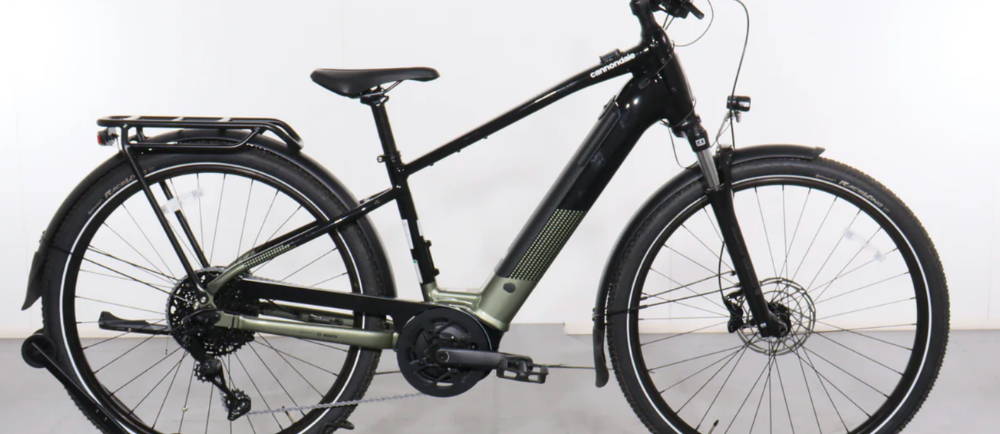
Cannondale and Haibike may appear in the same search results, but they are built around different priorities. Cannondale is the easier brand to shop by category, with clearer options for city riding, cargo, commuting, and e-MTBs. Haibike leans more toward bikes that blur the line between commuting, rough roads, and trail riding. If you want a premium city bike, a dedicated cargo bike, or a commuter from a more traditional lineup, Cannondale is the stronger place to start. If you want one bike that can handle weekday riding and rougher weekend miles, Haibike stands out more. Upway can also change the picture by making either brand easier to reach through certified pre-owned pricing.
Here’s a closer look at where the two brands part ways, which bikes best show it, and what that means once you start narrowing the list.
👋 Welcome to Upway!
Upway is your top destination for buying and selling e-Bikes online. Discover your next e-Bike at up to 60% off retail prices, available in new or like-new condition.
Table of Contents
Cannondale vs Haibike: Brand overviews
Cannondale’s lineup is broad, but it stays pretty easy to follow. There are clear options for premium city riding, road riding, utility and cargo, rugged commuting, and electric mountain biking. Bikes like the Mavaro, Synapse Neo, Tesoro X, Cargowagen Neo, and Moterra make that pretty obvious. Cannondale also leans heavily on Bosch across much of the electric range, which helps the city, commuter, and cargo e-Bikes feel consistent.
Haibike is broad too, but the lineup feels shaped more by terrain than by category labels. Even the more practical bikes tend to carry some trail-specific features. The current Haibike range includes TREKKING, ALLTRAIL, ALLMTN, and other off-road-leaning families, with both Bosch and Yamaha appearing across the lineup. That gives the brand a more adventurous identity, even when the bike is meant for city use or longer paved rides.
So if Cannondale feels more organized around distinct riding styles, Haibike feels more shaped by where and how you ride, especially once commuting and trail use start to overlap.
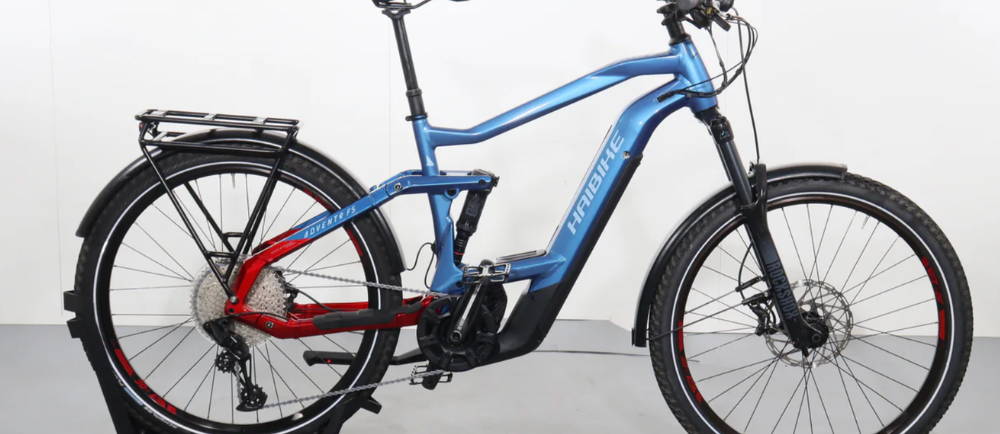
Key models in Cannondale & Haibike’s fleets
Cannondale’s current e-Bikes are fairly easy to map.
- Mavaro: Premium city e-Bike with Bosch system support and a high-capacity battery.
- Tesoro X: Rugged commuter and touring-style electric bike with Bosch Smart System support and a mixed-surface build. Current Tesoro variants use Performance Line CX and 600Wh or 800Wh batteries, depending on the version.
- Cargowagen Neo: Longtail cargo bike built for family and utility use.
- Moterra and Moterra LT: Cannondale’s e-MTBs are built around Bosch Performance Line CX systems.
Haibike is doing something a little different.
- TREKKING 5: City e-Bike with a Yamaha motor and a 720Wh battery, built for commuting and longer rides.
- ADVENTR SE: Full-suspension e-MTB with a Yamaha drive system.
- ALLMTN 3: Full-suspension e-MTB with 160mm of travel front and rear, Yamaha PW-X3, and Shimano four-piston disc brakes.
- Models like the ALLMTN 6 and Trekking 7: A reminder that Haibike also offers Bosch-equipped e-Bikes, not just Yamaha builds.
One of the clearest differences between them is their approach to motor systems. Cannondale leans more heavily on Bosch across much of its lineup, which gives the range a more consistent feel from city and cargo bikes to commuters and e-MTBs. Haibike uses a broader mix of Bosch and Yamaha systems, with more variation across its trekking, adventure, and mountain bikes. Cannondale is still more clearly organized by category, but crossover is not unique to Haibike. Bikes like the Tesoro X already blend commuting, touring, and mixed-surface use, while Haibike tends to spread that kind of overlap across more of its lineup.
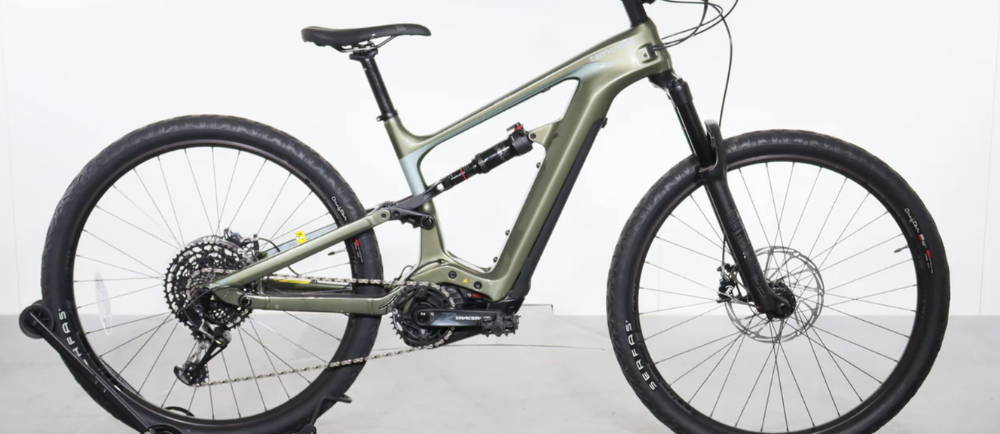
Adventure e-Bikes from Cannondale and Haibike
This is probably the better way to look at the overlap between these brands. Both Cannondale and Haibike make bikes that can handle more than one kind of ride, especially once commuting starts to mix with rougher roads, gravel, and light trail use.
On the Haibike side, that crossover shows up in a lot of the lineup. The TREKKING 5, with its Yamaha PW-S2 motor, 720Wh battery, and 100mm front suspension, is not just a basic commuter. It is closer to a multipurpose bike for riders who want pavement, rougher roads, and longer mixed-surface rides in one package. The ADVENTR SE pushes farther in that direction with full suspension and a Yamaha PW-X3 system, while bikes in the ALLMTN family lean more fully into trail riding.
Cannondale has a strong case here, too. The Tesoro X is a good example of a bike that covers commuting, touring, and mixed-surface riding without going fully into trail-bike territory. Then the Moterra family takes over once the priority becomes actual mountain-bike performance. So this is not really a category where one brand clearly wins. It is more than Haibike's spread that advances the adventure-bike identity across more of its range, while Cannondale keeps a cleaner divide between commuter, mixed-surface, and mountain-bike models.
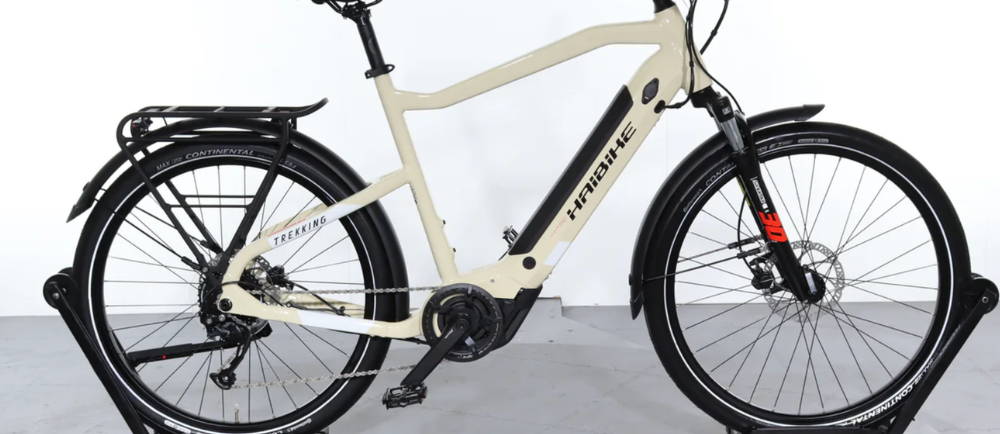
Why Cannondale makes more sense
Cannondale starts to look better once city use, road riding, cargo, and clearer category separation become the main priorities.
If you want a premium city bike, a dedicated cargo bike, a true electric road bike, and a real e-MTB, all clearly separated, Cannondale makes it easier to shop. The Mavaro handles premium urban riding, the Synapse Neo covers electric road use, the Tesoro X takes care of tougher commuting and touring, the Cargowagen Neo is the utility and family-hauling option, and the Moterra family handles mountain-bike use. That lineup is simply easier to read.
Cannondale also has the clearer cargo answer in this matchup. Haibike excels at trail and commuting versatility, but Cannondale offers a dedicated cargo bike with a total capacity of 441 lb. That matters if you are trying to replace car trips rather than just carry smaller everyday loads.
If you want a lineup that covers city, road, cargo, commuter, and mountain use more explicitly, Cannondale is probably the better fit.
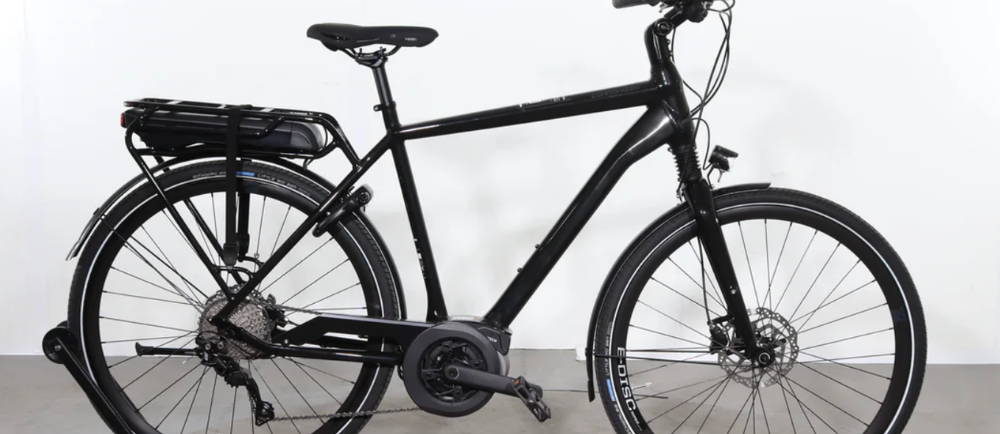
Why Haibike makes more sense
Haibike stands out more when you want one bike to cover more than one kind of riding.
Not everyone wants a commuter that stays on pavement or a mountain bike that only makes sense on the trail. Sometimes you want a bike that can handle the weekday ride, the rough shortcut, the gravel detour, and the longer weekend outing without feeling like you’re on the wrong bike. That’s where Haibike is at its best. The TREKKING, ALLTRAIL, ALLMTN, and ADVENTR families all point toward that same idea.
Cannondale is still the better choice if you prefer more clearly separated categories. Haibike is the better call if you want more crossover between commuting and trail riding.
Why shop on Upway
This comparison shifts once price enters the picture. Cannondale tends to give you a wider spread of city, cargo, commuter, and mountain bikes, while Haibike often leans more toward commuting and e-MTB models. Upway can make either brand a lot more realistic with certified pre-owned pricing.
Upway helps on both sides by offering certified e-Bikes that go through a 50-point inspection, come with a 1-year warranty and a 14-day return policy, and are up to 60% off.
Frequently Asked Questions
Is Haibike mostly an e-MTB brand?
Does Cannondale make more sense for everyday urban riding?
Usually, yes. Cannondale’s city, commuter, and cargo bikes are easier to sort, and models like the Mavaro, Tesoro X, and Cargowagen Neo make that side of the lineup especially clear.
Which one fits better if my rides mix pavement and dirt?
Haibike usually has the edge if dirt, gravel, and rougher terrain are a regular part of the ride. Cannondale is the better fit if you mostly ride pavement but still want some mixed-surface ability.
Key Takeaways
- Cannondale is the better fit if you want a broader bike-shop brand with more clearly defined categories for city, cargo, commuter, and e-MTB riding.
- Haibike makes more sense if you want more crossover between commuting, trail riding, and everyday use.
- Upway is worth a look if certified pre-owned pricing is what makes either brand more attainable.