The poll found a mix of interest and concern. Half of parents saw e-Bikes as useful transportation when a car isn’t available, while 49% saw them as fun and 45% said they can help get kids outside and active. At the same time, 65% considered e-Bikes more dangerous for a typical teen than conventional bikes. Only 6% of parents described themselves as very informed about the different types of e-Bikes.
New Poll Finds Most Parents Don’t Know Much About E-Bikes, Rules & Safety
Written by: Chris Van Leuven | September 25, 2026 | Time to read: 6-7 min
A new national poll finds most parents know little about e-Bike types, rules, and safety. Here’s what families should know before kids ride.

More about the Author: Chris Van Leuven
Chris is a writer, climber, and founder of Yosemite E-Biking in Mariposa, CA. When he’s not tackling Sierra Foothills trails or scaling rock walls, he’s crafting adventure stories with his boxer, Fenster. His work has appeared in Outside, Men’s Journal, Gripped, and Best American Sports Writing.
E-bikes are growing in popularity across the US; parents see them, and their kids ride them. But according to a new national poll, many parents still don’t know much about the different types of e-Bikes or even where they’re supposed to be ridden. In this blog, I’ll look at what parents said about e-Bikes, where the biggest knowledge gaps are, and what families should know before putting a teen or pre-teen on one.
👋 Welcome to Upway!
Upway is your top destination for buying and selling e-Bikes online. Discover your next e-Bike at up to 60% off retail prices, available in new or like-new condition.
Table of Contents
Parents See E-Bikes Everywhere, But Don’t Know Much About Them
A new national study released this week shows just how large that knowledge gap is. The C.S. Mott Children’s Hospital National Poll on Children’s Health, released September 21, 2026, surveyed 1,234 parents with at least one child ages 11 to 18. The nationally representative poll, conducted in July 2026, found that most parents know little about the different types of e-Bikes and many aren’t sure where they’re supposed to be ridden. Only 6% of parents surveyed said they were very informed about the different types of e-Bikes, while 45% said they didn’t know where e-Bikes are supposed to be ridden.
E-Bikes aren’t exactly new to the parents in this survey. More than half (55%) said they often see e-Bikes in their community. Another 30% see them occasionally. Just 15% said they never see them. Thirty-five percent of parents said someone in their family has ridden an e-Bike. That included 20% with a teen who had ridden one and 8% with a pre-teen.
But seeing an e-Bike isn’t the same thing as understanding it. A lower-speed pedal-assist bike isn’t necessarily the same proposition for a young rider as a faster Class 3 e-Bike. Age restrictions can also depend on the class and where you live.
Upway’s Can Kids Ride Electric Bikes? goes further into those differences and the state rules parents should check before letting a child ride.
Parents See the Benefits, Too
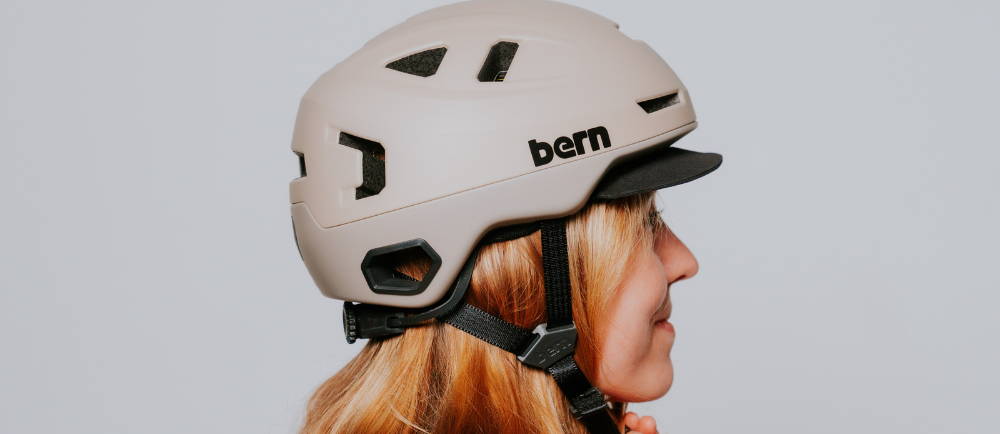
The poll isn’t just a list of what parents worry about. Half said an e-Bike can give a child or teen transportation when a car isn’t available. Almost as many, 49%, saw them as fun, while 45% liked the idea of getting kids outside and active. Another 35% said e-Bikes could give young people more freedom to get where they want to go.
For a teenager who can’t drive yet, an e-Bike can mean getting to school, work, practice, or a friend’s house without asking for a ride each time. It can also make longer bike trips more realistic. Parents in the poll saw that upside. But they were less certain about the bike’s speed, weight, and rules.
What Parents Think About E-Bike Safety
Safety was the biggest concern in the poll. 82% of parents identified rider injury as a downside of e-Bikes. 62% were concerned about injuries to pedestrians, and 56% pointed to drivers who aren’t used to sharing the road with e-Bikes.
Parents were also asked to compare e-Bikes with other things teenagers do. For a typical teen, 65% said an e-Bike is more dangerous than a regular bike. But that number looks different when you compare e-Bikes with driving, skateboarding, or riding an ATV. Only 36% rated e-Bikes as more dangerous than driving a car. Thirty percent said they were more dangerous than skateboarding, and 13% considered them more dangerous than riding an ATV or other off-road vehicle.
Speed is only part of it. Traffic, experience, helmet use, bike size, and where someone rides matter too. A bike that’s too tall or heavy for a young rider can create problems before speed even comes into play.
Helmet rules aren’t the same everywhere, either. Upway’s e-Bike helmet requirements by state breaks down the legal aspect. For a young rider, a properly fitted helmet should be part of the setup, regardless of the minimum local requirement.
Nearly Half of Parents Don’t Know Where E-Bikes Belong
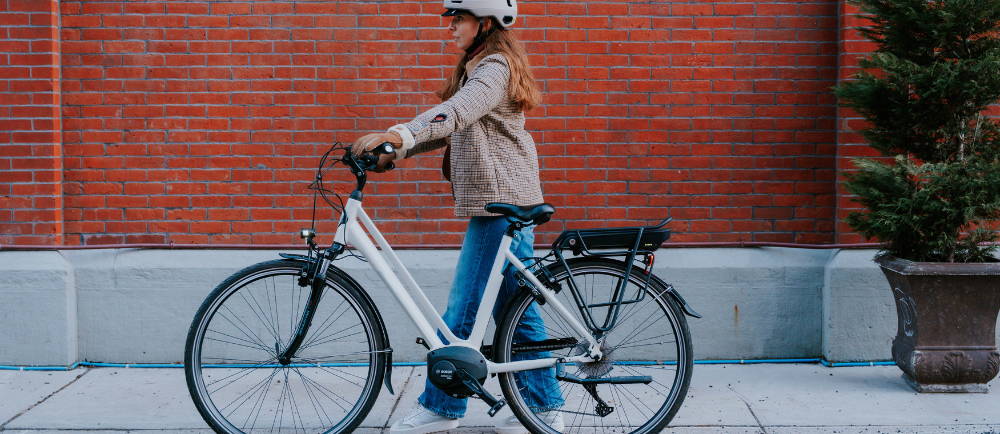
45% of parents said they don’t know where e-Bikes are supposed to be ridden. Among the rest, 29% said bike lanes, 11% sidewalks, 10% the edge of the road, and 5% the traffic lane with cars. There’s no single easy answer. E-Bike laws vary by state, and sometimes by city. The rules can also change depending on whether you’re talking about a Class 1, Class 2, or Class 3 e-Bike.
For parents, that’s worth checking before the first ride, not after a kid gets stopped or ends up somewhere they shouldn’t be. There’s also the practical side. A route may legally allow an e-Bike and still be a poor choice for an inexperienced rider because of traffic, intersections, visibility, or a lack of bike infrastructure.
Knowing the E-Bike Class Matters
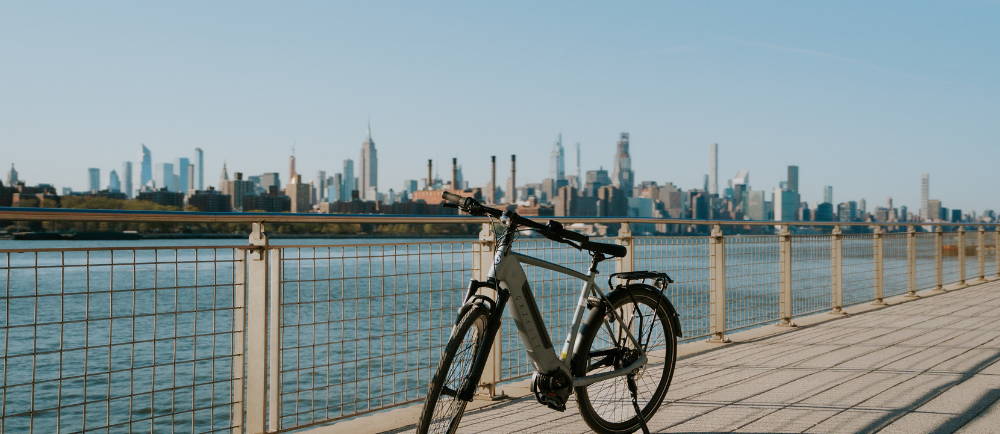
The Mott Poll points to the three-class system as a good place for parents to start. Class 1 and Class 2 e-Bikes provide assistance up to 20 mph, although Class 2 bikes can use a throttle. Class 3 e-Bikes provide pedal assistance up to 28 mph. Those differences matter for younger riders. Speed, throttle use, and e-Bike class can affect where you can ride and whether age restrictions apply. Those differences matter with a younger rider. Speed, throttle use, and e-Bike class can affect where the bike can be ridden and whether age restrictions apply.
Parents Want Rules and Guidance, Not a Ban
Only 11% of parents strongly supported a complete ban on e-Bikes. Far more supported clearer rules and safety measures. Eighty percent strongly supported helmet requirements. 68% supported labels showing minimum ages for different types of e-Bikes, while 63% wanted clearer markings showing where e-Bikes should be ridden. Another 59% strongly supported requiring riders to be at least 18 for the most powerful e-Bikes, and 57% supported required safety training. The numbers point more toward clearer guidance than a ban. Parents aren’t rejecting e-Bikes. They’re asking for clearer rules around how kids use them.
As Mott Poll co-director Sarah Clark put it in University of Michigan Health’s coverage, parents are asking to “help us figure out how to use them [e-Bikes] safely.”
Some of that starts at home. Before a young rider heads out, parents should know the bike’s class and assisted speed, check the applicable age and helmet rules, and understand where that particular e-Bike can legally be ridden. Then there’s the kid. Is the bike manageable? Do they have enough experience to deal with traffic? Can they make good decisions when they’re moving faster than they would on a regular bike? Those questions matter more than treating every e-Bike, and every kid riding one, as if they’re the same.
Frequently Asked Questions
What did the Mott Poll find about e-Bikes and teens?
How old does a child have to be to ride an e-Bike?
There isn’t one nationwide minimum riding age that applies to every e-Bike. State and local rules vary, and restrictions can depend on whether the bike is Class 1, Class 2, or Class 3.
Should kids wear helmets on e-Bikes?
Helmet laws vary by state and can depend on rider age and e-Bike class. Parents should check the rules where their child will ride.
Key Takeaways
- Most parents don’t know much about e-Bike types. Only 6% of parents in the Mott Poll called themselves very informed, while 67% said they weren’t informed.
- Where to ride is a major source of confusion. Forty-five percent of parents said they didn’t know where e-Bikes are supposed to be ridden.
- Parents largely want better guidance, not an e-Bike ban. Only 11% strongly supported a complete ban, while much larger shares supported helmets, age labeling, clearer riding rules, and safety training.