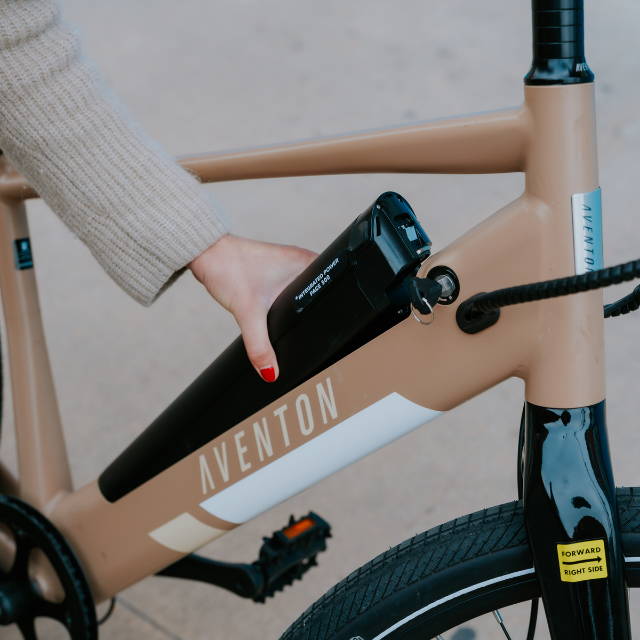
Commonly, a pedal assist sensor (PAS Sensor) has damaged wiring, a stuck brake sensor, low battery voltage, or a controller issue. It's very rarely much more than a dirty bike or broken sensor.
How To Fix A Pedal Assist Sensor On An E-Bike
Written by: Robbie Ferri | June 30, 2026 | Time to read 6 min
One of the strangest feelings on an e-Bike is pedaling as hard as you can and getting absolutely nothing back from the motor. Suddenly, your lightweight commute machine feels more like a gym workout you never signed up for.
More about the Author: Robbie Ferri
Robbie is a UK-based ultra cyclist, former bike shop worker, and qualified bike fitter. Deeply passionate about e-Bikes and adventure cycling, he combines hands-on experience with real-world riding to help others go further on two wheels.
I have always seen pedal-assist sensors like soccer referees. When they’re doing the job right, you don’t really notice them. When they stop working, they cause you a whole load of trouble, and you feel like you're in a game where you can’t win. In this guide, we will troubleshoot possible causes of your pedal assist not working and how to fix it.
👋 Welcome to Upway!
Upway is your top destination for buying and selling e-Bikes online. Discover your next e-Bike at up to 60% off retail prices, available in new or like-new condition.
What Is Pedal Assist?
The pedal assist system detects when you are pedaling and engages the motor. It’s why electric bikes don’t just go forward on their own. These are used on Class 1 and Class 3 e-Bikes, and on some Class 2 e-Bikes, depending on the setup. The pedal assist ensures the bike feels natural, making it feel like you're riding, not on a moped.
How Does A Pedal Assist Sensor Work?
What many e-Bike cyclists don’t know is that pedal assistance works in many ways, depending on the sensors it uses. The more basic bikes typically use a cadence sensor. This is where the bike can sense its rotation and speed and deliver assistance.
The more expensive bikes use a torque sensor, which is a little better. Often seen on e-MTBs and road electric bikes. It can sense the torque through the crank and deliver assistance, often depending on how hard the user presses the pedals.
Common Pedal Assist Sensor Problems and Solutions
Pedal-assistance sensors don’t often fail, which is good news, as you typically won't need to replace them. They are prone to failing for minor reasons, such as misaligned sensors or just getting too dirty.
| Problem | How to Identify It | Solution |
|---|---|---|
| Misaligned Sensor | Motor cuts in and out or pedal assist doesn't engage. | Adjust the sensor so it aligns correctly with the magnet ring. |
| Damaged Magnet Ring | Missing magnets, cracks, or visible damage. | Replace the damaged magnet ring. |
| Dirty Sensor Area | Dirt, mud, or debris around the sensor or magnet ring. | Clean the sensor and surrounding area thoroughly. |
| Loose Connector | Intermittent pedal assist or occasional error codes. | Disconnect, inspect, and reconnect the electrical connector securely. |
| Damaged Wiring | No motor assistance despite the sensor appearing to move correctly. | Inspect the wiring harness and replace any damaged wiring. |
| Faulty Sensor | All visible components appear normal, but pedal assist still doesn't work. | Replace the cadence or speed sensor. |
| Brake Sensor Stuck On | Pedal assist never engages even while pedaling. | Inspect the brake levers and brake cutoff sensors for proper operation. |
| Low Battery Voltage | Motor assistance is reduced or disabled. | Recharge the battery fully before further troubleshooting. |
| Controller Fault | Sensor appears to function normally but the motor never responds. | Professional diagnosis is recommended, as the controller or wiring harness may be at fault. |
| Water Damage | Problems begin after riding in wet weather or washing the bike. | Allow all components to dry thoroughly and inspect connectors for corrosion or moisture. |
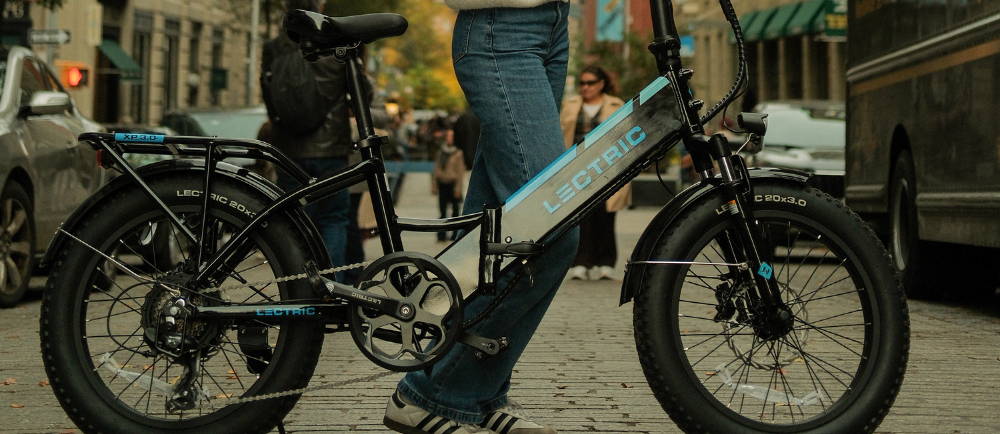
Our Step-By-Step Diagnosis And Fix Guide
It’s all well and good having a troubleshooting guide, but what's the process for finding problems or, even better, fixing them? Here are my recommendations.
Step One: Check The Basics
It’s the simple stuff that gets the better of a bike, so starting with the basics matters. If you can answer yes to the next question, proceed to the next step.
- Is the battery charged?
- Is the bike properly switched on?
- Are there any error codes on the display?
- Are you in the right power mode?
- Do you have sufficient assistance?
Step Two: Clean The Bike
The next step is to clean the bike. So many pedal-assistance issues stem from dirty sensors or magnets. Give the bike a good clean down and avoid pressure washing, as this can make things much worse. Trust me, I learned this the hard way. It’s also going to make the next few steps much easier.
Step Three: Inspect The Magnet Ring Or Torque Sensor
Now it’s time to inspect the magnet sensor. It sits just behind the crank. Check for any cracks, missing magnets, or loose mounting. Also, check the sensor on the pedal crank to make sure it sits in the correct place just shy of the magnets.
If you have a torque sensor, it's often internal, but you can check the area for damage or any wires that might have been snagged or broken. If it all looks ok and you can’t see any problems, move on.
Step Four: Check The Wiring And Brakes
Next, we will check the wires. A wire will come from the magnet sensor. Check that first, then try unplugging it and plugging it back in. Then check the brakes. The brakes have cut-off sensors, and often, when dirty or stuck, they don't let the pedal assist work.
Step Five: Consider The Sensor Is Broken
If everything else checks out and you can’t find fault, then it could be that the sensor itself has just failed. We think it’s best to see an expert for a professional diagnosis before you replace it. Although if you can be certain, it’s not a difficult job.
Is It Time To Upgrade?
Is your bike giving you problems? Maybe it’s time to upgrade. Upway sells pre-owned e-Bikes. These come with a year's warranty and are all professionally and mechanically inspected, with any necessary work completed before they reach you. You can even visit an UpCenter to take a test ride. Check out the bikes.
🤝 Enjoy an even greater discount when you trade in your old electric bike today!
Click here for a price estimation
Frequently Asked Questions
Why is my e-Bike turning on but not providing pedal assist?
Can a dirty pedal assist sensor stop my e-Bike from working?
Dirt, mud, and debris can interfere with cadence sensors and magnet rings. With the crank arm area dirty, the sensor signals to the controller are poor.
Can I replace a pedal assist sensor myself?
Cadence sensors are often inexpensive to replace and not difficult for someone who has worked on a bike before. Torque sensors can be challenging because they are inside the bike's internals and can be quite costly.
Key Takeaways
- Most pedal assist problems are simple: Before worrying about expensive repairs, check for dirt, loose connectors, and damaged components. These are responsible for many pedal-assist and pedal-sensor faults.
- Identify your sensor type: Cadence sensors and torque sensors work differently and can fail in different ways. It's good to know what you're working with before pulling out the tools.
- Work through the system logically: Start with the basics: Clean, battery, display, then move to the sensor, wiring, brakes, and controller. Always work logically and test the bike at each step.