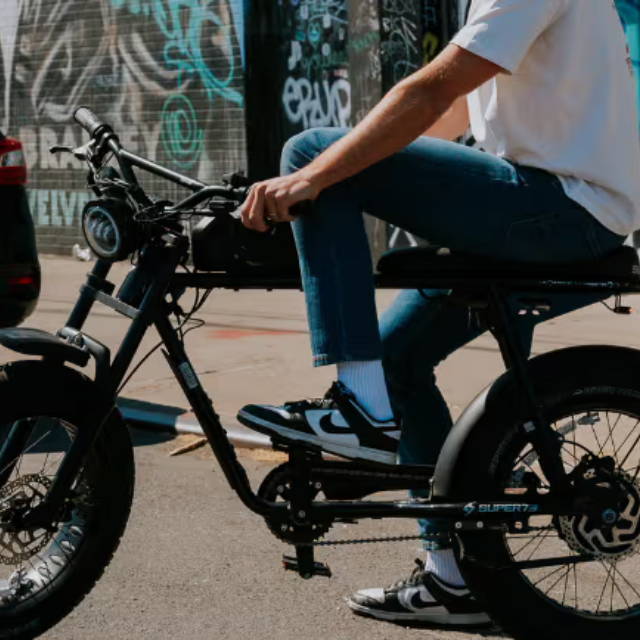
If the brake sensor isn't allowing the motor to engage, you can ride it like a traditional bike for a short time until it's fixed, though we don't recommend it. If the switch is not disengaging the motor and you fight it, don't use the bike.
How to Fix a Brake Sensor on an E-Bike: Causes and Easy Repairs
Written by: Robbie Ferri | June 30, 2026 | Time to read 6 min
E-Bike brake sensors are a little like smoke alarms. You barely notice they're there until they start causing problems. A tiny sensor hidden inside your brake lever can completely disable your motor. The good news is that many brake sensor problems are surprisingly easy to fix.
More about the Author: Robbie Ferri
Robbie is a UK-based ultra cyclist, former bike shop worker, and qualified bike fitter. Deeply passionate about e-Bikes and adventure cycling, he combines hands-on experience with real-world riding to help others go further on two wheels.
As an e-Bike rider, the two main things I need to work perfectly for a successful ride are my motor and brakes. If one doesn’t, I’m in for a very miserable slog of a ride or a surprise stop. You might think the bike's brakes and the motor aren't connected at all, but they are with a brake sensor. In this article, we’re going to tell you the causes of them going wrong and the easy repairs you can do at home to fix them.
👋 Welcome to Upway!
Upway is your top destination for buying and selling e-Bikes online. Discover your next e-Bike at up to 60% off retail prices, available in new or like-new condition.
What Is An E-Bike Brake Sensor?
An e-Bike brake sensor is a small switch that disengages the motor when you pull the brake. If we didn’t have these, the bike would fight itself, pushing you forward while trying to slow you down. If this were the case, it would feel awful to ride, be dangerous, and your Amazon basket would always contain brake pads.
Brakes come in many types, but the two main types you will see on e-Bikes are mechanical disc brakes and Hydraulic brakes. Mechanical brakes are often on basic commuter bikes, and hydraulic brakes are on road and e-MTBs. These differ from your typical bike brakes because they have a sensor cable or sensor wires that can send a brake signal to the bike's controller or even to a brake light.
How Does A Brake Sensor Work?
Brake sensors are actually incredibly simple. You pull the brake, the sensor detects the movement, and a signal is sent to the controller. The controller, the bike's brain, cuts the motor's power. Once the brake is released, the controller allows the motor to engage again.
The brake is not the only way of disengaging the motor. The torque or cadence sensor, when it detects no pedaling, sends a signal that also prevents the motor from engaging. You would be surprised just how safe these e-Bike systems are.
Common Symptoms Of A Faulty Brake Sensor
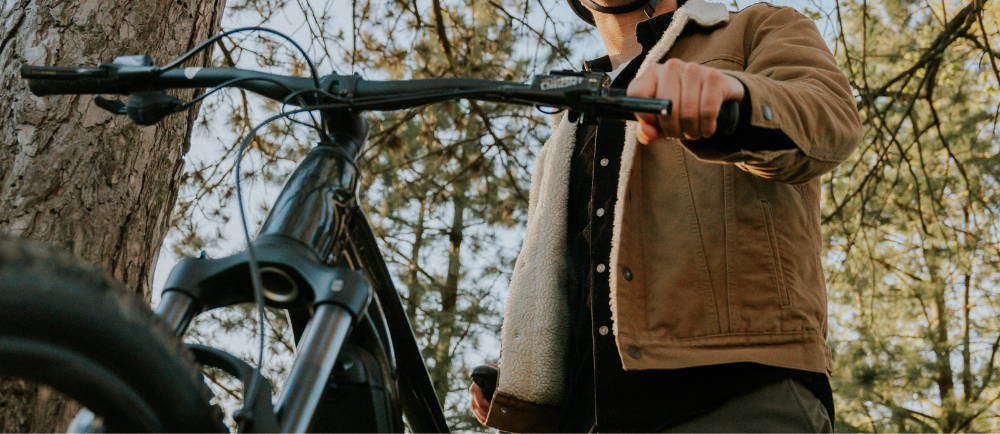
There are some easy tells when a brake sensor is faulty. It can sometimes come as an error code on the screen or come as one of these many symptoms.
- Motor won't engage
- Pedal assist doesn't work
- The throttle doesn't respond
- Motor cuts in and out
- One brake works differently from the other
Troubleshooting Table For Brake Sensors
| Problem | Likely Cause | Solution |
|---|---|---|
| Motor Won't Engage | The brake sensor is stuck in the activated position, so the controller keeps the motor disabled. Most brake cutoff switches are normally open. | Check that the brake lever returns fully and inspect the brake sensor for damage or sticking. |
| Pedal Assist Cuts In and Out | The brake sensor is misaligned or the magnet is not making consistent contact. | Adjust the sensor or brake lever position and ensure the switch activates correctly. |
| Throttle Doesn't Work | The controller believes the brakes are permanently applied or there is a brake sensor wiring fault. | Inspect the brake sensor, wiring, and connectors for damage or loose connections. |
| Motor Cuts Out While Riding | A loose connector or damaged wire is interrupting the brake sensor signal. | Inspect all wiring, reconnect loose plugs, and replace damaged cables if required. |
| Problems After Riding in Heavy Rain | Water has entered the brake sensor or electrical connectors, causing communication faults. | Allow the system to dry thoroughly, clean the connectors, and inspect for corrosion. |
| Brake Lever Feels Sticky or Slow to Return | Dirt, corrosion, or lack of lubrication is preventing the lever from returning fully. | Clean and lubricate the brake lever pivot and ensure the lever returns freely. |
| Brake Sensor Is Physically Damaged | Impact damage from a crash or normal wear over time. | Replace the brake sensor or, if integrated, replace the complete brake lever assembly. |
| Motor Only Works With One Brake Lever | One brake sensor has failed while the other is functioning normally. | Test each brake individually to identify the faulty side, then repair or replace the affected sensor. |
| Everything Looks Normal, but There's Still No Assistance | The brake sensor may be operating correctly, but another electrical component—such as the controller or wiring harness—has developed a fault. | Rule out the brake sensor first, then seek a professional diagnosis if the problem persists. |
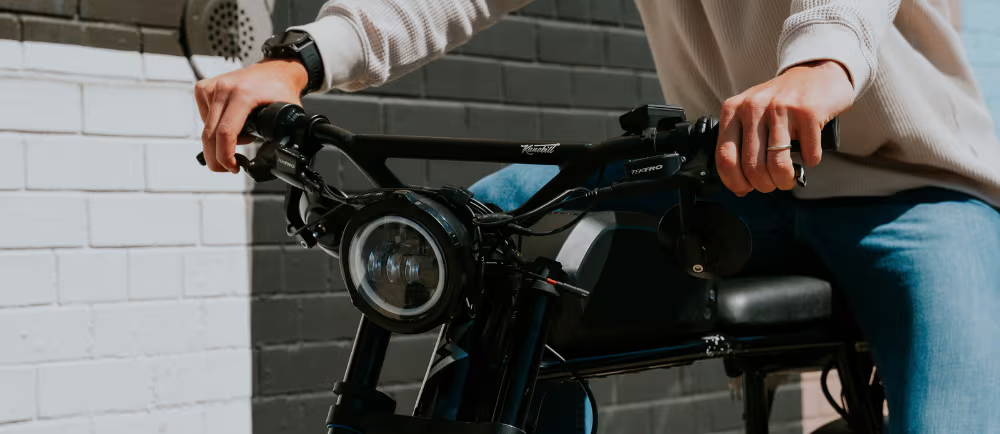
How To Fix A Faulty Brake Sensor
- Clean the brake lever, sensor, and connectors to remove dirt and debris.
- Check the brake lever returns fully and isn't sticking or damaged.
- Inspect the brake sensor for cracks, loose mounting, or poor alignment.
- Check the wiring for loose connectors, bent pins, corrosion, or damaged cables.
- Test the bike to make sure the pedal assist, throttle (if fitted), and brake cut-off all work correctly.
When Should You Replace The Whole Brake Lever?
If the above doesn’t fix the brake sensor, you might want to consider a complete replacement, since the sensor is often built into the brake itself. If the unit is damaged, it needs to be replaced regardless.
With cable (mechanical) brakes, it’s pretty simple and can be done with basic tools and patience. With hydraulics, you might need to bleed the system, which is much more complex and requires a professional or a seasoned mechanic.
How Much Does It Cost To Fix A Brake Sensor?
A brake lever unit often costs between $25 and $100, depending on the brand and whether it includes the caliper and fitting kit. Fitting, you are looking at anywhere from $50 to $150, depending on whether the bike is internally or externally cable-routed and if the system needs bleeding.
Is It Time To Upgrade?
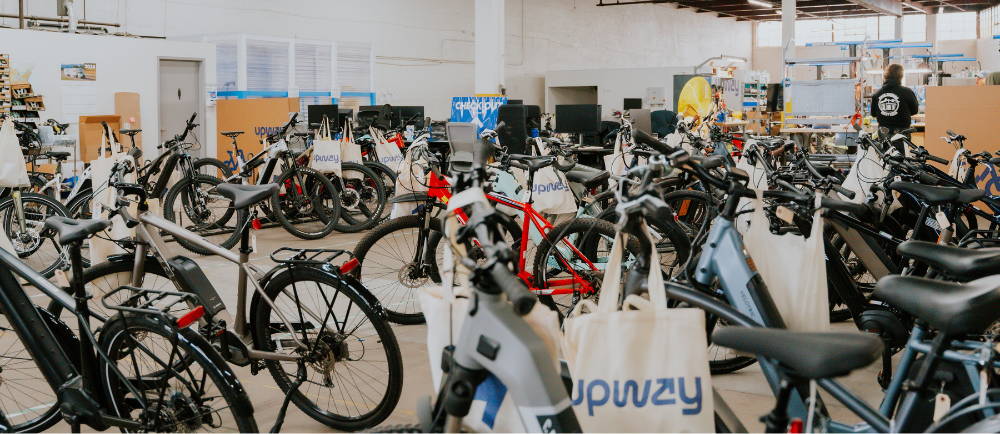
Is your bike giving you problems? Maybe it’s time to upgrade. Upway sells pre-owned e-Bikes. These come with a year's warranty and are all professionally and mechanically inspected, with any necessary work completed before they reach you. You can even visit an UpCenter to take a test ride.
🤝 Enjoy an even greater discount when you trade in your old electric bike today!
Click here for a price estimation
Frequently Asked Questions
Can I ride my e-Bike with a faulty brake sensor?
Can dirt affect a brake sensor?
Mud, dust, and grime can prevent the brake lever from returning fully or mess with the sensor itself. A clean bike is a happy bike, people!
Do all e-Bikes have brake sensors?
Most modern e-Bikes do, especially those fitted with throttles or more powerful motors. They are really important to have on e-Bikes, not just for safety but also for a better riding experience.
Key Takeaways
- Brake sensors are small but important: A tiny brake sensor plays a huge role in rider safety by instantly cutting motor power whenever you apply the brakes.
- Many problems have simple fixes: Sticky brake levers, dirty sensors, loose wiring, and poor connections are all common causes of brake sensor faults and can often be fixed at home.
- Diagnose before you replace: Always inspect the brake lever, sensor, and wiring before buying new parts. A logical approach can save you both time and money.