Beyond regular at-home maintenance, scheduling routine professional tune-ups helps catch small issues before they become costly repairs. Always check your owner’s manual for the manufacturer’s recommended service intervals and follow those guidelines. If none are listed, base your servicing frequency on how often you ride—frequent riders need more regular checkups.
Tune-ups: Include inspection, adjustments, and minor repairs to keep all systems running smoothly. Aim for one every few months.
Full overhauls: A complete teardown and rebuild of your e-bike’s components, only necessary when recommended by a qualified technician.
How Much Does a Used E-Bike Really Cost to Own?
Written by: Rémy Rossi | November 30, 2025 | Time to read 4 min
From battery swaps to tune-ups and transit savings— I’ll break down the true price of riding an electric bike.

More about the Author: Rémy Rossi
Rémy Rossi is a bike writer, mechanic, and educator who got his start in community-based bike shops and co-ops. With a decade in the industry, he still wrenches on bikes when he can and plays bike polo on a fixie.
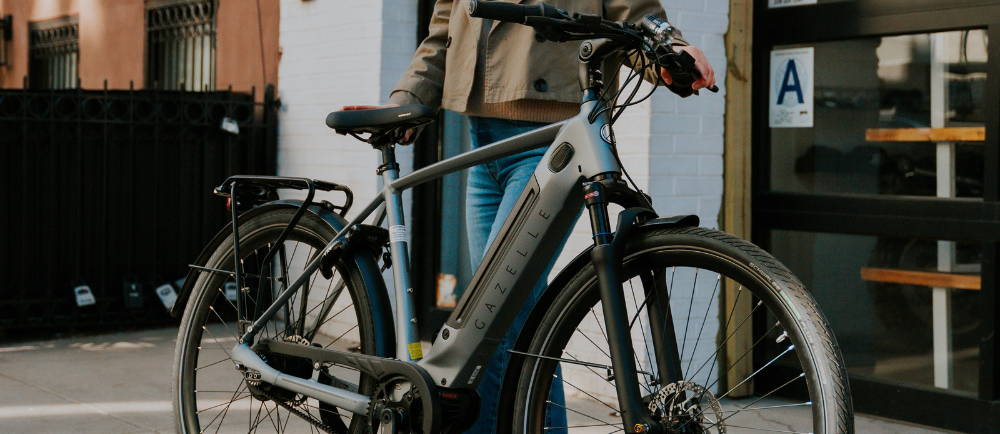
Taking proper care of your electric bike requires forking over some cash occasionally, and charging the bike costs a few cents, too. It’s a good idea to know what to expect in terms of maintenance costs and the actual price of operating an e-Bike, though you’ll definitely be saving a bucketload compared to driving or public transit. I’ll break down all the costs related to owning an electric bike— the long-term savings may surprise you.
How much do electric bikes cost?
Electric bikes cover a very wide price range, depending on their motor, battery, frame, and features. You can find quality used e-Bikes starting at around $900, while most quality city, road, or commuter e-Bikes sit between $2,000 and $4,000 new. At the high end, cargo e-Bikes, premium e-mountain bikes, or performance models can exceed $9,000. Buying used from a trusted retailer like Upway can significantly reduce the price of an electric bike.
This, of course, relates to the initial cost of owning an electric bike. The purchase price is the largest investment you’ll have to make, and it’s often much higher than traditional bicycles. Upway sells refurbished electric bikes from top brands at up to 60% their retail price, certified by professional mechanics, and covered by a 1-year warranty.
This, of course, relates to the initial cost of owning an electric bike. The purchase price is the largest investment you’ll have to make, and it’s often much higher than traditional bicycles. Upway sells refurbished electric bikes from top brands at up to 60% their retail price, certified by professional mechanics, and covered by a 1-year warranty.
How much does e-Bike maintenance cost?
E-Bikes can be more expensive and complex to service due to their electrical systems. Many shops charge hourly for this specialized work, with labor rates typically ranging from $135 to $165 per hour, noticeably higher than those for standard bikes.
But for the most part, maintaining an electric bike is much like caring for a traditional bicycle. Most routine repairs— brake adjustments, replacing pads or tires, and installing new components— are purely mechanical, and regular cleaning goes a long way in keeping everything running smoothly.
Yearly upkeep for an e-Bike is generally quite affordable, and it’s a good idea to prevent larger, costlier issues down the road. Most riders may spend about $200 to $300 per year on a tune-up, minor part swaps, and basic cleaning supplies to keep their bike in good shape. A larger long-term expense to consider is eventually replacing the battery, which can run $500 to $800 after a few years of regular use.
But for the most part, maintaining an electric bike is much like caring for a traditional bicycle. Most routine repairs— brake adjustments, replacing pads or tires, and installing new components— are purely mechanical, and regular cleaning goes a long way in keeping everything running smoothly.
Yearly upkeep for an e-Bike is generally quite affordable, and it’s a good idea to prevent larger, costlier issues down the road. Most riders may spend about $200 to $300 per year on a tune-up, minor part swaps, and basic cleaning supplies to keep their bike in good shape. A larger long-term expense to consider is eventually replacing the battery, which can run $500 to $800 after a few years of regular use.
🤝 Get an even better discount when you trade in your electric bike now!
Click here for a price estimation
Can you save money on electric bike repairs?
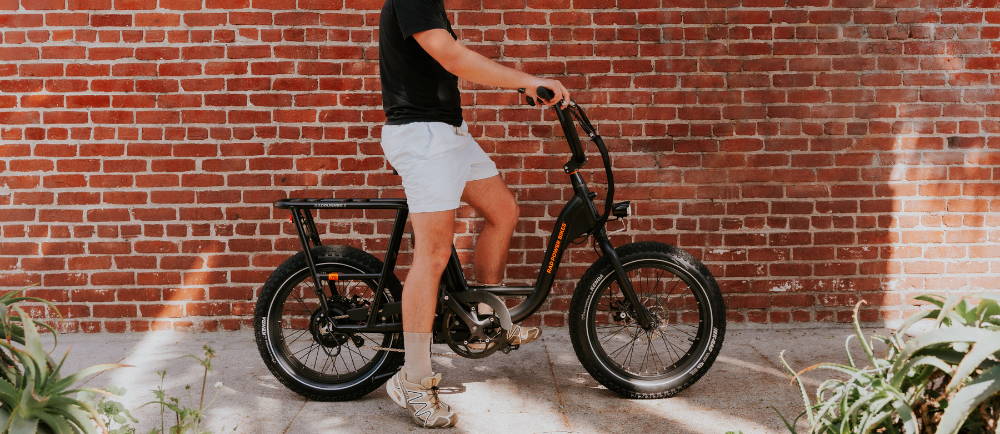
Handling repairs on your own can cut costs, deepen your understanding of your e-Bike, and help you become a confident home mechanic. Just be cautious— working without the right tools or know-how can make issues worse and lead to pricier fixes later on. Bike shops are a valuable resource, and many now specialize in e-Bike service.
Ways to spend less on e-Bike repairs:
- Invest in a home tool kit
- Use a multimeter to check the battery
- Make brake and shifting adjustments yourself
- Buy good-quality, not race-quality parts
- Seek professional help when required
Can riding an e-Bike save me money?
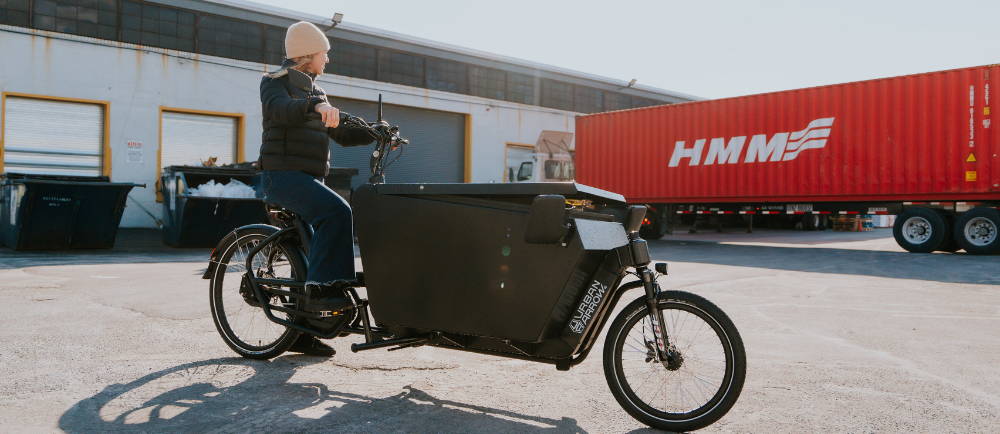
Regularly replacing car or public transit trips with an electric bike can lead to long-term savings. An e-Bike comes with a decent initial cost up front when you buy the bike, but maintenance costs and charging costs are much lower than car repairs or daily public transit fares.
A previous study by the E-Bike 1000 MPG Project compared costs, range, and emissions across transportation options. Researchers found that it costs just $0.22 for an electric bike to travel 100 miles— that equates to only a few cents per full charge.
In contrast, charging an electric car averages $4.46 per 100 miles— over 21 times the cost of powering an e-Bike. Fueling a gas car is even steeper at $14.69 per 100 miles— roughly 68 times more expensive than charging an electric bike. Public transit can cost several dollars per day, whereas an entire commute on an electric bike requires just a few cents in electricity costs. Riding an e-Bike is better for the planet, and it is also a much more cost-effective way to get around than driving or using other forms of transit.
A previous study by the E-Bike 1000 MPG Project compared costs, range, and emissions across transportation options. Researchers found that it costs just $0.22 for an electric bike to travel 100 miles— that equates to only a few cents per full charge.
In contrast, charging an electric car averages $4.46 per 100 miles— over 21 times the cost of powering an e-Bike. Fueling a gas car is even steeper at $14.69 per 100 miles— roughly 68 times more expensive than charging an electric bike. Public transit can cost several dollars per day, whereas an entire commute on an electric bike requires just a few cents in electricity costs. Riding an e-Bike is better for the planet, and it is also a much more cost-effective way to get around than driving or using other forms of transit.
Brakes should always work— and when they don’t, that’s a problem. Keep an eye on your brakes whenever you ride, listening for any noises, squeaks, squeals, or squishy feeling that may indicate there’s a loss of performance. Most electric bikes these days have hydraulic disc brakes, which are famously low-maintenance— perfect for beginner riders and e-Bike newbies. Brake bleeding is a complex bit of bike mechanics, so feel free to take your bike to the shop if it’s necessary.
Frequently Asked Questions
How often should I maintain my bike?
Should I charge my e-Bike after every ride?
Yes— keeping the battery fully or nearly fully charged ensures you have enough range for your next range and maintains optimal battery charge levels. Modern batteries are much better equipped to avoid problems from overcharging.
How do I keep my e-Bike battery healthy?
Store the battery at or around room temperature and avoid prolonged exposure to the elements or extreme cold which can decrease performance. For long-term storage, try to keep the charge level between 30%-80%. Charging the battery after every ride is perfectly fine, too.
Key Takeaways
- Purchase price varies widely: Quality used e-Bikes start around $900, while new city, commuter, and performance models can reach $4,000–$9,000. Buying refurbished from Upway can save up to 60%.
- Maintenance is manageable: Routine upkeep averages $200–$300 per year, but specialized e-Bike work can cost $135–$165/hour. Batteries may need replacement after a few years ($500–$800).
- Big savings on transportation: Charging an e-Bike costs just cents per 100 miles, far less than fueling a car or paying for transit, making it both eco-friendly and budget-smart.