Most states make rules based on the 3-class system. There’s not a huge difference in the rules between states. It’s more about trail access than speed limits.
E-MTB Laws by State in the US: What Changes and What Doesn’t
Written by: Robbie Ferri | February 16, 2026 | Time to read 6 min
Many riders buy an e-MTB assuming it’s legal everywhere, only to discover that trail rules vary by state and even by park. This guide explains what actually changes.
More about the Author: Robbie Ferri
Robbie is a UK-based ultra cyclist, former bike shop worker, and qualified bike fitter. Deeply passionate about e-Bikes and adventure cycling, he combines hands-on experience with real-world riding to help others go further on two wheels.
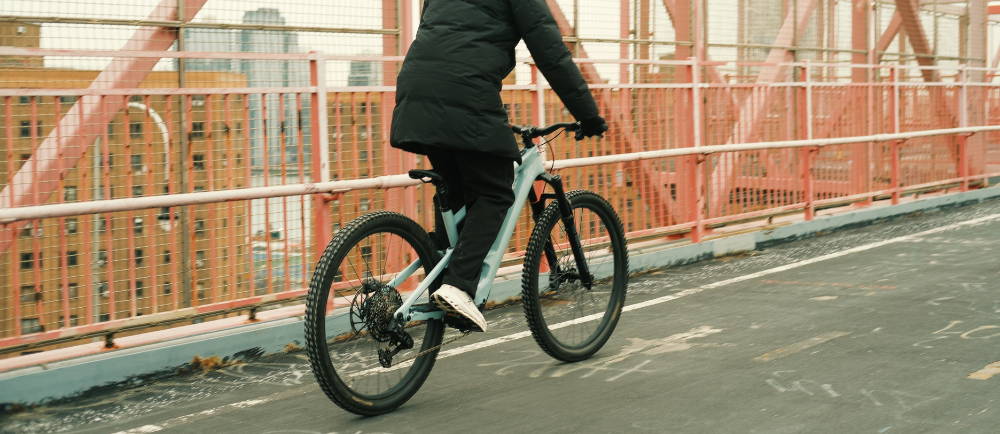
Are you concerned about being chased off a trail because you have crossed a state line on your e-MTB? Well, you shouldn’t be. US e-MTB laws are far more consistent than most cyclists think. Most of the confusion comes from the trail access rules.
This article is going to tell you everything that you need to know about what changes from state to state and what doesn’t. Let’s take the confusion out of it and make it easy for you to stay legal and comply with electric bicycle laws.
👋 Welcome to Upway!
Upway is your top destination for buying and selling e-Bikes online. Discover your next e-Bike at up to 60% off retail prices, available in new or like-new condition.
What is the 3-Class System and Why Does It Matter?
Before we go any further into this article, it’s vital to learn the three-class system for electric bikes. This is heavily influenced by state law, making it much simpler to understand the rules and regulations. States will use these classes to tell you where you can and cannot ride. These are not relevant to motor wattage. They are more about the practical e-Bike use.
Class 1 Electric Bikes
The Class 1 electric bikes are the most common you will come across. What makes them Class 1 is that the motor only engages when the rider is pedalling. When they stop the motor switches off, and the bike slows right down. Great for safety and really easy to use.
Class 2 Electric Bikes
Class 2 electric bikes are throttle-driven bikes. This means when you press the throttle, the motor kicks in and helps you. Not requiring the need to pedal. Just like a twist-and-go moped, for example. These are generally limited to 20mph or even 15 in certain countries. They mostly follow the same rules as traditional bicycles and are ok to use on bike paths, bike lanes, and multi-use paths.
Class 3 Electric Bikes
Finally, we have Class 3 electric bikes. These bikes are pedal-assist only and can reach 28mph. This is very fast on the road, on a trail, it's pretty wild, and above some speed limits. Class 3 is the top electric bike capability, which is legal to use in the US. Anything above a Class 3 is often referred to as a motorized vehicle.
Upway only sells Class 1, 2, and 3 e-Bikes. If you’re looking for a new bike shop here!
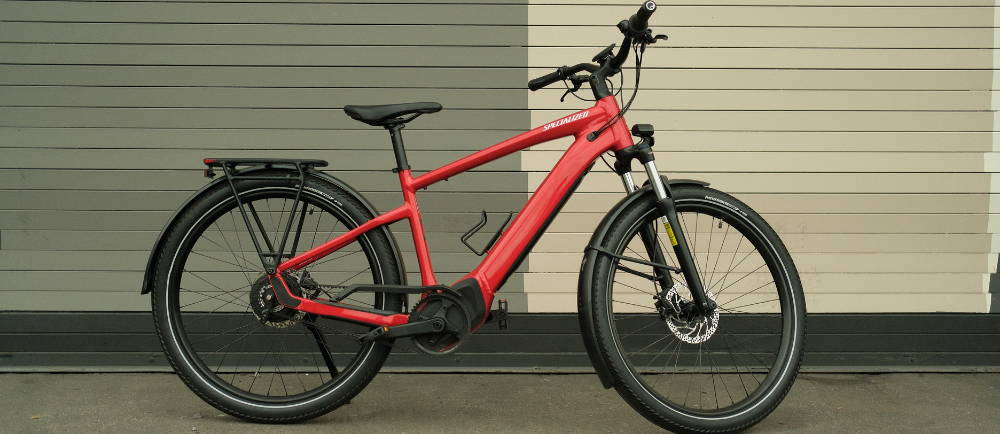
Why Is My E-MTB Restricted?
The reason you buy an e-MTB is that it’s restricted to ensure it falls into the correct class. Some cyclists like to unrestrict, but it’s not advised. More load on the motor and battery, and much more risk on the trails.
Motorized bicycles that don't fit into Class 1, 2, or 3 are motorized vehicles that must follow helmet laws, require an operator's license, meet registration requirements, abide by certain safety standards, and even have insurance requirements.
What Actually Changes from State to State for E-MTBs
State rules are constantly changing, and we would be updating this blog daily to keep you updated, but for better understanding, here’s what typically changes;
- Whether Class 1 e-MTBs are allowed on natural trails
- Whether Class 2 throttles are allowed off-road
- Class 3 access restrictions
- Helmet rules (often for Class 3)
- Age limits (usually Class 3 only)
Some states are very strict, while others are much more e-Bike-friendly. We highly recommend checking the laws in the state you're in to ensure you are riding legally whenever you're out riding.
What States are Strict on E-MTBs and Which are Not?
Let’s dig deeper into which states we feel are quite strict with state regulations and which we feel are more lenient. Here’s what you need to know.
Openly Accepting
These states are generally the most e-MTB-friendly, especially for Class 1 pedal-assist bikes.
- California
- Colorado
- Utah
- Washington
- Oregon
- Arizona
- Nevada
- Idaho
- Montana
- Wyoming
Proceed With Caution
In these states, checking the trail website before riding is essential.
- Texas
- New Mexico
- Alaska
- Florida
- Georgia
- South Carolina
- North Carolina
- Virginia
- Pennsylvania
- New York
- Maine
- New Hampshire
- Vermont
- Tennessee
- Kentucky
- Arkansas
- Missouri
- Oklahoma
- Kansas
- Nebraska
- South Dakota
- North Dakota
Very Strict
E-MTB access is often limited, heavily controlled, or restricted on natural-surface and shared-use trails.
- Massachusetts
- New Jersey
- Connecticut
- Rhode Island
- Maryland
- Delaware
- Ohio
- Michigan
- Indiana
- Illinois
- Wisconsin
- Minnesota
- Iowa
- Louisiana
- Mississippi
- Alabama
- West Virginia
Disclaimer! This guide reflects general e-MTB rules and access trends across the US. Laws and trail access can vary by state, park, and trail system, and may change over time. Local land managers always have the final say on legal operations, so check official trail rules before riding. The same goes for bicycle paths, other multi-use paths, and public lands.

Federal vs State vs Local E-MTB Laws
In the US, E-MTB rules work on three general levels. Federal law divides e-Bikes into 3 classes. State law governs what those classes can do in those states. Local land managers have the final say on what is allowed and what isn't. This is why e-MTB laws become confusing. To check rules, we recommend these routes:
- Trail website
- State park website
- Local MTB association
- Trailhead signage
- Ranger station/park office
- Forest Service
🤝 Enjoy an even greater discount when you trade in your old electric bike today!
Click here for a price estimation
Frequently Asked Questions
Are e-MTB laws really different across US states?
Can I ride my e-MTB on any mountain bike trail?
It’s up to the owner of the trail or the person responsible for it, whether you are allowed to ride on it and what class is allowed.
Are Class 3 e-Bikes allowed on MTB trails?
More than likely, it’s a no, especially on shared trails. Class 3 e-MTBs are incredibly powerful and just not safe around other trail users. Class 1 is often the better choice for an e-MTB over Class 3.
Key Takeaways
- Most US states follow the same e-MTB rules, but trail access is controlled locally, which is where most confusion comes from.
- Class 1 e-MTBs offer the widest access nationwide, making them the safest choice if you want fewer restrictions and fewer headaches. Many riders want a Class 3 bike, but the Class 1 is much safer.
- Throttle bikes, Class 3 bikes, and high-power e-motos are considered motorized vehicles and face the most restrictions, especially on natural and shared-use trails.