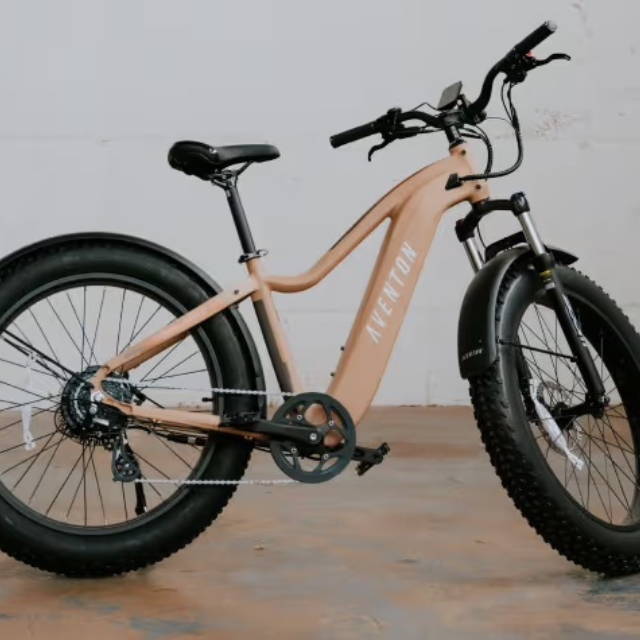
Fat bike tires use the lowest pressure due to their high volume and usage on difficult terrain. Pressures for fat bike tires typically range from 1 PSI to 30, with the latter only coming into play if you take ot onto asphalt.
How to Find the Correct Tire Pressure For Fat Tire Bikes
Written by: Nick Cowie | May 20, 2026 | Time to read: 5 min
Fat bikes are great for adventurous riding, but riding through snow, dirt, rocks, and asphalt all require different properties in your tires. Here, we will discuss what the best tire pressure for your fat bike is and how to measure it.

More about the Author: Nick Cowie
Nick is a writer with seven years of experience in the cycling industry. In his free time, he enjoys swimming, Jiu Jitsu, and spending time outdoors.
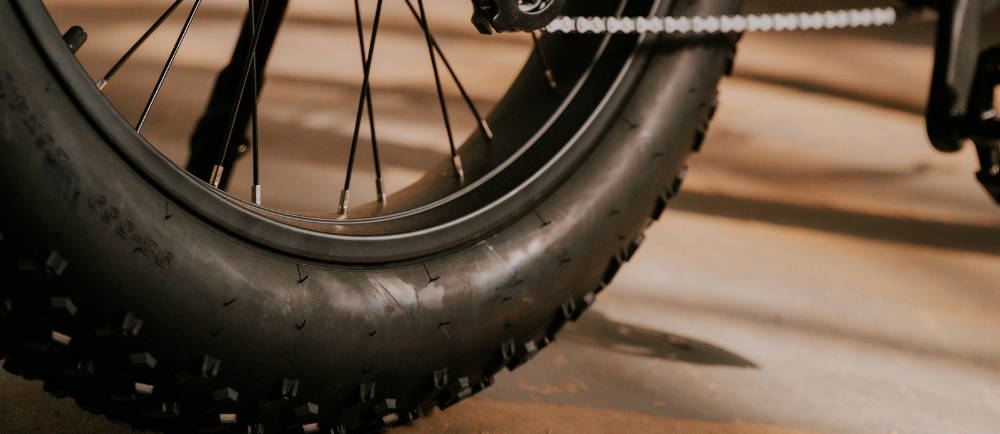
Riding a fat bike comes with a lot of variables. It is the one type of bike that can take on virtually any terrain type imaginable. Which one you are riding on is very important when it comes to tire pressure. Fat bikes are about having fun and feeling great. Your tires are a large factor in how you feel when you ride.
Below, I will examine different riding situations and rider types and determine what kind of pressure your bike tires need.
👋 Welcome to Upway!
Upway is your top destination for buying and selling e-Bikes online. Discover your next e-Bike at up to 60% off retail prices, available in new or like-new condition.
Table of Contents
What kind of terrain are you riding?
Fat bikes do it all. They can be ridden on sand, snow, rocky terrain, dirt trails, and asphalt. Each one of these terrains requires a different tire pressure for optimal performance. The key is to make sure that as much surface area of the tire makes contact with the terrain as possible. Think about what terrain type you are about to ride and adjust accordingly.
- Soft sand and snow: Riding across soft and or deep, powdery snow can cause a sinking feeling. This is when you want your fat tire pressure at its lowest. Keep your tires around 1-5 PSI to float over the soft terrain rather than sink into it.
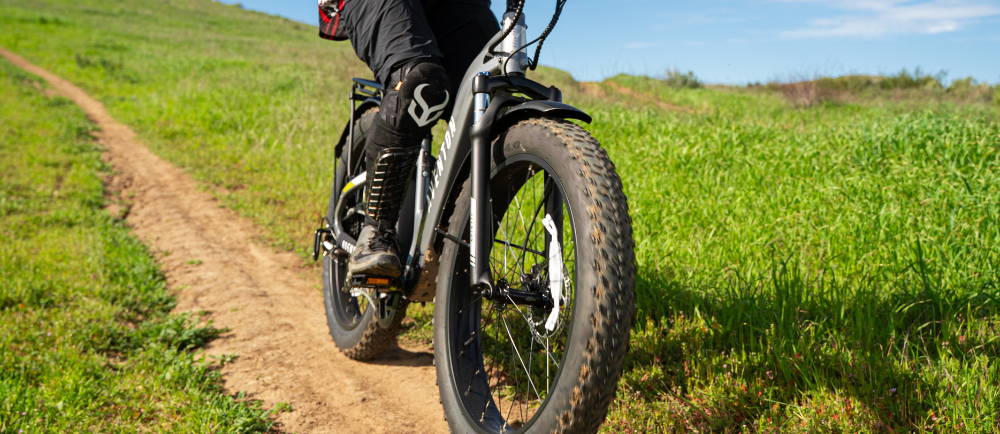
- Dirt and trails: More forgiving trails use lower tire pressure since you are dealing with a softer and smoother surface. 4-8 PSI is ideal for these situations, so you can remain comfortable but still feel stable.
- Technical trails: When trail conditions like rocks and roots come into play, you need a bit more pressure to bounce off your obstacles. 6-10 PSI will keep you nimble and better protected from punctures and pinch flats if technical fat biking is your riding style. Fat mountain bikes and electric bikes often fall in this zone.
- Roads and hardpack: If you take your fat bike onto the road or less technical terrain, you can up the PSI to 15-30. This will take away the sluggish feeling that lower pressures might give you on the road.
Recommended PSI
| Terrain | Suggested Tire Pressure |
|---|---|
| Soft sand and snow | 1-5 PSI |
| Dirt and regular trails | 4-8 PSI |
| Technical trails | 6-10 PSI |
| Roads and hardpack | 15-30 PSI |
Other variables to consider
Choosing a tire pressure for your fat bike is more intricate than identifying terrain. Your riding style factors in, as well as other environmental conditions, and the type of tire you have. Consider every factor before pumping.
- Rider size: The rider’s weight plays a big role in tire pressure. Heavier riders will need more pressure to feel comfortable. Take the higher end of the pressure range given above if you and your bike weigh more than average for proper shock absorption.
- Temperature changes: Cold weather can slightly reduce fat tire pressure, so if you plan to ride in the snow, make sure you calculate potential PSI changes. Conversely, hot days can increase pressure. Due to the low pressure at which fat tires are run, these small changes are more significant than they are for most tires.
- Type of tire: Fat bikes typically use durable tubeless tires. This means that they are puncture-resistant, even at lower pressures, making low PSI okay. Make sure you factor in the width of your tire as well. A wider tire will require less pressure than a narrower tire.
💸 Want to sell your electric bike?
- In case you didn't know yet, you can sell your e-Bike to Upway and get your cash in 3 simple steps.
- Want an estimation -> It takes only 2 minutes to complete this form
How do I get the right pressure?
Finding the exact tire pressure you want can be a challenge. Luckily, the bike industry is full of cool tools for everyone! Fat bike riders need slightly different pumps than the rest of us for perfect measurements, and can also use their hand on the fly to estimate fat bike tire pressure.
- Low-pressure gauges: When you are running tires at single-digit PSI, you should use a low-pressure gauge. This is the only way to accurately read such low pressures and make sure your tires are where you want them.
- High-volume pumps: Fat tires hold a ton of air at low pressures. You need an air pump with a large barrel to move that amount of air through with each pump. A high-volume tire pump makes your life way easier as a fat bike rider.
- Manual testing: Gauges are great, but what you feel is most important. If steering feels labored, you might need to add tire pressure. If you feel too bouncy, some might need to come out. In a pinch, squeeze your tire and see how compressible it is compared to the level of tire pressure you need.
Frequently Asked Questions
Do fat bikes use high or low pressure?
What kind of pump do I need?
Because you need to get so much air into your tire at a low pressure, you should use a high-volume barrel floor pump. This will make it easier to get more air through with each pump. Make sure you also use a low-pressure gauge for accurate readings.
What factors determine pressure?
The type of terrain you plan to ride plays a big role in what tire pressure fat bikes need. Maximizing the surface area of the tire contact patch takes different pressures for each terrain. Also consider the rider’s weight, the temperature that day, and tire width.
Key Takeaways
- Fat tires run lower pressure than most: Because of their size, fat tires need a lot of air at lower pressures. Consider terrain and rider weight, and use a low-pressure gauge when filling your tire.
- Trust what you feel: A guide and a gauge can’t tell you everything. Even if your fat bike tire pressure is where we recommended it, if something feels off, it’s okay to change it and ride at a pressure that you feel comfortable with.
- Fat tires are unique: It is okay to run fat tires at lower pressures because of their durability. Even if they can be squeezed at low pressures, pinch flats are much less common. Take advantage of the ability to run low tire pressure on tough terrain.