Both offer similar quality. Bulls is often chosen for e-MTBs and tougher terrain, while Cube is more common for commuting and mixed use.
Bulls vs Cube: Which E-Bike Brand Is Right For You?
Written by: Tom Fortune | May 4, 2026 | Time to read 5 min
Bulls and Cube both build electric bikes across similar categories, but they don’t approach those bikes in the same way, and that becomes clear once you start comparing them.

More about the Author: Tom Fortune
Tom is a Brit living in the French Alps. When he's not creating written and video content for various brands, he's either pedalling or snowboarding around his local mountains. E-Bikes have unlocked the potential for Tom to explore Alpine terrain and get away from the crowded bike parks. He is only too keen to share his knowledge and experience with other riders.
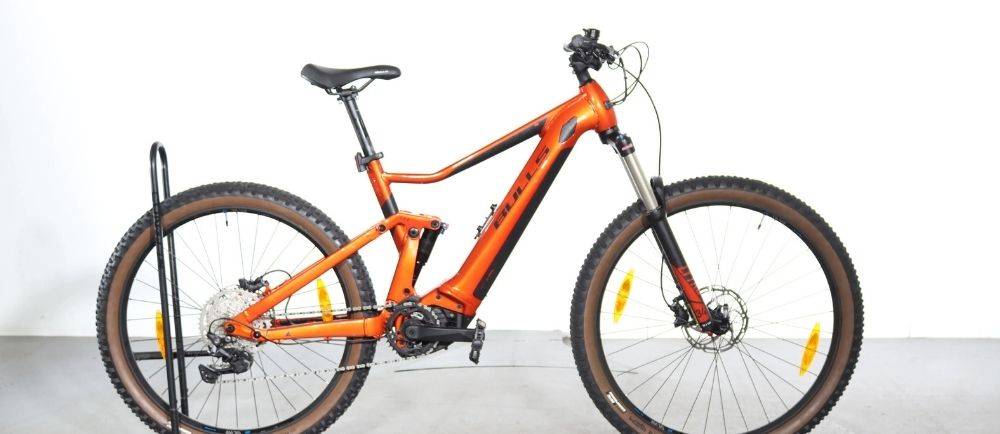
Bulls and Cube are two of the most common names you’ll come across when looking at German e-Bikes, and they’re often compared for good reason. If you were to just look at the spec sheets blindly, it may not be obvious what separates them. The specs can look similar, and both brands build bikes in similar categories.
The differences become noticeable when you look at how the bikes are put together and how they behave and perform. In this blog, I’ll go through both brands to help you decide which is best for you.
👋 Welcome to Upway!
Upway is your top destination for buying and selling e-Bikes online. Discover your next e-Bike at up to 60% off retail prices, available in new or like-new condition.
About Bulls Electric Bikes
Bulls is a German brand backed by ZEG, one of the largest bicycle groups in Europe. Its electric range includes trekking bikes, commuter models, and electric mountain bikes.
Most Bulls e-Bikes use Bosch systems, including the Bosch Performance CX, along with integrated batteries and hydraulic disc brakes. The specs are familiar and consistent across the range, without unusual design choices or proprietary systems.
About Cube Electric Bikes
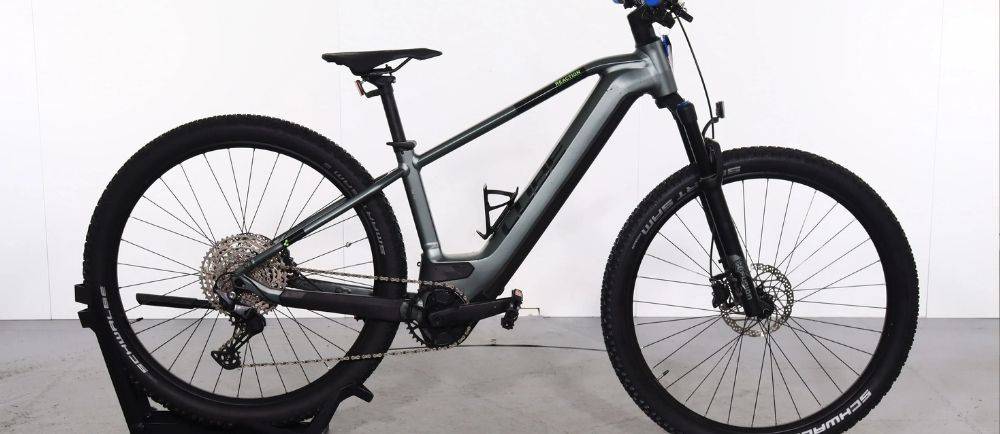
Cube is one of the largest bike manufacturers in Europe, with a wide selection of e-Bikes in multiple categories. The brand is also visible in the mountain bike scene as a sponsor of Les Gets Bike Park, a regular venue for the UCI Mountain Bike World Cup and World Championships. Its range covers city bikes, trekking models, cargo bikes, folding bikes, and electric mountain bikes at a variety of price points.
Most Cube e-Bikes use Bosch mid-drive systems with integrated PowerTube batteries. The designs are consistent across the range, with clean integration and a clear progression between models. Compared to Bulls, Cube offers more entry-level options and a wider selection for everyday riding.
Bulls vs Cube: Bike Comparison
Bulls and Cube cover many of the same categories, so there’s a fair amount of overlap when you start comparing them.
Cube’s range is broader, with more options for commuting and trekking, and clearer steps between entry-level and higher-end models. Bulls offers e-Bikes in similar categories, but its lineup is more about mountain bikes and trekking.
On hardtail and trekking bikes, the differences are relatively small. As you start looking at full-suspension bikes or more demanding terrain, the differences come down to geometry, suspension setup, and overall ride feel.
Motor & Ride Feel
Both brands use Bosch motors, particularly the Bosch Performance CX, which is widely used on trekking bikes and electric mountain bikes. Because the motor is often the same, differences between bikes come from geometry, suspension setup, and overall build.
On Bulls models, especially in the Sonic EVO range, the setup is often geared toward more demanding off-road riding, with suspension and frame designs suited to rougher terrain. Cube uses the same motor across a wider range of bikes, from trekking models to e-MTBs.
Motor performance is very similar between the two brands, but how power feels on the trail depends on how each bike is configured.
Battery Design and Range
Both Bulls and Cube use integrated Bosch battery systems, with capacities ranging from 500Wh to 750Wh, and larger options available on newer models In practice, range depends more on terrain, assist level, and riding style than the brand itself.
It’s worth noting that both brands have e-Bikes with larger battery capacities in their trekking and full-suspension e-MTBs, which can be useful for longer rides or higher assist levels. Some are also compatible with Bosch’s Smart System, which allows features like range tracking and ride data through the Flow app.
Features and Equipment
Both brands equip their trekking bikes with everyday accessories such as lights, racks, and fenders, while their mountain bikes are typically sold without them. But you’ll find this is pretty standard practice with most brands.
Regarding components, both brands use comparable parts across their ranges, including hydraulic disc brakes and suspension systems from manufacturers such as FOX on higher-end builds.
Price and Positioning
Both Bulls and Cube e-Bikes sit in the mid-range to premium category, with a wide range of models.
Cube generally offers more entry-level options. Hardtail and trekking e-Bikes, such as the Cube Reaction Hybrid, typically start around $2,700–$3,000 and can reach $4,300–$4,500 depending on the build. Full-suspension models like the Stereo Hybrid range generally fall between $4,500 and $7,000, with higher-spec versions reaching $8,000–$9,000+.
Bulls e-Bikes are priced similarly at the entry and mid-level, with bikes like the Bulls Copperhead EVO covering hardtail e-MTB use. Higher-end models such as the Bulls Sonic EVO range typically fall between $4,500 and $7,000+, while top-spec Bulls e-MTBs can reach $9,000 to $10,500+, depending on components and suspension.
On Upway, both brands are usually available at lower prices because the bikes are certified pre-owned.
You’ll typically find:
- Hardtail and trekking models from around $2,000 to $3,200
- Full-suspension e-MTBs from around $3,200 to $6,000
That often represents savings of roughly 20% to 50% compared to new retail prices, depending on the model, condition, and model year. In practice, this means bikes like the Cube Reaction Hybrid or Bulls Copperhead EVO are often available well below their original retail price, especially for earlier model years or lightly used examples.
Popular E-Bike Models
Both brands have well-established model families that come up regularly when comparing e-Bikes.
Bulls models include:
- Bulls Copperhead EVO, a hardtail e-MTB suited to entry and mid-level off-road riding.
- Bulls Cross Lite E, a trekking e-Bike designed for commuting and longer mixed-surface rides.
- Bulls Sonic EVO TR, a full-suspension e-MTB built for more demanding trail use.
Cube models include:
- Cube Reaction Hybrid, one of the most widely used hardtail e-MTB ranges in Europe.
- Cube Stereo Hybrid 120 Pro, a short-travel full-suspension bike for trail riding.
- Cube Stereo Hybrid 120 Race 750, a version with a larger battery for longer rides and mixed terrain.
Bulls vs Cube: Which Should You Choose?
Bulls is a good fit if you’re mainly looking at e-MTBs or trekking bikes and already know the type of riding you want to do. The range includes hardtail and full-suspension options for trail riding, as well as trekking bikes for longer mixed-surface routes.
Cube offers more flexibility across different types of riding. The lineup includes commuter, trekking, and electric mountain bikes, with options at different price points. If your riding varies from everyday use to longer rides to occasional trail riding, Cube gives you more choice.
Frequently Asked Questions
Are Bulls e-Bikes better than Cube?
Do Bulls and Cube use the same motors?
Yes, both widely use Bosch systems like the Bosch Performance CX, so motor performance is very similar.
Which brand is better for beginners?
Cube is often easier to start with thanks to more entry-level and mid-range options, especially for commuting and trekking.
Key Takeaways
- Bulls is a strong option for riders focused on off-road and more demanding terrain.
- Cube offers a wider range of bikes for commuting, leisure, and mixed use.
- Both brands use similar Bosch systems, so the main differences come from bike setup and intended use.