This all depends on how much you ride. Mileage is more indicative of tire life than time. Be prepared to change a road bike tire after 1,500-2,500 miles of use. More sturdy tires for other cycling riding styles can last longer.
How To Know It's Time To Replace Your Bicycle's Tires
Written by: Nick Cowie | May 29, 2026 | Time to read: 5 min
Your bike’s tires are a source of stability, grip, and confidence on every ride. When they are at the end of their rope, they will let you know. Here are some signs that it’s time to change your tires to keep an eye out for.

More about the Author: Nick Cowie
Nick is a writer with seven years of experience in the cycling industry. In his free time, he enjoys swimming, Jiu Jitsu, and spending time outdoors.
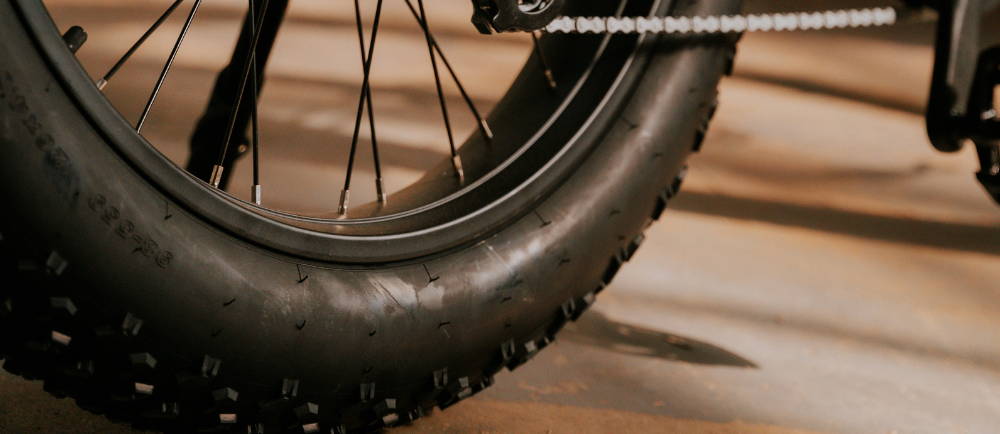
There’s nothing like new bike tires. You feel like you can take a corner at full speed without so much as a stumble, rolling resistance is non-existent, and every road feels like the smoothest tarmac. Unfortunately, our tires don’t stay new forever.
For the sake of safety and your performance as a rider, it is important to be able to identify when one or both of your tires need to be changed. These are some signs you can look out for to avoid low-performing or even dangerous tire conditions.
👋 Welcome to Upway!
Upway is your top destination for buying and selling e-Bikes online. Discover your next e-Bike at up to 60% off retail prices, available in new or like-new condition.
Table of Contents
What do you see?
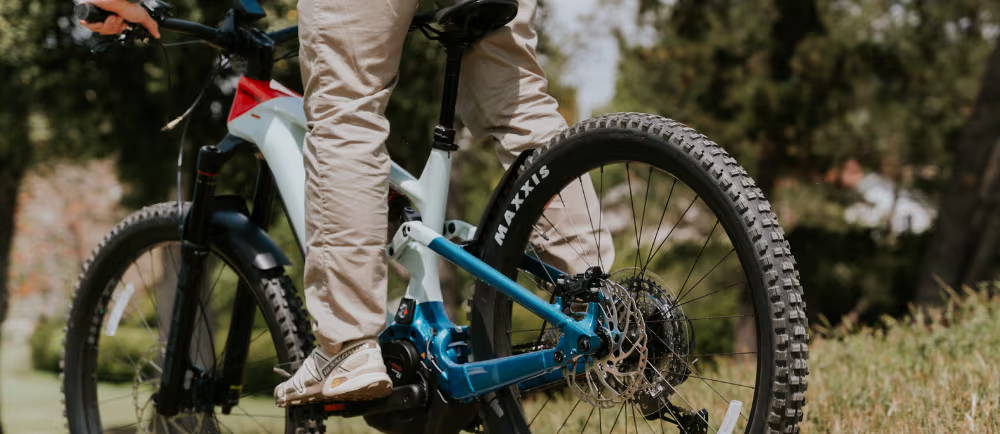
If you take a look at your tires once in a while, you will eventually notice that the tread pattern isn’t what it used to be, and the casing doesn’t look anywhere near new. Visual signs of tire wear are usually pretty obvious as long as you check regularly and don’t put off changing the tire.
- Tread wear: The most obvious sign of tire wear is the tread. What was once a prominent and grippy tread pattern has been worn down to a nearly flat surface. On mountain bikes and gravel bikes, you might even notice missing or broken knobs. “Balding” tires mean degraded grip and can even lead to more regular flat tires.
- Casing degradation: Your tire casing can tell you a lot about where it is in its lifespan. If the casing begins to peel, it should be replaced as soon as possible. If the tire bead begins to show through the sidewall, it is also an urgent situation. A lumpy tire can indicate a corrupted casing, which means the tire can blow out suddenly.
- Cracking: If you notice cracks in the rubber of your tire, it is likely experiencing dry rot. This happens when the compound ages to the point that it begins to break down. Ignoring dry rot can result in a tire blowing out, which is very dangerous during a ride.
What do you feel?
Lightweight bikes are not just for road riders. Weight especially matters to mountain bike riders in cross-country terrain, but it can enhance trail performance of all kinds. As carbon engineering evolves, trail bikes are getting lighter and lighter, even with full suspensions. It is not uncommon to see bikes around 9.1kg (20 lbs.) on the trail. These are some great choices for weight-conscious trail riders.
- Cornering and descending: When your confidence in your cornering and descending starts to decline, it could be due to tire wear. Check your tread and casing for signs of wear and make sure there are no punctures. New tires will instantly bring your corners and descents back to the level they belong at.
- Frequent flats: Do you feel like you’re stopping way more than usual to plug a puncture or replace an inner tube? As the bike tire materials degrade, they become weaker and thinner and can puncture or rip regularly. Inspect your tires for gashes and cuts to make sure they are safe to ride.
💸 Want to sell your electric bike?
- In case you didn't know yet, you can sell your e-Bike to Upway and get your cash in 3 simple steps.
- Want an estimation -> It takes only 2 minutes to complete this form
What does the manufacturer say?
Most of the time, your tires will come with some guidelines from the manufacturer. They might include a way to detect tire wear or make suggestions based on mileage. Make sure you keep the information that your tire came with so you can consult it when your tire is reaching the end of the line.
- Wear indicator: A wear indicator is just what it sounds like. Manufacturers will often place a small hole in a part of the tire with the largest contact area to the road or trail. When the hole begins to get very shallow, this indicates that it needs to be replaced soon. Know where your wear indicator is and check it regularly.
- Mile suggestions: A lot of tires will come with a number of miles that the manufacturer suggests it be changed after. This number is usually around 2,000 miles for road bikes, but can be higher for more durable tires on city bikes or mountain bikes. If you are a racer, change your tires before that mark to maintain ideal performance and safety.
Frequently Asked Questions
How long does a tire last?
When is a tire dangerous?
Tires become dangerous when they are bulging, lumpy, or when the casing is ripped, exposing the tire bead. This can lead to a blowout, which can cause a nasty crash at high speeds. If you notice casing issues, replace the tire right away.
Why am I getting punctures so often?
Punctures happen more often when the rubber of the tire is thin or the tire compound is degraded. If you notice flats happening every few rides, check your tires. Maybe they are past their limit of what is safe.
Key Takeaways
- Healthy tires enhance performance: The better shape your tires are in, the better you’ll ride. Adequate tires mean faster cornering, more confident descending, and fewer punctures, helping you ride your best.
- Listen to who made the tire: No one knows more about your bike tire than the company that engineered it. Look at your wear indicator and keep a rough estimation of how many miles you have ridden on it.
- Safety is worth the price: No one likes having to buy something, but tires are relatively inexpensive for the safety they provide. Feeling stable and confident around corners with no fear of a blowout will make rides much more enjoyable.