Yes, in most cases it’s completely normal. When you’re descending, but some parts are still working and moving, causing noise.
Why Does My E-MTB Motor Make Noise on Descents?
Written by: Robbie Ferri | March 31, 2026 | Time to read 6 min
Hearing your e-MTB on the way down instead of up? That might sound strange, but there’s a good reason behind it.

More about the Author: Robbie Ferri
Robbie is a UK-based ultra cyclist, former bike shop worker, and qualified bike fitter. Deeply passionate about e-Bikes and adventure cycling, he combines hands-on experience with real-world riding to help others go further on two wheels.
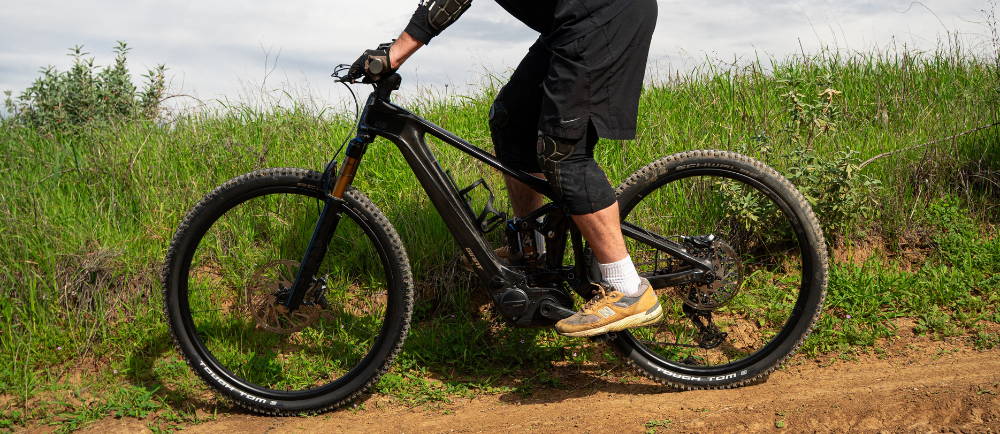
Ever been ripping down a descent on your e-MTB and start hearing noises you're not so sure about, and you’re left thinking, "My old non-electric bike didn’t do this"? Surprisingly, e-MTBs do make some noises you might not be used to.
This article is going to tell you what’s normal to hear, what's not, and also give you some excellent tips on how to make it quieter.
👋 Welcome to Upway!
Upway is your top destination for buying and selling e-Bikes online. Discover your next e-Bike at up to 60% off retail prices, available in new or like-new condition.
What Are the Different E-MTB Motor Types?
It’s important to understand that not all electric bikes are the same, and one of the biggest differences you will see between brands is the motors and their placement. You have two types: hub motors and mid-drive motors.
What Is A Hub Motor?
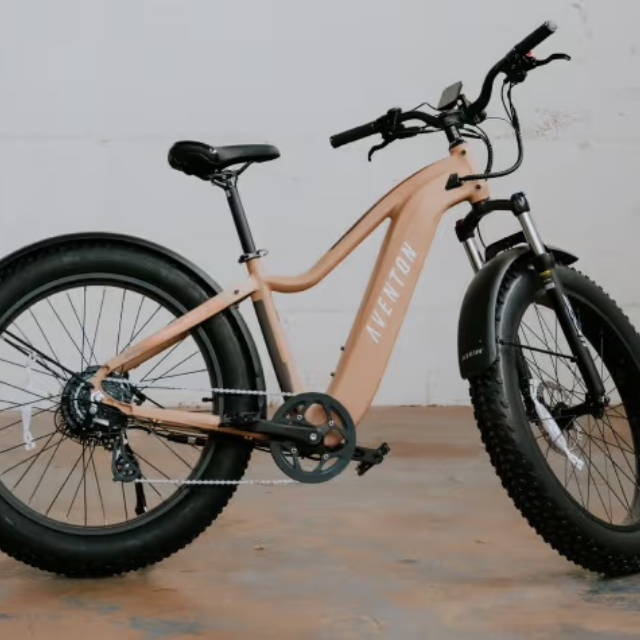
A hub motor is one in which the motor is located inside the wheel hub, at the wheel's center. They are mostly seen on the rear wheel, but can also be found on the front wheel. They are typically used on budget electric bikes because they make installation really easy and are cost-effective to buy.
What Is A Mid-Drive Motor
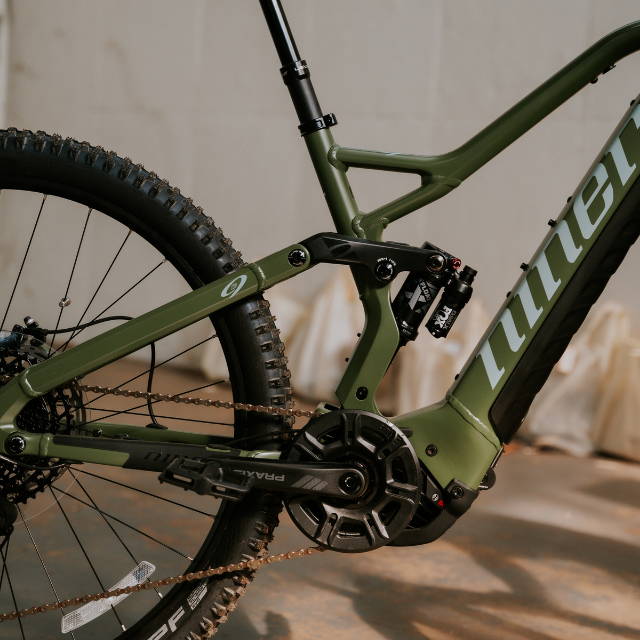
A mid-drive motor sits inside the bike’s frame. It’s placed as low as possible and is excellent for lowering the bike's center of gravity and improving control. All the sensors generally sit in this area, giving the bike a clean aesthetic. These are often seen on high-end full-suspension bikes.
Which Is Better, A Hub Motor Or A Mid-Drive Motor?
Both have advantages, but if money were no cost, you would get more from a mid-drive motor, in my opinion. They help the bikes control, they look super clean, and the bike is designed around them. Mid-drive motors are not just added to the bike like a hub motor is.

E-MTB Noises: What’s Normal, What’s Not?
Now for the exciting part. Let’s talk about bike noises. Bikes do make noise. There’s no avoiding it, especially on an e-MTB when it’s being thrown around a trail. Here’s the noises you can expect in general.
- Freehub buzzing or clicking: when coasting downhill (completely normal)
- Motor whirring: light internal noise from the motor system
- Chain slap: chain bouncing on rough terrain
- Gear shifting clicks: especially under load
- Brake rubbing or squealing: light contact or contamination
- Cable rattling: internal cables moving over bumps
- Tire noise: knobs humming on hard surfaces
- Suspension movement: small knocks or squelches over rough ground
These you might already be used to, so what about the noise from the electrical components of an e-MTB or even a commuter? Well, surprisingly, more than you might think, here’s what you can expect to hear, which is normal.
- Motor whirring: a light hum from internal gears when the motor is spinning or freewheeling
- Engagement/disengagement sound: a subtle click or change in tone when the motor cuts in or out
- Low-speed hum under load: more noticeable when climbing or accelerating
- Freewheeling motor noise: faint mechanical sound when coasting downhill
- Battery movement (slight): small rattles if riding rough terrain
- Controller/system clicks: occasional faint clicks when switching modes or powering on
What is really common when descending on an e-MTB is the sound of the motor's internal parts freewheeling. You might hear a subtle mechanical sound, and there may even be a faint sound of resistance.

When Should I Be Concerned About E-MTB Noise?
There are times when you need to be concerned about the noise your e-MTB makes. Here’s what you need to know, along with the possible causes.
Top Tips For Reducing E-MTB Noise
Keep It Smooth
Ensure chain lube is applied and that any moving components are properly lubricated. It’s good to use a lube from a good brand.
Regular Servicing
A lot of nasty noises come from a poorly maintained e-MTB. Ensure regular servicing occurs and that the right shop is handling it.
Secure Cables And Tighten Bolts
Another great, simple solution to stopping noise is to ensure the cables are tight where they should be, and you can always carefully cable tie some together if required. Regular bolt checks on any type of bike, along with washing the bike, go a very long way.
Upway
For your next bike, why not consider Upway? Pre-owned e-Bikes, with a mechanical and electrical inspection and a year's warranty. Great customer service with bikes delivered directly to your door.
Frequently Asked Questions
Is it normal for an e-MTB motor to make noise on descents?
Why does my e-MTB make more noise downhill than uphill?
When climbing, the motor and pedalling noise mask other sounds. On descents, you’re not pedalling. This means all those sounds you couldn’t hear because of the pedalling and system tension are free.
When should I worry about e-MTB noise?
You should be concerned if you hear grinding, loud knocking, or sudden new noises, or if you feel resistance when coasting.
Key Takeaways
- Most noise on descents is normal: You’re simply hearing your bike without pedalling, masking the sounds.
- Mid-drive motors are naturally noisier: Their internal parts continue to move even when you’re coasting.
- Focus on the type of noise: Smooth, consistent sounds are fine—harsh, new, or mechanical noises should be checked.