The ideal cadence for climbing is typically 70–90 RPM, with 75–85 RPM being the sweet spot for efficiency, traction, and motor performance. On popular motors such as the Bosch Performance Line CX and Shimano transmissions, they work best around 80 RPM if you're mountain biking.
Best Cadence for E-MTB Climbing: Improve Your Uphill Performance
Written by: Robbie Ferri | March 31, 2026 | Time to read 6 min
Most riders think more power equals easier climbs. In reality, your cadence plays a bigger role than you might expect.
More about the Author: Robbie Ferri
Robbie is a UK-based ultra cyclist, former bike shop worker, and qualified bike fitter. Deeply passionate about e-Bikes and adventure cycling, he combines hands-on experience with real-world riding to help others go further on two wheels.
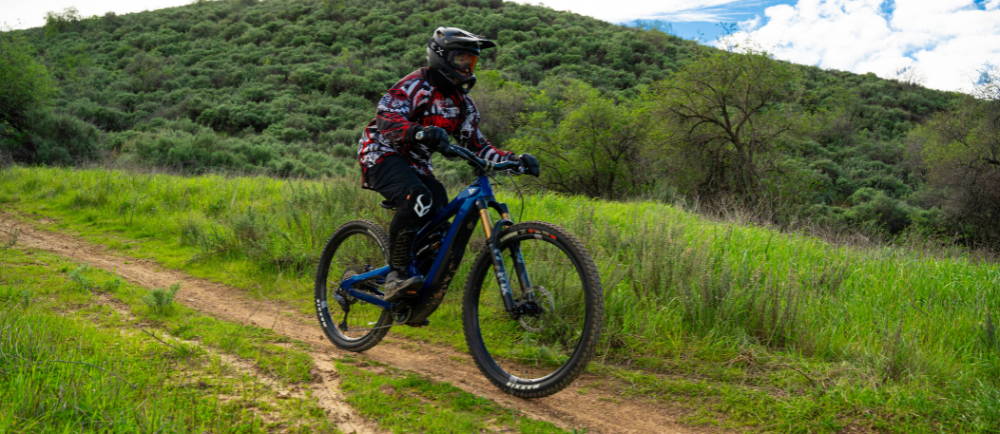
Have you ever heard of the term spinning and grinding? Well, if you haven’t, when it comes to cycling, it's all about cadence. Cadence makes such a big difference when it comes to e-MTB, and it’s important to speak about it.
Grinding would be pushing a car that isn’t on, slow and steady, each step draining a lot of energy but moving a lot of mass. Spinning would be pushing an empty trolley. You’re going quickly but not moving anything much.
👋 Welcome to Upway!
Upway is your top destination for buying and selling e-Bikes online. Discover your next e-Bike at up to 60% off retail prices, available in new or like-new condition.
What Is Cadence?
Cadence is how quickly you are pedalling when on an electric bike. It is measured in RPM, which means revolutions per minute. So 60 RPM would be 60 pedal crank rotations per minute. Cadence is often highly individual for each rider, but it can be trained to improve efficiency.
How To Tell My Cadence?
There are a lot of ways you can see your cadence on an e-MTB. Quite often, it will be on the riding display where you can see your statistics or control the pedal assist. You can also add a cadence sensor to the bike, which could be linked with a cycling computer, or you can start a timer and count yourself.
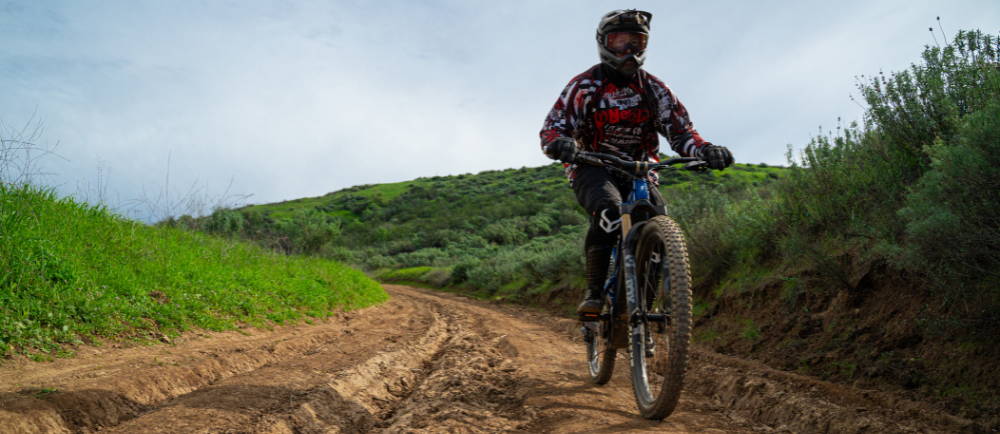
How Does Cadence Affect An E-MTB?
What many riders don’t know is that cadence has a significant impact on e-MTBs and hill climbing. They are not just changing the way you ride but also the longevity of the motor and the battery life. Here’s what you need to know.
An E-MTB Works On Cadence
Does the cadence affect the way an e-MTB works? Well, yes, in fact, hugely. Firstly, electric bike motors are designed to operate when they sense pedal cadence or movement. If you’re going too slowly, the pedal assist might not kick in. If you're going too fast, it can often cut out. This is common on hub motors.
The Right Cadence Prolongs Motor Life
The right cadence hugely helps the life of a motor. Lots of slow, heavy climbing at 60RPM doesn’t let the motor spin up properly, and going slow can overload the internals, causing it to overheat and wear out much more quickly than at a higher cadence.
A cadence that's too high cannot only switch a motor off, but also make pedalling quick and impactful on the internals. You wouldn’t drive a car, stabbing the accelerator. You would be smooth and controlled. Holding the perfect cadence around 80 RPM is the best place to be for excellent climbing power.
Battery Life At Low RPM Drains Quickly
The draw of battery capacity at low RPM is often much higher on a motor than at a natural high RPM. Getting the motor spinning up requires much more power than keeping it spinning quickly. With higher cadences, the motor can save battery and is just much more effective on a ride.
Better Traction And Control
A low cadence makes the bike much harder to control on uphills than a higher cadence. Trying to go up a hill at 60 RPM makes the bike’s rear wheel often not grip well. You also struggle to balance because the weight isn’t shifting around the bike, making hill climbing tougher. Mid-drive motors on e-MTBs help the balance and weight distribution.
Torque Sensing
Cadence is very important to a cadence sensor. If you can apply smooth cadence to a torque sensor it helps the bike deliver assistance better. Not only better for your steep climbing but for the health of the motor.
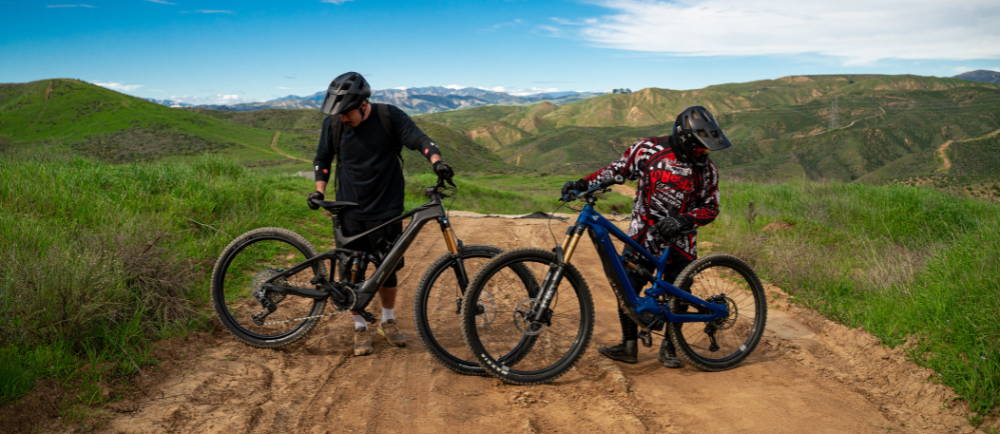
What Is the Best Cadence for Climbing Steep Hills?
We recommend the best cadence for riding an e-MTB is around 70 to 90 RPM, or better, 75 to 85 RPM.
It’s important to note that there are many different riders, and some prefer a lower cadence while others prefer a higher one. Typically, beginners use lower cadences. People with a lot of leg power often favour a lower cadence, which makes a higher motor output.
Higher cadences are often seen among experienced endurance athletes and among people who might not have much power but excel at cardiovascular fitness.
Top Tips For Improving E-MTB Cadence
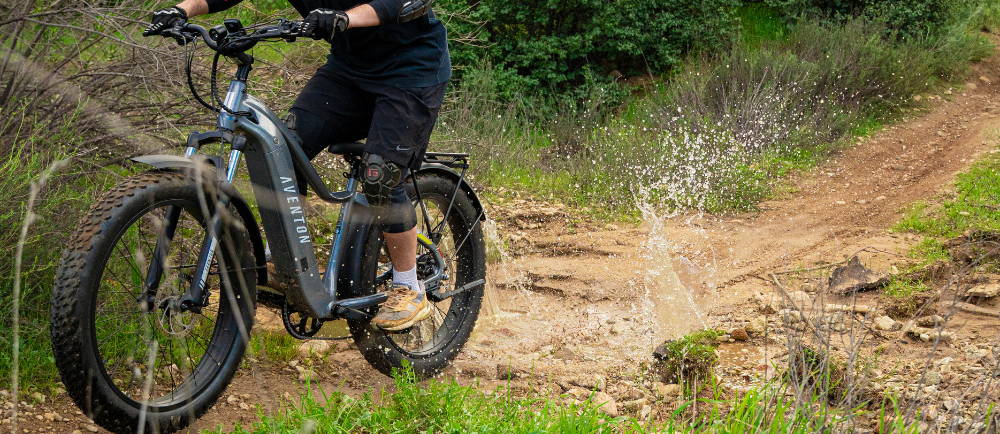
The biggest tip we can give any rider to improve cadence is to use your gears. There’s a reason they offer such a wide range, and you have these giant cassettes on the back to work with. Here are some other tips!
- Use your gears early: Don’t wait until you’re struggling to use the gearing system
- Shift before the climb bites: Stay ahead of mountain terrain
- Keep your pedalling smooth: Not jerky or forced, giving poor torque sensor readings
- Stay seated: Better cadence and traction on mountain e-Bikes
- Think circles, not stomps: Smooth power wins
- Listen to your motor: Adjust cadence to match it for the best motor assistance
- Avoid grinding: It drains your legs and battery
- Don’t spin out: Too fast = no power in the e-Bike motor
- Practice on smaller climbs: Build the habit
- Tire pressure: So important for grip
For your next bike, why not consider Upway? Pre-owned e-Bikes, with a mechanical and electrical inspection and a year's warranty. Great customer service with bikes delivered directly to your door.
Frequently Asked Questions
What cadence is best for climbing on an e-MTB?
Is it better to spin or grind on an e-MTB?
It’s better to spin at a controlled cadence rather than grind. Grinding overloads the motor, legs, and your fatigue. If you do enjoy grinding, then your battery systems will drain quickly, and it won't be the fault of the battery size.
Does cadence affect e-Bike battery life?
Yes. Riding at a low cadence (grinding) can drain your battery faster because the motor has to work harder. A smoother, higher cadence is generally more efficient. This applies to all-terrain e-bikes, not just e-MTBs.
Key Takeaways
- The ideal cadence is 70–90 RPM: With 75–85 RPM being the sweet spot for most riders.
- Avoid extremes: Grinding wastes energy and battery, while spinning too fast reduces control.
- Smooth cadence = better performance: It improves motor efficiency, traction, and overall climbing ability.