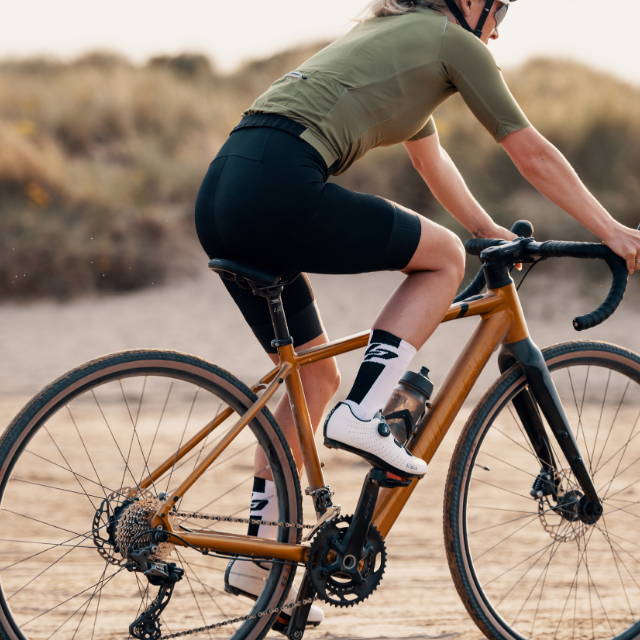
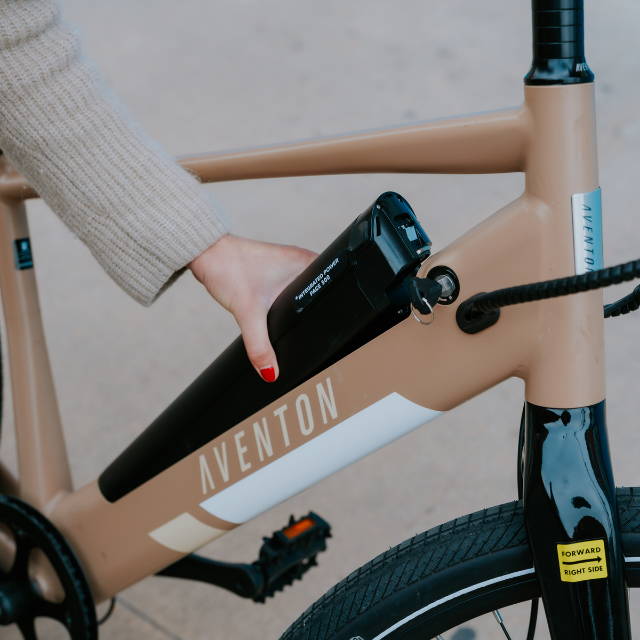
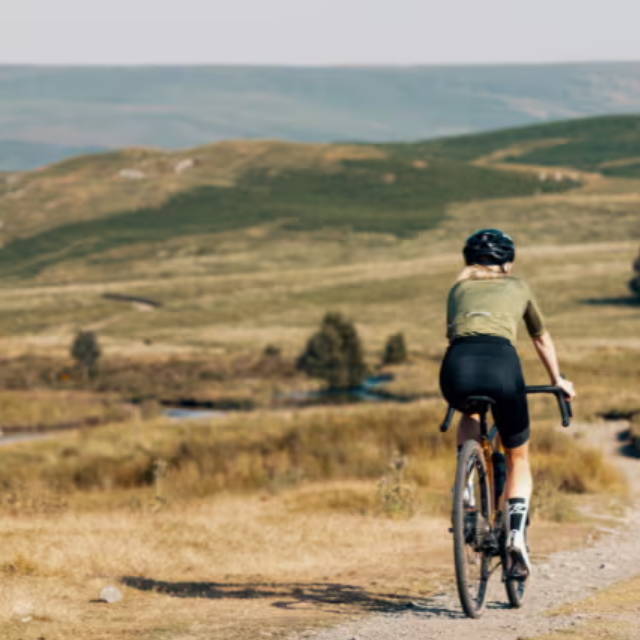
E-Bike access to bike paths, parks, and trails does vary depending on where you are and who the landowner is. Always check signs on paths and trails.
South Carolina E-Bike Laws and Regulations (2026 Update)
Written by: Robbie Ferri | June 30, 2026 | Time to read 6 min
I don't know about you, but I never bought an e-Bike because I fancied reading pages of transport law. I bought one because I wanted to ride it. Fortunately, understanding South Carolina's e-Bike regulations is much easier than it looks. Let's break everything down into simple terms.
More about the Author: Robbie Ferri
Robbie is a UK-based ultra cyclist, former bike shop worker, and qualified bike fitter. Deeply passionate about e-Bikes and adventure cycling, he combines hands-on experience with real-world riding to help others go further on two wheels.
There’s always one person in the local e-Bike group who is super sure about the rules, but when you ask them how they know that, you get “My mate told me” in response. Try to avoid listening to these people; instead, read this article.
Here, we'll tell you everything you need to know about e-Bike regulations and South Carolina law. Spend less time guessing and more time riding electric bicycles confidently on that trail, knowing you’re allowed to be there.
👋 Welcome to Upway!
Upway is your top destination for buying and selling e-Bikes online. Discover your next e-Bike at up to 60% off retail prices, available in new or like-new condition.
| Rule | What It Means |
|---|---|
| E-Bike Classes | South Carolina recognizes Class 1, Class 2, and Class 3 e-Bikes. Each class has different speed limits and methods of motor assistance. |
| Maximum Motor Power | To qualify as an e-Bike, the electric motor must not exceed 750 watts. |
| Minimum Riding Age | Riders must generally be 16 years or older to operate a Class 3 e-Bike. There is no statewide minimum age for Class 1 or Class 2 e-Bikes, although local rules may differ. |
| Helmet Law | South Carolina has no statewide helmet law specifically for e-Bikes, although wearing a properly fitted helmet is strongly recommended. Local requirements may apply. |
| Driver's License | No driver's license is required for Class 1, Class 2, or Class 3 e-Bikes that meet the state's legal definition. |
| Registration | Registration is not required for compliant e-Bikes. |
| Insurance | There is no statewide requirement for e-Bike insurance. |
| Where You Can Ride | E-Bikes generally follow the same rules as traditional bicycles on roads and bike lanes. Access to shared-use paths and trails may depend on the e-Bike class and local regulations. |
| Local Rules | Cities, counties, and land managers may introduce additional restrictions on where e-Bikes can be ridden. Always check local signage before riding. |
Laws can change over time, and local authorities may introduce additional restrictions. Always check South Carolina's latest regulations before riding in a new area.
What Is An E-Bike And What Is Not An E-Bike In South Carolina
Before we start diving into e-Bike law and much more, it’s good to understand what an e-Bike is and what is not an e-Bike. If an electric bike isn’t in the Class 1, 2, or 3 ranking we discuss next, it is not an e-Bike. Most places classify it as another type of vehicle, which often requires insurance and registration and, in some cases, can only be used on private land.
What Are The E-Bike Classes?
There are 3 e-Bike classes. This is how they differ from each other and what limitations they have:
Class 1
Class 1 is pedal-assist only. Has a maximum of a 750w motor and a top speed of 20mph. It’s perfect for leisure riding and commuting. This is the most common class of e-Bike you will find.
Class 2
A Class 2 e-Bike is equipped with a throttle. Instead of you pedaling to activate the motor, you just use a throttle and don’t need to do anything else. Again, the same rule of the 750W motor applies.
Class 3
The final Class 3 e-Bike is not necessarily the most powerful, still with a 750W motor, but it is the fastest, with a top speed of 28mph. Great for longer road rides, and often seen on some very fast e-MTBs
Where Can I Ride My E-Bike In South Carolina?
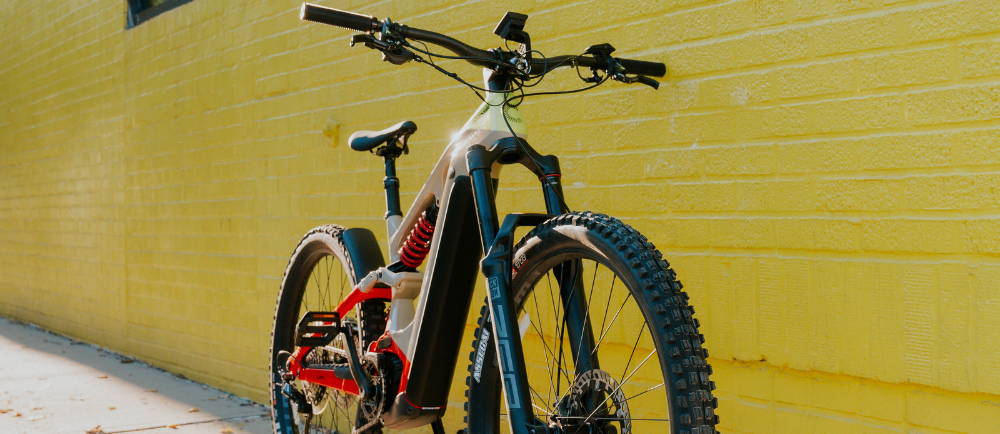
The beauty of an e-Bike is that it can go anywhere a traditional bike can. Roads are fine, bike lanes, shared paths, and much more. It’s important, as a rider, to be aware of other users, where you are, and the speed and power you have.
There are places where e-Bikes are not permitted. Some parks, trails, and public land have additional rules regarding e-Bike access, so always check local signage before riding. Typically, e-Bikes can be taken anywhere traditional bikes can be, but ultimately, it’s up to local governments and park authorities.
Do The Rules Of The Road Still Apply In South Carolina?
Although when you're on a e-bike, the freedom can take over and you can get a little lost in it all, the rules of the road still all apply. Do your best not to be one of those cyclists who give the form of transport a bad name. You have to;
- Obey traffic lights.
- Stop at stop signs.
- Ride with the flow of traffic.
- Yield to pedestrians.
- Use lights and reflectors at night.
- Use hand signals when turning.

Is It Ok To Modify My E-Bike In South Carolina?
You can, yes, but there are limits. Adding lights to a commuter, changing tires on an e-MTB, and general accessories are not a problem. Performance upgrades such as removing the speed limiter, installing a larger motor, and increasing the battery voltage are a big no.
The reason is that it takes you out of the classes we discussed earlier. This means you have greater capability, and it is no longer classified as an e-Bike by South Carolina. Meaning you're riding on what some law enforcement classify as an e-Moto or electric motorbike.
What Happens If You Break The Law On An E-Bike In South Carolina?
It’s not as simple as you might think. Depending on the circumstances, you could receive a warning, a fine, be asked to leave the area, or face penalties under other motor vehicle laws if your bike no longer meets the legal definition of an e-Bike.
Ready for your next e-Bike? Why not check out Upway? Refurbished e-Bikes with a one-year warranty, a mechanical and electrical inspection, and any work needed undertaken before sale. Save a fortune instead of buying new.
🤝 Enjoy an even greater discount when you trade in your old electric bike today!
Click here for a price estimation
Frequently Asked Questions
Can I ride my e-Bike on bike paths and trails in South Carolina?
What happens if I break South Carolina's e-Bike laws?
You could receive a warning, a fine, or face other penalties if your bike no longer meets South Carolina's legal definition of an e-Bike. The simplest way to avoid problems is to follow traffic laws.
What's the difference between a Class 1, 2, and 3 e-Bike?
- Class 1: Pedal assist only, up to 20 mph.
- Class 2: Throttle-assisted and often pedal-assisted, up to 20 mph.
- Class 3: Pedal assist only, up to 28 mph.
Key Takeaways
- Know your electric bikes class: Learn the class you have. Class 1, Class 2, or Class 3 e-Bike makes it much easier to understand what rules apply.
- Follow the same rules as cyclists: E-bike riders must obey the same traffic laws as traditional cyclists. Stop when required and signal when turning. Keep yourself safe.
- Check local rules before you ride: Cities, counties, parks, and trail managers may have their own restrictions, so always check online and local signs before heading out. State laws are not always everything.