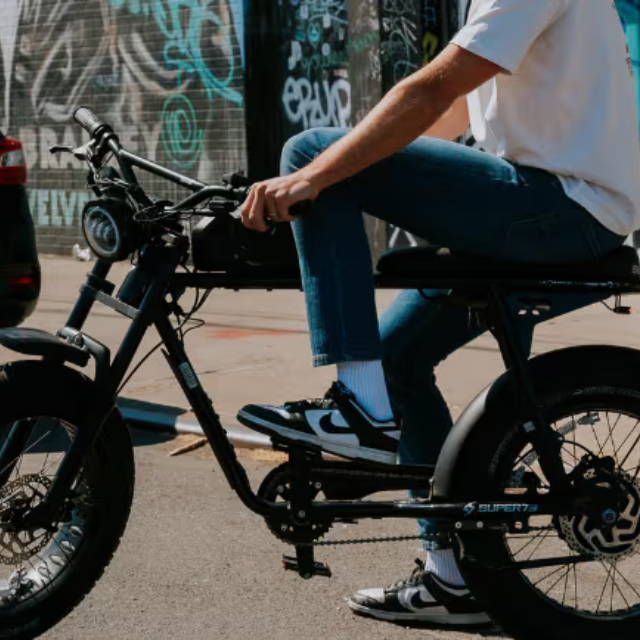
Seattle shares plenty of e-bike laws with Washington, but some are more restrictive due to the population of the city. With much more foot traffic than most towns in the state, the city has to be careful about electric bike usage.
Seattle E-Bike Laws and Regulations (2026)
Written by: Nick Cowie | September 10, 2026 | Time to read: 5 min
States are often in charge of making e-Bike laws, but these laws can change a bit in larger cities. Even if you know the general laws of Washington, make sure to brush up on Seattle’s specific laws before riding in the city.

More about the Author: Nick Cowie
Nick is a writer with seven years of experience in the cycling industry. In his free time, he enjoys swimming, Jiu Jitsu, and spending time outdoors.

Electric bike laws aren’t the same everywhere in the United States. The federal government leaves it up to states to make their own laws, for the most part. Cities often have their own sets of rules, independent of the state’s laws. Dense population and high foot traffic lead to alterations in the general state’s laws. Seattle, Washington, is one of the larger cities in the US, so it has its own set of e-Bike laws to consider. Let’s go over their rules and regulations so you can remain compliant when riding in the city.
👋 Welcome to Upway!
Upway is your top destination for buying and selling e-Bikes online. Discover your next e-Bike at up to 60% off retail prices, available in new or like-new condition.
Table of Contents
What is an e-Bike in Seattle?
Seattle falls in line with Washington’s definition of an e-Bike. The state calls an electric bike a two- or three-wheeled vehicle with a saddle, fully operative pedals for human propulsion, and an electric motor of less than 750 watts. They use the same three-class system that most of the country uses to categorize electric bike types.
- Class 1: Pedal assist only when the rider is pedaling; assists up to 20 mph
- Class 2: Throttle assistance; motor can propel the bike without pedaling and stops assisting at 20 mph.
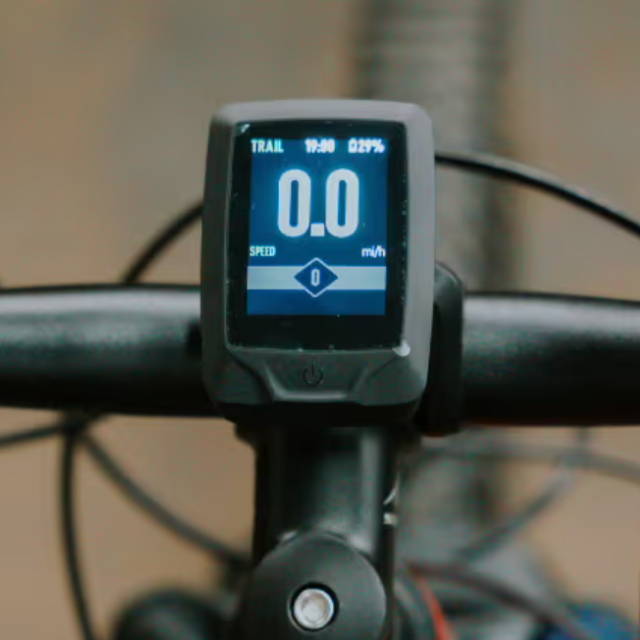
- Class 3: Pedal assistance only (no throttle); motor assistance stops at 28 mph; equipped with a mandatory speedometer.
What are the electric bike laws in Seattle in 2026?
In Seattle, any e-Bike that meets the requirements of the three categories above is simply considered a bicycle. This means that there is no need for a license, registration, or insurance as long as it meets the definition of an electric bicycle. It is worth noting that modifications to your e-Bike can change it from an electric bicycle to a motorized vehicle if it goes over any of the thresholds. A moped or motorbike will require more paperwork and a driver’s license to operate in the city.
Operation of Class 1 and Class 2 electric bikes has no age requirement in Seattle. Class 3 e-Bikes, on the other hand, have a minimum age requirement of 16 years old. The higher 28 mph limit is the main reason behind the age restriction. Helmets are not required by law in King County, where Seattle is located, but helmets are highly encouraged. Many e-Bike rental companies in Seattle require helmet usage, but that is a private rule and not a city law.
💸 Want to sell your electric bike?
- In case you didn't know yet, you can sell your e-Bike to Upway and get your cash in 3 simple steps.
- Want an estimation -> It takes only 2 minutes to complete this form
What labeling is required for electric bikes in Seattle?
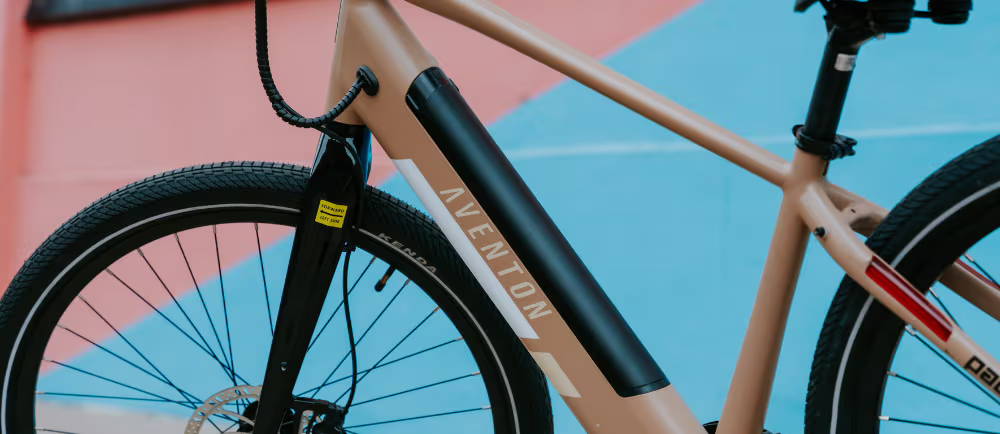
In Seattle, every e-BIke sold must have a manufacturer-applied permanent label in a visible location on the frame. This label must show the bike’s class number, top assisted speed, and motor wattage. This makes it easy for law enforcement to make sure a bike is street-legal. Modifying the bike in a way that makes the label outdated can carry hefty fines.
- Class Number: Is your e-Bike a Class 1, Class 2, or Class 3 electric bike?
- Top Assisted Speed: This shows how fast the bike will go with the help of the motor. This is almost always either 20 mph for Class 1 and Class 2 bikes or 28 mph for Class 3 e-BIkes.
- Motor Wattage: What is the maximum power that your motor can put out? In Seattle, 750 watts is the limit for e-Bike motor output. This is equal to 1 horsepower.
Where can I ride my electric bike in Seattle?
Because of dense populations and lots of foot traffic, big cities are very intentional with where electric bikes are allowed to be ridden. This is the category that most often has different laws than the rest of the state. Seattle is more permissive of electric bikes in general than many large cities, but there are more restrictions for Class 3 bikes.
- Roads and Bike Lanes: All classes of electric bikes are allowed on public roads and designated bicycle lanes with no restrictions.
- Sidewalks: Class 3 e-Bikes are banned from sidewalks in Seattle. Class 1 and 2 bikes are allowed to ride on the sidewalk like traditional bikes, with the caveat that they must yield to pedestrians and operate at a safe speed.
- Trails and Shared-Use Paths: Similar to sidewalk usage, Class 1 and Class 2 e-Bikes are allowed on trails and shared-use paths with no restrictions. Class 3 e-BIkes are strictly prohibited. Municipalities have the authority to ban all e-Bikes from trails if they choose.
What are Seattle’s laws on bike lights?
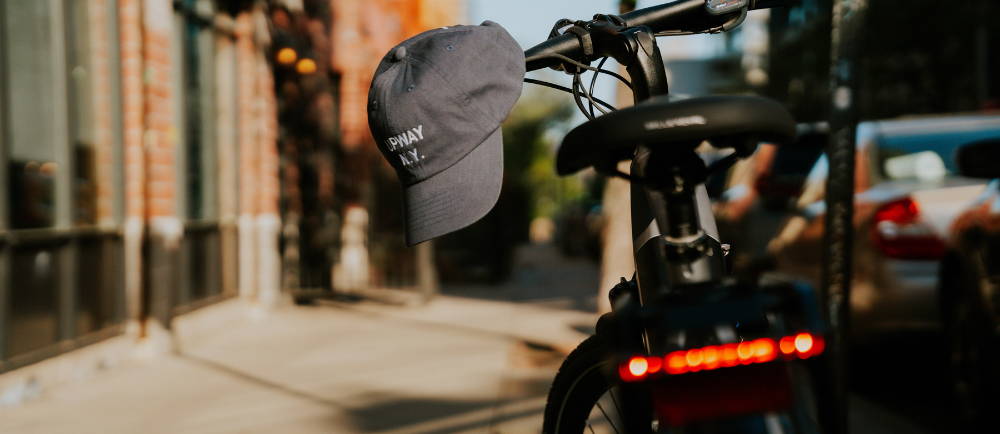
Seattle enforces Washington’s state laws regarding riding e-Bikes in low visibility conditions. They require specific lighting for the safety of cyclists and motorists.
- Front Light: Your electric bike must have a white front light that is visible from a distance of at least 500 feet to be ridden in low-visibility conditions in Seattle.
- Rear Light: A rear reflector that is visible from at least 600 feet when illuminated must be used during low-visibility riding. A flashing or steady rear light is recommended as well but not required by law.
Frequently Asked Questions
Why are Seattle’s laws different than Washington’s?
When does an e-Bike become a motor vehicle?
If your motor can propel your bike faster than 28 mph or can put out over 750 watts or 1 horsepower, Seattle will no longer recognize your bike as an e-Bike. It will be a motor vehicle that requires a license and registration.
Who is exempt from city laws?
Seattle permits local trails to set their own rules. While Seattle as a whole allows e-Bikes on trails, a local committee is allowed to make the decision to ban e-Bikes on their trail.
Key Takeaways
- Electric bike status depends on power and speed: As long as your electric bike stays within the guidelines of speed and power for an e-Bike, you do not need a license, and your bike will be treated the same as a traditional bicycle.
- Class 3 e-Bikes are most restricted: Seattle is very permissive of Class 1 and Class 2 e-Bikes, but Class 3 bikes are banned from some riding areas and require riders to be at least 16 years old.
- Check Upway for street-legal e-Bikes: Upway has a team of experts and a huge inventory of electric bikes, so we can help you find one that complies with laws in your area.