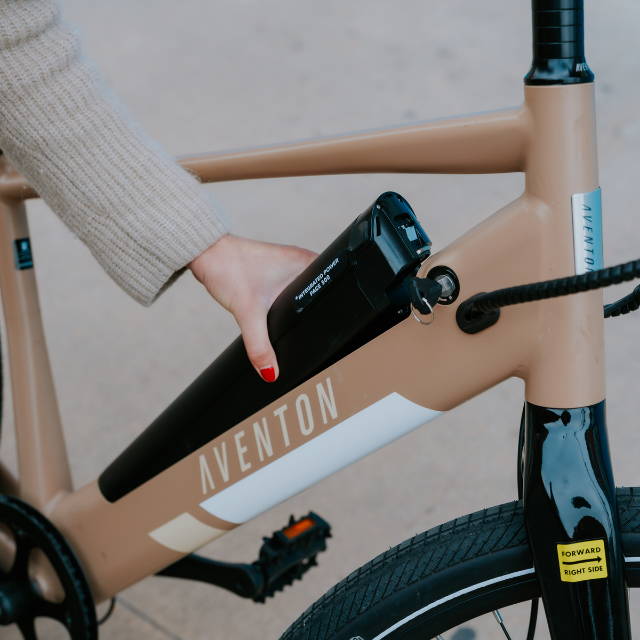
Rhode Island has Class 1, Class 2, and Class 3 e-Bikes, all of which are completely legal to ride. Modified e-Bikes are often not.
Rhode Island E-Bike Laws and Regulations (2026 Update)
Written by: Robbie Ferri | June 30, 2026 | Time to read 6 min
Buying an e-Bike is exciting. Reading the laws afterward… Slightly less exciting. Fortunately, we've done the hard work for you and broken Rhode Island's e-Bike regulations down into plain English.

More about the Author: Robbie Ferri
Robbie is a UK-based ultra cyclist, former bike shop worker, and qualified bike fitter. Deeply passionate about e-Bikes and adventure cycling, he combines hands-on experience with real-world riding to help others go further on two wheels.

I have always considered e-Bike laws and regulations to be like flat-pack furniture instructions. You have a rough idea of what they are, but not reading them could leave you in a bit of a mess with some leftover screws. In this article, we’re going to tell you in plain and simple terms. This is going to help you understand exactly what you need to know and get rid of those voices in your mind saying "should I be riding here?”
👋 Welcome to Upway!
Upway is your top destination for buying and selling e-Bikes online. Discover your next e-Bike at up to 60% off retail prices, available in new or like-new condition.
| Rule | What It Means |
|---|---|
| E-Bike Classes | Rhode Island recognizes Class 1, Class 2, and Class 3 e-Bikes, each with different speed limits and methods of motor assistance. |
| Maximum Motor Power | To qualify as an e-Bike, the motor must not exceed 750 watts. More powerful vehicles may be regulated differently. |
| Minimum Riding Age | Riders must generally be 16 years or older to operate an e-Bike on public roads under current Rhode Island law. |
| Helmet Law | Riders and passengers under 21 years old must wear a properly fitted bicycle helmet. |
| Driver's License | No driver's license is required for Class 1, Class 2, or Class 3 e-Bikes that meet Rhode Island's legal definition. |
| Registration | Registration is not required. The Rhode Island DMV does not register compliant e-Bikes. |
| Insurance | There is no state requirement for insurance on Class 1, Class 2, or Class 3 e-Bikes. |
| Where You Can Ride | E-Bikes generally follow the same rules as traditional bicycles, although trail access and pathway restrictions may vary depending on the e-Bike class and land manager. |
| Local Rules | Cities, towns, and agencies responsible for parks and trails may introduce additional restrictions. Always check local signage before riding. |
Laws can change over time, and local authorities may introduce additional restrictions. Always check Rhode Island's latest regulations before riding in a new area.
What Are The E-Bike Classes?
Rhode Island works with the e-Bike class system. This system defines what an e-Bike is and its capabilities. It means brands such as Specialized and Trek can not only keep their bikes in line with what’s legal, but also clearly help places say what they want to be ridden and where.
Class 1
Class 1 e-Bikes are what you see most of the time out and about. They are commuter bikes, road bikes, and even e-MTBs. They have a maximum speed of 20mph and only work on pedal assistance. The biggest motor size allowed is 750W.
Class 2
Class 2 e-Bikes are a little different. They often have pedal assist and a throttle for motor assistance, so the bike can be ridden without pedaling. Like a moped, but just a lot less noisy. These are often commuter bikes, cargo bikes, and sometimes just lifestyle bikes. The maximum speed on these bikes is 20mph, and the motor's maximum wattage is 750W.
Class 3
Class 3 e-Bikes are the fastest legal bikes you can buy. They work on pedal assistance and have a maximum speed of 28mph. They still have a maximum of 750W and are often commuter bikes and hybrid bikes. They are a lot of fun but are restricted in certain places.
What If My Bike Isn’t In These Classes?
If your bike isn’t in these classes, it’s not considered an e-Bike under state law. It’s what is called an e-Moto. These electric bikes have larger motors and higher top speeds and, as a result, require registration, insurance, and often even a license.
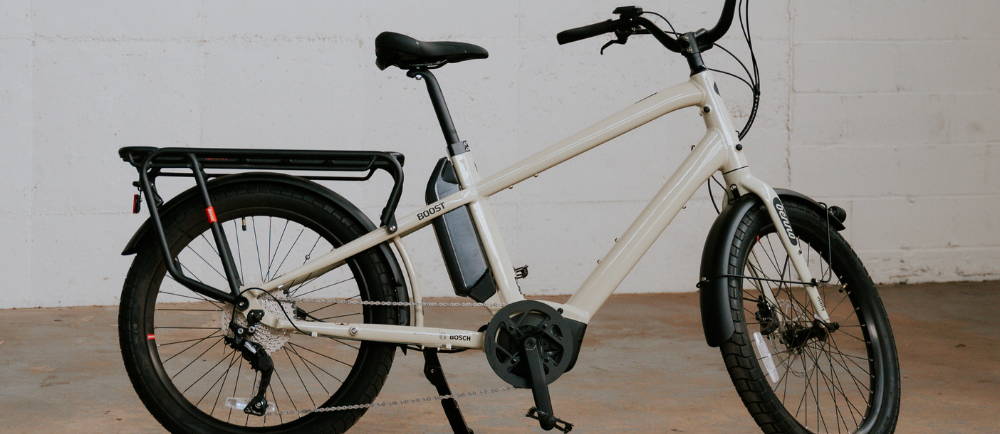
Where Can I Ride My E-Bike In Rhode Island?
Providing you have a Class 1, 2, or 3 e-Bike, you can pretty much go anywhere a traditional bike can. Roads, bike lanes and bike paths, shared use paths, sidewalks, natural surface trails, and even in state parks. There aren’t a lot of places you can’t.
It’s important to mention that local authorities have the last say. If they ban e-Bikes in certain places, they are allowed to do that. Also, many state parks have rules on e-Bikes, including which classes they allow. For example, many parks don’t allow Class 2 or Class 3 bikes.
Rules Of The Road For E-Bikes In Rhode Island
Just because we are on a bike doesn’t exempt us from the rules of the road, and unfortunately, some cyclists still haven’t gotten this message, which reflects poorly on cycling in general. You still have to;
- Use stop signs
- Watch the traffic lights
- Riding with traffic properly
- Use correct hand signals
- Use lights and reflectors when required

Can You Modify Your E-Bike In Rhode Island?
You can, but it often puts the bike outside the legal classes and into the e-Moto category, making it illegal in Rhode Island. A lot of people go down the route of removing speed limiters, adding bigger motors, and more powerful batteries.
As someone who has come across many of these over the years, I have to say it’s just not worth it. You're taking a lot of unnecessary risks, not just on the road but on the bike too. They become risky because the motor or battery might not be designed for that power.
You also have other components that won’t be up to the task, including frames, brakes, and more. The way these bikes are put together is not without reason, and stepping outside of those boundaries is not a good idea, especially on an e-MTB.
What Happens If You Break E-Bike Laws In Rhode Island?
Most e-Bike offenses are handled the same way as traffic or bicycle violations. Depending on the rule, the penalty is different. You might get a warning or additional penalties. The key is just not to break the rules. Stay where bikes are allowed, and if you're unsure where to go, check for the relevant information.
Ready for your next e-Bike? Why not check out Upway? Refurbished e-Bikes with a one-year warranty, a mechanical and electrical inspection, and any work needed undertaken before sale. Save a fortune instead of buying new.
🤝 Enjoy an even greater discount when you trade in your old electric bike today!
Click here for a price estimation
Frequently Asked Questions
Are e-Bikes legal in Rhode Island?
Do I have to wear a helmet?
If you are under 21 years old, you are required to wear a helmet when riding an e-Bike. In general, we recommend it, as it is a strong line of defense for your head.
Can I make my e-Bike faster?
You can modify an e-Bike, but it no longer qualifies as a legal e-Bike under Rhode Island law. It is often classified as another type of vehicle with a different set of rules.
Key Takeaways
- Rhode Island uses the three-class system: Class 1, Class 2, and Class 3 e-Bikes are legal to use.
- Most riders don't need a license: If your e-Bike complies with Rhode Island's legal definition, you won't need a driver's license, registration, or insurance to use it.
- Local rules still matter: Although Rhode Island has statewide e-Bike laws, cities, parks, and trail managers may have additional restrictions. Always check local signs before setting off.