Yes. Rad’s direct-to-consumer background and a tighter lineup of daily-use products make it easier to hit lower price points. Riese & Müller often brings more premium engineering, Bosch systems, and higher-end hardware, which pushes prices much higher.
Rad Power vs Riese & Müller: Which E-Bike Brand Fits Your Riding Better?
Written by: Chris Van Leuven | April 24, 2026 | Time to read: 7-8 min
Compare Rad Power and Riese & Müller e-Bikes on motors, cargo, comfort, value, and which brand fits your riding better.

More about the Author: Chris Van Leuven
Chris is a writer, climber, and founder of Yosemite E-Biking in Mariposa, CA. When he’s not tackling Sierra Foothills trails or scaling rock walls, he’s crafting adventure stories with his boxer, Fenster. His work has appeared in Outside, Men’s Journal, Gripped, and Best American Sports Writing.
Rad Power Bikes and Riese & Müller can overlap in cargo bikes, commuter bikes, and everyday transportation, but they don’t approach those categories with the same mindset. Rad built its name around daily practical use and affordability. Riese & Müller comes from a more premium, engineering-heavy direction, with Bosch-powered bikes that emphasize comfort, setup options, and long-term polish.
That is what makes this comparison more interesting than a simple spec-sheet matchup. A 750W motor doesn’t tell the whole story, and battery size doesn’t either. Riese & Müller’s higher prices are tied to Bosch mid-drive systems, premium components, suspension, optional ABS, and range extenders on some models, as well as a more configurable, dealer-oriented approach.
👋 Welcome to Upway!
Upway is your top destination for buying and selling e-Bikes online. Discover your next e-Bike at up to 60% off retail prices, available in new or like-new condition.
Table of Contents
What are the Rad Power vs Riese & Müller brands?
How do the brands approach e-Bikes differently?
Which current models are actually worth comparing?
How different do they feel on the road?
Which one makes more sense for commuting, cargo, and family riding?
Which one is easier to own long-term?
Where can you shop for Rad Power and Riese & Müller?
What are the Rad Power vs Riese & Müller brands?
If your main goal is everyday transportation, Rad Power Bikes often makes more sense. The lineup is built around practical use, and it is usually easier to see which bike is meant for errands, commuting, cargo, or family hauling.
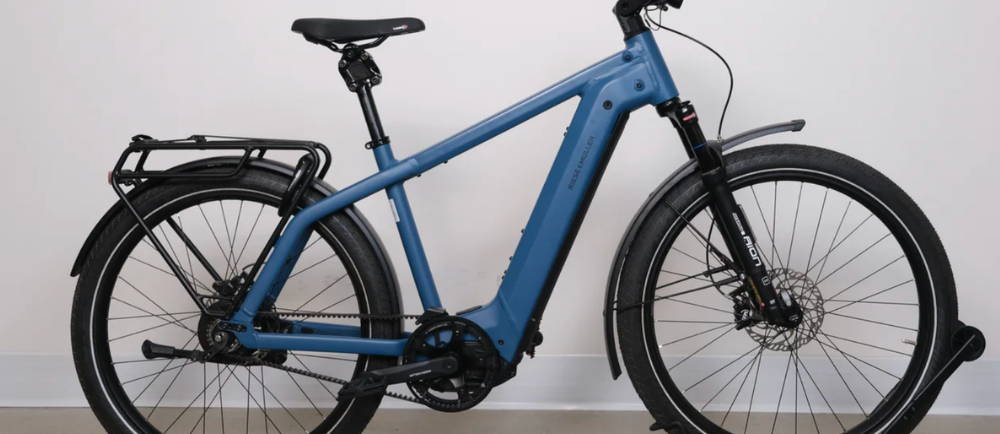
Riese & Müller is different. It is not just about making the job easier. It is trying to make the bike itself feel better while doing it. That means Bosch mid-drive systems, premium components, more comfort, more suspension options, and a higher level of fit-and-finish. It also means a much higher price ceiling. The Charger4, for example, is built around a 750Wh battery, suspension, and optional Bosch PowerMore 250 support, which tells you a lot about how the brand thinks.
So the quick answer is pretty simple: Rad is better for everyday value, while Riese & Müller is better for premium engineering and refinement.
How do the brands approach e-Bikes differently?
Rad Power grew by making e-Bikes feel less intimidating and more affordable. That still shows in the lineup. The bikes are centered on practical daily tasks, hub-motor power, and clear commuter or cargo use cases that require little explanation. That clarity is a big part of why the brand became so recognizable in North America.
Riese & Müller comes from almost the opposite direction. The brand is known for premium electric bikes, Bosch drive systems, higher-end components, and a more dialed ride feel. It is not really asking whether an e-Bike can do the job. It asks how much better that job can feel when the bike is built to a higher standard. That is why the catalog often offers more drivetrain, battery, and setup options.
That changes the buying question. With Rad Power, you often ask whether the bike will make daily use easier. With Riese & Müller, you are more often asking which premium version of that same job you want.
Which current models are actually worth comparing?
This comparison gets more useful when the bikes are doing similar jobs. For a compact city e-Bike comparison, a useful pairing is the RadExpand 5 Plus and the 2026 Cube Compact Hybrid Comfort 545.
- RadWagon 5: It has a 750W motor, 60+ miles of range, a 375 lb payload, and a 120 lb rear rack capacity. It reads exactly like what it is: a family hauler built to make school runs, errands, and grocery trips feel manageable.
- Riese & Müller Load4 75: This is a much more premium cargo-bike solution. Reviews and model coverage consistently point to its suspended frame, Bosch cargo-drive setup, and ride quality as major differentiators. It is much more expensive, but it is also trying to do more than a typical family cargo bike.
For longer-distance commuting, the pairing that best shows the difference in philosophy is the RadRunner Max and the Riese & Müller Charger4.
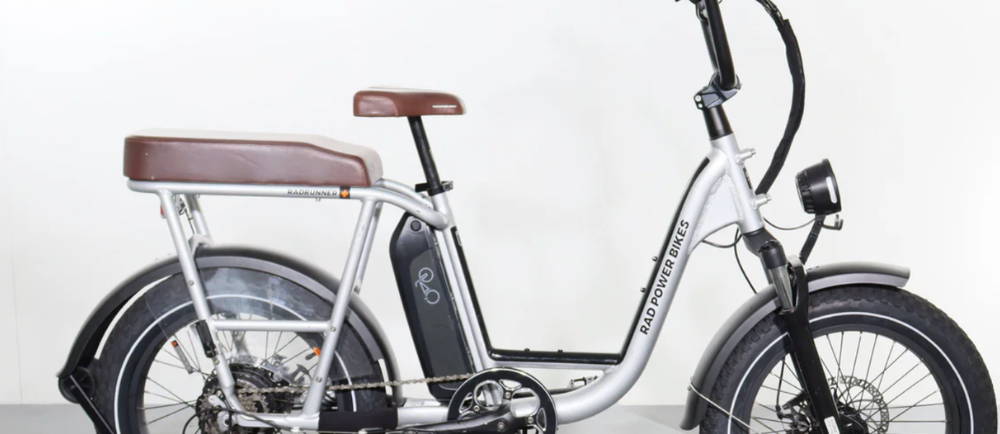
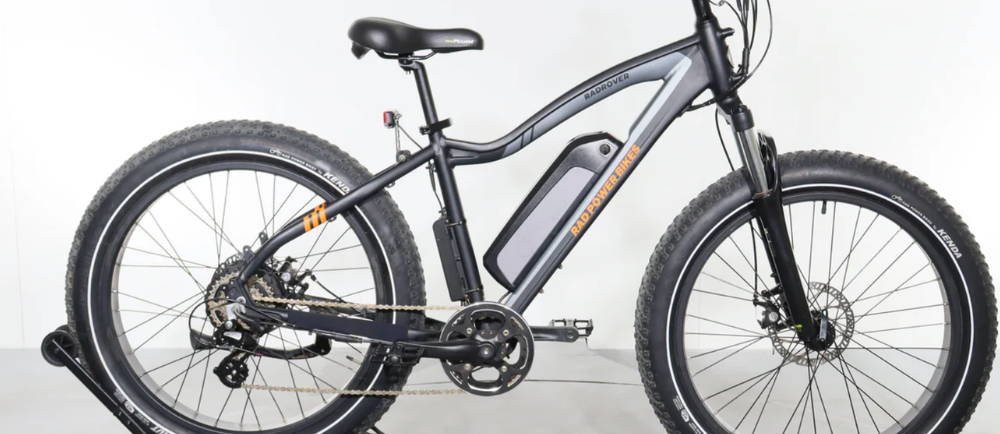
- RadRunner Max: It has a 750W motor, up to 90 Nm of torque, a 420 lb payload, and 60+ miles of range. Rad says it is compatible with a range extender, and outside coverage says that it can push the bike much farther.
- Riese & Müller Charger4: It uses a 750Wh battery as standard, offers an optional 250Wh range extender, and is built as an everyday bike for long riding pleasure and daily life. It is one of the best examples of how Riese & Müller approaches commuting: more polish, more comfort, and more premium hardware.
For a more city-and-everyday comparison, the Nevo4 and Nevo5 are useful reference points.
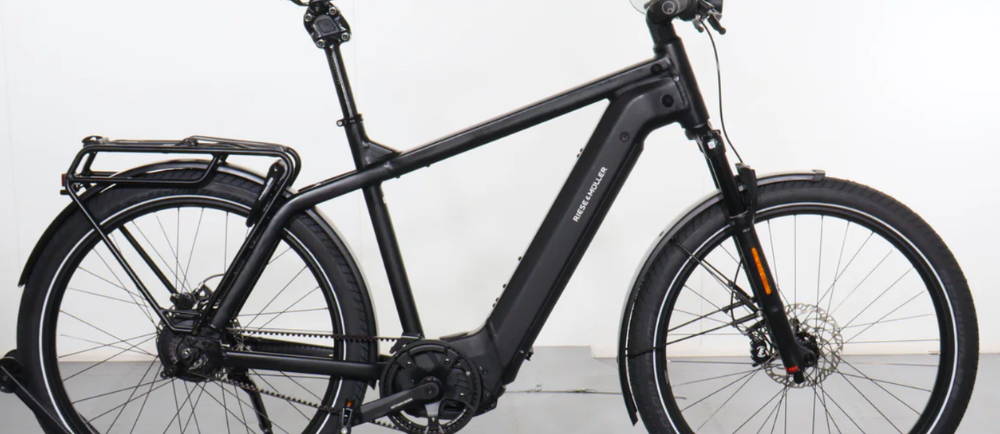
- Riese & Müller Nevo4 GT touring: It uses a Bosch Performance Line CX motor, a 625Wh battery, and carries 352.7 lbs.
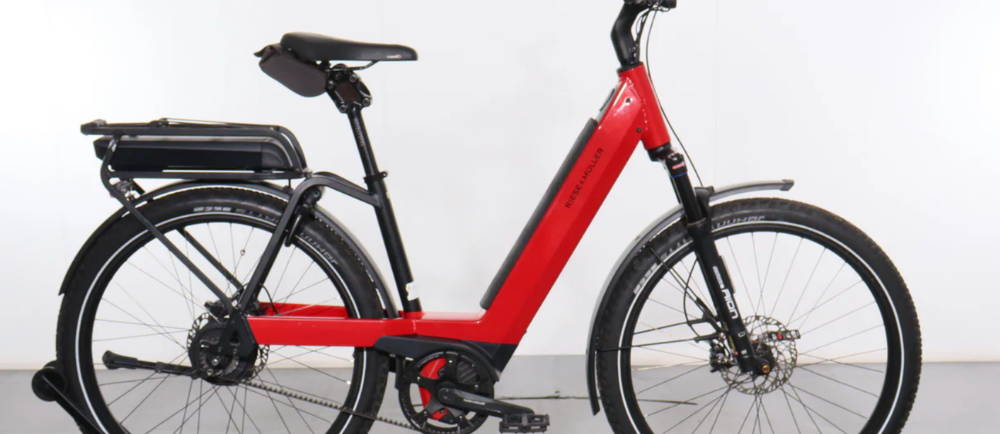
- Riese & Müller Nevo5: It moves into the next generation with a Bosch Performance Line CX motor, battery options including 600Wh or 800Wh, and optional Bosch PowerMore 250 support.
That is the point where the brands stop feeling interchangeable. Rad shines when the goal is clear and value matters. Riese & Müller wins when the rider cares more about feel, finish, and how much nicer the bike can make the same job.
How different do they feel on the road?
They feel different fast. Rad Power Bikes has a more immediate, simpler character. Many Rad bikes lean on hub motors, which give them a more direct shove when power comes on. A bike like the RadWagon 5 or RadRunner Max is not trying to fade into the background. It is built to make errands, cargo, and everyday transportation easier.
Riese & Müller feels more composed and more premium from the first few pedal strokes. Because the brand leans so heavily on Bosch mid-drive systems, the power delivery tends to feel more integrated through the drivetrain. Bikes like the Charger4 and Nevo5 are not only about getting help from the motor. They are designed to make the whole ride feel smoother, steadier, and more controlled.
On the road, the difference shows up quickly: Rad feels more immediate, while Riese & Müller feels more polished.
Which one makes more sense for commuting, cargo, and family riding?
If your riding is built around commuting, carrying groceries, carrying a child or passenger, or replacing short car trips, Rad Power Bikes often makes the simpler fit. That is what the brand is centered on. The jobs are clear, and the bikes are designed to make those jobs feel manageable without asking the rider to overthink the choice. Bikes like the RadWagon 5 and RadRunner Max make that mission pretty obvious.
Riese & Müller gets more compelling once the same jobs start coming with higher expectations. Longer commutes. Better comfort. Better component quality. More confidence under load. A more premium day-to-day ride. In this comparison, daily practical use means errands, commuting, carrying cargo, carrying a passenger, or replacing short car trips. Riese & Müller often serves the same needs at a higher premium, especially when rides are longer, and riders are fussier about feel.
Which one is easier to own long-term?
This is where the comparison matters more. Rad’s direct-to-consumer roots are part of the value story. That can be a plus on simplicity and price, but it also means the ownership side stays tied more closely to Rad’s own support structure and whatever local service help you can find. It also matters that Rad has gone through safety recalls and battery-related safety actions, layoffs, and a Chapter 11 bankruptcy process. That does not mean a Rad bike stops making sense, but it does mean parts support, battery support, and service access deserve more attention than they might have a few years ago.
Riese & Müller changes that equation because it relies so heavily on Bosch. Bosch systems are familiar to many shops, widely supported, and easier to trust over the long term if you care about standardization and mechanical familiarity. That does not automatically make a Riese & Müller more affordable to own. It does make the support story feel more established.
Where can you shop for Rad Power and Riese & Müller?
Brand-direct or dealer shopping is one route. Upway is useful for a different reason. It gives you a place to compare Rad Power e-Bikes and Riese & Müller e-Bikes side by side in one marketplace of certified pre-owned e-Bikes instead of bouncing between separate brand ecosystems.
Upway’s bikes undergo a 50-point inspection, include a 1-year warranty, and offer a 14-day return period. And, Upway’s certified pre-owned electric bikes can be priced at up to 60% off retail.
That matters here because the better question is often not just which brand sounds better on paper, but which certified pre-owned e-Bike is the better buy right now for the kind of riding you actually do.
Frequently Asked Questions
Is Rad Power more affordable than Riese & Müller?
Does Riese & Müller make better e-Bikes than Rad Power?
Not always. Riese & Müller often looks better if you care about premium comfort, Bosch systems, and a more refined ride. Rad often looks better if you care about straightforward daily practical use, approachable pricing, and clear cargo or commuter value.
Which brand is better for cargo and family riding?
Both can work, but they do it in different ways. Rad’s cargo angle is more direct, centered on everyday practical use, with bikes like the RadWagon 5 built for family hauling and load-carrying. Riese & Müller’s Load4 75 is more refined and premium, with a higher-end engineered-bike feel for the same kind of family-cargo work.
Key Takeaways
- Rad Power Bikes is the simpler daily use choice, with easier-to-read value and better cargo appeal.
- Riese & Müller is the more premium Bosch-powered choice, with more refinement and a better long-term ownership story.
- The better brand depends on whether you want straightforward everyday usefulness or a more polished, high-end e-Bike experience.