Yes, in the straightforward sense. Rad’s direct-to-consumer background and a tighter lineup of daily-use products make it easier to hit lower price points. Cube often offers more Bosch-equipped options, a broader selection of categories, and a more traditional bike-brand refinement, but that can push pricing higher, depending on the model.
Rad Power vs Cube: Which E-Bike Brand Fits You Better?
Written by: Chris Van Leuven | April 24, 2026 | Time to read: 8 min
Compare 2026 e-Bike models from Rad Power Bikes and Cube, including motors, cargo options, ride feel, and which brand fits your riding best.

More about the Author: Chris Van Leuven
Chris is a writer, climber, and founder of Yosemite E-Biking in Mariposa, CA. When he’s not tackling Sierra Foothills trails or scaling rock walls, he’s crafting adventure stories with his boxer, Fenster. His work has appeared in Outside, Men’s Journal, Gripped, and Best American Sports Writing.
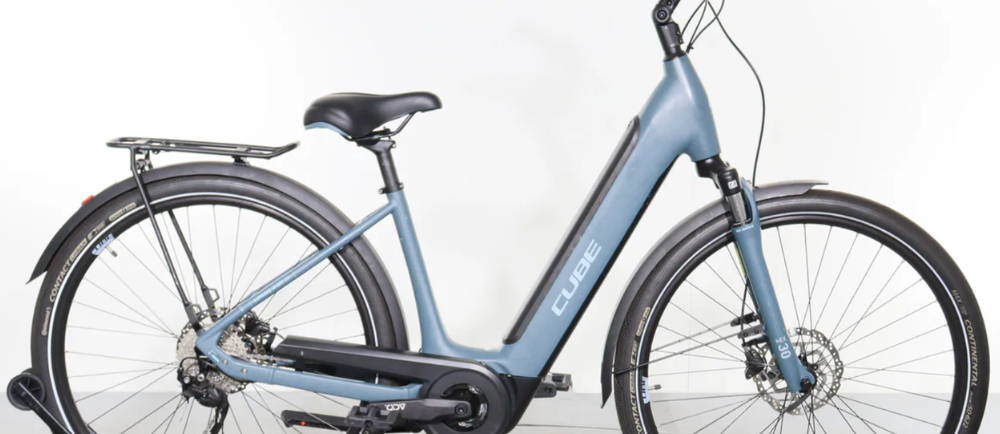
If you are comparing Rad Power Bikes and Cube, you are really comparing two different ideas of what an e-Bike should do well. Rad Power has built its name around daily practical use: commuting, carrying cargo, replacing short car trips, and making the bike feel easy to understand. Cube comes from a broader bike-company direction, with a wider range of models, Bosch integration, and more options for riders who want a city bike, a family cargo bike, or a longer-distance commuter with a more traditional cycling feel.
That difference starts to make sense once you stop reading spec sheets as if they all mean the same thing. Rad makes the simpler pitch. Cube gives you a wider variety. If you want a straightforward answer for errands, family hauling, or everyday transportation, Rad often comes out ahead. If you want a wider range of categories and more Bosch-powered options, Cube is the better choice.
In this blog, I’ll look at how Rad Power Bikes and Cube compare on ride feel, motors, cargo and commuter use, long-term ownership, and which brand makes more sense for different kinds of riders.
👋 Welcome to Upway!
Upway is your top destination for buying and selling e-Bikes online. Discover your next e-Bike at up to 60% off retail prices, available in new or like-new condition.
Table of Contents
What is the quick comparison between Rad Power and Cube?
How do Rad Power and Cube differ as brands?
Popular 2026 Rad Power and Cube models comparison
How do the motors and ride feel compared?
Which brand makes more sense for commuting, cargo, and daily practical use?
What about long-term ownership and service?
Where can you buy a Rad Power or Cube e-Bike?
What is the quick comparison between Rad Power and Cube?
At a glance, Rad Power Bikes makes more sense for riders who want an e-Bike that feels practical right away. The lineup is easier to read, the jobs are clearer, and the bikes are often built around commuting, cargo, folding convenience, or short car replacement. Cube feels more like a full bike company that happens to be very serious about e-Bikes. That means more category range, more Bosch-powered choices, and more room to get specific about the kind of riding you actually do.
In short, Rad is the simpler choice for everyday use, while Cube offers a greater range, refinement, and depth across categories.
How do Rad Power and Cube differ as brands?
Rad Power grew by making e-Bikes feel less intimidating and more immediately useful. Its identity still revolves around practical electric bikes sold in a way that feels more accessible to a wider range of riders. That is a big reason the brand became so recognizable in North America.
Cube comes from a more classic direction in the bike industry. It feels less focused on a single obvious point and more like a traditional cycling brand with a great e-Bike range. That changes the buying question. With Rad Power, the question is often whether you want a bike that makes errands, commuting, cargo, or short car replacement easier. With Cube, the question is more often which kind of e-Bike you actually want, from compact city riding to family cargo to longer-distance commuting.
Popular 2026 Rad Power and Cube models comparison
This comparison gets more useful when the bikes are doing similar jobs. For a compact city e-Bike comparison, a useful pairing is the RadExpand 5 Plus and the 2026 Cube Compact Hybrid Comfort 545.
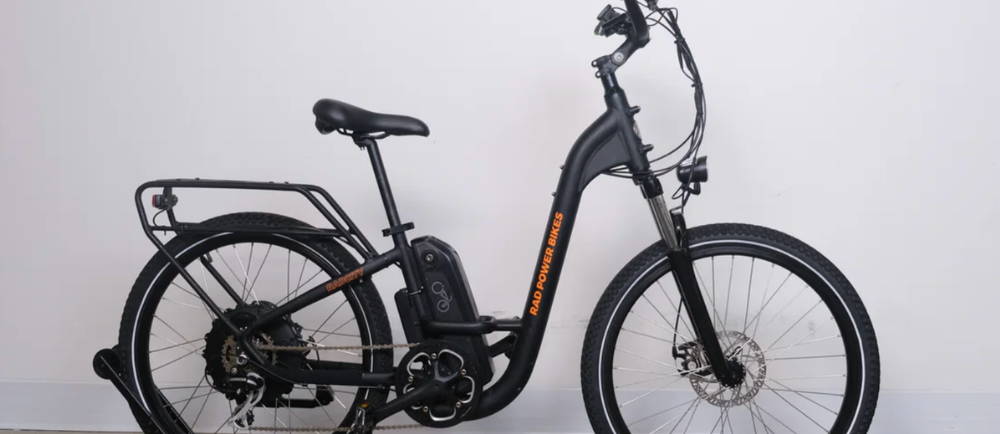
RadExpand 5 Plus: It has a 750W geared hub motor, 64 Nm of torque, a 720Wh battery, a 20 mph top speed with assistance, and a 315 lb payload. It also folds, giving it an obvious advantage in storage and flexibility.
2026 Cube Compact Hybrid Comfort 545: It uses a Bosch Performance motor, a 545Wh battery, and Shimano hub gears in a smaller urban frame designed to stay nimble and easy to live with. This is the higher-end city answer, but it is not trying to do the same folding-bike job as the Rad.
For a family cargo e-Bike comparison, the best pairing is the RadWagon 5 and the 2026 Cube Longtail Hybrid Family 800.
- RadWagon 5: It has a 750W motor, up to 60+ miles of range, and a 375 lb payload. This is a very direct family-hauler and grocery-getter e-Bike.
- 2026 Cube Longtail Hybrid Family 800: It uses a Bosch Cargo Line motor, an 800Wh battery, and a total carrying capacity of up to 200 kg (about 441 lb). It is the more premium, Bosch-driven family cargo answer.
For a longer-range commuter comparison, the contrast is less one-to-one, but still useful.
- RadRunner Max: It has a 750W motor, up to 100 Nm of torque, a 420 lb payload, and 60+ miles of range. It is still very much a daily practical use bike, just with more muscle than Rad’s simpler models.
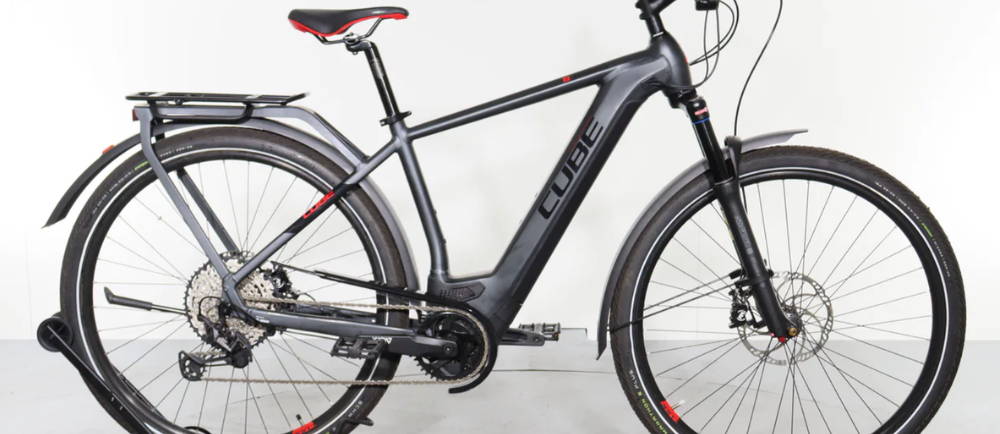
- 2026 Cube Kathmandu Hybrid ONE 800: It uses a Bosch Performance Line CX motor with up to 100 Nm of torque and an 800Wh battery. This is the kind of bike people mean when they want a longer-distance commuter with more refinement and less cargo-first identity.
That is one of the best ways to understand the comparison. Rad is better when the job is simple and practical. Cube often works better once the riding needs get broader or more specific.
How do the motors and ride feel compare?
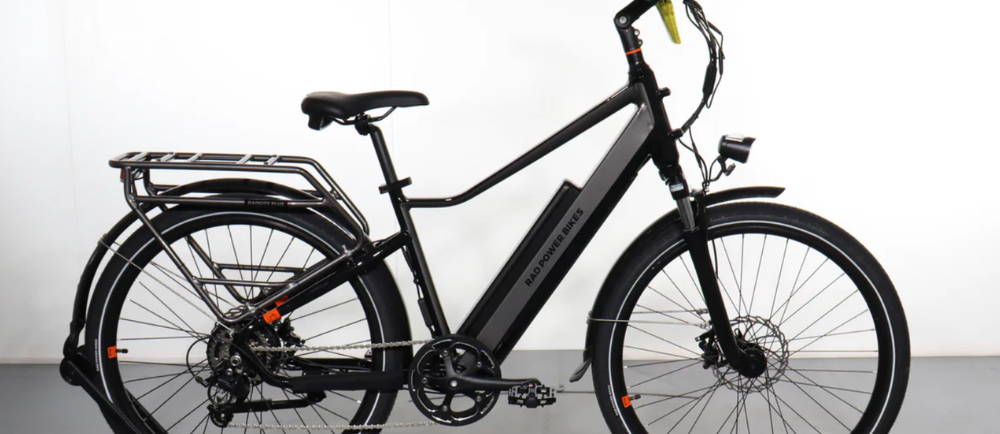
This is where the comparison becomes real. Rad Power Bikes still makes the most sense if you like immediate, low-drama power and a simpler riding experience. Many Rad bikes rely on hub motors, which means a more direct push when the motor engages. A bike like the RadExpand 5 Plus or RadWagon 5 isn't trying to be subtle. It is designed to make errands, cargo transport, and daily transportation feel easier.
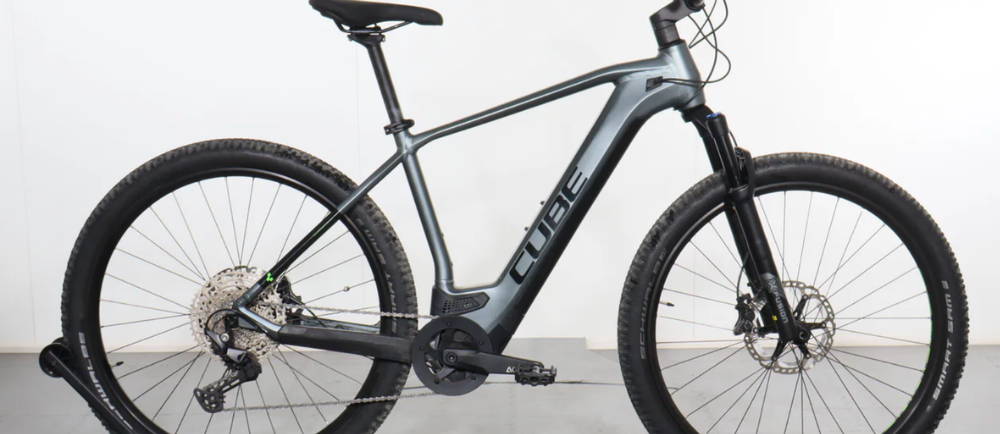
Cube feels more like a conventional bicycle with great electric support, thanks to how heavily the brand leans on Bosch mid-drive systems. A bike like the Compact Hybrid Comfort 545 or Kathmandu Hybrid ONE 800 is built around smoother integration, more natural power delivery through the drivetrain, and a better sense that it's still a bicycle first, just with serious electric help.
More simply, Rad Power Bikes feel more direct and better suited for everyday use. Cube feels more refined and more like a traditional premium e-Bike.
Which brand makes more sense for commuting, cargo, and daily practical use?
If your riding is built around commuting, carrying groceries, passengers, or replacing short car trips, Rad Power Bikes often makes the better argument. That is really the center of the brand. The jobs are easy to understand, and the bikes are designed to make those jobs feel normal fast. Bikes like the RadWagon 5 and RadRunner Max make that mission pretty obvious.
If your riding starts drifting toward longer-distance city riding, broader category shopping, Bosch-specific ownership, a higher-end commuter feel, or a more traditional bike-brand experience, then Cube is the better choice. Cube’s lineup gives you more room to be specific, and that is one of the brand’s biggest advantages.
What about long-term ownership and service?
This is one of the more important differences, and it is easy to underestimate. Rad’s direct-to-consumer roots are a big part of its value story. That can be a plus for simplicity and pricing, but it also means the ownership experience stays more closely tied to Rad’s own support structure and whatever local service options you have access to.
Cube’s Bosch-heavy approach changes the ownership equation. Bosch systems are familiar to many shops, widely supported, and easier to like in the long term if you care about service standardization and broad mechanic familiarity. That does not automatically make Cube more affordable to own, but it does make the support story easier to trust if you want a more established drive-system ecosystem.
Where can you buy a Rad Power or Cube e-Bike?
Brand-direct or dealer shopping is one route. Upway is worth checking out for another reason: it lets you compare Rad Power e-Bikes and Cube e-Bikes in one marketplace of certified pre-owned e-Bikes, rather than chasing one brand at a time.
Upway’s bikes go through a 50-point inspection, include a 1-year warranty, and come with a 14-day return period. Upway certified pre-owned electric bikes can be priced up to 60% off, making the comparison more practical when you are weighing value alongside brand and specs.
That matters in a comparison like this because the more useful question is often not simply which brand comes out ahead, but which certified pre-owned e-Bike makes the most sense for you right now.
Frequently Asked Questions
Is Rad Power more affordable than Cube?
Does Cube make better e-Bikes than Rad Power?
Not across the board. Cube often looks better if you care about Bosch systems, a broader range of categories, and a more traditional cycling feel. Rad often looks better if you care about straightforward daily practical use, approachable pricing, and cargo-first design.
Which brand is better for cargo and family riding?
Both can work, but they do it differently. Rad’s cargo pitch is more obvious and more focused on daily practical use, with bikes like the RadWagon 5 built around family hauling and load-carrying. Cube’s Longtail Hybrid Family 800 is more refined and more Bosch-driven, with a better traditional-bike feel that builds on the same family-cargo idea.
Key Takeaways
- Rad Power Bikes is the simpler, daily practical use choice, with easier-to-read value and better cargo appeal.
- Cube is the broader Bosch-powered choice, with more category variety and a more traditional cycling feel.
- The better brand depends less on the logo and more on whether you want straightforward daily practicality or a wider, more refined range of e-Bike options.