Not necessarily. Charging to 80% to 90% for everyday riding reduces long-term stress on the cells, though occasional full charges are fine.
How To Properly Charge An E-Bike Battery
Written by: Tom Fortune | June 25, 2026 | Time to read 5 min
Most people just plug in and walk away. A few simple habits can add years to your battery’s life.

More about the Author: Tom Fortune
Tom is a Brit living in the French Alps. When he's not creating written and video content for various brands, he's either pedalling or snowboarding around his local mountains. E-Bikes have unlocked the potential for Tom to explore Alpine terrain and get away from the crowded bike parks. He is only too keen to share his knowledge and experience with other riders.

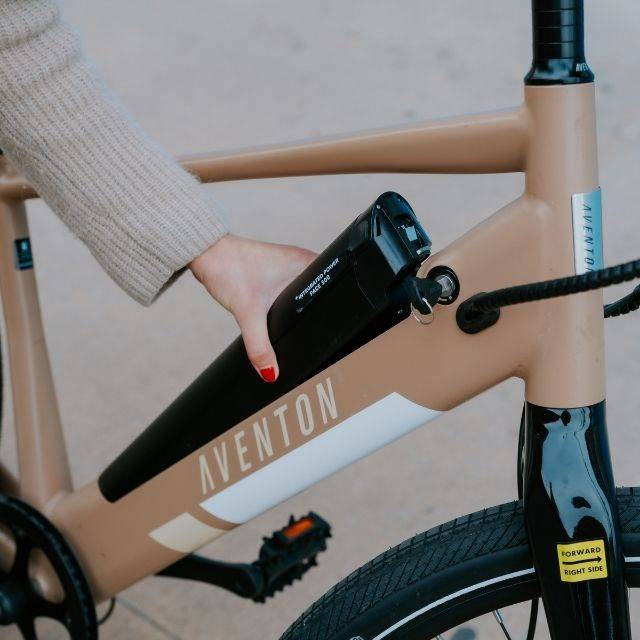
Your electric bike’s battery just looks like a boring black box, fitted somewhere on your bike, but it’s your bike’s most expensive component, so it’s a good idea to look after it. Getting more life out of an e-Bike battery usually comes down to getting into a few charging habits. The good news is that most of them are easy to adopt and become second nature after a while. Here are my top tips for properly charging an electric bike battery.
Use the Charger That Came With the Bike
The charger that comes with your e-Bike is matched to your battery’s voltage and chemistry. A lot of people swap it out when it gets lost or breaks and don’t think much of it, but using one that isn’t rated for your specific battery can degrade the cells faster than normal. In the worst cases, it’s a safety issue too, and we’ve all seen reports of electric bike battery fires.
If you need a replacement, it’s best to get one from the manufacturer or a dealer who can confirm that it’s compatible. A smart charger built for your battery is fine. A generic one that happens to fit the charge port is not.
Your Battery Management System does a lot of work in the background. It cuts the charge when the battery is full and protects the cells during discharge. It can only do that properly within the parameters it was designed around, though, and an incompatible charger makes life difficult for your BMS.
👋 Welcome to Upway!
Upway is your top destination for buying and selling e-Bikes online. Discover your next e-Bike at up to 60% off retail prices, available in new or like-new condition.
How Full Should You Charge It?
Stopping the charge at around 80% to 90% for everyday riding is kinder to the battery than going to 100% every time. Lithium batteries sit under more stress at the very top of their charge range, and regularly maxing them out chips away at capacity over time in ways that aren’t obvious until the range starts to drop.
The thing is, you shouldn’t worry too much about this. I usually charge my battery to 100%, as I live in the mountains, and most of the time, I have a big day out and need every kilometer of range. The battery is built to handle it. Just not every single day when you’re only nipping to the shops.
| Situation | Charge level to aim for | Why |
|---|---|---|
| Everyday riding | 80% to 90% | Reduces stress on battery cells and extends overall battery life |
| Long ride or full day out | 100% | You need the range, and occasional full charges are fine |
| Leaving it unused for a week or more | 50% to 70% | Mid-range charge is the least stressful state for the cells |
| Winter storage | 50% to 60% | Keeps the pack stable and avoids deep discharge over cold months |
It’s also worth avoiding letting it go completely flat. Most Battery Management Systems cut power before the battery gets to zero, but leaving a deeply discharged battery sitting for weeks can push cells somewhere they don’t come back from. Charge it before you put the bike away, even if you’re not planning to ride for a while.
How Often Should You Charge It?
As often as you need to. Lithium batteries don’t carry the memory effect you get with older chemistries, so there’s no need to drain them fully before plugging in. You can top it up after a ride if you want to. Leave it at 50% for a few days if that’s how it works out. Neither will cause any harm.
What’s worth avoiding is leaving it sitting completely empty for weeks, or keeping it at 100% for long stretches when you’re not riding. Both put the cells under unnecessary stress in different ways.
Discharge cycles matter over the longer term. Most ebike batteries are rated for 500-1,000 full cycles before capacity starts to drop noticeably. Partial cycles count proportionally, so a habit of topping up regularly rather than running the pack flat each time stretches the lifespan further.
Temperature and Charging
Temperature considerably affects how a battery performs, and charging in the wrong conditions can cause damage that shortens its lifespan.
Cold is the main problem. Charging a lithium battery below around 5°C can cause lithium plating inside the cells. It’s a form of internal damage that quietly reduces battery capacity and, in more serious cases, creates a safety risk. Coming in from a cold-weather ride and immediately plugging in is one of the more common ways batteries get damaged without riders ever realizing it. Give it twenty minutes to warm up to room temperature first.
The Upway guide to e-Bike battery temperature covers cold weather storage and getting the most out of your pack through winter in more detail.
Heat isn’t great either. Charging in a hot garage during summer pushes the chemical reactions inside the cells, accelerating wear. Room temperature is where the battery performs and ages best.
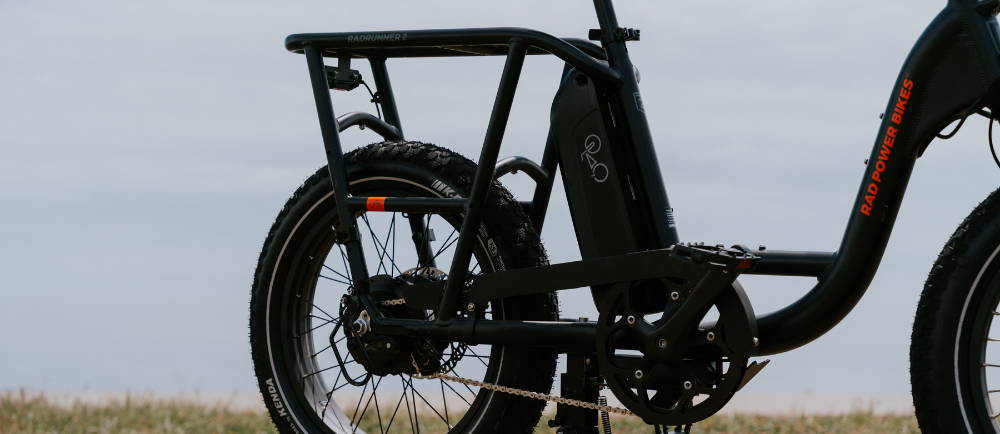
Long-Term Storage
If, like me, you put your bike away for a few months in the winter, it’s worth spending five minutes getting the battery into the right state before you put it away. Leaving it fully charged or completely flat for winter creates problems at either extreme.
The target is around 50% to 60% charge for storage. That’s the range where the cells are under the least internal stress. Check the level every month or two while it’s in storage, and give it a small top-up if it drops below 40%.
Bring a detachable battery indoors rather than leaving it in a cold shed or garage. If you’re not sure how much life is left in yours after a long winter, the Upway guide on when to replace your e-Bike battery is a useful reference point.
Charging Safety
Modern e-Bike batteries are well built, and problems are rare when you use the right charger and follow basic precautions. A few things are worth knowing about.
Charging overnight every night isn’t ideal, not because something is likely to go wrong, but because a battery developing a fault is better caught when someone is around. Charging during the day at home is a better habit, or use a smart charger with a built-in timer if you have to leave it charging unsupervised.
Thermal runaway is rare but serious. It’s what occurs when a damaged or failing cell overheats and can’t stop. The symptoms are unusual heat during charging, swelling of the battery casing, or a smell that isn’t right, and all of them should be taken seriously. Disconnect immediately and don’t use the battery until it’s been checked by someone who knows what they’re looking at.
Charging near a smoke detector is a good idea. And if the battery has taken a hard knock in a crash, get it inspected before plugging in again. Internal cell damage doesn’t always show on the outside.
Buying a Pre-Owned E-Bike? Here's What to Know

Battery condition is the most important thing to check when buying a used e-Bike, and it’s also the hardest to verify if you buy from a private seller. A battery that’s been regularly overcharged, stored badly over winter, or run on a generic charger can look perfectly healthy on the outside and still have lost a significant chunk of its capacity.
Every e-Bike on Upway undergoes a 50-point inspection before going on sale, and any battery with a capacity below 80% is replaced before the listing goes live. Browse electric mountain bikes, electric city bikes, or the full range of long-range e-Bikes if range is the priority.
Frequently Asked Questions
Should I charge my e-Bike battery to 100% every time?
Can I leave my e-Bike charging overnight?
It’s not dangerous with a good charger and BMS, but charging during the day when you’re around is a better habit.
What happens if I use the wrong charger?
It can degrade the battery cells faster or cause safety issues. Always use the charger supplied with the bike or a confirmed compatible replacement.
How do I store my e-Bike battery for winter?
Store it at around 50% to 60% charge in a cool, dry place indoors and check the charge level every month or two.
How many times can I charge my e-Bike battery?
Most packs are rated for 500 to 1,000 full-discharge cycles before capacity starts to drop noticeably
Key Takeaways
- Charging to 80% to 90% for everyday use reduces long-term battery deterioration, though occasional full charges are fine when you need the range.
- Never charge a cold battery straight after a winter ride. Let it reach room temperature first to avoid damage to the internal cells.
- For long-term storage, keep the battery at 50% to 60% charge in a cool, dry place indoors and check it every month or two.