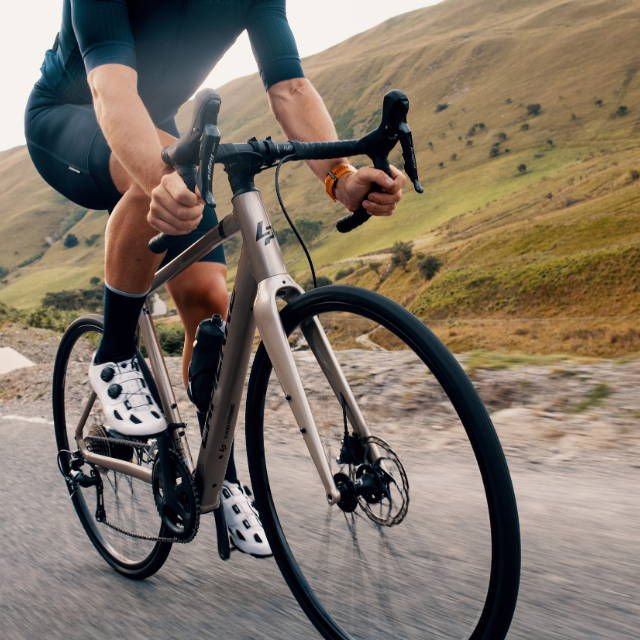
Of course, direct protection is essential, but be sure you have rotational forces covered as well. Chances are, a fall won’t be completely linear, so it is important to keep your brain safe against force from every angle.
MIPS and More: Guide To Bike Helmet Protection Technologies
Written by: Nick Cowie | June 4, 2026 | Time to read: 5 min
There is nothing more important than your safety as a rider. As cycling evolves, helmet technology needs to advance with it. Let’s take a look at some of the best protection technologies on the market.

More about the Author: Nick Cowie
Nick is a writer with seven years of experience in the cycling industry. In his free time, he enjoys swimming, Jiu Jitsu, and spending time outdoors.
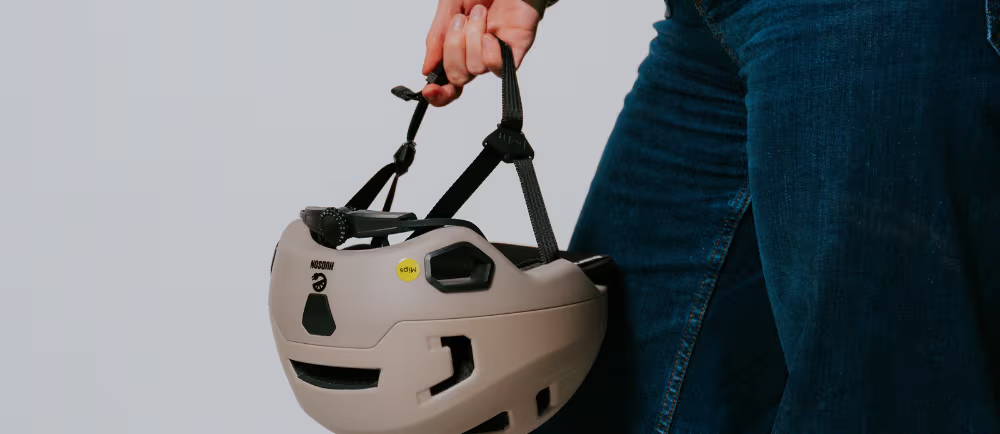
“Safety first” is a cliché at this point, but it really is the truth. Cycling involves high speeds, hard surfaces, and unpredictable events, which unfortunately means that the occasional crash is inevitable. Make sure you get a proven helmet with proper technology to make sure you stay safe.
The best bike helmets protect against every kind of force. Linear force and rotational force need to be dissipated during bicycle crashes to avoid serious head injuries. EPS foam is used by most to take on traditional linear impact force. There are similarities, but each tech has its distinctions. These technologies do it all better than most.
👋 Welcome to Upway!
Upway is your top destination for buying and selling e-Bikes online. Discover your next e-Bike at up to 60% off retail prices, available in new or like-new condition.
Table of Contents
Most Common Helmet Protection Technologies
Helmet technology has advanced leaps and bounds as cycling has progressed. Now, there are different brands that adopt different technologies and incorporate them in their gear. All of them use their respective tech to keep the rider safe from linear and rotational impacts at high speeds.
MIPS
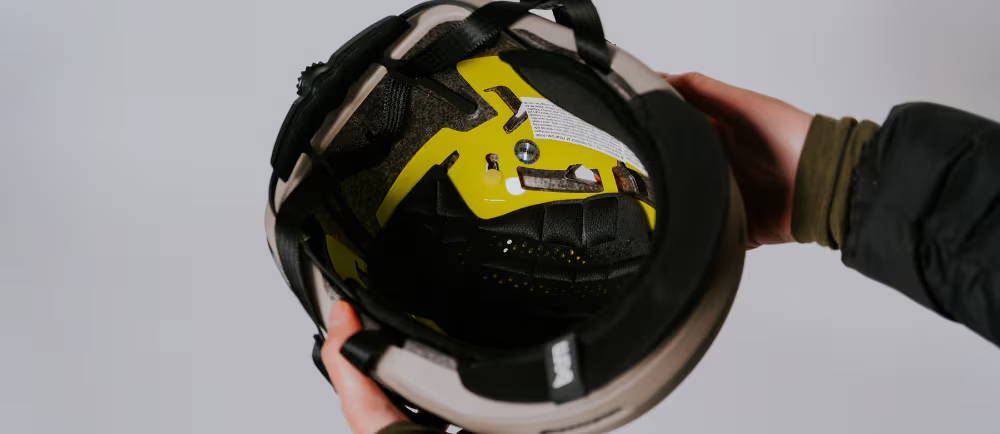
Used by a range of cycling helmet brands, MIPS is the most recognizable name in rotational force dissipation technology. MIPS bike helmets use a slip plane design, which allows the two layers of the helmet to move independently. You will be able to tell it is a MIPS helmet if you see a usually yellow webbing on the inside. MIPS stands for Multi-Directional Impact Protection System and aims to guard a rider against all types of force.
MIPS accomplishes this goal through the slight movements of the low-friction inner layer. This sliding motion moves the forces from a crash away from the head to reduce the chances of brain injury. This movement reduces the amount the brain moves, strengthening impact protection and lowering concussion risk. It is a top choice for road riders who tend to experience the most rotational impact. The MIPS Brain Protection System is a proven commodity that can be purchased with confidence.
KinetiCore
KinetiCore was created by Lazer, one of the most trusted and valued brands in the cycling community. Just like MIPS, this technology focuses on both direct and rotational forces, increasing practical protection exponentially. Differing from MIPS, it includes just one layer, rather than two. This gives KinetiCore the ability to be lighter and more ventilated with its simplified construction, especially on its racing helmets.
To maximize the helmet’s impact absorption during a crash, KinetiCore uses designated crumple zones to take the brunt of the force. These specialized blocks essentially act like the crumple zone on a car, deforming to take on damage from impact in all directions instead of your head. With a lightweight design and free-flowing ventilation, many riders prefer Lazer’s KinetiCore bike helmets as their top choice.
WaveCel
WaveCel explains their technology as hundreds of interconnected shock absorbers teaming up to protect your head. It features a 3D honeycomb-style matrix that can flex, crumple, and glide to redirect impact energy away from your head in the event of a crash. WaveCel is regularly right up there with MIPS in scoring during independent impact testing for cycling helmet safety ratings.
Like MIPS, the value in WaveCel bike helmets lies in their ability to dissipate rotational forces. Its flexible matrix guides impact away from the head while the crumple zone takes on the direct force. WaveCel has become a top choice for mountain bike helmets in addition to road bike helmets. You can find WaveCel technology on Trek and Anon bike helmets.
💸 Want to sell your electric bike?
- In case you didn't know yet, you can sell your e-Bike to Upway and get your cash in 3 simple steps.
- Want an estimation -> It takes only 2 minutes to complete this form
Are helmets with rotational impact reduction features worth it?
Safety is the one thing you don’t want to penny-pinch on. Luckily, many of these technologies have lowered in price significantly since their inception. Now that the tech is more available, more brands use it, and riders can get better prices on potentially life-saving technology. Luckily, any helmet that has the proper certifications is usually a good choice, so you don’t have to worry too much about buying the right one. If MIPS isn’t your thing, you can see what other helmets Virginia Tech rated highly.
When you do buy a helmet, make sure it fits properly. An ill-fitting helmet is a safety issue and can even fly off before impact in a crash. If you do experience a crash, make sure you get a new helmet. The old one will not have the same damage-preventing properties it did before. Prioritize your safety so you can have fun riding.
Frequently Asked Questions
What type of protection do I need?
What brands make these bike helmets?
MIPS is used across a wide range of helmet manufacturers like Bell and Giro. KinetiCore is exclusive to Lazer, while WaveCel is used by Trek and Anon.
What disciplines are these bike helmets best for?
All of these technologies have bike helmets for each category, but MIPS is usually preferred by road cyclists, KinetiCore is often used by urban riders, and WaveCel is a top choice for mountain bike helmets.
Key Takeaways
- Protect against it all: Don’t skimp on protecting yourself. Forces come from all angles, so you need a helmet that can take on all comers. If a crash happens, you will be glad you picked up top-tier tech.
- Comfort matters: Your safety shouldn’t have to come at the expense of comfort or performance. Try on some bike helmets with each technology and see which one feels the most comfortable, lightest, and best ventilated. Find the best helmet fit with a comfortable liner and chin strap that suits you.
- Check certification: Make sure your helmet meets CPSC safety standards. Virginia Tech is also great at testing helmets and will provide helmet ratings. Certified bike helmets are the fastest way to peace of mind on your ride.