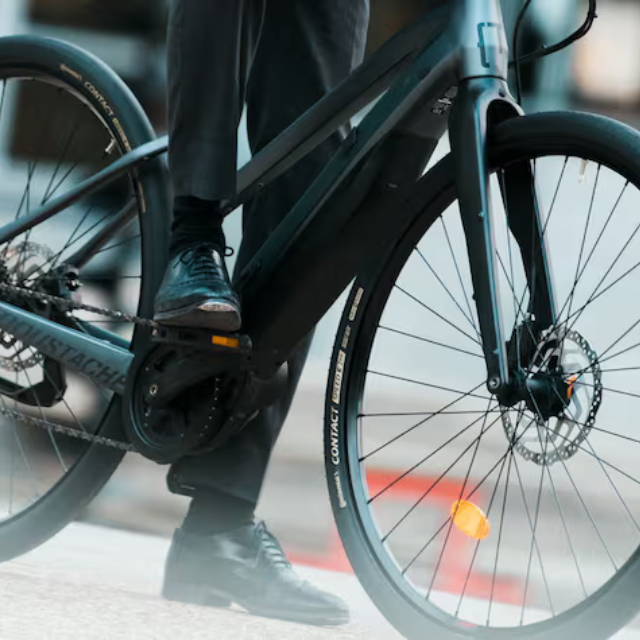
Electric bikes are typically come in frame sizes from XS to XL. The measurement can be represented by the length of the seat tube, but also includes other aspects of the frame geometry— that's why bike brands use alpha sizing these days.
Electric Bike Sizing Guide: Pick the Ideal E-Bike for Your Height and Weight
Written by: Rémy Rossi | November 18, 2025 | Time to read 6 min
Find your ideal e-Bike size using just one (or two) easy measurements and a helpful chart.

More about the Author: Remy Rossi
Rémy Rossi is a bike writer, mechanic, and educator who got his start in community-based bike shops and co-ops. With a decade in the industry, he still wrenches on bikes when he can and plays bike polo on a fixie.

Finding the perfect bike fit doesn’t have to feel like a wild goose chase or searching for a glass slipper. With just a couple of measurements and a helpful size chart, you can find the right frame size for you. Upway includes a sizing recommendation based on rider height for each electric bike. I’ll share a few more tricks to ensure you’ve covered all your bases when choosing the appropriate electric bike for your height and weight.
Table of Contents
How are electric bikes sized?

Most electric bikes, like standard bicycles, come in a few different frame sizes. Matching the frame size to your body is the most effective way to achieve the most comfortable and appropriate fit. Beyond that, you can make smaller adjustments to the seat height and other angles around the bike.
Bikes used to be sized according to their seat tube length, but these days they use alpha-sizing (XS-XL). There may even be smaller and larger sizes than that, while certain models— including many cargo e-Bikes— are available in only one size option. Most Aventon electric bikes, for example, come in Regular and Large sizes. Many XS and S electric mountain bikes come with smaller wheels to achieve a more balanced feel overall.
Bikes used to be sized according to their seat tube length, but these days they use alpha-sizing (XS-XL). There may even be smaller and larger sizes than that, while certain models— including many cargo e-Bikes— are available in only one size option. Most Aventon electric bikes, for example, come in Regular and Large sizes. Many XS and S electric mountain bikes come with smaller wheels to achieve a more balanced feel overall.
🤝 Get an even better discount when you trade in your electric bike now!
Click here for a price estimation
How to determine your ideal frame size
When in doubt, compare your height to the size chart provided by the bike’s manufacturer to find your recommended frame size.
Step 1: Measure your height
Most bike size recommendations are made according to rider height. This is because height is generally a decent representation of other important proportional measurements, like one’s legs, torso, and how they would fit on a bike. Feel free to take an updated height measurement— you can never be too sure.
Step 2: Measure your inseam
Pedaling is all in the legs, so it’s a good idea to dial in your bike fit based on inseam length. It’s often a useful secondary measurement in addition to rider height.
How to measure your inseam
- First, grab a book (or any flat object) and a measuring tape or ruler.
- Be sure to wear fitted clothes—like what you’d cycle in—and take off your shoes before measuring your inseam.
- Stand with your back against a wall, feet about shoulder-width apart, heels touching the wall.
- Place the book between your legs with the spine snug against your crotch, as if it were the bike’s top tube.
- Step away and measure from the floor to the top edge of the book. That number is your inseam length.
Step 3: Compare against the model-specific size chart
Brands provide a size chart for every bike they make, tailoring it to the specific geometry of each model. That chart or size recommendation is typically listed on the model page of the brand’s website. For the most accurate recommendation, analyze your measurements with this chart rather than a general sizing guide.
Upway provides sizing recommendations

Every e-Bike on Upway comes with detailed sizing information based on the brand’s measurements and recommendations. When manufacturers don’t supply the data, we calculate it ourselves. Our recommendations are backed by real-world testing— cross-referenced with thousands of bikes that have gone through our UpCenters— so you can shop with total confidence that your new e-Bike will fit perfectly.
Upway offers a 14-day return period on all electric bikes, no questions asked. If the bike doesn’t fit you properly, send it back and we’ll work with you to find the right match!
Is seat tube length important for bike sizing?
What is the seat tube? The seat tube connects the bottom bracket to the seat post clamp and serves as one of the key reference points in bike geometry. Its length has long been used as a measure of frame size, as it closely relates to rider height and leg length.
Traditionally, road bikes listed seat tube length in centimeters, and mountain bikes used inches. However, most modern manufacturers now use alpha sizing (XS–XL) on all bikes to reflect not only the seat tube but also other key dimensions, such as reach and stack.
Frame size is often printed on or near the seat tube. If your current bike fits you well, comparing its seat tube measurement with that of a potential new bike is a simple way to ensure a similar fit.
Traditionally, road bikes listed seat tube length in centimeters, and mountain bikes used inches. However, most modern manufacturers now use alpha sizing (XS–XL) on all bikes to reflect not only the seat tube but also other key dimensions, such as reach and stack.
Frame size is often printed on or near the seat tube. If your current bike fits you well, comparing its seat tube measurement with that of a potential new bike is a simple way to ensure a similar fit.
What is the standover height on electric bikes?

Stand-over height matters most on bikes with a traditional or “closed” frame design. This measurement refers to the vertical distance from the ground up to the top of the top tube, the very spot you’d be standing over when you straddle the bike.
For a comfortable and safe fit, your stand-over height should be about 1–2 inches (2.5–5 cm) shorter than your inseam length. That bit of space ensures you can stand flat-footed over the frame without it pressing against you, a key comfort and safety factor, especially when stopping or dismounting.
If you’re planning to ride off-road or want a little extra clearance, around 2–4 inches (5–10 cm) is ideal. Electric mountain bike frames often make this easier, since their top tubes are usually sloped downward to give you more room and better maneuverability.
For a comfortable and safe fit, your stand-over height should be about 1–2 inches (2.5–5 cm) shorter than your inseam length. That bit of space ensures you can stand flat-footed over the frame without it pressing against you, a key comfort and safety factor, especially when stopping or dismounting.
If you’re planning to ride off-road or want a little extra clearance, around 2–4 inches (5–10 cm) is ideal. Electric mountain bike frames often make this easier, since their top tubes are usually sloped downward to give you more room and better maneuverability.
E-Bike considerations for heavier riders
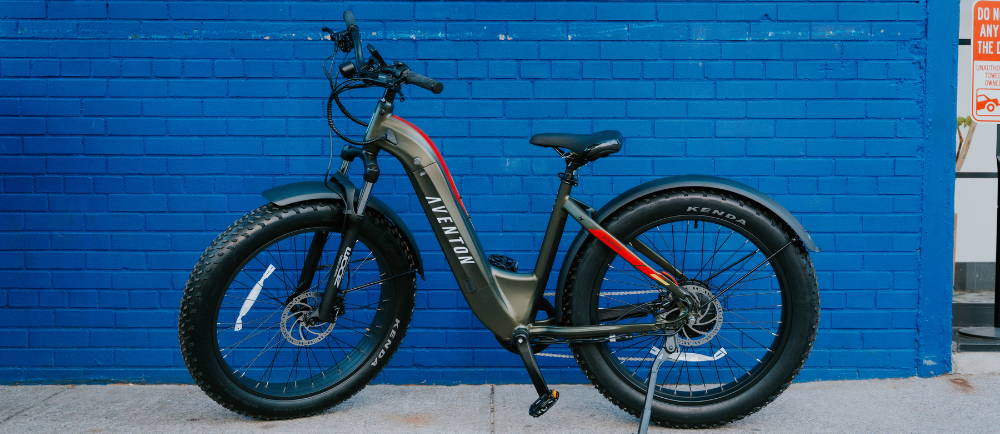
Bike size and fit are especially important for larger or heavier riders to ensure a comfortable ride. Most e-Bikes have a maximum weight capacity well above 200 pounds, with many utility and cargo models pushing past 300 pounds.
E-Bike wheels are often stronger to handle the added power and speed, but still make sure that the wheels are high-quality. A good motor with a torque sensor and decent torque output will also assist during accelerations, though heavier riders should be prepared for lower range numbers from the battery. I recently wrote about the best electric bikes for heavier riders.
If you're a larger or heavier rider, look for:
- A sturdy frame
- Higher payload capacity
- Wheel strength
- Appropriate bike fit
Want more information about bike fit and e-Bike sizes? Upway’s sizing guide is here to help.
Frequently Asked Questions
How are electric bikes measured?
I’m in between sizes: which should I choose?
If two different sizes are available, we recommend that our customers select the smaller of the two. This is because it's always possible to raise the saddle, whereas it's impossible to lower it further. If you are slightly under the minimum size (or over the maximum size) indicated on our site, it’s likely that the bike won't fit you correctly.
How can I measure my inseam?
To measure your inseam accurately, ensure you’re wearing snug clothing and no shoes. Stand with your back against a wall, feet shoulder-width apart. Place a book between your legs, spine up, snug against your crotch to mimic a bike’s top tube. Measure from the floor to the top edge of the book— this is your inseam length.
Key Takeaways
- Pick the Right Frame Size: Use your height and inseam to match the manufacturer's model-specific size chart. Modern bikes use alpha-sizing (XS-XL) rather than just seat tube length.
- Measure Your Inseam: Calculate your inseam and ensure the e-Bike's stand-over height is 1-2 inches shorter than your inseam for safe clearance when stopping.
- Heavier Riders May Want Specific Checks: If you are a heavier rider, always check the e-Bike's payload capacity, wheel strength, and opt for a high-quality motor for a better experience.