No. Battery diagnostics and repair require specific training and tools that not every bike shop has, even if they're skilled at mechanical repairs. It's worth asking a shop directly if they service your battery platform before booking.
Can Any Bike Shop Repair an E-Bike? What U.S. Riders Need to Know
Written by: Tom Fortune | July 30, 2026 | Time to read 5 min
Walking into a bike shop with an e-Bike problem doesn't guarantee they can fix it. Some shops won't even take certain brands through the door.

More about the Author: Tom Fortune
Tom is a Brit living in the French Alps. When he's not creating written and video content for various brands, he's either pedalling or snowboarding around his local mountains. E-Bikes have unlocked the potential for Tom to explore Alpine terrain and get away from the crowded bike parks. He is only too keen to share his knowledge and experience with other riders.
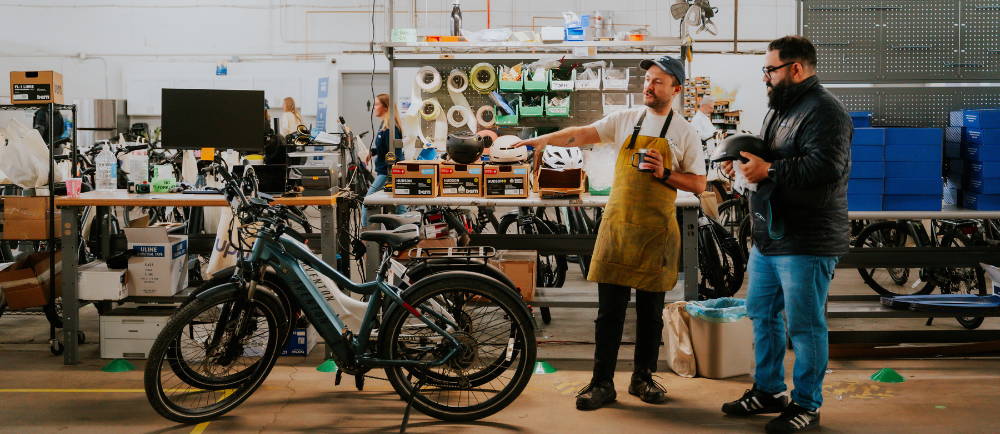
Let me tell you a sad story. My wife's Mondrakerelectric mountain bike switched itself off, and no matter what we did, we couldn't wake it up. So we took it to our local bike shop, which sent the motor away to Shimano. After about 3 weeks, they said they had updated the firmware and that everything was good. But when the motor returned to the bike shop, the motor was still dead. Our local Mondraker shop said they can't do anything different to help. So, as I write this, my wife has a fancy e-MTB that won't go anywhere and a sad face, while we try to find out what to do.
So, realistically, the answer is no, not every bike shop can or will repair every e-Bike. Some shops handle e-Bikes across every brand, while others limit themselves to brands they sell (not that that is helping right now). There's a growing number of bike shops that won't touch electrical work on a bike they didn't sell at all. This is a bigger deal in the U.S. than it might be elsewhere, since a lot of popular e-Bike brands sell direct to riders online without a dealer network behind them.
👋 Welcome to Upway!
Upway is your top destination for buying and selling e-Bikes online. Discover your next e-Bike at up to 60% off retail prices, available in new or like-new condition.
Table of Contents
The Short Answer
Any competent bike shop can handle the mechanical side of an e-Bike: flats, brakes, wheel truing, and general work, since those repairs are largely the same on an e-Bike or a regular one. Where it gets more limited is anything electrical: battery diagnostics, controller faults, motor issues, and error codes. That side requires training that many general bike shops simply haven't invested in, and not every shop wants to or can.
Mechanical Repairs vs. Electrical Repairs
Most of what goes wrong with an e-Bike is still mechanical, like suspension servicing, drivetrain issues, bearings, etc. These are the same problems every bicycle has, and any decent mechanic can handle them on an electric bike or a regular one.
Electrical problems are a different category entirely. Diagnosing a dead motor, a battery that won't charge, or a controller that's misbehaving takes specific training on how e-Bike electrical systems work, plus the diagnostic tools to read what's going wrong. A shop that's excellent at mechanical repairs can still be completely unequipped to touch the electrical side, and a good shop will tell you that upfront instead of guessing.
Why Some Shops Won't Touch Certain Brands
Bike shop owners have been fairly direct about this in industry surveys: some only service e-Bike brands they're authorized dealers for, since that relationship gives them access to parts and technical support. Others have stopped servicing direct-to-consumer brands entirely, citing insurance requirements and local fire department rules on how lithium-ion batteries must be stored on-site, rules that become harder to meet when a shop stocks batteries for brands it has no relationship with.
A few shops split the difference, handling the mechanical parts of a direct-to-consumer bike, but declining to touch anything electrical. So, it's worth asking a shop directly what they are willing to do before assuming they'll take on the whole job.
What to Look For in a Qualified Shop
Manufacturer certifications, such as Bosch e-Bike Service training or Shimano STEPS certification, indicate that a technician has been specifically trained on that motor system. Independent certifications, like those from the Light Electric Vehicle Association, cover broader e-Bike electrical diagnostics instead of one brand's system specifically.
Certification alone doesn't guarantee a shop can fix your exact problem, so you might want to ask whether they regularly work on your bike's motor and battery type, and whether they can get parts for it.
Direct-to-Consumer Brands and the Service Gap
Many of the most popular e-Bike brands in the U.S., such as Rad Power Bikes, Aventon, Lectric, and Velotric, sell primarily or entirely online, without the kind of dealer network that brands like Trek, Specialized, or Cannondale have built over decades. That business model keeps prices lower, but it also means there's no guaranteed local shop standing behind the bike, as there would be with a traditional dealer network.
This catches a lot of riders off guard. A shop that's an authorized Trek dealer can easily source parts and get manufacturer support. A shop with no relationship to a direct-to-consumer brand may have no parts access at all, and some have made the business decision not to service those bikes regardless. It's worth checking what service options a brand offers before buying, not just after something breaks.
Warranty Considerations
Getting electrical work done at a shop that isn't an authorized dealer or service center can affect a manufacturer's warranty, depending on the brand's specific policy. Warranty claims for most brands must go through an authorized dealer or the brand's customer service, not just any shop willing to take a look. If a bike is still under warranty, check with the manufacturer before paying anyone else to open it up.
Buying a Pre-Owned E-Bike
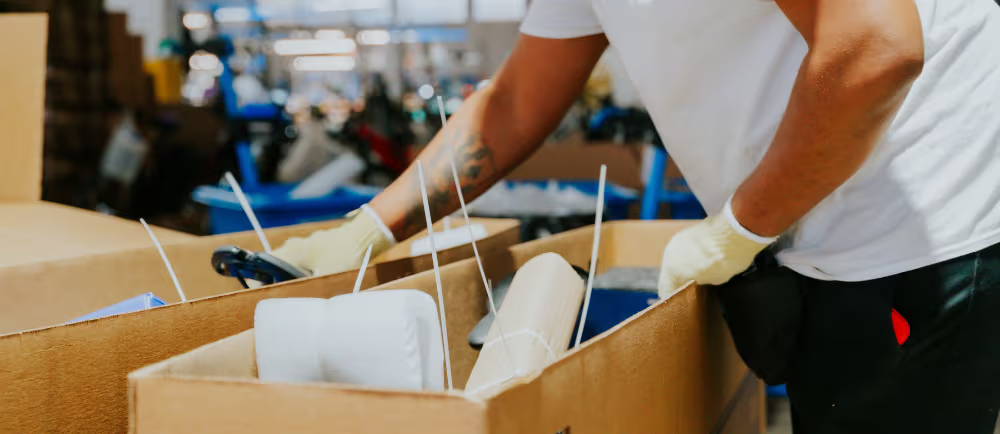
Buying pre-owned removes a lot of this uncertainty upfront, since a bike that's already been inspected and serviced doesn't leave you guessing about its condition the way a private sale might. Every e-Bike on Upway goes through a 50-point inspection covering the motor, battery, and electrical system before it's ever listed, so problems like the ones covered here get caught and addressed before a buyer ever takes the bike home.
Browse the current electric bikes selection on Upway or check out the sale collection to compare current options.
Frequently Asked Questions
Can any bike shop fix an e-Bike battery?
Do I have to take my e-Bike to the dealer I bought it from for repairs?
Not always; it depends on the brand and whether the repair affects your warranty. Authorized dealers have guaranteed access to parts and manufacturer support, which independent shops may not have for every brand.
Why won't some bike shops service certain e-Bike brands?
Common reasons include a lack of parts access, no relationship with the manufacturer for technical support, and insurance or fire-safety requirements for storing batteries for brands the shop doesn't officially stock.
Key Takeaways
- Most e-Bike problems are mechanical, and any competent shop can handle them. Still, electrical repairs, such as battery and controller diagnostics, require specialized training that many shops don't have.
- Direct-to-consumer brands popular in the U.S., like Rad Power Bikes, Aventon, and Lectric, often lack the dealer network that traditional brands have, which can make it harder to find a shop willing to service them.
- Buying a pre-owned e-Bike that's already been inspected, like those sold on Upway, removes much of the guesswork about the condition of the bike's electrical systems.