Both offer high quality, yet they serve different purposes. Bulls is generally more affordable and versatile, while Riese & Müller is built for premium comfort and long-distance use.
Bulls vs Riese & Müller: Which E-Bike Brand Is Right For You?
Written by: Tom Fortune | May 4, 2026 | Time to read 5 min
Some e-Bike brands are built around value and versatility. Others are built around comfort and high-end engineering. That’s a good way to look at Bulls and Riese & Müller.

More about the Author: Tom Fortune
Tom is a Brit living in the French Alps. When he's not creating written and video content for various brands, he's either pedalling or snowboarding around his local mountains. E-Bikes have unlocked the potential for Tom to explore Alpine terrain and get away from the crowded bike parks. He is only too keen to share his knowledge and experience with other riders.
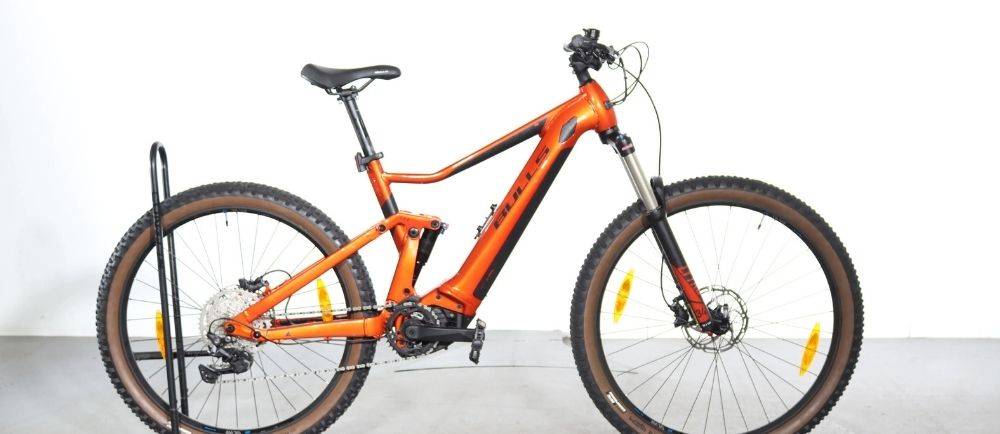
Bulls and Riese & Müller are two well-known German e-Bike brands, but they sit in very different parts of the market. At first glance, both build electric bikes using Bosch systems and have bikes in similar categories. But once you look closer, the differences show up in pricing, design, and how the bikes are intended to be used.
In this guide, I’ll break down how Bulls and Riese & Müller compare, so you can decide which one fits your riding.
👋 Welcome to Upway!
Upway is your top destination for buying and selling e-Bikes online. Discover your next e-Bike at up to 60% off retail prices, available in new or like-new condition.
Table of Contents
About Bulls Electric Bikes
Bulls is a German e-Bike brand that operates as part of ZEG, one of the largest bicycle groups in Europe. Its e-Bike range includes trekking bikes, commuters, and electric mountain bikes.
Bulls uses Bosch mid-drive motors on most of its e-Bikes, particularly in the U.S. market, with systems like the Bosch Performance Line CX appearing across trekking bikes and electric mountain bikes. Some models in other markets also use motors from brands like Brose or Shimano.
About Riese & Müller Electric Bikes
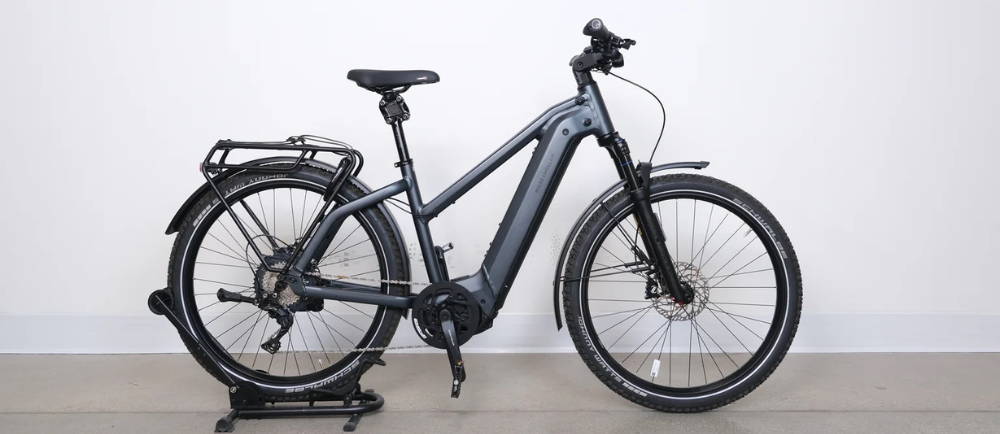
Riese & Müller is a premium German brand known for high-end electric bikes, designed for comfort, durability, and long-distance use.
The range includes commuter, trekking, and electric cargo bikes. Most bikes use Bosch mid-drive motors, including units from the Performance Line and Cargo Line ranges, as well as the Bosch Smart System. Many bikes are available with dual-battery setups to increase your range.
Compared to Bulls, Riese & Müller places more emphasis on comfort, integration, and premium components, which is reflected in higher pricing.
Bike Comparison: Bulls vs Riese & Müller
At a spec level, Bulls and Riese & Müller can look similar, especially when both are using Bosch systems. The difference is in what the bikes are built for, once you start looking at the details.
Bulls has e-Bikes in several categories like electric mountain bikes, trekking bikes, and commuters. If you pick a Bulls e-MTB, it’s built for trails. If you pick a trekking model, it’s set up for mixed surfaces and longer rides.
Riese & Müller’s e-Bike range is based more on commuting, transport, and long-distance riding. Therefore, you’ll see that most of their bikes have characteristics that make daily use more manageable. They also often have large batteries and can carry extra weight.
Motor & Ride Feel
Both brands use Bosch mid-drive motors, including the Bosch Performance Line CX. Because the motor is often the same, the main differences come from geometry, suspension, and overall weight.
Bulls also uses other motor systems on some models, including Brose and Shimano, although Bosch is the most common, especially in the U.S. Riese & Müller, on the other hand, only uses Bosch systems.
Because the motor is often the same, the differences come from the e-Bike itself, including geometry, suspension, and overall weight. Bulls uses these motors on lighter mountain bikes and trekking models, while Riese & Müller uses them on heavier commuter and cargo bikes designed for stability and load-carrying.
As you’d expect, the Bosch motors perform similarly from both brands, but the feel depends on the bike’s weight and what it’s designed for.
Battery Design and Range
The Bosch battery systems used by both brands typically range from 500Wh to 750Wh, with larger options available on newer models.
Bulls e-Bikes generally use a single battery, which is enough for most people’s commutes as well as moderate distances. On models that use non-Bosch systems, battery specifications can vary slightly, but the overall approach is similar.
Riese & Müller also uses single batteries but is known for its dual-battery options for longer rides or carrying heavier loads.
Features and Equipment
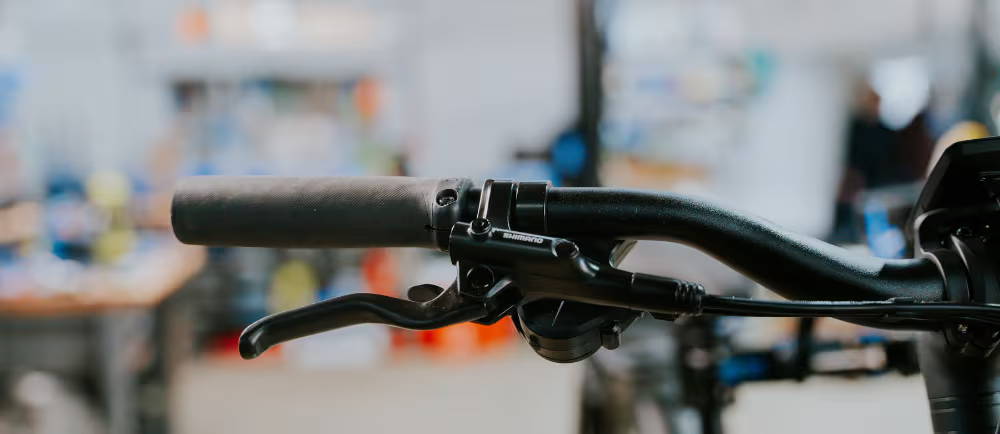
You’ll find similar components on bikes from both brands, for example, hydraulic disc brakes, suspension, and Bosch electronics.
On Bulls bikes, equipment varies by category. Trekking e-Bikes often include essentials like lights, racks, and fenders, while mountain bikes are usually sold without extra accessories.
Riese & Müller bikes are more equipped for everyday use. You’ll notice that many of their models have integrated lighting, built-in racks, and commuter-focused features as standard.
Price and Positioning
Both Bulls and Riese & Müller sell premium e-Bikes, but they sit at very different price points.
Bulls is the more accessible option in the U.S. Many models fall between $2,000 and $4,000, with higher-spec electric mountain bikes and performance models reaching $4,000–$5,700.
Riese & Müller sits much higher in the market. Most models start around $5,500–$6,500, while a large part of the range falls between $6,500 and $10,000+. High-end touring and cargo bikes, especially with dual batteries or premium drivetrains, can exceed $12,000–$14,000+.
On Upway, both brands are usually available at lower prices because the bikes are certified pre-owned.
You’ll typically find:
- Bulls models from around $1,800 to $4,000
- Riese & Müller models from around $3,000 to $7,500+
That often represents savings of roughly 20% to 50% compared to new retail prices, depending on the model, condition, and model year.
Popular E-Bike Models
Both brands have well-known model families that frequently appear when comparing e-Bikes across categories.
Bulls models include:
- Bulls Copperhead EVO, a hardtail electric mountain bike suited to entry and mid-level off-road riding
- Bulls Cross Lite Evo, a trekking e-Bike for commuting and mixed-surface rides
- Bulls Sonic EVO 1, a full-suspension e-MTB built for trail riding and more demanding terrain
Riese & Müller models include:
- Riese & Müller Nevo GT Touring, a comfortable commuter e-Bike
- Riese & Müller Superdelite, a long-range touring e-Bike with dual-battery options
- Riese & Müller Load 60 and Load 75, cargo e-Bikes designed for carrying passengers or heavier loads
- Riese & Müller Packster 70, a cargo e-Bike designed for family transport
Bulls vs Riese & Müller: Which Should You Choose?
Bulls e-Bikes are a good fit if you’re looking for a versatile e-Bike at a more accessible price. The range includes trekking bikes and electric mountain bikes that work well for mixed terrain, commuting, and recreational riding.
Riese & Müller makes more sense if comfort, long-distance riding, or daily commuting are your main priorities.
Frequently Asked Questions
Are Bulls e-Bikes better than Riese & Müller?
Do Bulls and Riese & Müller use the same motors?
Yes, both widely use Bosch mid-drive motors, including the Bosch Performance Line CX, so motor performance is often very similar.
Which brand is better for commuting?
Riese & Müller is often the better choice for commuting due to its comfort, integrated features, and cargo options.
Key Takeaways
- Bulls offers versatile electric bikes with strong value and solid performance.
- Riese & Müller builds premium bikes built for comfort, long-distance riding, and everyday use.
- Both brands use Bosch systems, so the main differences come from design, features, and intended use rather than the motor itself.