For many riders, I’d start with a fat-tire e-Bike like the Aventon Aventure.3, Lectric XPeak 2.0, Himiway D7/Cobra, QuietKat Apex, or Rocky Mountain Blizzard Powerplay. For winter cargo riding, compare the Tern Orox S12. For rough winter commuting, the Specialized Turbo Tero X is also worth checking out.
Best E-Bike for Snow: Upway Picks
Written by: Chris Van Leuven | May 30, 2026 | Time to read: 5-6 min
Compare the best e-Bikes for snow on Upway, from fat tire commuters to winter cargo bikes and rough-road e-MTBs.

More about the Author: Chris Van Leuven
Chris is a writer, climber, and founder of Yosemite E-Biking in Mariposa, CA. When he’s not tackling Sierra Foothills trails or scaling rock walls, he’s crafting adventure stories with his boxer, Fenster. His work has appeared in Outside, Men’s Journal, Gripped, and Best American Sports Writing.
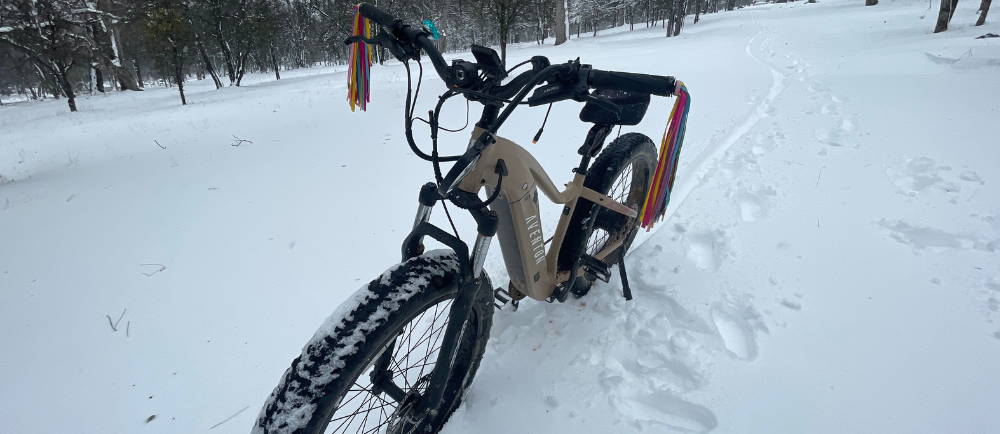
Snow can make an e-Bike ride feel completely different, in an adventurous yet peaceful way. The roads get quieter. Familiar routes slow down. A bike path, neighborhood street, or packed dirt road can feel new again. But winter riding also asks more from the bike: traction, better handling, responsive brakes, battery care, and enough comfort to keep riding when the surface gets rough. And you have to take your time after the ride to clean and thoroughly dry the bike. Speaking from experience: riding fat tire e-Bikes in the snow is amazing!
A plowed commute, a slushy bike lane, and a packed winter trail all ask for different bikes. So is riding deep, packed powder. In snow, smooth power matters more than big power, and the right tire setup matters.
In this blog, I’ll compare snow-capable e-Bikes, including fat tire commuters, full-suspension winter bikes, backroad snow bikes, cargo options, and rough-road commuters. I’ll also cover what matters for winter riding, from traction and battery care to studded tires, maintenance, and choosing a bike you’ll want to ride in rough weather.
👋 Welcome to Upway!
Upway is your top destination for buying and selling e-Bikes online. Discover your next e-Bike at up to 60% off retail prices, available in new or like-new condition.
Table of Contents
What matters on a snow e-Bike?
A snow-ready e-Bike isn’t just a regular commuter with a bigger motor. The bike needs traction, control, and parts that can handle wet, gritty conditions.
The main things I’d look for are:
- Wider tires with great tread
- Hydraulic disc brakes
- Predictable pedal assist
- Enough torque for slow starts and snowy climbs
- A suspension fork or full suspension for rough winter roads
- Bright lights for short winter days
- Big fenders if you ride slush or salted streets
- Studded tires if ice is part of your route
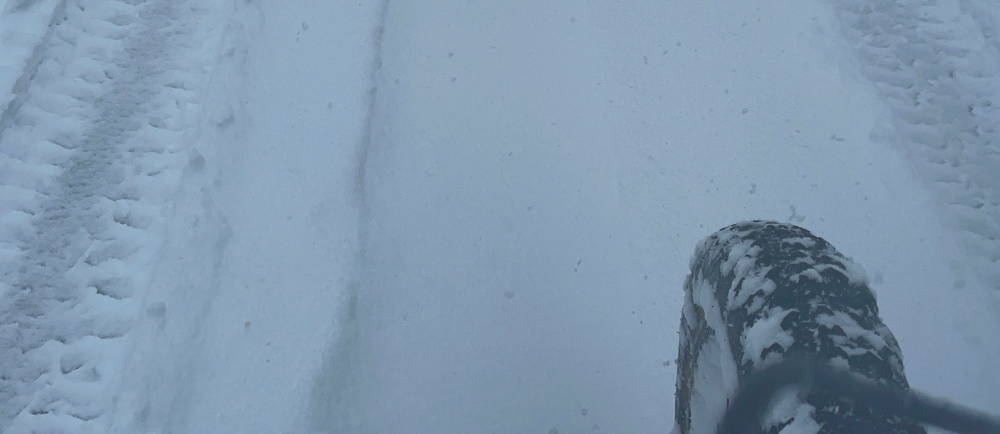
Fat tires help most in soft snow and slush because they spread your weight over a wider patch of ground. But they are not magic. A smooth 4-inch tire can still slide. A heavy e-Bike can still be hard to stop. And black ice is no fun to ride. For ice, studded tires matter more than tire width. In deep snow, even a fat-tire e-Bike has limits, but it’s oh-so fun!
Best E-Bikes for Snow: Upway Picks
| Snow riding need | Upway pick | Why it fits |
|---|---|---|
| Best overall snow-capable fat tire e-Bike | Aventon Aventure.3 | 4-inch tires, suspension fork, 750W motor |
| Best value fat tire snow bike | Lectric XPeak 2.0 | 750W motor, 85 Nm torque, long-range battery option |
| Best full-suspension fat tire value | Himiway D7/Cobra | 4.8-inch tires, 960Wh battery, full suspension |
| Best purpose-built backroad snow bike | QuietKat Apex | Fat-tire build, rough-terrain focus, hunting-bike roots |
| Best true electric fat bike for snow | Rocky Mountain Blizzard Powerplay | 27.5 x 4.5 tires, Dyname 4.0 power, fat-bike platform |
| Best winter cargo and adventure bike | Tern Orox S12 | 4-inch tires, Bosch CX motor, serious cargo build |
| Best rough-road winter commuter | Specialized Turbo Tero X | Full suspension, lights, fenders, rack |
Aventon Aventure.3: Best overall snow-capable fat tire e-Bike
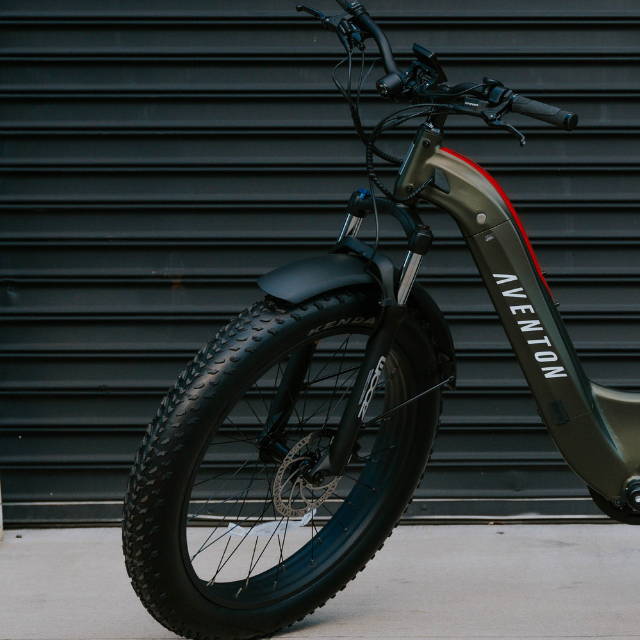
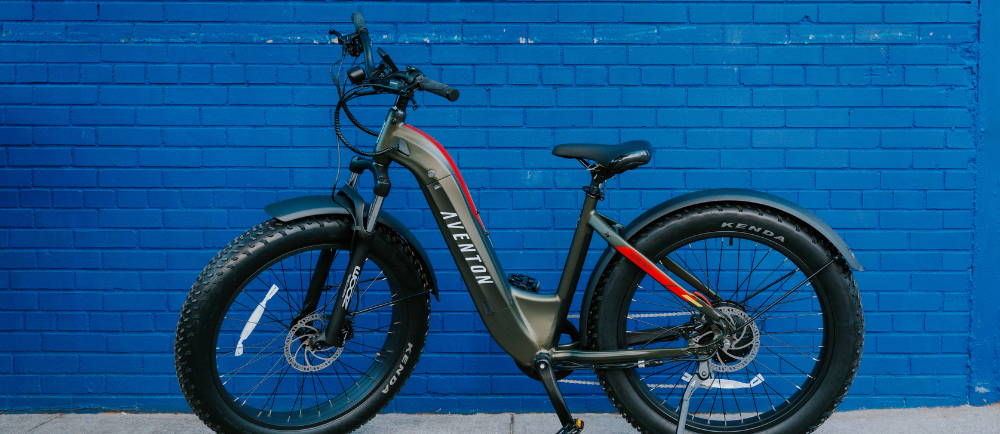
The Aventon Aventure.3 is the best place to start for many winter riders. I’ve taken my Aventure.1 down a mountain in deep, heavy snow and loved every minute of it (but that’s not for everyone). It has 4-inch fat tires, a suspension fork, a suspension seatpost, a 750W motor, and a range up to 65 miles. The stable fat tire setup is the point here, and it’s great in the snow. The Aventure.3 makes sense for snowy bike paths, sloppy shoulders, winter errands, gravel roads with patches of snow, and riders who want a bike that feels stable.
I wouldn’t treat it as if it could do anything. Deep powder can stop a bicycle, even with electric assist. But for everyday winter riding where the surface changes every few blocks, the Aventure.3 is a great pick.
Lectric XPeak 2.0: Best value fat tire snow bike
The Lectric XPeak 2.0 gives winter riders a lot of bike for the money. Lectric lists it with a 750W rear hub motor, 85 Nm of torque, and either a 720Wh standard battery or a 960Wh long-range battery. This is great for riders who want fat-tire grip, a sturdy frame, and enough motor for snow-covered streets or unpaved shortcuts without paying a premium.
The thing to watch is size. Fat tire e-Bikes are heavy, and that matters when you’re walking the bike through snow, locking it with gloves on, or storing it in a tight space.
Himiway D7/Cobra: Best full-suspension fat tire value
The Himiway D7, also known as the Cobra, adds another true fat-tire option to this list. Himiway lists it as a full-suspension electric hunting bike with a 1000W motor, a 960Wh battery, and a range up to 80 miles. For snow, the fit is simple: big tires, a big battery, and full suspension. I’d compare it for rough winter roads, snowy dirt roads, rough approaches, ranch roads, and riders who want comfort and traction without going straight to a premium fat bike.
It’s not the sleek commuter pick. But for a tough fat-tire platform at a more approachable price, it’s a great choice.
QuietKat Apex: Best purpose-built backroad snow bike
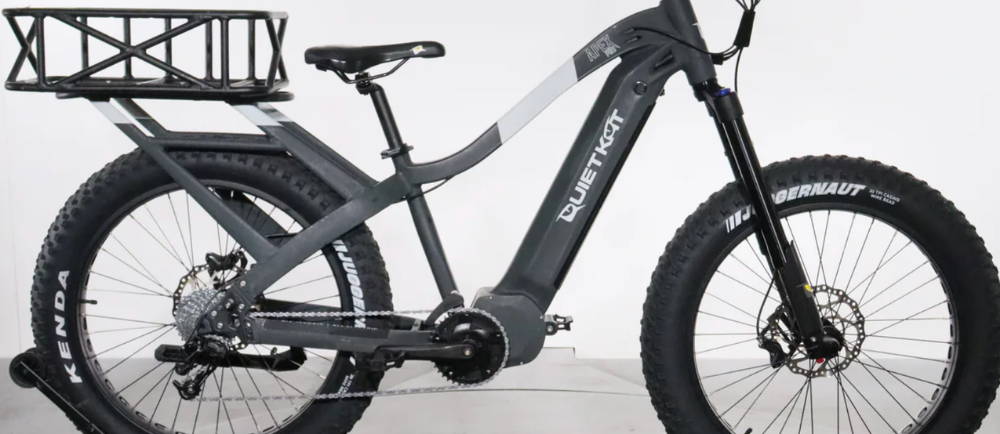
The QuietKat Apex comes from the hunting and backcountry-access side of the e-Bike world, where rough roads, mud, snow, heavy gear, and remote approaches are part of the job.
That makes it a great fit for snowy backroads, cabin access, winter scouting, and off-pavement riding. However, it’s not the bike I’d choose for a clean city commute or a tight apartment. It’s bigger and more terrain-focused than that.
Rocky Mountain Blizzard Powerplay: Best true electric fat bike for snow
The Rocky Mountain Blizzard Powerplay is the most snow-specific bike here. Rocky Mountain describes the Blizzard Powerplay as built for sand, gravel, and snow, with 27.5 x 4.5 tires and a powerful Rocky Mountain motor system. I’d look at the Blizzard Powerplay if snow is the main reason you’re shopping: packed winter trails where e-Bikes are allowed, frozen dirt roads, cabin access, and slush.
But it’s probably too much bike for short rides on plowed streets. But if you want the fat-bike feel, this is a great snow-first pick.
Tern Orox S12: Best winter cargo and adventure bike
The Tern Orox S12 is the winter utility pick. It’s a cargo e-Bike built for heavy loads, rough surfaces, and all-season use. The 4-inch tire setup, Bosch Performance CX motor, and big Bosch battery options make it a serious winter bike. It fits winter errands, kid hauling, groceries, panniers, work gear, and rough-road commuting.
I’d look at the Orox if you want winter transportation and need room for real cargo. However, it’s probably overkill if you just want short rides on plowed streets.
Specialized Turbo Tero X: Best rough-road winter commuter
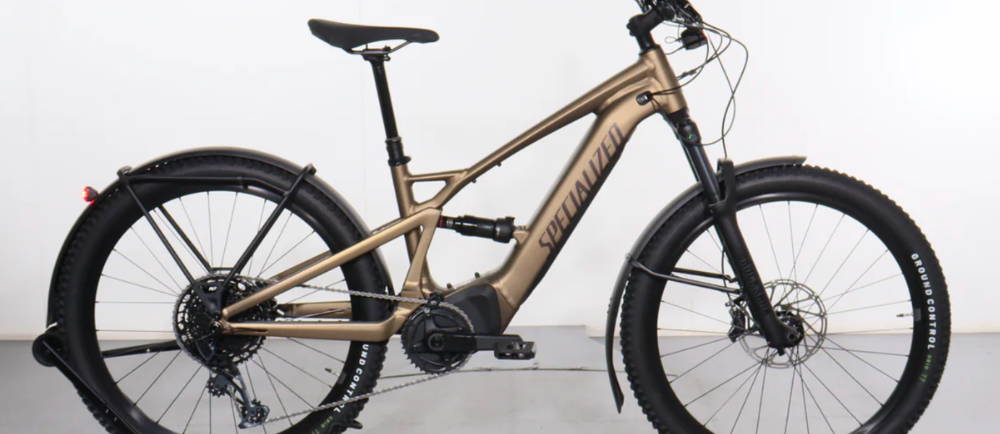
The Specialized Turbo Tero X isn’t a fat bike, so I wouldn’t pick it for soft snow. But for rough winter commuting, it’s one of the better options. Depending on the model, the Tero X offers full suspension, integrated lights, fenders, rack support, and a mountain-bike-like ride. That setup works well for rough pavement, packed dirt, slush, hardpack, and bike paths that are not as smooth in February as they were in June.
This is the one I’d compare if your winter riding is mostly transportation, not snow exploring.
Fat tires, studded tires, and winter traction
Fat tires help most in soft snow, slush, and uneven winter conditions, where a narrow tire just won’t cut it. More tire volume also lets you run lower pressure for better grip, as long as you stay within the tire and rim recommendations.
But winter surfaces are different, in a good way (if you like that sort of thing):
- Soft snow: fat tires help; just lower the PSI.
- Packed snow: tread and pressure matter.
- Slush: fenders, brakes, and cleaning matter.
- Ice: studded tires matter.
- Salted streets: maintenance matters after every ride.
Hydraulic disc brakes are the only way to go. They won’t save you from ice, but they give better control in wet, gritty conditions than weaker brake setups, like caliper brakes.
Battery care and winter maintenance
Cold weather changes the ride in a big way. Range drops, tires lose pressure, drivetrains get dirty, and batteries need more care. My winter battery rule is simple: ride according to the brand’s manual, be careful, and don’t charge a cold battery. Once the bike is dry, bring the battery inside, let it warm up, then charge it in the recommended temperature range.
After snowy, salty, or wet rides, wipe the bike down thoroughly. Pay attention to the chain, cassette, brake rotors, battery contacts, and any spot where slush collects. Winter riding is about accepting the conditions. Ride slower, brake earlier, use lights, and use caution.
How Upway helps with winter e-Bike shopping
Snow-capable e-Bikes get expensive because fat tires, high-end brakes, suspension, higher-capacity batteries, lights, racks, and quality motor systems all cost more.
That’s where certified pre-owned shopping on Upway can make this category more affordable, with savings up to 60%. Here, you can compare e-Bikes from brands like Aventon, Lectric, Himiway, QuietKat, Rocky Mountain, Tern, and Specialized, all in one place.
For winter use, I’d look closely at the exact model, mileage, battery size, condition, accessories, tire setup, brake type, and if the bike fits you. I’d also ask one practical question: can I store and clean this bike practically? The right winter e-Bike isn’t always the toughest one. It’s the one you’ll ride when the street is wet, the wind is fierce, because you want to.
Frequently Asked Questions
What is the best e-Bike for snow?
Are fat tire e-Bikes good on ice?
Fat tires help with stability, but they don’t work on ice. If your route includes frozen roads, compacted snow, or black ice, studded tires are the safer upgrade. Ride slower, brake earlier, and avoid sudden steering or throttle inputs.
Does cold weather reduce e-Bike battery range?
Yes. Cold weather reduces range because lithium-ion batteries are less efficient in low temperatures. Store and charge the battery indoors, and expect less range in winter.
Key Takeaways
- Snow riding starts with traction and control, not just motor power. Fat tires help in soft snow, while studded tires matter more on ice.
- A full-suspension fat tire e-Bike makes sense for rough winter roads, while an electric fat bike with low PSI is better when snow is deep.
- Upway helps riders compare certified pre-owned snow-capable e-Bikes from brands like Aventon, Lectric, Himiway, QuietKat, Rocky Mountain, Tern, and Specialized, while saving up to 60%.