Yes—if the bike is geared for climbing and the motor delivers smooth support at low speed. On steep dirt climbs, traction and gearing matter as much as motor output.
What’s the Best E-MTB for Steep Climbs? Practical 2026 Buyer’s Guide
Written by: Chris Van Leuven | February 27, 2026 | Time to read 8 min
Best e-MTBs for steep climbs in 2026: What matters for traction and climbing feel, plus real model picks you can often find on Upway.

More about the Author: Chris Van Leuven
Chris is a writer, climber, and founder of Yosemite E-Biking in Mariposa, CA. When he’s not tackling Sierra Foothills trails or scaling rock walls, he’s crafting adventure stories with his boxer, Fenster. His work has appeared in Outside, Men’s Journal, Gripped, and Best American Sports Writing.
Steep climbs are where an e-MTB either feels like a cheat code or a wrestling match. And the difference usually isn’t “more watts.” It’s whether the bike can keep traction at low speed, stay centered when the grade kicks up, and feed power in a way you can actually control when you’re crawling up roots, loose rock, and awkward ledges.
Climbing with an electric mountain bike isn’t a test of brute strength. It’s about balance, gearing, and smooth assist, plus a chassis that doesn’t wander when you’re working hard.
In this blog, you’ll learn how to:
- Pick the right climb-style e-MTB for your terrain, from loose fire roads to slow, technical pitches
- Understand the specs that actually affect climbing, like torque delivery, gearing range, and weight distribution
- Compare real 2026 model examples, including several you can often find as certified pre-owned on Upway
👋 Welcome to Upway!
Upway is your top destination for buying and selling e-Bikes online. Discover your next e-Bike at up to 60% off retail prices, available in new or like-new condition.
Table of Contents
Understand the Type of Climbs You'll Be Riding
The E-MTB Specs That Matter Most
E-MTB Motors That Perform Best on Steep Grades
2026 Full Suspension Model Examples That Climb Well
Hardtail Electric Mountain Bikes: Which Is the Best for Climbing Value
Test Ride Checklist for Steep Climbs
How Upway and Upway Flex Can Help
Understand the Type of Climbs You'll Be Riding
Before you shop, name your climb. It changes what “best” means.
- Loose, sustained climbs like decomposed granite, fire roads, and long jeep-track grinders. Think Southern California, Tahoe, and parts of Colorado and Utah. You want a seated position that doesn’t feel cramped, stable steering, and enough battery that you can stay in your happy assist mode without doing range math mid-ride.
- Slow, technical climbs like chunky switchbacks, wet roots, rock steps, and awkward ledges. Think the Pacific Northwest, Pisgah (North Carolina), New England, and plenty of tight, punchy climbs everywhere. Here, the best climber is the bike with the smoothest low-speed power and the most controllable traction.
If your riding is mostly technical, the best climbing e-MTB is usually the one you can manage when you’re almost track-standing, not the one with the biggest headline number.
The E-MTB Specs That Matter Most
These are the specs you actually feel on steep grades.
- Torque delivery, not just torque: Torque is the shove, but the ramp matters more than the number. On steep, slow climbs, the best systems feel predictable at low cadence and don’t spike power the moment you nudge the pedal.
- Gearing range: A wide-range cassette is your best friend on steep climbs because it lets you spin in a comfortable cadence while the motor helps. If you’re stuck in too-hard gearing, you’ll halt, lose traction, and get that bogged-down feeling.
- Weight distribution and seated position: On a steep pitch, you want the front end steady and the rear tire loaded. A steeper seat angle and a centered cockpit help you stay seated longer, which usually means better traction and less wheelspin. Long chainstays can help, too, because they keep the bike from pitching around when the climb gets awkward.
- Traction setup: Tires matter more than people admit. A grippy rear tire and pressure that supports your weight can turn a sketchy climb into a clean one. If you’re slipping on every steep punch, replace tires and adjust tire pressure before you blame the motor.
- Battery size as climbing insurance: Bigger batteries don’t make the bike stronger. They give you more usable climbing time in the assist mode that feels best, so you’re not forced to limp home in eco to finish the loop.
Quick reality test for the common question: Can a 500W e-Bike climb a hill? Yes, depending on the hill and gearing. But on steep, slow, technical climbs, a well-tuned mid-drive e-MTB commonly feels better than a higher-watt hub motor bike because it can use the bike’s gears and keep power delivery smoother at low speed.
E-MTB Motors That Perform Best on Steep Grades
Motor families show up in steep-climb chatter because the ride feel stays consistent across many different frames.
- Bosch-powered e-MTBs: Bosch keeps showing up in steep-climb chatter because the Performance Line CX is the brand’s flagship, high-performance e-MTB drive unit—the one built specifically around full-power trail riding, low-speed control, and traction on steep grades. On the latest Performance Line CX setups, Bosch also leans into tuning: Depending on the bike’s factory settings, riders can use the e-Bike Flow app to adjust how support ramps, how hard it pushes, and how responsive it feels when you’re climbing at low cadence.
If you’re comparing Bosch options for steep climbs, here’s the simplest way to think about it: - Performance Line CX (top of the line for e-MTBs): built for steep, technical riding where you want strong support and a controlled feel when you’re crawling up a steep grade and trying to keep traction. Some smart-system CX setups can be configured for up to 100 Nm of torque, 750 W of motor power, and 400% support.
- Performance Line SX (light-assist lane): lighter and more “trail-bike-like,” but it’s a different steep-climb feel—55 Nm and a higher-cadence style of support, which can matter if your climbs are technical and you don’t want to muscle the bike to keep it in the power.
- Shimano EPsystems are everywhere for a reason. In the EP801 / EP6 family, you’re looking at up to 85 Nm of torque with 250 W rated continuous output, and the higher-performance EP801 platform can deliver up to 600 W peak power, which helps explain why, when the tune is dialed, they can feel smooth and controllable on steep, technical climbs.
- TQ HPR50 is a great example of that light-assist, technical-climb lane. It’s a lightweight mid-drive built around TQ’s pin-ring tech, with 50 Nm of torque and a drive unit weighing around 1,850 g, designed to feel quiet and natural when you’re climbing on steep, technical lines.
This also ties into the question people ask: Is a 250W e-Bike enough for hills? In the e-MTB world, 250W is often a nominal number. What you’ll feel on real climbs is torque delivery, tuning, and gearing. A 250W-labeled mid-drive with good gearing can climb far better than you’d expect on paper.
2026 Full Suspension Model Examples That Climb Well
If you’ve been Googling, you’ve seen the big best electric mountain bikes roundups, including the annual best electric mountain bikes in 2026 posts. That stuff can be helpful for a broad shortlist, but steep-climb performance is its own thing: Smooth assist at low speed, usable gearing, and a chassis that stays planted when you’re seated and grinding.
Here are real model examples that fit the steep-climb conversation, and several are commonly available on Upway, depending on current inventory.
- Specialized Turbo Levo 4 Pro: A full-power benchmark because it blends strong support with a big-battery style platform and a massive service ecosystem in the U.S. If your steep climbs are long and nonstop, this is the kind of bike that keeps the effort steady instead of turning the climb into a survival crawl.
- Santa Cruz Bullit: A gravity-leaning e-MTB that still climbs well when you set it up correctly. This is a great match when steep climbs are simply the toll you pay to get to bigger descents. It tends to reward riders who prioritize traction, cadence, and a calm seated position.
- Canyon Strive:ON CFR LTD: A modern enduro e-MTB that’s built for hard riding, with steep-climb ability that matters when the grade is ugly and the day is long. It’s also one of those models that shows up in “best of” lists, so it’s a useful reference point when you’re comparison shopping.
- Marin Alpine Trail E2: A practical, aggressive trail-to-enduro option for riders who want a real bike they can ride hard without babying it. If you climb steep terrain weekly and want something straightforward, it belongs on the comparison list.
- Focus JAM2 SL: A smart example of the lightweight lane. If your steep climbs are tight, technical, and full of awkward, slow-speed moves, the lower overall mass can be the difference between “I cleaned it” and “I dabbed four times.”
- Orbea Rise and similar lightweight full-suspension builds: If you’re the rider who climbs seated, smooth, and precise, this category commonly feels like the sweet spot: enough help to keep the ride moving, without the heavier full-power feel on tight switchbacks.
Hardtail Electric Mountain Bikes: Which Is the Best for Climbing Value
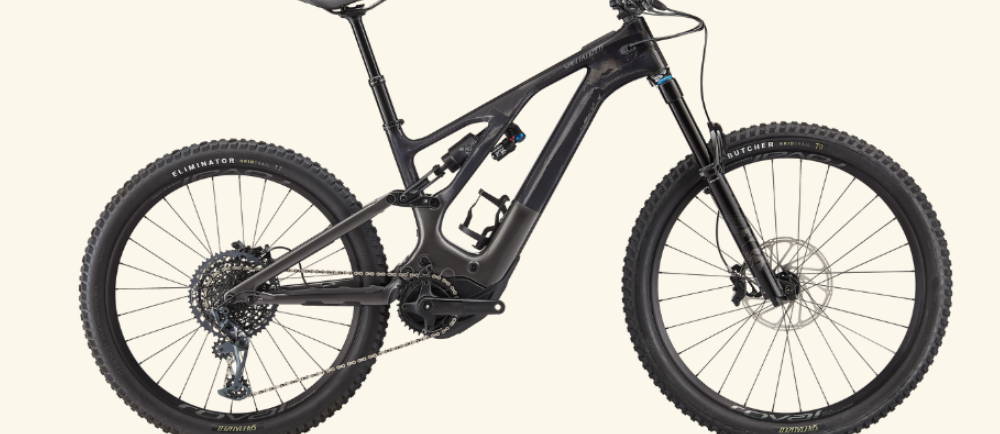
If your steep climbs are more about consistency, fitness, and getting more laps without the added maintenance of rear suspension, a hardtail can be the smartest climber you buy.
Hardtail electric mountain bikes are also where “value climbing” really shows up. They’re simpler, they can be easier to live with, and a lot of riders find they climb efficiently as long as the gearing and rear tire setup are right.
This is also where used shopping can make a ton of sense, because hardtails tend to age well if they’ve been cared for.
Here are hardtail or hardtail-leaning e-MTB examples you can find on Upway, depending on current inventory, plus why they’re worth comparing for steep climbs:
- Trek Marlin+: A straightforward, entry-friendly hardtail e-MTB option that makes sense when you want simple climbing support and a familiar mountain bike feel.
- Trek Powerfly: A classic hardtail e-MTB shape that’s been a go-to for riders who want a practical, serviceable bike that climbs well and still feels like a mountain bike on mixed terrain.
- Cube Reaction Hybrid: A hardtail e-MTB platform that’s popular for all-around riding and tends to be a strong “bang for the buck” comparison when you’re shopping used.
- Haibike HardSeven: A hardtail e-MTB option that’s worth a look if you want a more upright, confidence-first vibe for climbs and mixed trails.
- Specialized Turbo Tero: Not a pure singletrack hardtail, but a useful “climb a lot, ride everywhere” option if your steep climbs include pavement, hardpack, and rough connectors.
- Marin Pine Mountain E1: A hardtail e-MTB built around the idea of practical mountain riding and climbing on real terrain, not just cruising paths.
Test Ride Checklist for Steep Climbs
Find a short, steep pitch and do this in under five minutes:
- Start seated, then climb slowly in a low-assist mode. If the bike wanders or surges, you’ll feel it immediately.
- Stop mid-slope and restart. A good climbing e-MTB relaunches cleanly without wobbling.
- Do one tight turn at low speed. The best climbers stay predictable when you’re almost track-standing.
- Drop one gear easier than you think you need and spin. If the bike only feels good when you push hard, it’s a mismatch for steep climbs.
How Upway and Upway Flex Can Help

Shopping on Upway is great because you can compare certified pre-owned e-MTBs side by side by brand, suspension type, and motor family, then narrow to the bikes that match your terrain and climbing style.
And if you’re still stuck at “specs look good, but I can’t tell how it’ll feel,” Upway Flex can make sense as a real-world rental, month-to-month option in Southern California.
🤝 Why you can trust us for buying an e-Bike?
- Great prices: Get your next e-Bike for up to 60% off retail prices, in new or like-new conditions.
- Quality Guaranteed: Every e-Bike is rigorously certified by a team of professional mechanics, and comes with a 1-year warranty.
- Delivered to Your Door: Delivered to your home within a week. Change your mind? Return it thanks to our 14-day return policy.
🚲 We also buy e-Bikes. Click here for an estimation!
Frequently Asked Questions
Are e-Bikes good for steep hills?
Is a 250W e-Bike enough for hills?
Often, yes—especially with a mid-drive that can use the bike’s gears. What matters most is torque delivery, tuning, and having a low enough gear to keep cadence up.
Can you ride an e-MTB easily up hills?
“Easily” depends on the climb. On steady grades, the right e-MTB makes uphill feel controlled and repeatable. On technical pitches, the bike still needs to stay stable at low speed and be easy to control.
Key Takeaways
- Steep-climb performance is mostly about smooth power delivery, a wide gearing range, and traction—not just a big motor number.
- Full-power bikes shine on long, sustained, steep grades. Lightweight e-MTBs can feel better on slow technical climbs where placement matters.
- Certified pre-owned shopping on Upway can help you compare real bikes fast, and Upway Flex can be a smart way to test the category, where available.