The Nomad 2X has more torque (105Nm vs 90Nm), a bigger battery (801.6Wh vs 705.6Wh), and adjustable air suspension instead of the Nomad 2’s coil-based system, along with higher payload and range figures.
Velotric Nomad E-Bike Review
Written by: Tom Fortune | July 19, 2026 | Time to read 5 min
Fat tire electric bikes are usually for comfort or capability, but can rarely do both. But the Velotric Nomad line does a fair job of it, and the newer Nomad 2X pushes that further than the original.

More about the Author: Tom Fortune
Tom is a Brit living in the French Alps. When he's not creating written and video content for various brands, he's either pedalling or snowboarding around his local mountains. E-Bikes have unlocked the potential for Tom to explore Alpine terrain and get away from the crowded bike parks. He is only too keen to share his knowledge and experience with other riders.
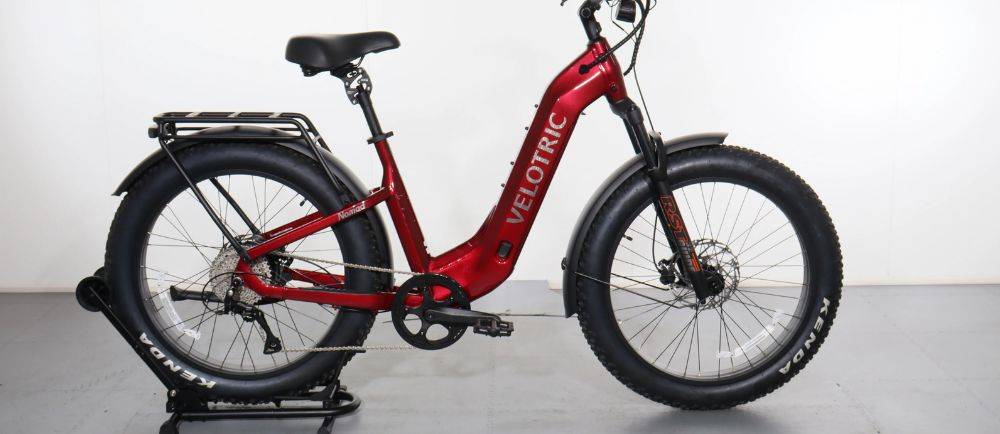
Velotric currently sells two versions of its fat tire adventure e-Bike, the Velotric Nomad 2 and the upgraded Velotric Nomad 2X. Both are built for riders who want to haul cargo, tow a trailer, or handle rough terrain without switching to a different bike for each job. The 2X adds air suspension and more power to a formula that already worked well. Here’s how they compare.
👋 Welcome to Upway!
Upway is your top destination for buying and selling e-Bikes online. Discover your next e-Bike at up to 60% off retail prices, available in new or like-new condition.
What Is the Velotric Nomad?
Not to be mistaken for the Santa Cruz Nomad, a hard-hitting big mountain enduro mountain bike, this Nomad is Velotric’s fat-tire electric bike line. It is for riders who want one bike for commuting, off-road trails, and heavy cargo hauling. Both versions come with fenders, a rear rack, and a suspension seatpost.
The Velotric Nomad 2X isn’t a minor refresh. It swaps the Nomad 2’s coil-based suspension for adjustable air suspension front and rear, increasing torque and battery capacity, while improving payload and towing capability. Both bikes are still available, and you should know the differences before buying, as the gap between them is significant enough to affect the ownership experience.
Velotric Nomad 2 vs Nomad 2X: What’s Different
| Spec | Nomad 2 | Nomad 2X |
|---|---|---|
| Motor | 750W hub, 1,300W peak, 90Nm torque | 750W hub, 1,400W peak, 105Nm torque |
| Battery | 705.6Wh (48V, 14.7Ah) | 801.6Wh |
| Claimed range | Up to 65 miles | Up to 75 miles |
| Suspension | Coil-based front and rear | Air suspension, 120mm front, 80mm rear, adjustable |
| Payload | 505 lb | 560 lb |
| Towing capacity | 1,000 lb | 1,000 lb |
| Tires | 26 x 4" knobby fat tires | 4" Kenda puncture-resistant fat tires |
| Weight | ~75 lb | ~80 lb |
| Brakes | Tektro 2-piston hydraulic | Tektro 2-piston hydraulic |
| Frame options | Step-thru, high-step | Step-thru, high-step |
How It Rides
Both bikes use Velotric’s SensorSwap feature, letting you switch between a torque sensor and a cadence sensor. Torque mode gives you power output based on how hard you’re pedaling, which suits variable terrain and technical trail sections. Cadence mode delivers power as soon as the pedals turn, which is better suited to long, consistent rides on pavement.
You get three ride modes, Eco, Trail, and Boost, each of which has five pedal assist levels, giving you 15 total combinations to play with.
Where the two bikes really differ is with their suspension. The Nomad 2 already rides better than most fat-tire e-Bikes thanks to its coil-sprung front suspension fork and rear suspension. The Nomad 2X’s adjustable air suspension can be fine-tuned to your weight through Velotric’s own pressure charts. You'll notice the difference when riding rough terrain, roots, rock gardens, and cracked pavement.
Both bikes come as Class 2, with throttle and pedal assist up to 20 mph, and can be switched through the Velotric app to Class 3 for pedal-assist speeds up to 28 mph. It’s worth confirming local e-Bike class rules before you set yours to Class 3 to stay out of trouble.
Motor and Battery
The Nomad 2’s 750W hub motor peaks at 1,300W with 90Nm of torque, plenty for a loaded bike on moderate hills. The Nomad 2X goes up to a 1,400W peak and 105Nm of torque, adding more capability for towing or climbing long, steep hills.
Battery capacity is also different between the two bikes. The Nomad 2X’s 801.6Wh battery is a decent jump from the Nomad 2’s 705.6Wh, with a claimed range from 65 miles to 75. Both figures assume light pedal assist and ideal conditions.
Interestingly, the Nomad 2X’s larger battery is backward compatible with the Nomad 2’s frame, provided the bike’s firmware is updated to the latest version first. That’s useful to know if you’re deciding between upgrading an older Nomad 2 down the line or buying the 2X outright.
Both batteries have UL 2271 certification, and both bikes meet an IPX6 water-resistance rating, holding up well in heavy rain or under a pressure washer.
Things to Know Before You Buy
Neither bike is light. The Nomad 2 comes in around 75 lbs, while the Nomad 2X is closer to 80 lbs. So you need to think about your day-to-day life if you have to store, transport the bike, or deal with stairs and tight parking.
Brakes are the weak point on both. The Tektro 2-piston hydraulic disc brakes does the job, but you might feel it's underspec’d for bikes this heavy at higher speeds with a loaded rear rack.
Boost mode drains the battery fast. The 15-mile-per-hour difference between minimum and maximum range test results on both bikes is significant, so if you’re planning on using this bike for long trips, you should stick to lower assistance levels.
Class 3 speeds aren’t switched on by default. Unlocking the higher 28 mph pedal-assist speed takes a trip into the Velotric app, and it’s worth checking local regulations first.
Who Should Buy Which Nomad?
- Riders on a tighter budget who still want serious payload capacity and towing power should look at the Nomad 2. The core platform delivers most of what the 2X offers at a lower cost.
- Hunters, campers, and overlanders who need dual air suspension for shock absorption and the extra torque for sustained climbing should go with the Velotric Nomad 2X.
- Riders who want to occasionally haul heavy cargo or tow a trailer will find either bike capable, since both share the same 1,000 lb towing rating.
Riders who need the lightest possible e-Bike, or who mostly ride paved streets, should look elsewhere in Velotric’s lineup. Both Nomads prioritize capability over minimal weight.
Alternatives Worth Considering
The Aventon Aventure.2 also has oversized tires, but at a lower price point, worth a look if you don’t need full suspension or the Nomad’s towing capacity.
The Velotric Discover 3 doesn’t have fat tires and off-road capability, but it is a lighter, more street-oriented commuter. So it’s a better fit if you ride mostly on paved roads.
Find a Velotric Nomad on Upway
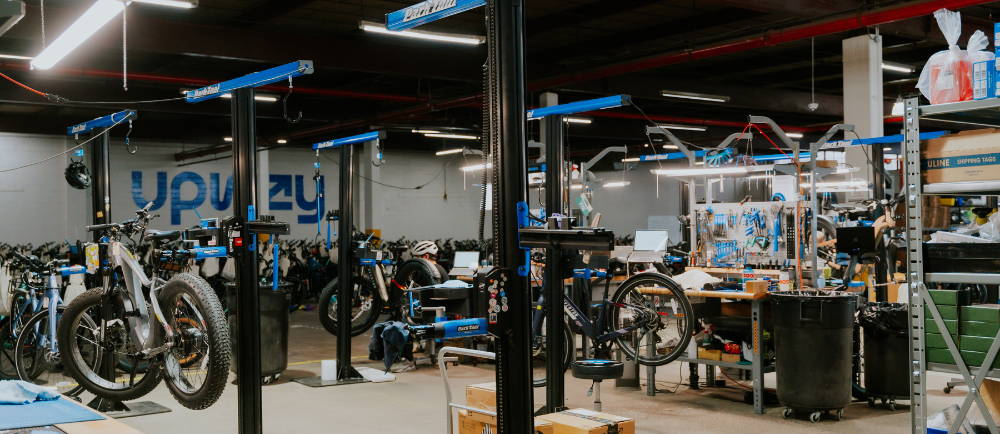
A heavy-duty adventure e-Bike like the Velotric Nomad tends to hold up well over years of mixed use, which makes buying pre-owned a good way to get on one without paying full retail. Every e-Bike on Upway goes through a 50-point mechanical inspection before it’s listed, and any battery with a capacity below 80% is replaced first. You get a one-year warranty on the frame, motor, and electrical system, plus a 14-day return window, and the bike arrives mostly assembled.
Browse the current electric mountain bike selection on Upway, or check out the current sale collection to compare your options.
Frequently Asked Questions
What’s the difference between the Velotric Nomad 2 and Velotric Nomad 2X?
How much weight can the Velotric Nomad tow?
Both the Nomad 2 and Nomad 2X are rated for up to 1,000 lbs of towing capacity, unusually high for this category of e-Bike.
What’s the difference between the torque sensor and cadence sensor mode?
Torque sensor mode ties motor output to how hard you’re pedaling, suited to variable terrain, while cadence sensor mode delivers power as soon as the pedals turn, better suited to long, steady rides.
Key Takeaways
- The Nomad 2X builds on the Nomad 2 with more torque, a larger battery, and genuine air suspension, while the Nomad 2 remains a capable, lower-cost fat-tire option.
- Both bikes share a 1,000 lb towing capacity and switchable torque/cadence sensors, though the Tektro brakes are a known weak point on both.
- Upway’s certified pre-owned listings include a 50-point inspection, battery replacement below 80% capacity, a one-year warranty, and a 14-day return window.