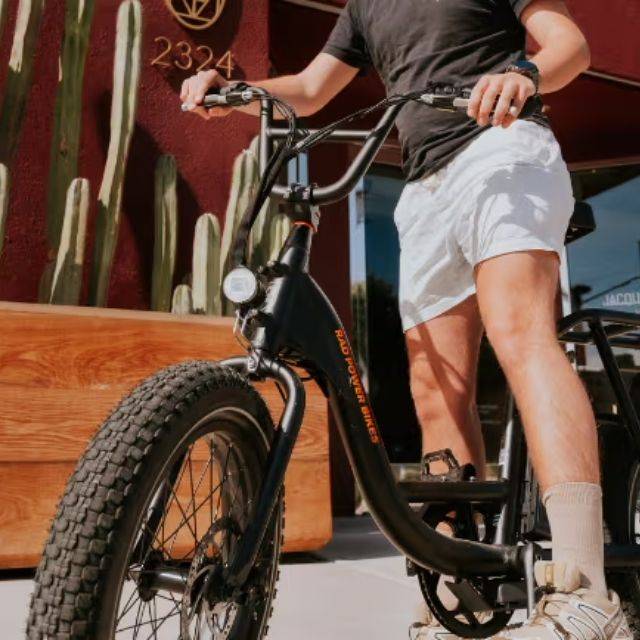
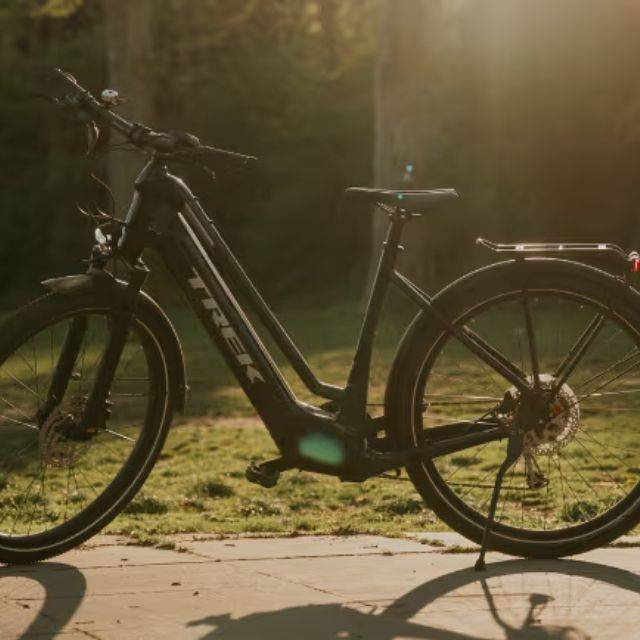
Both brands build good electric bikes, but they target different riders. Trek is more about performance and premium components, while Rad Power Bikes are more affordable yet practical.
Trek vs Rad Power Bikes: Which E-Bike Brand Is Right For You?
Written by: Tom Fortune | March 23, 2026 | Time to read 5 min
Trek and Rad Power Bikes both offer popular electric bikes, but they vary considerably in motor systems, pricing, and the types of riders they’re built for.

More about the Author: Tom Fortune
Tom is a Brit living in the French Alps. When he's not creating written and video content for various brands, he's either pedalling or snowboarding around his local mountains. E-Bikes have unlocked the potential for Tom to explore Alpine terrain and get away from the crowded bike parks. He is only too keen to share his knowledge and experience with other riders.
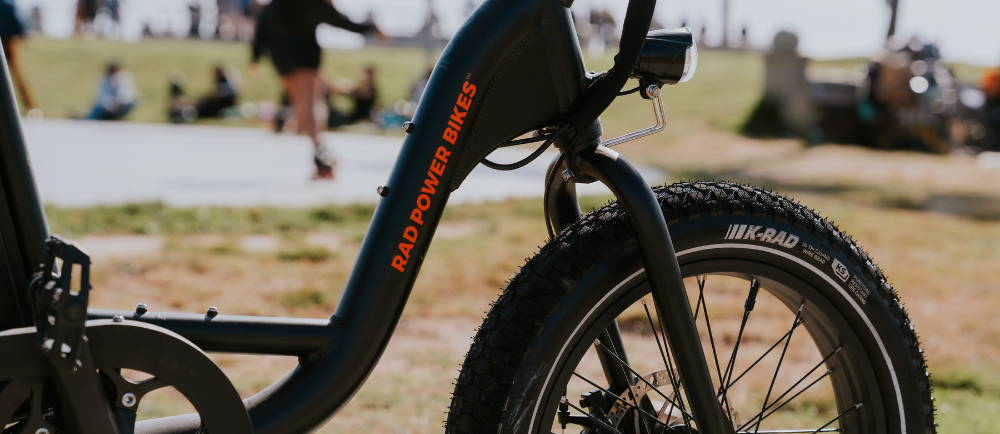
Trek and Rad Power Bikes both sell electric bikes, but they’re built with very different riders in mind. One is more performance-oriented and is mainly sold through bike shops, while the other builds simple, affordable electric bikes to get more people riding at a lower cost.
If you’re comparing the two, it usually means you’re deciding between a more traditional cycling brand and a practical direct-to-consumer option. In this guide, I’ll go through how Trek and Rad Power Bikes differ in terms of motor systems, ride feel, features, and overall value, so you can figure out which one makes more sense for the way you plan to ride.
👋 Welcome to Upway!
Upway is your top destination for buying and selling e-Bikes online. Discover your next e-Bike at up to 60% off retail prices, available in new or like-new condition.
About Trek Electric Bikes
Trek is an American bicycle manufacturer founded in the 1970s. The company produces road bikes, mountain bikes, gravel bikes, and commuter bikes, and has progressively expanded its electric lineup.
Trek sells its bikes through a large dealer network, so many riders purchase from a local bike shop where they can arrange servicing, warranty support, or a test ride before buying.
About Rad Power Bikes
Rad Power Bikes is a U.S.-based company founded in 2007 and known for selling affordable electric bikes directly to consumers online. The brand has become one of the most recognizable names for direct-to-consumer e-Bikes
Unlike Trek, Rad Power Bikes' ethos lies entirely in practical, everyday electric bikes, including commuter, cargo, and fat-tire models. Many of its bikes are built with utility in mind, including cargo racks, lights, and integrated accessories as standard.
Because Rad Power Bikes sells primarily online, riders usually assemble the bike themselves or use a partner service rather than buying through a traditional bike shop.
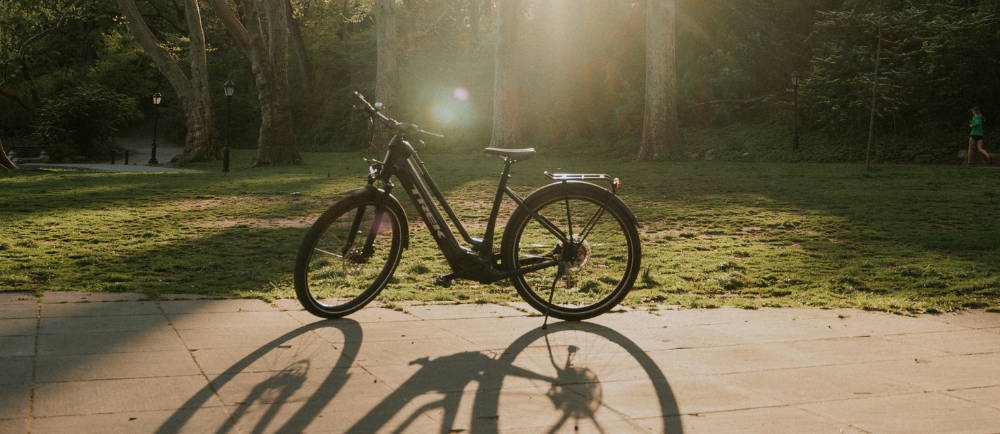
Bike Comparison: Trek vs Rad Power Bikes
Trek and Rad Power Bikes both sell electric bikes for commuting and utility riding, but their design choices and riding experience differ quite a bit.
Motor Type & Ride Feel
One of the biggest differences between Trek and Rad Power Bikes lies in their motors.
Trek uses a few different motor systems across its e-Bike range. For example, most models use Bosch mid-drive motors, which deliver power through the drivetrain, work with a torque sensor to adjust assistance based on how hard you pedal, and give you a more natural riding feel. Trek also uses TQ motors on lightweight electric mountain bikes like the Fuel EXe, and hub motors on some urban models such as the FX+.
Most Rad Power Bikes use rear hub motors, which drive the wheel directly rather than the drivetrain. These use cadence sensors, so the motor provides assistance based on pedal movement rather than pedal force. Many Rad bikes also include throttle assistance, allowing riders to move without pedaling.
In practice, Trek bikes tend to feel more like traditional bicycles, while Rad Power Bikes models provide steady, easy-to-use power that works well for casual riding and short trips.
Features & Equipment
Both brands include useful features, but they approach equipment differently.
Trek commuter bikes such as the Verve+ and Allant+ often include integrated lights, fenders, and racks. These features are neatly built into the bike and reflect Trek’s focus on clean design.
Rad Power Bikes often have more utility features as standard. Several models come with cargo racks, wide tires, and integrated lighting. Some bikes also include accessories designed for carrying groceries, passengers, or equipment.
Trek is the way to go if you want a more refined experience. If you want maximum practicality straight out of the box, Rad Power Bikes offers a lot of value.
Braking & Comfort
Both brands use modern braking systems, but you notice some differences on various models.
Many Trek e-Bikes have hydraulic disc brakes, which provide strong and consistent stopping power. Some higher-end models and electric mountain bikes also have state-of-the-art suspension systems from brands like RockShox.
Rad Power Bikes models vary more. Some bikes use hydraulic brakes, while others use mechanical disc brakes. You’ll often find front suspension forks and wide tires on Rad bikes, which help improve comfort on rough roads.
Comfort features such as upright riding positions and suspension seat posts are common across both brands, particularly on commuter and utility bikes.
Battery Design & Range
Battery design is another area where the two brands differ.
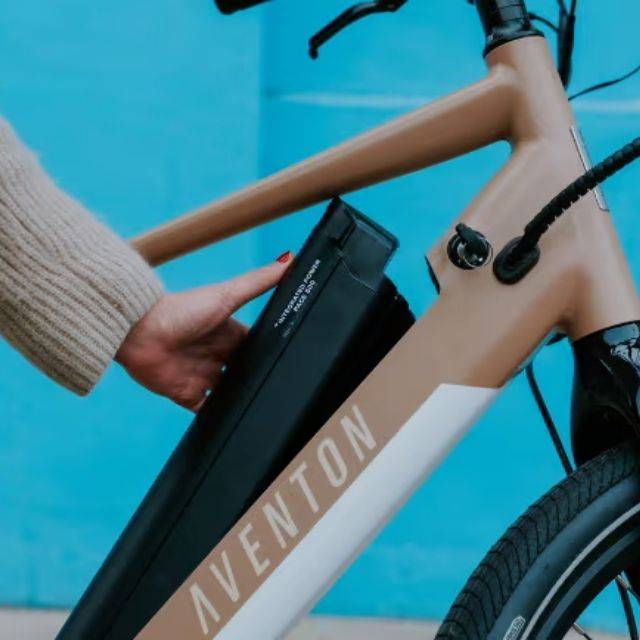
Trek typically uses an in-frame battery integrated into the downtube. This improves weight distribution and gives the bike a cleaner appearance. These batteries are usually removable for charging.
Rad Power Bikes also uses removable battery systems, either externally mounted or semi-integrated into the frame. This makes them easy to remove for charging or storage.
In terms of range, both brands offer bikes capable of covering typical commuting distances.
It’s also worth noting that Rad Power Bikes has issued battery recalls in recent years affecting certain models. While not every bike is impacted, it highlights the importance of battery safety and proper quality control. If you’re considering a Rad Power electric bike, it’s important to check whether it has been affected and ensure any necessary updates or replacements have been carried out.
For buyers looking at refurbished options, companies like Upway inspect and service each e-Bike before resale, including battery checks, which adds an extra layer of reassurance.
In terms of range, both brands offer enough capacity for commuting and everyday riding, with actual distance depending on factors like terrain, rider weight, and assist level.
Motor Power and E-Bike Classes
Motor power and e-Bike class affect how fast a bike can go and where you’re allowed to legally ride it.
Trek e-Bikes typically use mid-drive motors from Bosch or TQ. For example, Bosch Performance Line CX motors found on models like the Rail can deliver up to 85 Nm of torque, which is particularly useful for climbing hills and riding off-road. Lighter models using TQ motors produce less torque (around 50 Nm) but offer a quieter and more natural ride feel.
Most Rad Power e-Bikes use rear hub motors rated at 500W to 750W, depending on the bike. These motors provide steady power and are often paired with throttle assistance, which allows you to ride without pedaling if needed. Torque figures are usually lower than mid-drive systems, but the setup works well for commuting and casual riding
Trek e-Bikes are commonly sold as Class 1 models, which provide pedal assistance up to 20 mph. Some commuter bikes are available as Class 3 models, providing assistance up to 28 mph.
Rad Power Bikes typically sells Class 2 e-Bikes. These include both pedal assist and throttle assistance, usually with a top assisted speed of 20 mph.
Because of this, Trek bikes are often better suited for serious riding, while Rad bikes are ideal for relaxed riding and utility use.
Price and Positioning
Trek e-Bikes generally sit in the mid-range to premium category. Most commuter models, such as the Verve+ or Allant+ series, typically start around $2,000–$4,500, while higher-end builds and electric mountain bikes like the Rail can easily reach $5,500–$10,000+ depending on components and frame material.
Rad Power Bikes are positioned much more aggressively on price. Most of their models fall in the $1,300–$2,400 range, making them far more accessible for riders who want a practical electric bike without a large upfront investment. Even cargo bikes like the RadWagon are usually priced well below many competitors.
This price difference is down to how the bikes are built and sold. Trek uses premium components, mid-drive motor systems, and sells through a dealer network that provides setup and long-term support. Rad Power Bikes use more cost-effective hub motors and sell primarily direct-to-consumer, which helps keep prices lower.
Both brands appeal to different riders, depending on their budgets and requirements.

Popular E-Bike Models
Both brands offer e-Bikes across several categories.
Commuter and Urban Models
Trek
- Verve+ – A comfortable commuter e-Bike with an upright riding position and practical accessories.
- Allant+ – A powerful commuter e-Bike equipped with a Bosch motor.
- FX+ – A lightweight urban e-Bike suitable for commuting and fitness.
- Dual Sport+ – A hybrid electric bike suited to commuting, exercise, and light gravel paths.
Rad Power Bikes
- RadCity 4 – An electric commuter bike built for city riding with a rear hub motor and integrated accessories. This e-Bike has been discontinued in the U.S, but is often available refurbished at Upway.
- RadCity 5 Plus – An updated commuter model with improved frame design and comfort features.
- Radster Road – A newer commuter-focused e-Bike with a more traditional frame layout.
- Radster Trail – A more rugged version of the Radster platform with wider tires for mixed terrain.
Cargo Bikes
Trek
- Fetch+ 2 – A compact electric cargo bike built for carrying groceries, gear, or passengers.
- Fetch+ 4 – A long-tail electric cargo bike capable of transporting heavier loads or multiple passengers.
Rad Power Bikes
- RadWagon 4 – A long-tail electric cargo bike designed for hauling cargo or passengers.
- RadRunner 2 – A utility-focused e-Bike with a compact frame and high payload capacity.
- RadRunner 3 Plus – A higher-spec version of the RadRunner with upgraded components.
- RadTrike – A three-wheel electric bike designed for stability, comfort, and carrying cargo.
Electric Mountain Bikes
Trek
- Rail – A full-power electric mountain bike built for steep climbs and technical trails.
- Fuel EXe – A lightweight electric trail bike that feels closer to a traditional mountain bike.
- Powerfly – A hardtail electric mountain bike suited to mellow trails and mixed terrain.
- Slash+ – A long-travel electric mountain bike built for aggressive downhill riding and technical terrain.
Rad Power Bikes
- RadRover 6 Plus – A fat-tire e-Bike built for sand, snow, and rough terrain.
- RadExpand 5 Folding Electric Bike – A folding fat-tire e-Bike designed for compact storage and versatility.
Shop Trek and Rad Power Bikes at Upway
If you’re comparing Trek and Rad Power Bikes, considering a certified pre-owned e-Bike can help you get more for your budget. Upway offers a wide selection of electric bikes that have been inspected and serviced before being listed for sale. You can compare models by motor type, battery size, frame style, and condition to find the right fit. Each e-Bike is delivered directly to your home, making it easy to access high-quality bikes without paying full retail price.
Frequently Asked Questions
Are Trek e-Bikes better than Rad Power Bikes?
Do Rad Power Bikes use hub motors?
Yes. Most Rad Power Bikes models use rear hub motors, often paired with cadence sensors and throttle assistance.
Can I test ride Trek or Rad Power Bikes?
Trek bikes are usually available through local bike shops, where you can arrange a test ride. Rad Power Bikes are mainly sold online, though some test-ride locations and partner shops exist.
Key Takeaways
- Trek focuses on performance, mid-drive motors, and dealer support.
- Rad Power Bikes emphasizes affordability, hub motors, and useful features.
- Choosing between them usually comes down to whether you want a premium riding experience or a budget-friendly, easy-to-use electric bike.