Both brands produce high-quality e-Bikes. Trek offers a wider range and stronger dealer support, while Orbea focuses more on performance and lightweight design.
Trek vs Orbea: Which E-Bike Brand Is Right For You?
Written by: Tom Fortune | March 27, 2026 | Time to read 5 min
Trek and Orbea both produce high-quality electric bikes, but they approach design, motor systems, and ride feel in noticeably different ways.

More about the Author: Tom Fortune
Tom is a Brit living in the French Alps. When he's not creating written and video content for various brands, he's either pedalling or snowboarding around his local mountains. E-Bikes have unlocked the potential for Tom to explore Alpine terrain and get away from the crowded bike parks. He is only too keen to share his knowledge and experience with other riders.
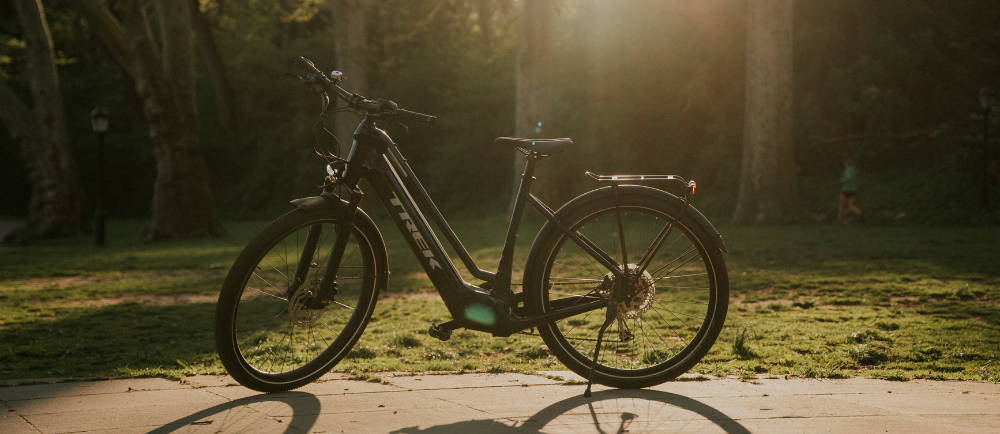
Both brands have models in categories like commuter bikes, road and gravel bikes, and electric mountain bikes. However, the way they build and tune their bikes can seem quite different once you start comparing them side by side.
In this guide, I’ll break down how Trek and Orbea e-Bikes compare so you can decide which one fits your needs.
👋 Welcome to Upway!
Upway is your top destination for buying and selling e-Bikes online. Discover your next e-Bike at up to 60% off retail prices, available in new or like-new condition.
About Trek Electric Bikes
Trek is an American bicycle manufacturer founded in Wisconsin in the 1970s. It sells through a large dealer network across the U.S., making it easier to arrange servicing, warranty service, or book a test ride before buying. That dealer presence is one of Trek’s biggest advantages, especially for riders who want ongoing support.
In recent years, Trek has also pushed into newer e-Bike categories. Bikes like the Fuel EXe introduced lighter-assist systems powered by the TQ motor, giving you an option between full power and a more natural-feeling assist.
About Orbea Electric Bikes
Orbea is a Spanish bicycle manufacturer with roots going back to 1840. The brand has a strong reputation in performance cycling, particularly in road racing and mountain biking.
Orbea’s e-Bike lineup reflects that background. Rather than covering every possible category, it focuses more on performance-oriented models, including lightweight road e-bikes, trail bikes, and electric mountain bikes.
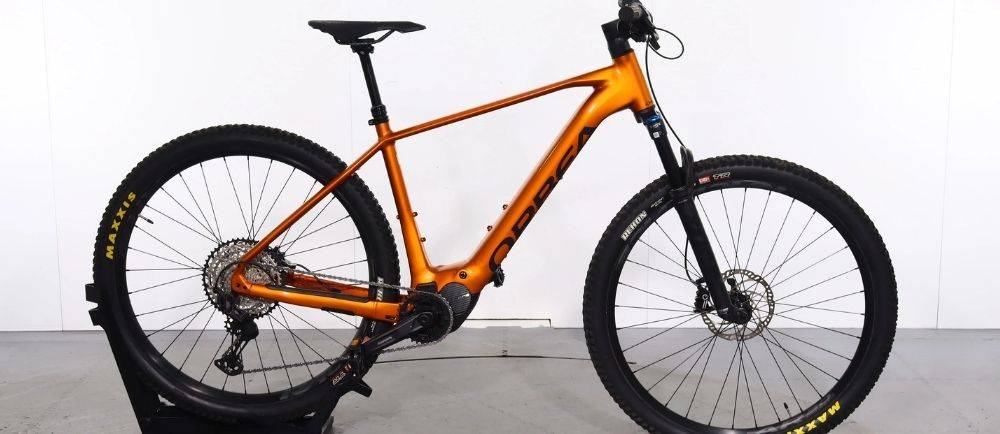
One of the cool things about Orbea is its customization program, which allows riders to adjust colors and some specifications before ordering. You can spend a lot of time speccing your perfect bike on the website. The brand has also earned attention for its lightweight e-MTBs, particularly the Orbea Rise, which has been widely praised among trail riders for its natural ride feel.
Bike Comparison: Trek vs Orbea
Trek and Orbea both build premium electric bikes, but they concentrate on different things. Trek has a broader range across commuting, cargo, and recreational riding, while Orbea is more about providing a more responsive feel and weight savings.
Motor Type & Ride Feel
Trek uses a mix of motors depending on the bike. Many commuter and full-power mountain bikes use Bosch motors, including the Bosch Performance CX, which has up to 85Nm of torque for climbing and is fitted to heavier bikes. Trek also uses the TQ motor in models like the Fuel EXe, giving a quieter and more subtle assist experience.
Many of Orbea's electric mountain bikes use Shimano systems, including the EP8 motor and the Shimano EP8-RS.
For road and lightweight bikes like the Orbea Gain M20i, Orbea uses a hub motor rather than a mid-drive motor. This bike has a more traditional road-bike feel, though with less torque than full-power models.
In practice, Trek gives you a wider range of motor types but stays relatively consistent with Bosch and TQ. Orbea bikes have a more performance-focused feel, especially on their lighter bikes and tuned motor systems.
Features & Equipment
Trek’s commuter bikes come with useful features like lights, racks, and fenders. Models in the Allant+ and Verve+ ranges are ready for daily use straight out of the box. Trek’s cargo bikes, like the Fetch+ series, go even further with family and utility-focused accessories.
Orbea’s bikes are often lighter and more refined, especially in road and mountain categories. However, that doesn’t mean they lack features. Higher-end models include carbon frames, integrated cable routing, and high-spec components, such as Shimano Di2 on some builds.
Braking & Comfort
Both brands use hydraulic disc brakes on most models. You can expect some models to include front suspension or full suspension, depending on the category.
Models like the Orbea Rize are built for efficiency and responsiveness. It also does a great job of integrating suspension while keeping the weight down.
Orbea adds to comfort through geometry and weight reduction, whereas Trek often builds comfort into the bike with suspension seatposts, wider tires, and upright positions on commuter models.
Battery Design & Range
Trek generally integrates removable batteries into the frame. Battery size varies by bike, with larger capacities on cargo and full-power e-MTBs.
Orbea also integrates batteries into the frame, but some models, like the Rise, have smaller, lighter battery systems. This helps reduce overall bike weight but can result in a shorter battery range compared to full-power e-Bikes.
Some Orbea models can take optional range extenders, which can be useful if you want to ride further.
Motor Power and E-Bike Classes
Trek’s U.S. range includes both Class 1 and Class 3 e-Bikes. Class 1 models provide pedal assistance up to 20 mph, while class 3 bikes assist up to 28 mph and are commonly used for commuting.
Orbea bikes are more commonly sold as Class 1 e-Bikes, particularly in the U.S. market. This is especially true for their electric mountain bikes and road models, which focus more on ride feel than outright speed.
If you want higher-speed commuting options, Trek offers more class 3 choices. Orbea likes to give you a more natural assistance feeling and performance riding.
Price and Positioning
Price is one of the key differences between Trek and Orbea.
Trek offers a wide pricing range. Entry-level electric bikes such as the FX+ and Verve+ typically start at $2,000–$3,500, while commuter models like the Allant+ range from $3,500 to $6,000. Electric mountain bikes such as the Rail and Slash+ can range from around $5,500 to well over $10,000, depending on the build.
Orbea sits more firmly in the mid-range to premium category. Models like the Orbea Gain start at $3,000–$5,500, while e-MTBs like the Rise typically cost $5,500-$10,000+. Higher-end carbon builds can be more expensive, especially when you start playing with the online configurator.
Trek is often the easier entry point into e-Bikes, especially for commuters. Orbea tends to appeal more to riders who value performance, lighter weight, and higher-end components.
Popular E-Bike Models
Both brands offer e-Bikes across several categories.
Commuter and Urban Models
Trek
- Verve+ – A comfort-oriented commuter e-Bike with an upright riding position and everyday accessories.
- Allant+ – A premium commuter e-Bike with integrated lights, racks, fenders, and higher-speed options.
- FX+ – A lightweight city e-Bike for commuting and fitness riding.
- Dual Sport+ – A hybrid e-Bike suited to pavement and light gravel.
Orbea
- Vibe – A lightweight urban e-Bike with a minimalist design and integrated battery.
- Diem – A modern urban e-Bike with clean design and everyday usability.
Road and Gravel Models
Trek
Domane+ – An electric road bike built for long-distance riding with a natural assist feel.
Checkpoint+ – A gravel e-Bike for mixed terrain and adventure riding.
Orbea
Orbea Gain M20i – A lightweight electric road bike with a hub motor and natural ride feel.
Gain – A road-focused e-Bike range for endurance riding.
Cargo Bikes
Trek
- Fetch+ 2 – A longtail cargo bike for carrying passengers and gear.
- Fetch+ 4 – A front-loading cargo bike built for heavy loads and family use.
Orbea
- Orbea does not currently offer a dedicated cargo e-Bike.
Electric Mountain Bikes
Trek
- Rail – A full-power electric mountain bike for steep climbs and technical trails.
- Fuel EXe – A lightweight trail e-MTB with a quieter, lower-power motor.
- Powerfly – A range of hardtail and full-suspension electric mountain bikes for mixed terrain.
- Slash+ – A long-travel electric mountain bike for aggressive riding.
- Marlin+ – An entry-level hardtail electric mountain bike for newer riders and light trails.
- E-Caliber – A lightweight cross-country electric mountain bike built for speed and efficiency.
Orbea
- Orbea Rise – A lightweight electric mountain bike with a tuned Shimano EP8-RS motor.
- Wild – A full-power electric mountain bike built for aggressive trail and enduro riding.
- Urrun - A hardtail electric mountain bike for long-distance trail riding.
Shop Trek and Orbea E-Bikes at Upway
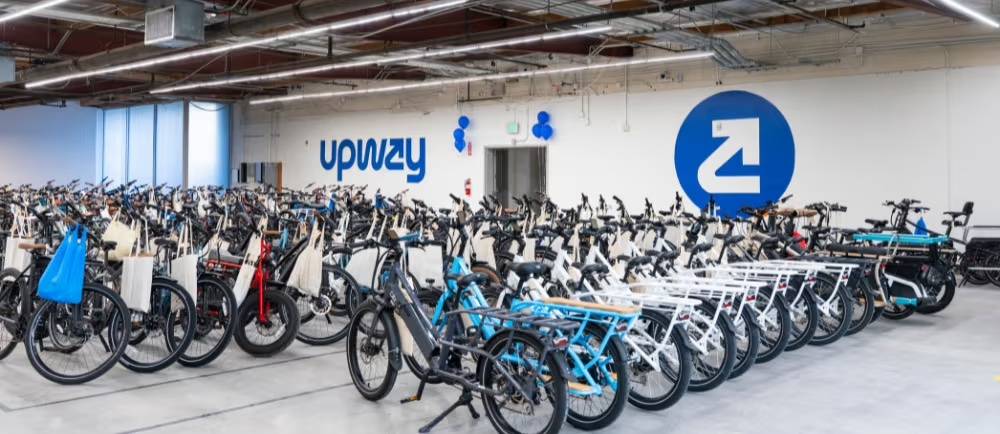
If you’re deciding between Trek and Orbea, you might want to start your search with some certified pre-owned e-Bikes, which can make a big difference in price. Upway offers a wide range of bikes that have been inspected and serviced before being listed for sale.
You can compare models by motor type, battery size, frame style, and condition, which makes it easier to find the right fit without visiting multiple stores. Buying refurbished can also make premium Trek or Orbea models more accessible. Your bike will also be shipped quickly and securely to your address.
Frequently Asked Questions
Are Trek e-Bikes better than Orbea?
Do Trek and Orbea use the same motors?
Not always. Trek commonly uses Bosch and TQ systems, while Orbea often uses Shimano motors or hub motors, depending on the model.
Which brand is better for electric mountain bikes?
Both brands make excellent electric mountain bikes. Trek offers a wide range of models for different uses, while Orbea is known for lightweight, performance-focused models like the Rise.
Key Takeaways
- Trek and Orbea both build premium electric bikes, but they target slightly different riders.
- Trek features a broader lineup, strong dealer support, and practical commuter options.
- Orbea focuses more on performance, lightweight designs, and rider-focused geometry.