Every bike listing needs to have the make, model, year, and size. Things like component details and geometry measurements, like seat tube length and top tube length, are also important for creating a top-tier listing.
How to Write the Perfect Bike Listing To Sell
Written by: Nick Cowie | April 30, 2026 | Time to read: 5 min
With countless used bicycles listed for sale online, it is hard to stand out. Creating a quality listing can help get more eyes on your bike and even lead to a higher financial return. Here are some steps to take to create the perfect bike listing.

More about the Author: Nick Cowie
Nick is a writer with seven years of experience in the cycling industry. In his free time, he enjoys swimming, Jiu Jitsu, and spending time outdoors.
Selling a bike online means endless competition. The only way to make sure your bike gets sold for a reasonable price is to stand out from the pack. Fortunately, a lot of your competitors are posting blurry photos, vague descriptions, and little to no spec detail.
Taking a bit of extra time to write a listing that is easy to read, informative, and trustworthy will instantly catapult your bike to the top of the heap. These are some ways you can stand out from the rest and attract potential buyers to your bike.
👋 Welcome to Upway!
Upway is your top destination for buying and selling e-Bikes online. Discover your next e-Bike at up to 60% off retail prices, available in new or like-new condition.
Table of Contents
Don’t make the buyer search for details
Anyone buying a used bike needs to know quite a few vital details. A listing that makes a buyer jump over to Google to try to find out basics like the model year, geometry, and spec is an easy way to entice them to hit the X button on your listing. Show the buyer what is cool about your bike in a clear and concise list.
- Start with the basics: Anyone buying a bike will want to know the make, model, and model year. They will also need to know the frame size. These bicycle details should be presented clearly in both the title and the description.
- List the details: Communicate everything you know about the bike to the buyer. Provide details like geometry measurements and frame material. More information is better, but it needs to be presented clearly. Use a bulleted list rather than a messy paragraph.
- Showcase components: Every component on your bike should be featured in the listing. This is a great opportunity to show off some of the perks of the bike. If you equipped a new groupset or added cool accessories, make sure you tell the buyer.
Be honest about the condition
Some sellers might be hesitant to talk about condition issues with their bike, thinking this will deter buyers. It is best to establish yourself as an honest member of the cycling community. This will pay off in the long run, especially if you ever want to sell another bike.
- Imperfections are okay: Used bikes are expected to have condition issues. Telling buyers about them simply makes you more trusted as a seller. List potential problems with the condition and take pictures of them.
- Be open to questions: No matter how many details you provide about a bike, potential buyers are still going to have questions. Make yourself available to answer questions and send more pictures (within reason, of course). A willingness to talk about your bike's imperfections makes you more trustworthy as a seller.
- Show the positives too: Don’t just focus on what is wrong with the condition of your bike. Tell customers the service history, what you got done during your most recent tune-up, and if any part of it is still under warranty. This can set your listing apart from another that is selling the same model.
💸 Want to sell your electric bike?
- In case you didn't know yet, you can sell your e-Bike to Upway and get your cash in 3 simple steps.
- Want an estimation -> It takes only 2 minutes to complete this form
High-quality photos can make a sale
We have all scrolled by listings where a bike is barely recognizable as a bike and looks more like a gray blob. It is easy to put yourself far above these listings with some effort in your photography. No need to be a pro, just get some good angles in good light and showcase your bike’s details.
- Clean your bike: Give your bike a quick bath before you take pictures. This should take about five minutes with warm water and soap, and can make all the difference in the aesthetic of your frame and drivetrain.
- Get every angle: Potential buyers want to see a used bike from all angles. Be sure to zoom in on components and show all sides of the bike. Don’t be afraid to show damage; it’s a used bike after all.
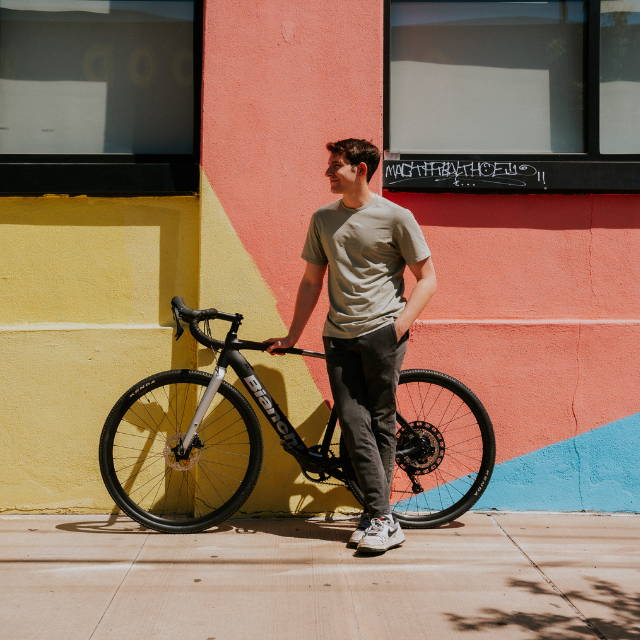
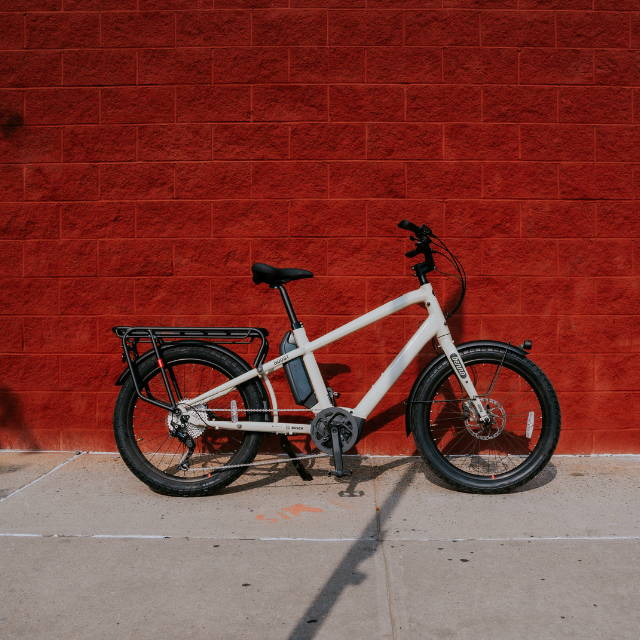
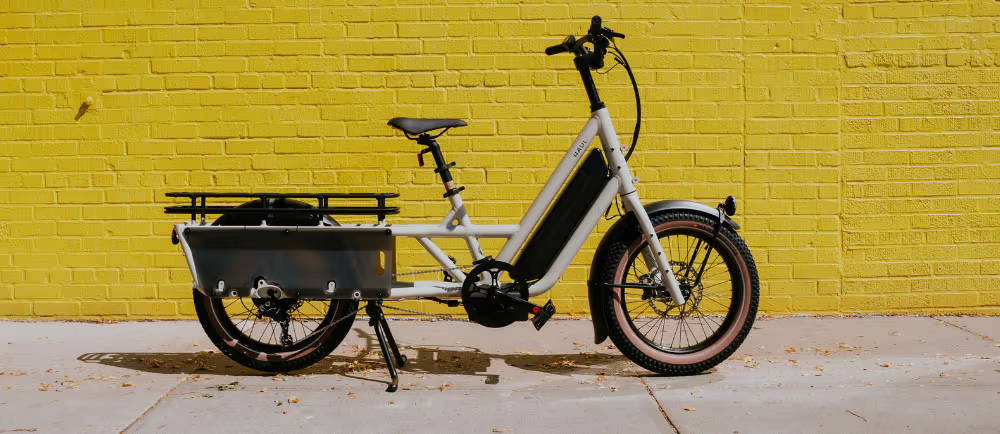
- Be smart about the setting: The focus of your photos should be the bike. Avoid bright colors or clutter in the background. If you have the time, putting a road bike on the road or a mountain bike on a trail is a nice extra touch as long as the background isn’t too busy.
Set Your Price
When you post your listing, you will have to set an asking price for the bike. This is a strategic and delicate moment in your listing process. List too low, and you minimize your own return. List too high and no one will be interested.
- Find the sweet spot: When coming up with a price for your listing, take time to place an accurate value on your bike. Think about what the lowest price you would possibly accept is. Do NOT list that number. Instead, add about 20 percent to it and post your bike with that price. Buyers will inevitably haggle, and this gives you room. Who knows, someone might even pay the list price!
- Be clear about what payment you accept: Some sellers just want cash, and others would prefer electronic payments. Some want to use Venmo, and some don’t even have an account. Note in your listing how you accept payment so the buyer can plan accordingly.
Frequently Asked Questions
What details are most important in a listing?
How do I navigate condition flaws?
Be honest about condition flaws. Used bikes are never perfect, and you want to be trusted. Don’t handcuff yourself to the condition issues. Remember to talk about what makes the condition good, too.
What kind of pictures should I post?
Take pictures of the full bike from every angle in good lighting with a neutral background. Take close-up photos of the components and key details, as well. Washing your bike before taking photos can make it stand out.
Key Takeaways
- Be as detailed as possible: The more information that you can provide about a used bike, the more secure and informed a buyer will feel. List all the details you know in a clear and easy-to-read format.
- Show what makes your bike unique: If you upgraded components, added accessories, or swapped out the wheels during your bike’s life, take some pictures of the upgrades and note them in the description and maintenance history.
- Be available to buyers: Potential buyers might have questions about your bike that can lead to a sale. List a way that they can contact you and what kind of payment you accept to make the sale as smooth as possible.