Most modern bikes have disc brakes. Hydraulic rim brakes are found on higher-end bikes, while mechanical disc brakes are featured on more affordable models. Rim brakes still exist on older and less expensive road bikes, some city bikes, and fixed-gear bikes.
How to Tighten Brakes on a Bicycle
Written by: Nick Cowie | May 24, 2026 | Time to read: 5 min
We all take shortcuts when it comes to recommended maintenance, but brakes are the one thing we shouldn’t mess around with. Your brakes are the main foundation of safety on a bike. Learn the signs of braking issues and fix them to keep yourself safe.

More about the Author: Nick Cowie
Nick is a writer with seven years of experience in the cycling industry. In his free time, he enjoys swimming, Jiu Jitsu, and spending time outdoors.
Understanding your brakes is very important for the health of the bike and your overall safety. Mountain bike and road bike riders tend to hit high speeds and need to be able to slow it down in accordance with their own free will. City bike riders regularly have to hit the brakes on traffic-filled commutes.
For every type of rider, functioning bike brakes are a non-negotiable. Learn how to spot problems with your own and fix them before it’s too late.
👋 Welcome to Upway!
Upway is your top destination for buying and selling e-Bikes online. Discover your next e-Bike at up to 60% off retail prices, available in new or like-new condition.
Table of Contents
What types of brakes are there?
Disc brakes have taken over in the cycling industry as the overwhelming majority when it comes to brake mechanism options. E-Bikes are virtually disc brake-only these days. There is more than one type of disc brake, so make sure you know which one you have. Rim brakes aren’t extinct yet and will be found on plenty of older bikes. Some riders even prefer them! Knowing about your brakes, brake pads, and brake cables is the first step to safety.
- Hydraulic disc brakes: These brakes are widely considered the top performance option on the modern market. Lines filled with hydraulic fluid move pressure to the brake calipers, which push the brake pads against the metal rotor to stop or slow the bike. Hydraulic brakes mean there is no need for brake cables, providing the best possible efficiency and modulation.
- Mechanical disc brakes: Mechanical disc brakes pull a steel brake cable against a rotating mechanical brake arm, which pushes ball bearings upward to push against brake pads and slow the bike’s rotors. These cable-based brakes are popular for their affordability and ease of maintenance. Many lower-priced road bikes and mountain bikes will come with mechanical disc brakes.
- Rim brakes: Rim brakes are the classic option, using mechanical brake cables that a lot of riders still prefer. Caliper brakes are the most popular type. The caliper simply squeezes against the top of the wheel rim to slow the bike down. This type of brake mechanism will often be found on older road bikes and some city bikes. Some companies will even do classic steel or titanium models with rim brakes. If your fixie has brakes at all, there’s a good chance they’re rim brakes.
How do I know if my brakes need to be tightened?
If your brakes are not tuned or tightened properly, every ride becomes more dangerous. Braking distance, or the time it takes to come to a complete stop, can increase greatly, leading to added accident risk. At high speeds, unpredictability is detrimental. Make sure your brakes are tightened properly so your bike functions exactly how you expect it to. Here’s what to look out for.
- Brake lever feel: How your hand feels on the brake lever can tell you a lot. If you are able to squeeze the brake levers more than normal, you likely have a brake issue. A spongy feel when squeezing the brake levers is also indicative of a need for brake maintenance.
- Brake pads: If your brake pads wear faster than normal or unevenly, there is a good chance you have a brake problem. If the brake pads get down to 1mm or less in thickness, you will need to replace your brake pads and/or readjust your brakes.
- The brakes: If you feel any rattling while riding or your brake calipers wobble when touched, it is best to stop riding your bike until your brakes are tightened. You might also notice a decrease in braking power and longer stopping distances, which can indicate loose brakes.
💸 Want to sell your electric bike?
- In case you didn't know yet, you can sell your e-Bike to Upway and get your cash in 3 simple steps.
- Want an estimation -> It takes only 2 minutes to complete this form
How to tighten your brakes
Chances are, you will have to perform some type of maintenance on your brakes every few months. Even if there are no noticeable issues, it is still a good idea to check them out once in a while to make sure there are no safety issues that you’re missing. These are some simple ways to maintain each kind of brake.
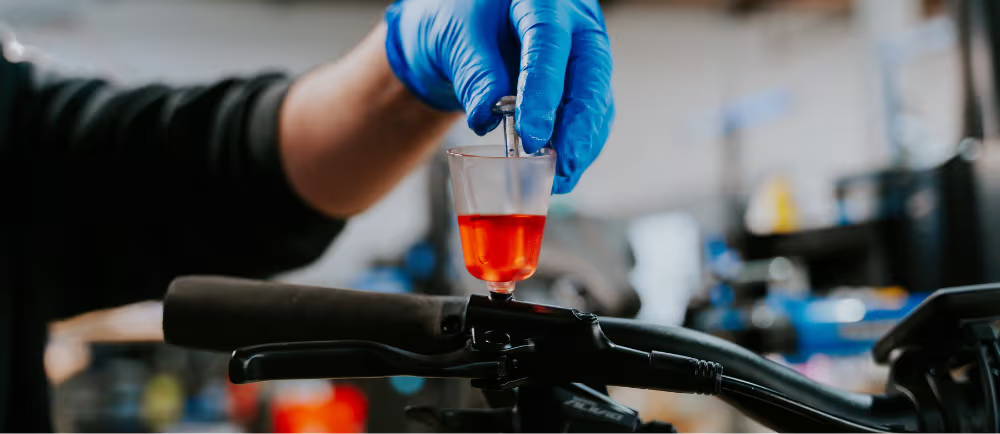
- Hydraulic disc brake: Hydraulic brake issues are often caused by bubbles in the brake fluid. Fixing hydraulic issues requires brake bleeding. If you are not already familiar with this process, it is best to go to a mechanic at your local bike shop to make sure it’s done properly and safely. Make sure the brake levers do not need to be adjusted first before confirming a brake issue.
- Mechanical disc brake: Because mechanical brake operation relies on the bike cables being stretched, they will lose their tautness over time. This will lead to that spongy feeling when squeezing the brake levers. Barrel adjusters can help with minor adjustments, but they will not help if the brake cable is at the end of its life. Luckily, replacing mechanical brake cables is relatively inexpensive.
- Rim brake: Minor rim brake fixes can be made using barrel adjusters. Adjust the tension of the threaded barrel and see if it helps with the problem. If the brake mechanism still feels too loose, you will need to adjust the caliper’s cable tension with an Allen wrench. This is another fix that is best left to a mechanic unless you are experienced with the process.
Frequently Asked Questions
What type of brakes do I have?
How often do I need to fix my brakes?
Checking your brakes, brake pads, and brake cables every few months is highly recommended. This is vital for mechanical disc brakes and rim brakes, which rely on brake cables. Hydraulic disc brakes only need to be bled if a tangible issue arises.
What can I do myself?
Adjusting brakes with a simple barrel adjuster or Allen key is usually okay to do on your own. If the issue is more complicated, take it to a mechanic unless you are very experienced. It’s best to be safe and spend a few bucks when it comes to brake safety.
Key Takeaways
- Pay attention to what you feel: If you have a brake issue, chances are, something will feel off about your ride. If stopping takes longer, the brake levers feel odd, or you feel movement, check on your brakes right away.
- Trust the pros: It is always tempting to do our own brake adjustment and save money, but when it comes to brake safety, the money is usually worth it. If you are not very experienced in bike maintenance, bring serious brake problems to a professional.
- Check regularly: Even if you don’t feel anything unusual, check on your brake system and brake pads every couple of months. The earlier you catch an issue, the easier the fix will be and the safer every ride will be.