Neither is definitively better. Haibike offers a wider range of e-MTBs and stronger mid-range value, while Orbea delivers more refined bikes with greater customization options.
Haibike vs Orbea Electric Bikes: Which Should You Choose?
Written by: Tom Fortune | May 13, 2026 | Time to read 5 min
One brand invented the electric mountain bike. The other has been making precision two-wheelers since before the bicycle even existed. Here’s how to decide between them.

More about the Author: Tom Fortune
Tom is a Brit living in the French Alps. When he's not creating written and video content for various brands, he's either pedalling or snowboarding around his local mountains. E-Bikes have unlocked the potential for Tom to explore Alpine terrain and get away from the crowded bike parks. He is only too keen to share his knowledge and experience with other riders.
Haibike and Orbea are both European brands with serious pedigrees, and both make some of the most compelling electric mountain bikes available today. But they come from very different places, and that shapes everything from how their bikes feel to ride to how they're sold and supported.
Haibike is a specialist. It has made only e-Bikes since 2010, and its entire reputation is built on electric mountain bike performance. Orbea is a generalist with deep roots, offering road bikes, gravel bikes, urban e-Bikes, and a comprehensive e-MTB range that has won consecutive best-in-test awards from E-MOUNTAINBIKE Magazine. If you're choosing between them, the question isn't really which brand is better. It's which one makes the right bike for how you actually ride.
👋 Welcome to Upway!
Upway is your top destination for buying and selling e-Bikes online. Discover your next e-Bike at up to 60% off retail prices, available in new or like-new condition.
Haibike vs Orbea: Key Differences
Haibike is the better choice if you want:
- A brand built entirely around e-Bike performance, with no compromises.
- A wide range of e-MTB options with different motors, suspension levels, and price points.
- German engineering with a proven track record in the electric mountain bike category.
Orbea is the better choice if you want:
- A more refined, lighter-feeling e-MTB with class-leading handling.
- Extensive customization through the MyO configurator before your bike is built.
- A brand with both lightweight and full-power e-MTB options in the same lineup.
- More options other than e-MTBs.
Brand Overview
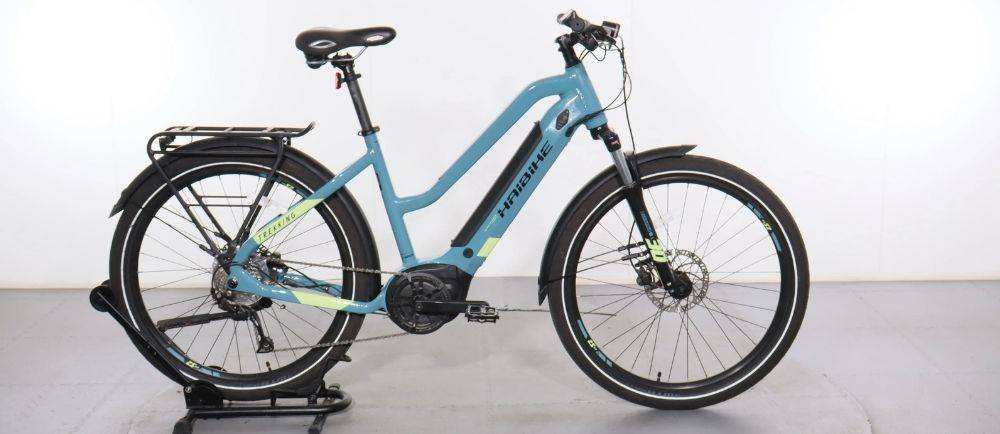
Haibike
Haibike was founded in 1995 in Schweinfurt, Bavaria, by Susanne Puello and her husband, Felix, initially under the Winora Group umbrella. The roots of the family go back further: Susanne's great-grandfather, Engelbert Wiener, founded a bicycle manufacturing company in Schweinfurt in 1914, which eventually grew into Winora. Susanne is one of the very few prominent female CEOs in the cycling industry, and she's been the driving force behind the brand's direction since its founding.
The moment that defined Haibike came at Eurobike 2010. Rather than bolting the Bosch motor to the underside of the frame, as was standard at the time, Haibike rotated the motor upward and integrated it into the frame, protecting it from trail debris and making proper off-road e-Bikes possible for the first time. That single engineering decision effectively created the e-MTB category as we know it today.
Haibike is now part of the Accell Group, which was acquired by US investment firm KKR in 2022. The brand sells e-Bikes exclusively, with no analog bikes, allowing it to concentrate all its resources on electric development. The range in the US covers e-MTBs (AllMtn, AllTrail) and trekking bikes (ADVENTR, Trekking), with motor options spanning Bosch, Yamaha, Fazua, and Pinion, depending on the model.
Orbea
Orbea was founded in 1840 in Eibar, a small town in the Basque Country of northern Spain. It didn't make bicycles at the time; it made guns. The company was one of the most productive firearms manufacturers in Europe during the First World War: in 1916 alone, it produced over 725,000 weapons from its Eibar factory. But when the war ended, and gun restrictions came into effect, Orbea had to find a way to use its steel-tubing expertise and precision manufacturing. So it began making bicycles in 1931.
In 1969, facing bankruptcy during a difficult period in Spain's economy, the company's workers banded together to buy it. Orbea has been an employee-owned cooperative ever since, operating as part of the Mondragón Cooperative Corporation, one of the largest worker-owned enterprises in the world. That ownership structure shapes how the brand operates: bikes are designed, assembled, and hand-painted at the factory in Mallabia, Basque Country, and every employee has a stake in the outcome.
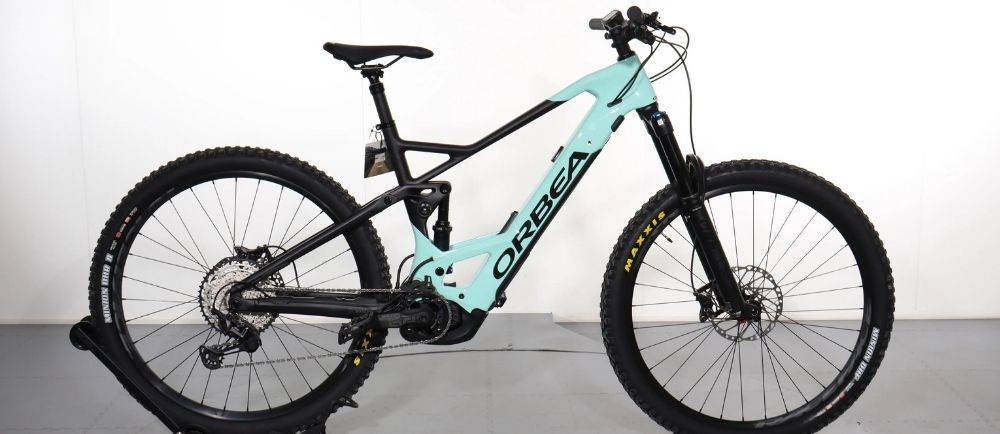
Orbea's e-MTB range is extensive and genuinely competitive. The Orbea Wild has won E-MOUNTAINBIKE Magazine's best e-MTB award in consecutive years, and the Rise has redefined what a lightweight e-MTB can do. I had the chance to ride a friend's Orbea Wild in the Portes du Soleil last season, and at speed, the bike feels calm and controlled, with firm suspension that stays predictable and resists diving or wallowing. It asks for a bit more caution when things get truly rough, but on fast terrain, it's genuinely impressive.
Price and Value
Both brands are in the premium end of the e-Bike market, but they approach it differently.
Haibike's US price range starts from around $3,000 for entry-level trekking models up to $6,500 for mid-spec e-MTBs, with top-tier carbon models like the AllMtn CF TRN/IQ pushing beyond $8,500. The brand offers strong value at the mid-range, where you get proven Bosch or Yamaha motor systems and solid components without paying the premium that top-spec carbon bikes command.
Orbea's e-MTB pricing is also quite broad. For example, the Wild range starts at $6,499 for the aluminum Wild H20 and reaches $11,999 for the Wild M-LTD. The Rise LT H20 starts at $5,999, with carbon models priced higher. The Gain e-Road models and Vibe urban bikes offer more accessible entry points into the brand outside of e-MTB territory.
Motor and Performance
Haibike uses a variety of motors depending on the model. Most e-MTBs use the Bosch Performance Line CX, which delivers up to 85Nm of torque and is widely regarded as one of the most capable full-power motors available. Some models use the Yamaha PW-X3 (85Nm), and the flagship AllMtn CF TRN/IQ uses the Pinion MGU, a combined motor and gearbox unit that eliminates the derailleur entirely and runs on a low-maintenance belt drive. Trekking models use the Bosch Performance Line or Yamaha PW-TE, depending on spec level. The torque sensor-based delivery on all these systems feels progressive and responsive, adapting to your pedaling effort.
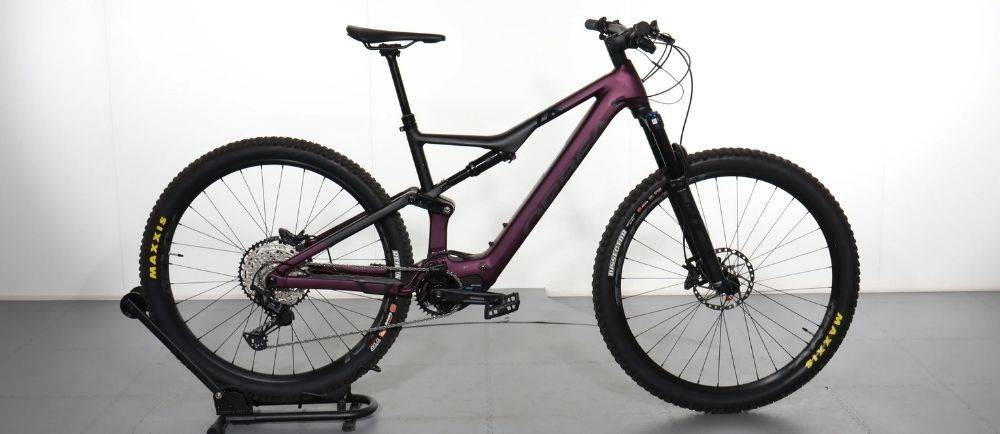
Orbea takes a more varied approach. Full-power e-MTBs use the Bosch Performance Line CX, while lighter trail models use the Shimano EP801 RS with Orbea's proprietary Rider Synergy firmware, tuned for a more natural power response than a standard full-power setup. Road and urban models use different systems again, matched to the demands of each category. For trail riders who want maximum assistance on climbs and technical terrain, the Bosch CX systems on both brands perform at the same high level. The real difference is in how Orbea has tuned its bikes to feel distinct by design.
Battery and Range
Haibike's e-MTBs use Bosch PowerTube batteries, with most current models featuring an 800Wh capacity. The AllMtn and AllTrail models can also take the Bosch Range Extender for longer rides. Trekking models typically run smaller batteries in the 500Wh to 625Wh range. The in-frame battery placement keeps the bike balanced and protects the cell.
Orbea's batteries vary by model and category. Full-power e-MTBs typically use larger integrated batteries with range-extender compatibility for longer days, while lightweight trail models use smaller, lighter batteries. That trade-off between range and agility is a deliberate part of how Orbea sets itself apart from other brands.
In reality, both brands give you enough range for a full day's riding, depending on how you use the assistance levels. Haibike's larger batteries have a practical edge on longer rides, while Orbea's modular approach lets you keep the bike light for everyday use and add range when the ride demands it.
Ride Quality and Comfort
Haibike's e-MTBs feel purposeful and planted. The trail and all-mountain e-Bikes are designed for riders who want a bike that handles serious descents as confidently as it climbs, with enduro-oriented geometry that instills confidence on steep and technical terrain. Trekking models put you in a more upright, comfortable riding position, so they are better suited to longer mixed-surface rides rather than trail performance.
Orbea's ride character varies significantly depending on the bike you choose. Full-power e-MTBs are aggressive and planted, built for demanding terrain where you need consistent and powerful assistance. Lightweight trail models feel closer to a conventional mountain bike with a helping hand rather than a fully motorized experience.
For trail and all-mountain riding, both brands deliver at a high level. Where Orbea goes further is in offering a lightweight alternative that Haibike doesn't currently match in its lineup.
Design and Features
Haibike frames feature clean integration with internally routed cables and a distinctive modern aesthetic. Many models use the Bosch Smart System, which connects to the Bosch eBike Flow app for ride mode customization and performance data. The ADVENTR range comes fully equipped with lights, fenders, and a pannier rack for practical daily use, while the AllMtn and AllTrail models are trail-focused with more minimal fittings.
Orbea's designs center on the MyO configurator, which allows riders to specify components, colors, and geometry settings before the bike is built. It's one of the most comprehensive customization programs in the industry, covering suspension, tires, cockpit components, and an extensive palette of paint options. I’ve wasted a lot of time speccing my perfect Orbea Wild on the website.
Bikes are assembled and hand-painted to order at the Mallabia factory in Spain. The Wild and Rise also feature Orbea's SIC (Sealed Internal Cables) routing system, which threads cables through the headset for a clean look, though some reviewers have noted this can complicate maintenance. You can read more about what to look for when buying an electric mountain bike on the Upway blog.
Popular Models Compared
Haibike
Orbea
Which Brand Should You Choose?
Choose Haibike if you want a proven e-Bike from the brand that invented the electric mountain bike, with a wide range of models across different motor systems and price points. The trail and all-mountain range is a good choice for riders who want full-power performance with Bosch reliability, and the trekking models are worth considering if you want mixed-use capability alongside your off-road riding.
Choose Orbea if you want a more refined e-Bike with the ability to tailor your bike exactly to your preferences through the MyO configurator. The full-power e-MTB range is among the best in the world at its price point, and the broader lineup gives you options that Haibike simply doesn't cover outside of trail and trekking territory.
If you're choosing between the two specifically for e-MTB trail riding, it usually comes down to this: Haibike for variety and mid-range value, Orbea for refinement and customization.
Why Buy From Upway?
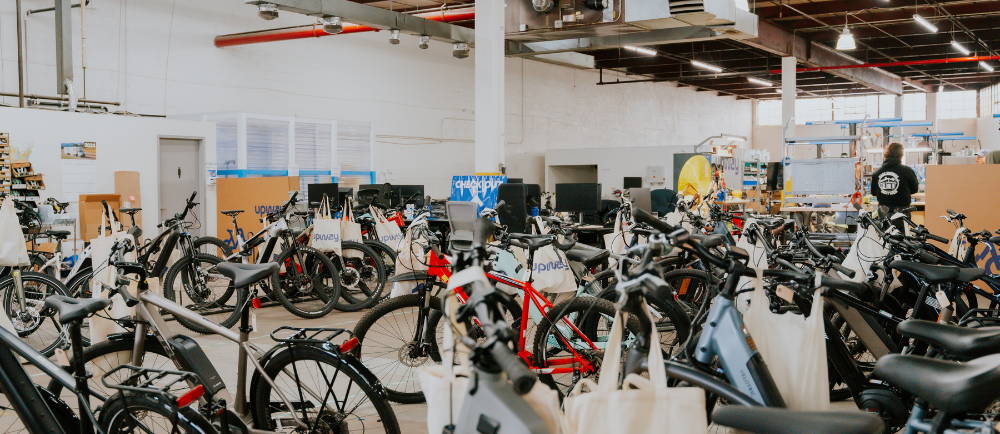
Whether you're considering a Haibike or an Orbea, tracking down the exact model and spec you want through a dealer can be frustrating. But Upway stocks certified pre-owned Haibike and Orbea e-Bikes at up to 60% off retail, with every bike undergoing a 50-point inspection before it's listed. You can compare both brands side by side in the full electric bike catalog and have your bike delivered fully assembled to your door.
Every purchase includes a one-year warranty and a 14-day return window, and all bikes are shipped quickly and securely to your home.
Frequently Asked Questions
Is Haibike better than Orbea?
Does Haibike make anything other than e-MTBs?
Yes, Haibike also makes trekking e-Bikes through the ADVENTR and Trekking ranges, suited to mixed-surface commuting and touring.
Does Orbea make e-Bikes other than mountain bikes?
Yes, Orbea's range also includes the Gain (e-road and gravel), Vibe (urban), and Kemen (urban trekking), giving it a broader appeal than Haibike.
What motor does the Orbea Wild use?
The 2025 Orbea Wild uses the Bosch Performance Line CX Gen 5, delivering 85Nm as standard with 100Nm available via a firmware update through the Bosch Flow app.
Can I buy Haibike and Orbea bikes on Upway?
Yes, Upway carries certified pre-owned models from both brands at up to 60% off retail, with a 50-point inspection and one-year warranty included.
Key Takeaways
- Haibike invented the e-MTB category in 2010 and offers one of the widest model ranges in the segment, spanning Bosch, Yamaha, and Pinion motor systems.
- Orbea combines nearly 200 years of manufacturing heritage with worker ownership, the MyO configurator, and back-to-back best e-MTB awards.
- For trail riding, it usually comes down to Haibike for variety and value, and Orbea for refinement and customization.