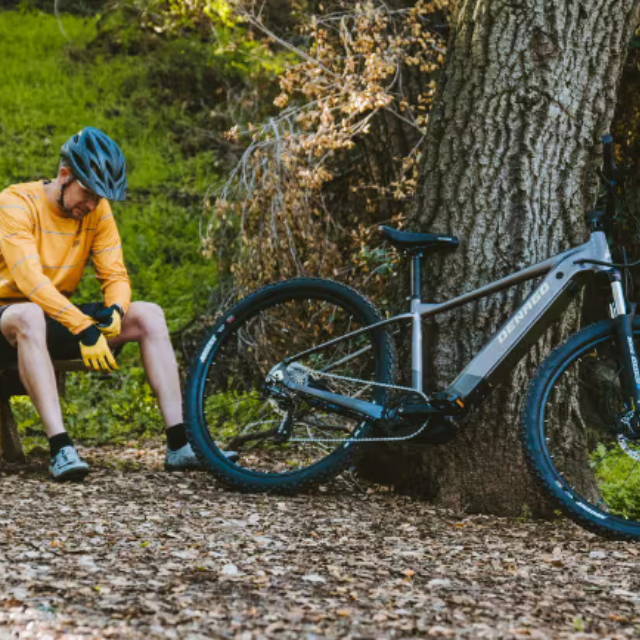
A full-suspension e-MTB is better on technical trails and rough terrain because rear suspension improves traction, comfort, and control. A hardtail electric mountain bike is often better for efficiency, cost, and smoother trails.
Should I Choose a Full-Suspension or Hardtail E-MTB?
Written by: Tom Fortune | February 5, 2026 | Time to read 6 min
Do you really need a full-suspension e-MTB? Well, it all depends on where your ride and a few other factors...let me explain.

More about the Author: Tom Fortune
Tom is a Brit living in the French Alps. When he's not creating written and video content for various brands, he's either pedalling or snowboarding around his local mountains. E-Bikes have unlocked the potential for Tom to explore Alpine terrain and get away from the crowded bike parks. He is only too keen to share his knowledge and experience with other riders.
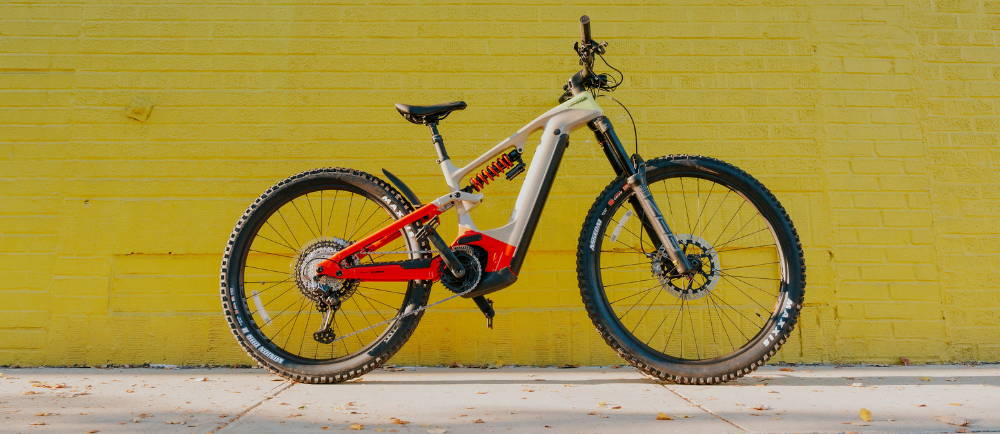
There’s a mountain bike for every type of terrain. Choosing between a full-suspension or hardtail e-MTB is one of the most common decisions riders have when buying an electric mountain bike. Both designs exist for good reasons, and neither is automatically better for everyone, as it depends on your situation. The right choice depends on how and where you ride, and how technical your local trails are.
In this blog, I'll break down the differences between hardtail and full-suspension e-MTBs. It's much like traditional mountain bike comparisons, but with the extra weight, power, and complexity that come with electric mountain bikes. By the end, you should have a clear idea of which option suits your riding best.
👋 Welcome to Upway!
Upway is your top destination for buying and selling e-Bikes online. Discover your next e-Bike at up to 60% off retail prices, available in new or like-new condition.
What actually defines a hardtail and a full-suspension e-MTB?
At the most basic level, the difference comes down to how the suspension system is designed.
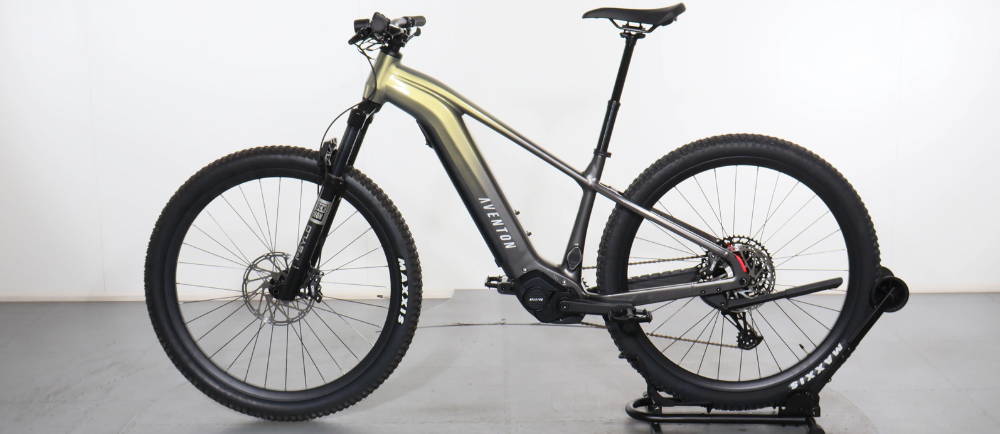
A hardtail electric mountain bike uses a front suspension fork to absorb impacts at the front wheel. The rear of the bike is rigid, meaning there is no rear shock or rear suspension.
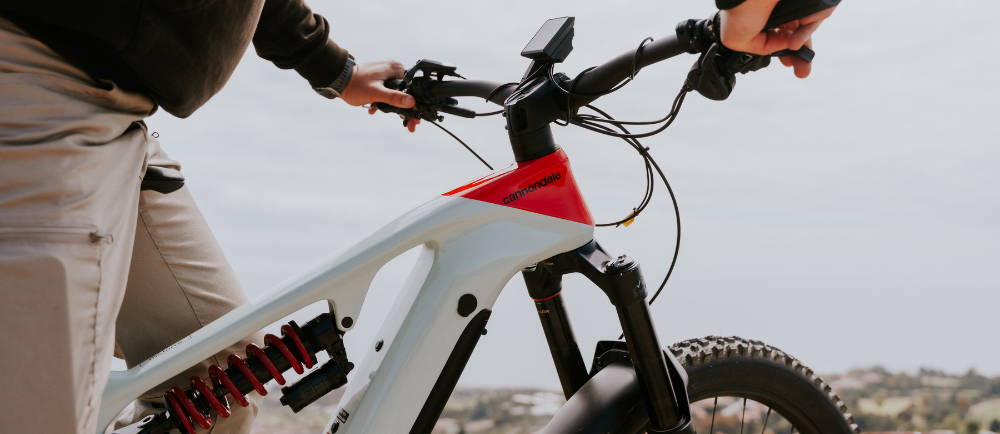
A full suspension bike uses both a front suspension fork and rear suspension. The rear suspension is controlled by a rear shock, which works with linkages, pivot bearings, and a suspension damper to absorb impacts and keep the rear wheel tracking the ground.
On a traditional mountain bike, this choice already has a big impact on ride feel. On an electric mountain bike, the decision matters even more because of the additional weight of the motor and battery.
Why suspension matters more on electric mountain bikes
Electric mountain bikes are heavier than non-assisted mountain bikes. The battery, motor, and reinforced frame increase overall mass, which affects braking, handling, and how the bike reacts on rough ground.
Because of this, suspension significantly affects handling and control, comfort and ride quality, and rider confidence on mountain bike trails. A good suspension system helps manage the extra weight and keeps the bike composed on technical terrain.
That does not mean full suspension is always the right answer. It means the trade-offs between hardtail and full suspension are different on electric bicycles than on traditional mountain bikes.
Hardtail e-MTBs explained
Advantages of a hardtail e-MTB
Hardtail electric mountain bikes tend to be more efficient. With no rear suspension movement, less energy is lost while pedalling, which can result in better battery life, giving you longer range.
They are also lighter than full-suspension models because they do not use rear shocks, linkage hardware, or pivot bearings. This lower weight can improve low-speed handling and make the bike feel more responsive.
As hardtails are simpler, they are usually more affordable and cheaper to maintain. There are no rear suspension systems to service, no pivot bearings to replace, and fewer components overall.
Many riders also appreciate the direct trail feedback of a hardtail. Feeling what the rear wheel is doing can improve line choice and technique on smoother mountain bike trails. They are also a good option if you're a beginner, as you can develop bike skills that are transferable to full suspension bikes.
Limitations of a hardtail e-MTB
The main drawback of a hardtail e-MTB is reduced comfort on rough ground. On rocky or root-filled technical trails, more impacts are transmitted to the rider. This can be tiring and uncomfortable. Also, you really notice the impacts when you land a jump or drop on a hardtail. Traction can also be limited on steep or loose climbs because the rear wheel cannot move independently to maintain contact with the ground.
Full-suspension e-MTBs explained
Electric assistance helps offset the additional weight and complexity of full suspension, making modern full suspension e-Bikes surprisingly capable climbers.
Advantages of a full-suspension e-MTB
Full-suspension e-MTBs offer significantly better comfort and ride quality. Rear suspension reduces vibrations and harsh impacts.
Traction is improved because the rear wheel can track the ground more effectively over rocks, roots, and loose surfaces.
Full suspension also instills confidence. You can carry more speed through rough sections and maintain better control on demanding technical terrain. By absorbing impacts, rear suspension reduces rider fatigue, which becomes increasingly important on longer rides.
🤝 Enjoy an even greater discount when you trade in your old electric bike today!
Click here for a price estimation
Limitations of a full-suspension e-MTB
Full-suspension e-MTBs are heavier due to the rear shock, linkage hardware, and reinforced frame design. This can make them feel less lively at lower speeds. They are also more expensive to buy and maintain. Although modern designs are efficient, some energy is still absorbed by the suspension during pedalling, which can slightly reduce efficiency compared to a hardtail.
Suspension travel and what it really means
Suspension travel refers to how much the suspension can compress. More travel generally improves performance on rough terrain but can reduce efficiency on smooth trails.
Hardtail e-MTBs typically use moderate travel in the front suspension fork, which is suitable for trail riding and light technical use.
Full-suspension e-MTBs vary widely, but if you're taking on big-mountain terrain, you'll want lots of suspension travel.
Motors, drivetrains, and suspension interaction
Most electric mountain bikes use a mid-drive motor mounted near the crank area. A mid drive integrates well with the bike’s gears and delivers strong climbing performance. Many systems use a 250W mid-drive motor, with output measured in newton-meters (Nm) of torque. Higher torque makes steep climbs easier, especially on loose terrain.
On full-suspension e-MTBs, the drive unit must work well with the rear suspension system to avoid excessive movement while pedalling. Hardtail e-MTBs avoid this complexity, making drivetrain setup simpler. Entry-level electric bicycles and commuters usually have a geared rear hub motor, but this design is less common on trail-focused e-MTBs.
Battery placement, frames, and materials
Battery placement affects balance and handling. Integrated batteries, such as the Bosch PowerTube, lower the center of gravity and improve stability.
Frames are usually made from aluminum, though some higher-end models use carbon fibre to reduce weight. Full-suspension frames are more complex because they must accommodate rear suspension systems without compromising strength or battery placement.
Which should you choose?
- Choose a hardtail e-MTB if you value efficiency, simplicity, lower cost, and ride mostly smoother trails, forest roads, and mixed terrain.
- Choose a full-suspension e-MTB if you ride technical trails, value comfort and control, and want more confidence on rough off-road terrain.
There is no universal answer. The best option depends on how you ride, where you ride, and what matters most to you. Sometimes you don't need a full suspension e-MTB due to where you ride and what you want to do. On the other hand, you can opt for a full suspension bike, but choose one with a moderate level of travel if you don't ride super technical trails.
Frequently Asked Questions
Is a full-suspension e-MTB better than a hardtail electric mountain bike?
Do hardtail e-MTBs have better battery life than full-suspension models?
Often, yes. Hardtail e-MTBs are lighter and more efficient, which can result in slightly better battery life, especially on longer rides.
Are hardtail electric mountain bikes suitable for real mountain biking?
Yes. Hardtail electric mountain bikes work well on off-road trails, forest paths, and moderate technical terrain, especially with a good suspension fork and modern tires. However, you need to be realistic about your expectations of it.
Is a full-suspension e-MTB worth the extra cost?
A full-suspension e-MTB is worth it if you regularly ride technical terrain, want more comfort, and spend long days on rough mountain bike trails.
Key Takeaways
- Hardtail e-MTBs offer better efficiency, lower cost, and simpler maintenance for smoother trails and mixed riding.
- Full-suspension e-MTBs provide superior comfort, traction, and control on technical terrain and demanding off-road trails.
- The right choice depends on your terrain, riding style, and whether efficiency or comfort matters more to you.
There is more to Explore
Visit below articles for more info about electric bikes