For most riders, yes. It offers a strong balance between weight and range, and is capable of handling substantial elevation gain.
Elevation Gain With a 625Wh Battery
Written by: Tom Fortune | March 31, 2026 | Time to read 5 min
A 625Wh battery sounds like plenty until you spend a full day riding your electric mountain bike uphill.
More about the Author: Tom Fortune
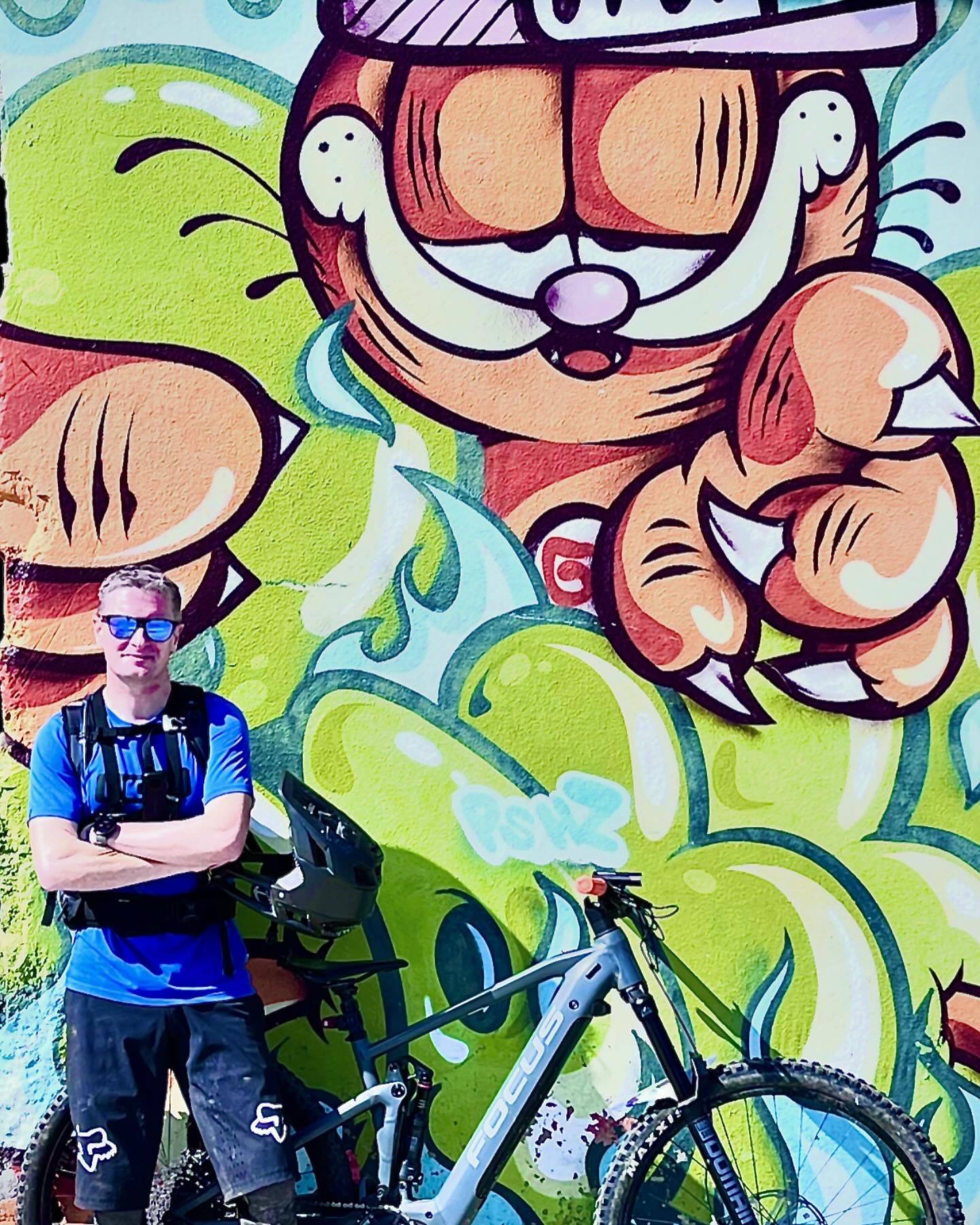
Tom is a Brit living in the French Alps. When he's not creating written and video content for various brands, he's either pedalling or snowboarding around his local mountains. E-Bikes have unlocked the potential for Tom to explore Alpine terrain and get away from the crowded bike parks. He is only too keen to share his knowledge and experience with other riders.
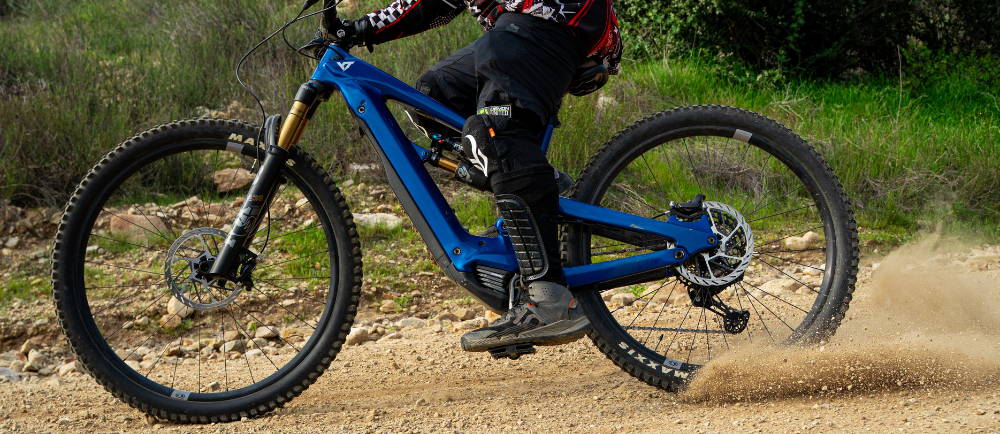
One of the most eye-opening rides I’ve had revealed a lot because of the amount of climbing involved.
It was a relatively short autumnal loop here in the French Alps, but it packed in a serious amount of elevation gain. On paper, it looked completely manageable. I was riding an e-mountain bike with a Bosch PowerTube 625 Wh battery, and I assumed I’d finish with plenty left.
What I didn’t factor in was how relentless the climbs were. There were no real flat sections, no moments to recover, just one sustained effort into another. I spent more time in “Tour” mode than I should have, dipped into “Boost” more often than I’d planned, and watched the battery indicator drop faster than I expected. By the halfway point, it was clear I needed to manage elevation gain and battery life.
👋 Welcome to Upway!
Upway is your top destination for buying and selling e-Bikes online. Discover your next e-Bike at up to 60% off retail prices, available in new or like-new condition.
Table of Contents
So, how much elevation gain can you expect?
Why does climbing drain your battery so quickly?
What really affects battery performance on climbs?
What battery drain actually looks like
How to get more elevation gain from a 625Wh battery
Why a 625Wh battery is such a popular choice
Why buying refurbished can make a big difference
So, how much elevation gain can you expect?
In real-world conditions, a 625Wh battery sits right in the middle of what most electric mountain bikes offer, and it’s a very practical benchmark.
For most riders, you can expect somewhere between 4,000 and 6,000 feet (1,200–1,800 meters) of elevation gain on a single charge. That number can stretch higher if you ride efficiently, or drop quickly if you stay in higher assist modes.
It’s tempting to think in terms of distance, but in mountain biking, elevation is often more important than distance. A shorter ride with steep climbs will often use more battery than a longer, flatter one.
Why does climbing drain your battery so quickly?
When you’re riding on flat ground, your electric bike is helping you maintain speed. When you’re climbing, you’re doing something very different; it’s helping you lift weight against gravity.
That includes the full system weight: rider, bike, and gear. The steeper the slope, the more energy is required. Some of my friends call this the “gravity tax,” and it’s very real.
There’s no coasting on a climb. The motor is under constant load, and battery drain becomes steady and unavoidable. That’s why elevation gain is the most reliable way to estimate how far an electric mountain bike will go.
What really affects battery performance on climbs?
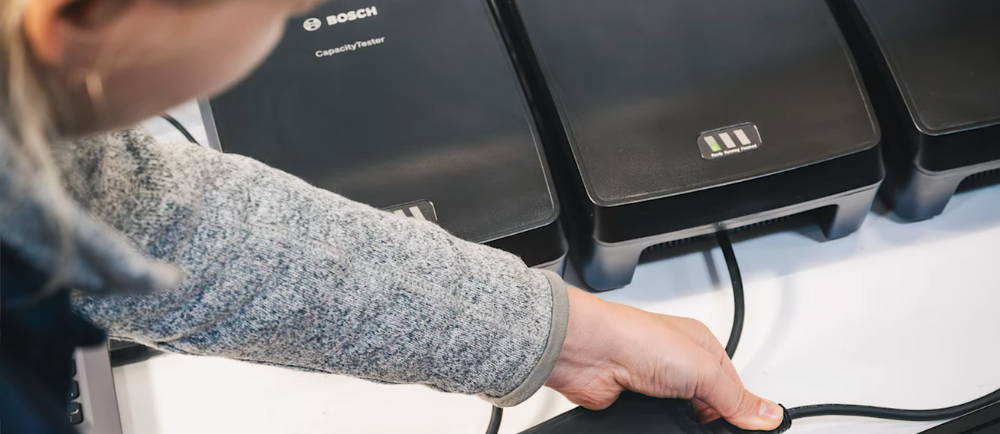
Several factors come into play, and they all stack together over the course of a ride.
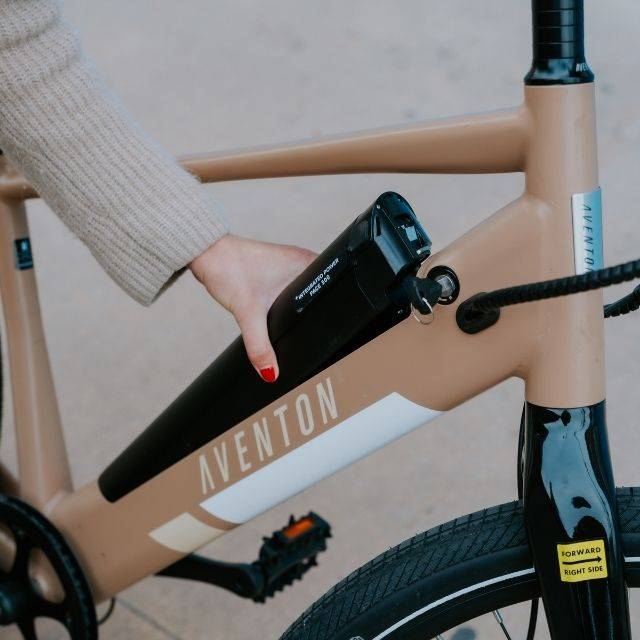
Battery capacity is the obvious starting point. A 625Wh lithium-ion battery offers a strong balance between weight and usable range, and it’s why so many electric bikes sit in this category. It gives you enough headroom for proper mountain riding without the extra weight of larger systems.
But how you use that battery matters just as much.
Assist modes have a huge influence. Riding in Eco mode can significantly extend your range, while spending long periods in “Boost” will drain it quickly. Most riders naturally settle into something like “Tour” mode for sustained climbing, but even then, small changes in how often you switch modes can make a big difference over time.
Motor efficiency also plays a role. Most electric mountain bikes use a mid-drive motor, which is better suited to hill climbing. Systems like the Bosch motor (Performance Line CX) (Used by brands such as Cube, Trek, Cannondale, and Focus) or the Shimano EP8 (Used by brands such as Orbea and Mondraker) are designed to handle sustained loads efficiently, but they still rely on rider input. Smooth, consistent pedaling will always be more efficient than short bursts of power.
Then there’s system weight. It’s easy to overlook, but it adds up. A heavier rider, a loaded backpack, or even just carrying more water can noticeably reduce the amount of elevation gain you can achieve.
Finally, setup matters more than most people expect. Tire pressure affects rolling resistance, and running very low pressure for grip can cost you range on longer climbs. Tire tread plays a part, too. Aggressive tires are great for traction, but they are less efficient, especially on smoother fire roads.
What battery drain actually looks like
In practice, most riders don’t think in miles or kilometers. They watch the battery indicator.
On a typical mountain ride, you might see something like this:
- A long initial climb might take 15–20%.
- A steeper or more technical section, another 20–25%.
- A few shorter climbs quickly chip away at what’s left.
Before you know it, you’re managing the final part of your ride based on remaining battery, not distance.
This is why two rides with the same elevation gain can feel very different depending on how the climbing is distributed.
How to get more elevation gain from a 625Wh battery
You don’t need to completely change how you ride, but a few small adjustments can make a noticeable difference.
The biggest one is simply being more deliberate with your assist levels. Saving higher modes for the steepest sections and easing back when the terrain allows helps preserve battery without ruining the ride.
Riding smoothly also helps more than people expect. Keeping a steady cadence reduces strain on the motor and improves overall efficiency.
Checking tire pressure before a ride and avoiding unnecessary drag can help stretch your range, especially on longer climbs.
And then there’s planning. Looking at elevation gain ahead of time, rather than just distance, gives you a much better idea of how demanding a ride will be.
Can you extend your range?
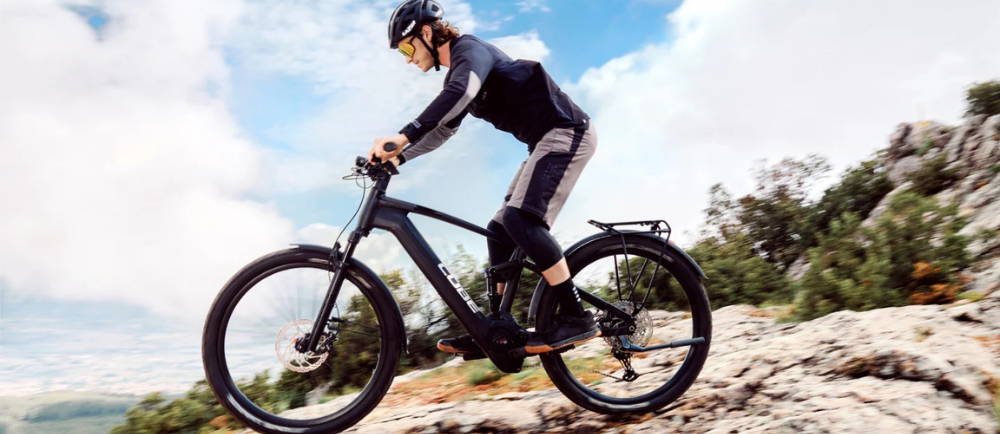
Yes, but there’s always a trade-off.
Some bikes can take range extenders or dual battery systems, which can significantly increase total capacity. Carrying a second battery is another option for longer rides.
But all of these solutions add weight, and more weight means more energy required to climb. So while they extend your range on paper, they don’t always double your elevation gain in practice.
Why a 625Wh battery is such a popular choice
In today’s e-Bike market, a 625Wh battery has become something of a sweet spot.
It offers enough capacity for proper mountain riding, without pushing the bike into the heavier category that larger batteries can create. For most riders, it’s enough to complete a solid ride with meaningful elevation gain, while still keeping the bike responsive and manageable.
Why buying refurbished can make a big difference
Battery size is one of the main factors driving the cost of an electric bike. The jump from a smaller battery to a high-capacity battery can significantly increase the price.
That’s where refurbished bikes from Upway come in.
Instead of settling for a new bike with a smaller battery, you can often move up to a 625Wh or even 750Wh battery for a similar price. That directly translates into a more usable range and more elevation gain.
Because these bikes are inspected, serviced, and backed by a warranty, it’s also a much safer option than buying privately.
Frequently Asked Questions
Is 625Wh enough for mountain riding?
Does Eco mode really make a difference?
Yes. Riding in Eco mode can significantly extend your total climbing range, especially over long rides.
Is elevation gain more important than distance?
In mountain biking, absolutely. Elevation gain is the main driver of battery use.
Key Takeaways
- A 625Wh battery typically delivers around 4,000–6,000 feet of elevation gain.
- Climbing is the biggest factor affecting battery performance.
- Assist mode choice has a major impact on range.