Typically between 10% and 30%, depending on temperature and riding conditions.
Does Cold Weather Reduce E-MTB Battery Range?
Written by: Tom Fortune | March 31, 2026 | Time to read 5 min
Your electric mountain bike doesn’t suddenly get worse in winter—but your battery definitely does.

More about the Author: Tom Fortune
Tom is a Brit living in the French Alps. When he's not creating written and video content for various brands, he's either pedalling or snowboarding around his local mountains. E-Bikes have unlocked the potential for Tom to explore Alpine terrain and get away from the crowded bike parks. He is only too keen to share his knowledge and experience with other riders.
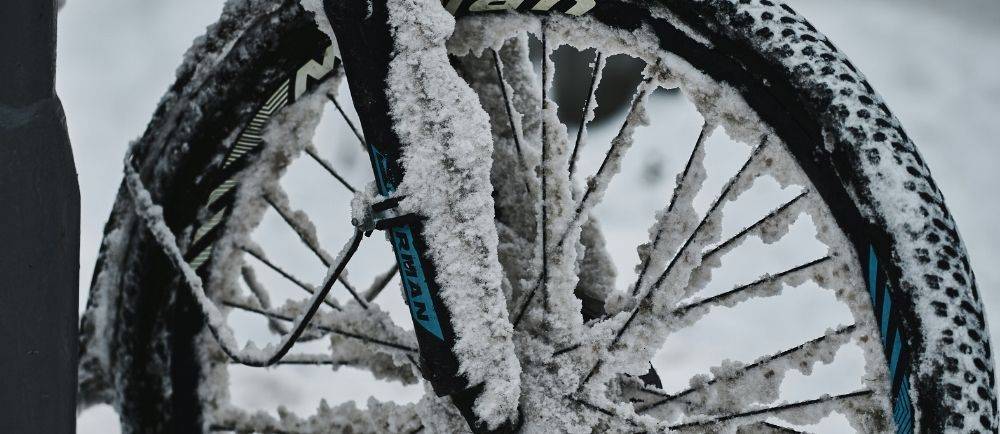
The first time I really noticed how much colder conditions affect an electric mountain bike was on a freezing morning ride in the Alps.
It wasn’t even extreme, just one of those crisp winter days where the ground is hard, the air is sharp, and everything feels fast. I set off thinking it would be a great ride. Same route, same elevation gain, nothing unusual.
But partway through the ride, I noticed something wasn’t right. The battery indicator was dropping faster than I expected. Not dramatically, but enough to make me question it.
By the end of the ride, the difference was obvious. I’d used significantly more battery than I would have in warmer conditions on the same ride.
👋 Welcome to Upway!
Upway is your top destination for buying and selling e-Bikes online. Discover your next e-Bike at up to 60% off retail prices, available in new or like-new condition.
Table of Contents
So, does cold weather actually reduce range?
Why cold weather affects e-Bike batteries
Do all e-MTBs behave the same in the cold?
What affects winter e-Bike range the most?
How much range do you actually lose?
How to reduce range loss in cold weather
Charging and battery care in winter
Why battery size matters even more in winter
So, does cold weather actually reduce range?
Yes, it does.
Most electric mountain bikes use lithium-ion batteries, and those are sensitive to temperature. In cold weather, you can expect noticeable range loss, even if everything else stays the same.
In real-world conditions:
- Mild cold (5–10°C / 41–50°F): small impact
- Cold temperatures (0–5°C / 32–41°F): moderate range loss
- Sub-zero temperatures: significant reduction in winter range
It’s not unusual to lose 10–30% of your range depending on how cold it is and how you ride.
Why cold weather affects e-Bike batteries
This comes down to battery chemistry.
Lithium-ion cells rely on chemical reactions inside the battery to generate power. When temperatures drop, these chemical reactions slow down.
That leads to:
- Reduced battery capacity
- Higher internal resistance
- Less efficient power delivery
You might also notice something called voltage sag, where the battery appears to drop quickly under load, especially during climbs.
In simple terms, the battery struggles to deliver power efficiently under load. So, when riding in the cold, you might notice:
- The battery indicator drops faster than expected
- Motor assistance feels less consistent on climbs
- Range anxiety becomes more noticeable toward the end of a ride
This is especially true on long climbs, where the motor is under constant load, and the battery is working hardest.
Do all e-MTBs behave the same in the cold?
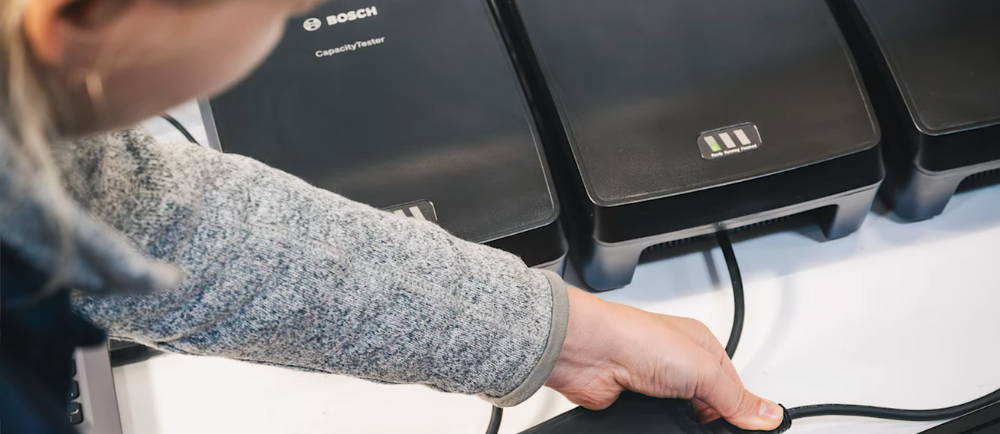
The effect is consistent across most brands, but some systems manage it better than others.
For example:
- Specialized models like the Turbo Levo use refined power management systems.
- Trek bikes with Bosch motors benefit from a strong battery management system control.
- Giant e-MTBs with SyncDrive systems handle power delivery smoothly.
- Cube bikes equipped with Bosch systems are known for their consistent performance.
Modern electric mountain bikes have smart systems that help manage battery performance, but they can’t fully overcome the effects of cold temperatures.
What affects winter e-Bike range the most?
Temperature is the most obvious factor affecting range. The lower it drops, the more battery performance is affected. Sub-zero temperatures amplify everything.
Riding style also makes a bigger difference than usual. Using higher assist mode settings increases battery load, which increases range loss in the cold.
Then there’s setup. Tire pressure often drops in colder conditions, increasing rolling resistance and reducing efficiency. Combined with softer ground or winter tyres, this can further impact range.
Finally, system weight and terrain still play their usual role. Cold weather doesn’t replace those factors; it adds another layer on top.
How much range do you actually lose?
Most riders will see:
- Around a 10–15% range loss in cool conditions
- Around 15–25% in proper winter riding
- Up to 30% or more in very cold or sub-zero temperatures
How to reduce range loss in cold weather
You can’t eliminate the effect of cold weather, but you can manage it.
One of the easiest ways is to keep your battery warm before you start riding. Storing your electric bike indoors, rather than in a cold garage, helps maintain better battery performance at the start of the ride.
Some riders also use neoprene covers or thermal wraps to help insulate the battery. These don’t generate heat, but they slow down temperature loss.
Once you’re riding, being more deliberate with assist mode makes a big difference. Staying in “Eco” or lower assistance levels when possible helps preserve battery life.
It also helps to ride smoothly. Sudden bursts of power increase strain on the battery, especially when it’s already affected by cold temperatures.
Charging and battery care in winter
Cold weather also affects how you should handle charging. Lithium-ion batteries don’t like being charged when they are very cold. If your bike has been outside, it’s best to let the battery warm up to room temperature before plugging it in.
Over time, repeated exposure to extreme cold can contribute to battery degradation, although normal winter riding is unlikely to cause serious long-term damage.
Why battery size matters even more in winter
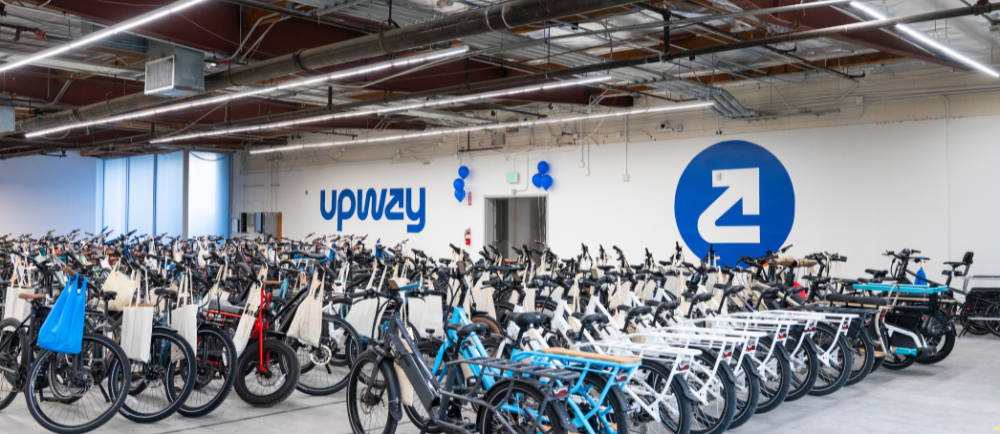
A larger battery gives you more buffer to absorb winter range loss. For example, a 750Wh system will last longer in cold weather than a smaller battery.
So, when it comes to buying an electric bike, you may want to shop a bit smarter and go for a reconditioned one. Instead of stretching your budget for a new electric bike with a smaller battery, you can often get one with a higher-capacity battery through Upway. That extra capacity gives you more flexibility, especially in winter conditions where range becomes less predictable.
Because Upway bikes are inspected, serviced, and backed by a warranty, it’s also a much safer option than buying privately.
Frequently Asked Questions
How much range do you lose in cold weather?
Do all electric mountain bikes lose range in winter?
Yes. All lithium-ion batteries are affected by cold temperatures.
Should I store my battery indoors?
Yes. Keeping your battery in a warmer environment helps maintain better performance.
Key Takeaways
- Cold weather reduces e-MTB range due to changes in battery chemistry.
- Expect around a 10–30% range loss depending on temperature.
- Riding style and assist mode have an even bigger impact in winter.