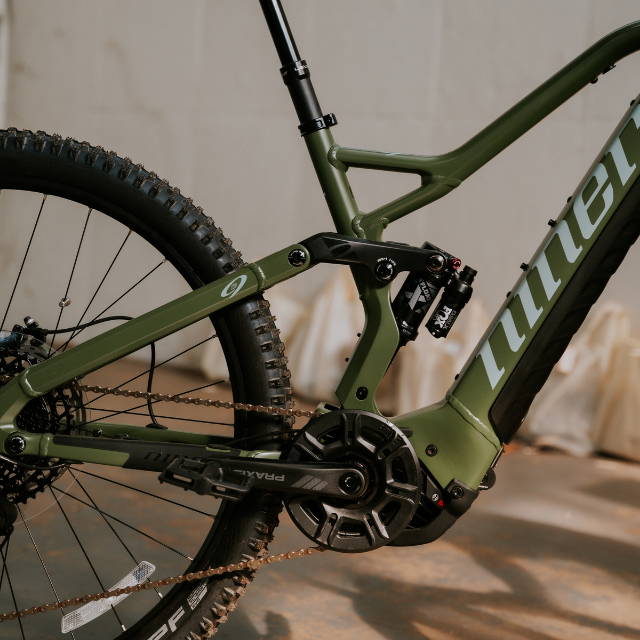
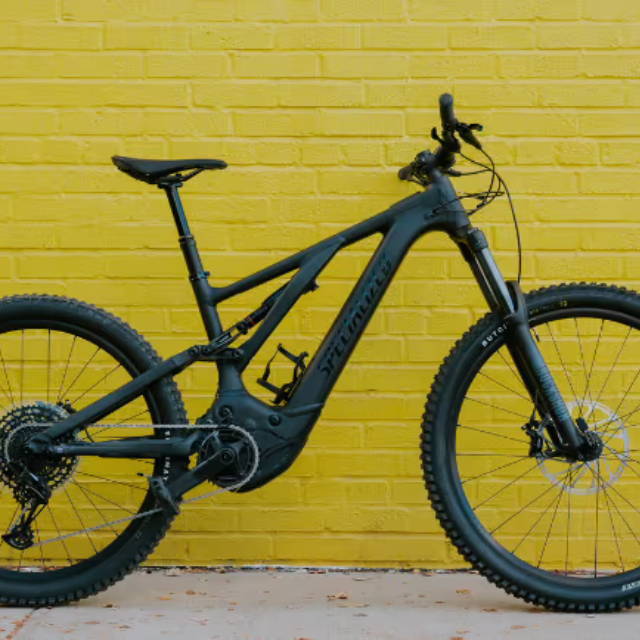
Trail e-MTBs focus on versatility and balance, while enduro e-MTBs prioritise downhill performance and aggressive terrain.
What is the Difference Between Trail, Enduro, and All-Mountain E-MTBs? Explained
Written by: Tom Fortune | February 8, 2026 | Time to read 5 min
Know the difference between trail, enduro, and all-mountain e-MTBs so you get the right one for your local terrain.

More about the Author: Tom Fortune
Tom is a Brit living in the French Alps. When he's not creating written and video content for various brands, he's either pedalling or snowboarding around his local mountains. E-Bikes have unlocked the potential for Tom to explore Alpine terrain and get away from the crowded bike parks. He is only too keen to share his knowledge and experience with other riders.

Electric mountain bikes cover a wide range of riding styles, but few categories cause more confusion than trail, all-mountain, and enduro e-MTBs. On paper, they often look similar. In reality, they are designed for different terrain, riding styles, and priorities. In this guide, I’ll explain the differences between trail, all-mountain, and enduro e-MTBs so you can choose the right electric mountain bike for how and where you ride.
👋 Welcome to Upway!
Upway is your top destination for buying and selling e-Bikes online. Discover your next e-Bike at up to 60% off retail prices, available in new or like-new condition.
Trail e-MTBs
Trail e-MTBs are the most popular type of electric mountain bike, due to their versatility and approachable style. They are designed to handle a wide range of terrain, from flowing singletrack to moderate technical trails, without specialising too heavily in any one area.
Electric assistance makes trail riding more accessible. Climbs become faster and less tiring, which means you can link trails together, repeat favourite sections, and explore further without feeling drained.
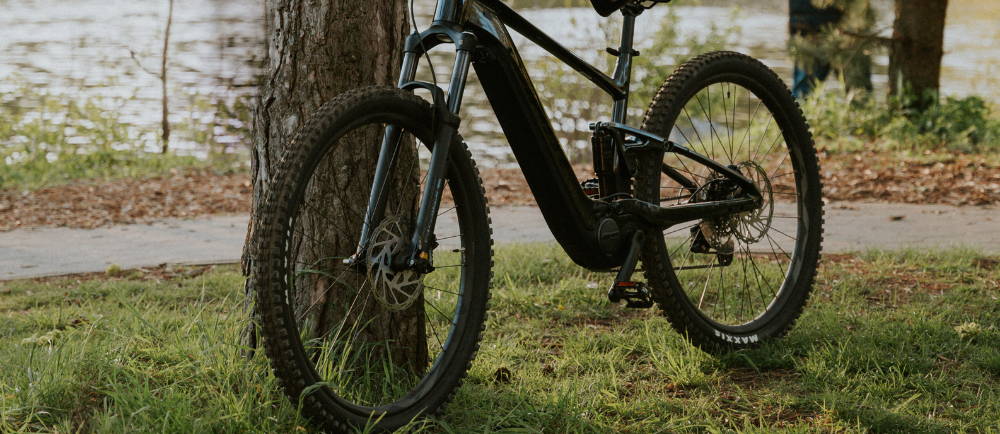
Characteristics of Trail e-MTBs
Trail e-MTBs typically feature 130–150 mm of suspension travel. The geometry of these bikes is generally pretty balanced, so they are good for both climbing and descending. They have a steeper head tube angle than enduro and all-mountain bikes, which gives them more responsive handling.
Trail e-MTBs are ideal for riders who want one trail bike that can do a bit of everything.
All-Mountain e-MTBs
All-mountain e-MTBs sit between trail and enduro models. They are designed for riders who regularly ride steep, technical terrain but still want to pedal long distances and complete big days in the mountains.
The key difference between trail and all-mountain e-MTBs is capability. All-mountain bikes are more stable and confident on rough trails, while still efficient enough for long climbs with electric assistance.
Characteristics of All-Mountain e-MTBs
All-mountain e-MTBs typically have around 150-160 mm of suspension travel and are full-suspension bikes. Geometry is longer and slacker than that of trail bikes, providing more control on steep descents. Motors tend to deliver higher torque, helping riders manage sustained climbs and technical uphill sections. These bikes suit riders who ride natural terrain, alpine trails, and technical routes where confidence and stability matter as much as efficiency.
Enduro e-MTBs
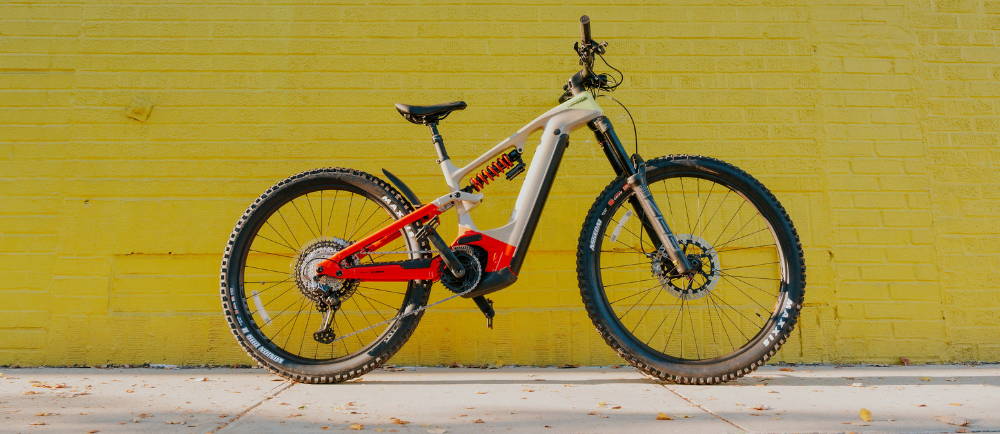
Enduro e-MTBs are built for aggressive riding and demanding terrain. They are built for downhill performance with electric assistance, allowing riders to reach the top without lifts or shuttles.
With an enduro e-MTB, you’ll have a bike that climbs well, but is tough enough for descending fast. Their components are robust enough for tackling steep rock gardens, drops, and high-speed technical trails. Electric assistance allows riders to complete multiple demanding descents in a single ride. In my opinion, this is the best kind of mountain biking.
With an enduro e-MTB, riders can complete multiple demanding descents in a single ride without relying on lifts or shuttles. Frames and components are designed to withstand repeated impacts and high-speed riding on steep terrain.
Characteristics of Enduro e-MTBs
Enduro e-MTBs usually feature 160 to 180 mm of suspension travel and very slack geometry for maximum stability at speed. Frames are heavily reinforced, and components are chosen for durability. Motors deliver high torque for steep, technical climbs, while weight is less of a concern compared to trail and all-mountain models. These bikes are best for riders who regularly ride bike parks, steep natural trails, and challenging terrain.
🤝 Enjoy an even greater discount when you trade in your old electric bike today!
Click here for a price estimation
Trail vs All-Mountain vs Enduro e-MTBs: Key Differences
Trail e-MTBs focus on versatility, balance, and efficiency. All-mountain e-MTBs increase capability on rougher terrain without fully committing to enduro-level aggression. Enduro e-MTBs are designed for riders who want maximum downhill performance and confidence on the most demanding trails.
The right choice depends on where you ride, how technical your trails are, and how much you value climbing efficiency versus descending performance.
Which E-MTB Should You Choose?
Choosing the right e-Bike for the terrain and your skills is important. For example, if you ride fairly tame singletrack on an enduro e-Bike, you may feel like your bike is overkill for the terrain, and the sensation will be dumbed down and less entertaining. On the other hand, if you were to ride an all-mountain e-Bike as an enduro bike, it would probably work fine, but you may feel “under-biked.” This means you’ll have to work harder to ride well, and your enjoyment will be compromised.
If you ride a mix of trails and want one electric mountain bike to handle everything comfortably, a trail e-MTB is the best starting point. If your rides involve long climbs and steep, technical descents, an all-mountain e-MTB offers more confidence and control. If your priority is aggressive downhill riding and challenging terrain, an enduro e-MTB is the right tool for the job. Check out Upway’s collection of refurbished e-Bikes to find your perfect electric mountain bike.
Frequently Asked Questions
What is the main difference between trail and enduro e-MTBs?
Where do all-mountain e-MTBs fit in?
All-mountain e-MTBs sit between trail and enduro, offering more capability than trail bikes without fully committing to enduro-level travel.
Which e-MTB type is best for beginners?
Trail e-MTBs are usually best for beginners due to their predictable handling and all-round capability.
Can one e-MTB cover all riding styles?
Some bikes blur category lines, but choosing a bike that matches your most common terrain leads to better comfort and control.
Key Takeaways
- Trail, all-mountain, and enduro e-MTBs are designed for different priorities, with key differences in suspension travel, geometry, and downhill capability.
- Choosing the right e-MTB depends on where you ride most, how aggressive your trails are, and whether you value versatility or descending performance more.
- Electric assistance reduces the effort of climbing, but choosing the correct bike still matters for confidence, control, and enjoyment on technical terrain.
There is more to Explore
Visit below articles for more info about electric bikes