Yes. Modern e-MTBs from reputable brands are built to strict safety standards. Everything is controlled, and the bikes are full of sensors to help them protect themselves and, of course, you, the rider.
Are E-MTBs Safe? Batteries, Motors & What You Need to Know
Written by: Robbie Ferri | February 21, 2026 | Time to read 6 min
If you’ve ever heard someone say e-MTB batteries “just explode" take a breath. Modern e-MTBs are far safer than the internet would have you believe.
More about the Author: Robbie Ferri
Robbie is a UK-based ultra cyclist, former bike shop worker, and qualified bike fitter. Deeply passionate about e-Bikes and adventure cycling, he combines hands-on experience with real-world riding to help others go further on two wheels.
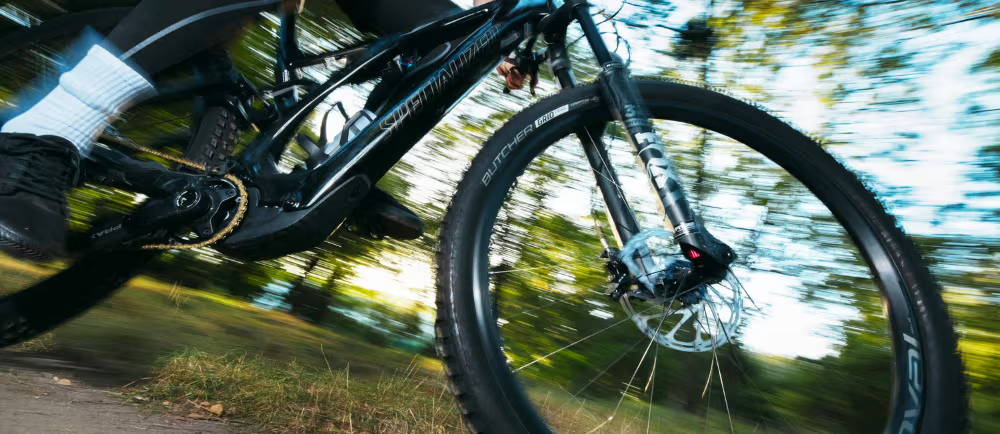
If e-MTBs were as dangerous as social media comments might suggest, trailheads would look like a CSI crimescene. There would be rider outlines on the floor everywhere, and caution tape blocking the path ahead with multiple detectives in force.
In reality, they are not. Modern e-MTBs are built to very high safety standards and not only limited in power but designed to be ridden hard, get messy and wet, and tackle super rough terrain. This article will tell you when not to worry and when you should be concerned.
👋 Welcome to Upway!
Upway is your top destination for buying and selling e-Bikes online. Discover your next e-Bike at up to 60% off retail prices, available in new or like-new condition.
Safety considerations when riding an e-MTB?
In this next section, I have taken the biggest concerns that most electric bike riders have and listed why you don’t need to worry. When making this table, we are focusing on bikes with the safety standards of classes 1, 2, and 3. We’re not focusing on DIY home builds.
The chance of this happening is rare on an electric mountain bike. Not only do the bikes have certain safety features, but they are often double-backed up with additional safety features and sensors. You will also often see an error code that tells you what's wrong before problems occur.
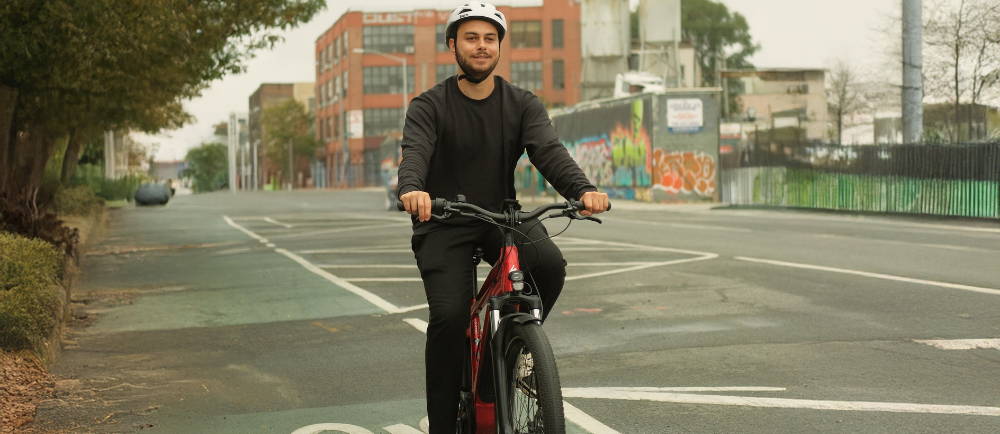
When Should I Worry About an E-MTB Being Unsafe?
Most modern mountain bikes are very safe, provided they have come from a good reputable company such as Giant or Specialized, are not damaged, have not been modified, and are not DIY home builds. Let’s next discuss when you might have concerns about your electric bicycle.
Damaged Bikes
When an electric mountain bike is damaged, you have a reason to be concerned. A swollen, leaking battery is a big problem, and a motor with a broken casing could be a big problem. If you see any damage to the bike, head to an expert to have it checked out.
Bike Not Working As Expected
If the bike shuts off when a load is applied or regularly throws error codes, this is a sign that something is wrong. Same with any unnatural behavior of the bike. It needs to be checked before it gets worse. Listen to that inner mountain biker and question if it's working ok.
🤝 Enjoy an even greater discount when you trade in your old electric bike today!
Click here for a price estimation
Aftermarket Modifications
I see this all the time, and it’s much more dangerous than people think. Modifying a bike to be unrestricted and adding parts not designed by the manufacturer not only voids the warranty but can also make the electric bicycle very dangerous.
DIY Builds
A lot of people have started companies making DIY electric mountain bikes, and there are no safety regulations on this. You can’t simply put a 2000-watt motor on a bike not designed for it and go mountain biking. It’s much more dangerous than you might think.
The aftermarket kits are often made with corners cut. They are often not good for e-Bike use. Serious mountain bikers typically don't use these. The environmental impacts of high-capacity, low-quality batteries are not great either.
Incorrect Charger
The wrong charger can really mess up an electric bicycle's battery. If you ever need to find a suitable replacement, go to the manufacturer, not a compatible charger from an unknown brand, or use anything that fits.
Poor Storage
Bikes need to be stored correctly for e-Bike use, not in super-warm or very cold conditions. It’s really bad for batteries, affecting not just their performance but also their health.
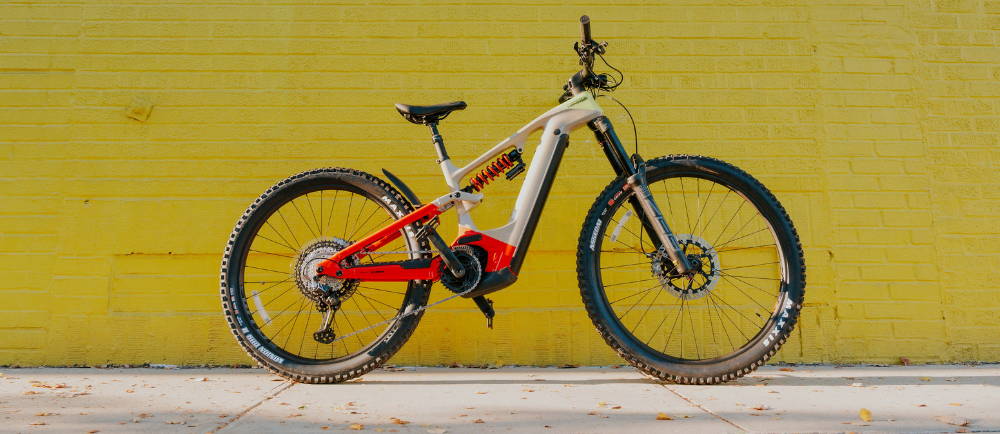
Top Tips for Riding an E-MTB Safely
1. Brake earlier and more deliberately. Unless you are in a race, the phrase "better safe than sorry" goes a very long way. With an e-Bike being heavier, it’s important to be ahead of the game.
2. Check tire pressure before every ride on your mountain bike. The tire pressure on the bike makes a big difference in control and grip. Get it right, the bike feels amazing. Get it wrong, and it handles terribly.
3. Look further ahead on the trail. The best advice for bike handling is to look where you're going. It makes such a big difference. Try not to be that mountain biker riding at 25mph, looking at the front wheel.
4. Don’t modify or derestrict your bike. It’s awful for the bike's health and puts the bike beyond the capabilities of other components. An electric motor isn't designed to be overloaded. There's a reason class 1 e-Bike motors often don't exceed 750 watts.
5. Remember, the trail is shared. It’s so important for safety to respect others around you and ride in a safe, proactive manner. The trail system follows good etiquette, and national forests should be respected. Many places, such as the Bureau of Land Management, are removing trail access, evenClass 1 e-MTBs, because they are not being ridden properly.
2. Check tire pressure before every ride on your mountain bike. The tire pressure on the bike makes a big difference in control and grip. Get it right, the bike feels amazing. Get it wrong, and it handles terribly.
3. Look further ahead on the trail. The best advice for bike handling is to look where you're going. It makes such a big difference. Try not to be that mountain biker riding at 25mph, looking at the front wheel.
4. Don’t modify or derestrict your bike. It’s awful for the bike's health and puts the bike beyond the capabilities of other components. An electric motor isn't designed to be overloaded. There's a reason class 1 e-Bike motors often don't exceed 750 watts.
5. Remember, the trail is shared. It’s so important for safety to respect others around you and ride in a safe, proactive manner. The trail system follows good etiquette, and national forests should be respected. Many places, such as the Bureau of Land Management, are removing trail access, evenClass 1 e-MTBs, because they are not being ridden properly.
How to Choose a Safe E-MTB
When it comes to choosing a good, safe electric mountain bike in a pre-owned market, it can be really difficult. Has the bike been played with? Was it well looked after? Is the battery healthy? If you're asking questions like this, you need Upway.
Upway is a secondhand e-Bike marketplace. We offer all kinds of bikes, all of which come with a full mechanical and electrical inspection and a year's warranty. You don’t just get great prices but great customer service too. Check out the bikes!
Frequently Asked Questions
Are e-MTBs actually safe to ride?
Can e-MTB batteries catch fire?
It’s incredibly rare for batteries to catch fire, especially on Class 1, 2, and 3 bikes. This often happens due to damaged components, poor maintenance, tampering with the system, or poor aftermarket products.
Are e-MTBs safe to ride in the rain and mud?
Of course. You can ride your e-MTB in all conditions. They are designed for that, and if you are buying through a reputable company, they would have been heavily tested for all-weather mountain biking.
Key Takeaways
- Modern e-MTBs are safer than social media suggests. Class 1, 2, and 3 e-MTBs are built with controlled power delivery and multiple safety systems. Most safety fears come from misinformation, not real-world riding.
- Misuse creates risk, not the bike. Derestricting bikes, fitting non-approved parts, using incorrect chargers, or riding damaged bikes greatly increases danger. A stock, well-maintained e-MTB from a reputable brand is very unlikely to be unsafe.
- Riding habits and buying smart matter. Riding within your ability, respecting shared trails, and maintaining your bike all significantly improve safety. Buying a professionally inspected e-MTB removes much of the risk, especially when purchasing used.