Yes, especially when beginners start in low assist modes and build up gradually. Smooth power delivery and reduced fatigue often make learning easier.
Are E-MTBs Safe to Ride? What You Need to Know
Written by: Robbie Ferri | February 24, 2026 | Time to read 6 min
Safety concerns around e-MTBs are completely valid. But most of the fear comes from assumptions rather than how modern electric mountain bikes actually work.
More about the Author: Robbie Ferri
Robbie is a UK-based ultra cyclist, former bike shop worker, and qualified bike fitter. Deeply passionate about e-Bikes and adventure cycling, he combines hands-on experience with real-world riding to help others go further on two wheels.
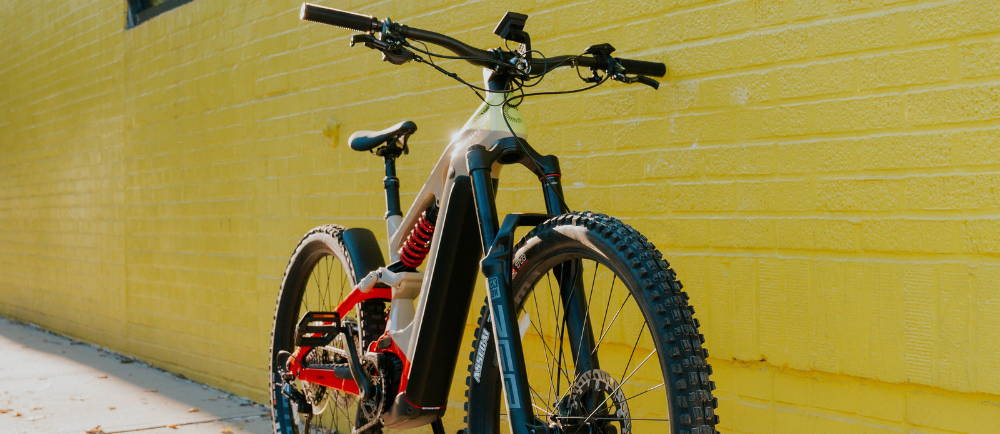
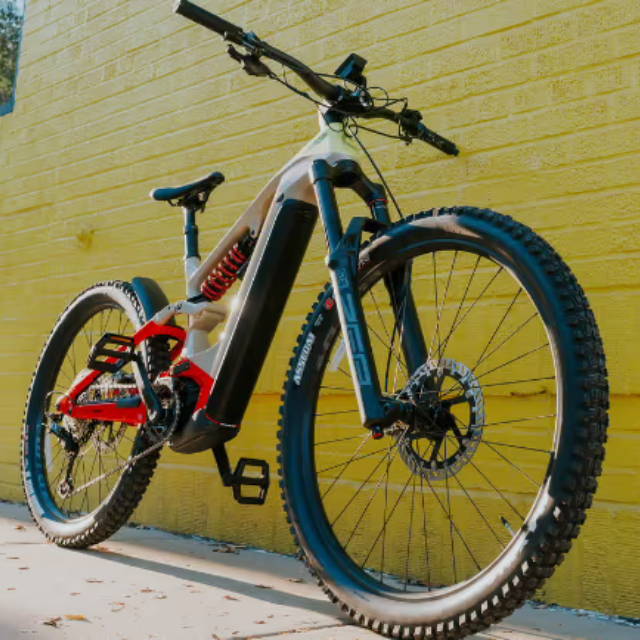
When first looking at an e-MTB, you might be thinking that’s a complete health and safety nightmare. A powerful motor, a large battery, and a wet, rocky trail don’t sound like a great idea all put together.
E-MTBs are much more predictable, controlled, and much more sensible than you might think. In this article, we’re going to be telling you how electric mountain bikes work and the safety features, as well as when they might be unsafe.
👋 Welcome to Upway!
Upway is your top destination for buying and selling e-Bikes online. Discover your next e-Bike at up to 60% off retail prices, available in new or like-new condition.
What is an E-MTB?
Firstly, it’s important to understand what an e-MTB is. Most people think it’s a bike with a powerful motor and battery attached, which is correct, but to be classed as an e-MTB, a bike must meet certain requirements to fit into one of three classes.
Providing the bike fits into one of these classes, it’s considered an e-MTB or e-Bike. When you exceed these limits, such as putting a giant motor on and the bike having the ability to go 60mph, then it’s classed as an e-Moto, and these are dangerous. They also require registration and insurance, and are often unsafe.
Mountain bikers will head to trails that allow e-bike use and take these classes. Class 1 is the most accepted and most popular. Class 3 bikes are restricted in many places due to their powerful electric motors. They don't allow trail access. Not only is it dangerous for other users, but it also has environmental impacts on wildlife. National forests are very strict on motor power.
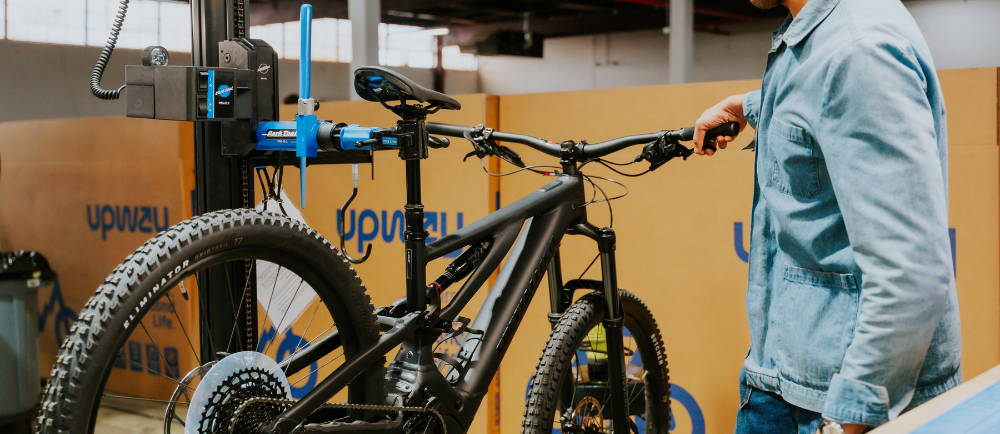
What Are The Safety Features of Modern E-MTBs?
What a lot of people don’t know about e-Bikes and mountain biking is the amount of safety features that they have to ensure they don’t get a mind of their own and blast you into a tree. Here’s what you need to know.
Pedal Assistance Only
Most modern electric mountain bikes, apart from the odd Class 2, are pedal-assistance only. This means the motor can only engage when the rider is pedalling. When they stop the bike, the motor automatically cuts off.
Cut Off Sensors
Modern e-Bikes all come with cut-off sensors to ensure the motor switches off when required. The brakes have these, so does the cadence sensor on the motor, and even the onboard computer can display error codes on the bike if it isn’t performing the way it should or is at a temperature it shouldn’t be.
Assistance Modes
Most e-Bikes come with multiple assist modes. There’s ECO for low power use, standard for normal power, and turbo/max for maximum power. The ECO is super user-friendly, especially for beginners.
Smooth Delivery And Powerful Stopping Power
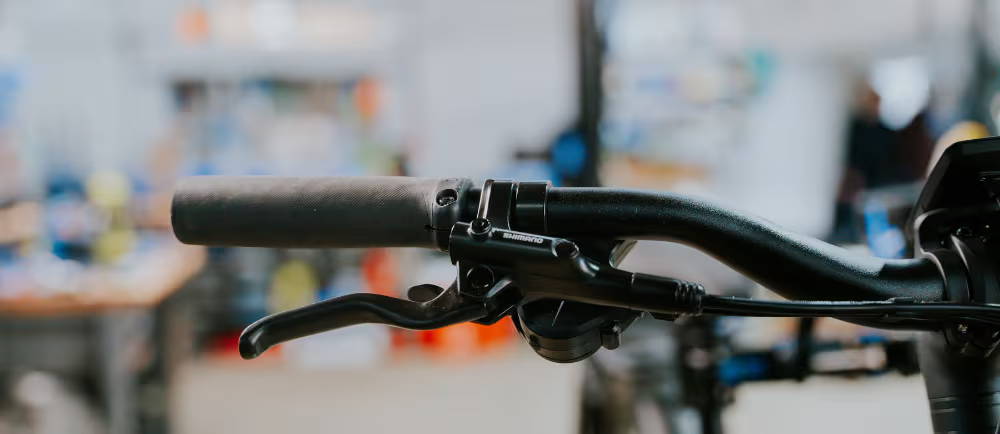
When the e-Bike motor engages, it’s not instant. It slowly ramps up and builds into the pedalling motion. When it comes to stopping, most e-MTBs feature hydraulic disc brakes to quickly slow them down with minimal effort.
Why Do People Think E-MTBs Are Dangerous?
Are E-MTBs More Dangerous Than Regular MTBs?
Most fears about e-MTBs stem from assumptions and not real-world riding. The errors that cause accidents typically come from user error more than anything else. I wouldn’t say one is more dangerous than the other.
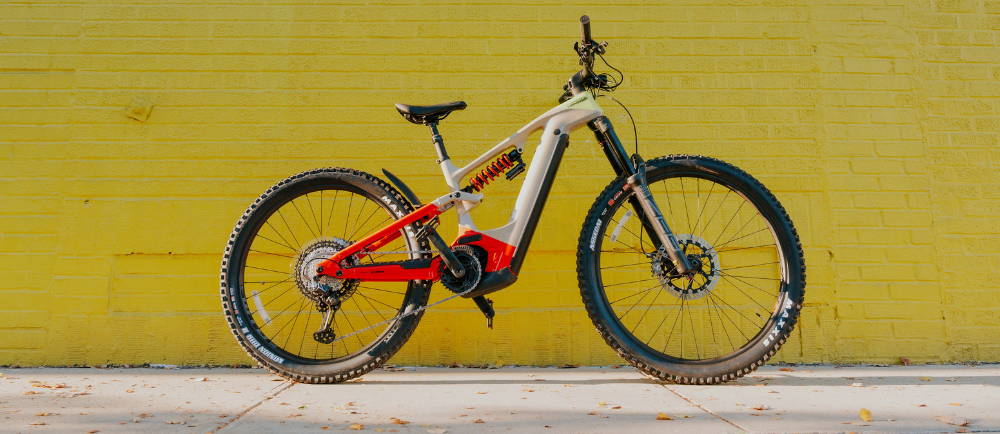
When E-MTBs Can Be Unsafe
Mountain bikes can be unsafe at times. Here’s when you are going to want to avoid them.
When they are derestricted or modified
When an e-MTB is derestricted or modified, it means someone has gone beyond the manufacturer's specifications and tolerances. Not only is this bike a high risk to ride, but it is also a high risk when being charged. Do your best to stay in Class 1 for the most mountain biking trail options.
When the rider is trying to ride above their skill level
The next way you can make an e-MTB dangerous is by trying to ride above your skill level. Not the bike's fault, but the riders. It’s important to build your skills up gradually and not just hope for the best.
When maintenance is neglected
When riders neglect maintenance, you're asking for trouble. Worn-out brakes, a slipping chain, leaking suspension, and loose bolts are just asking for trouble.
When the bike is poorly set up for the conditions and the rider
The bike should be set up for the rider and the conditions they will face. Correct tire pressures, a good bike fit, and wearing the right gear for the trail system in rain or shine.
When the rider ignores trail etiquette
Trail etiquette is so important. Not flying around blind corners, passing too close, and ensuring people around you know what you're doing. Failing to do this is just dangerous.
Where Can I Buy A Safe E-MTB?
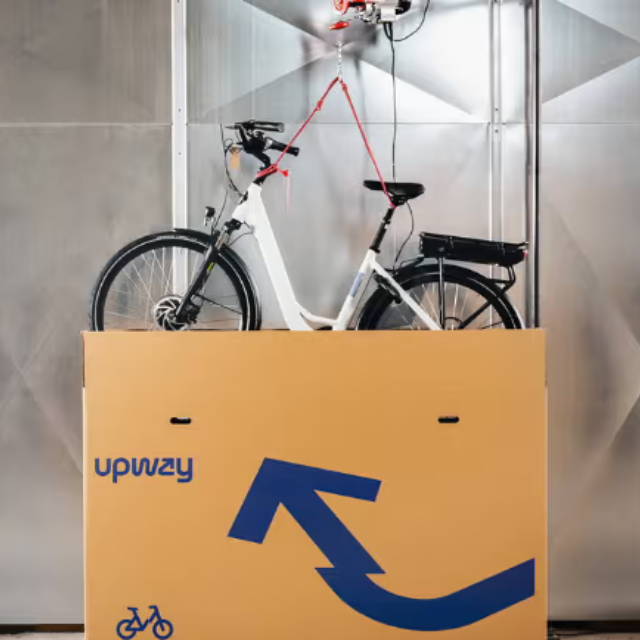
If you are looking to buy a safe electric bicycle, then why not choose the Upway route? Pre-owned bikes that have been inspected and tested are ready to be sent to your door, as are fully inspected and certified e-Bikes.
- Class-compliant (Class 1, 2, and 3) models
- One-year warranty included
- Significant savings vs buying new
- Wide range of brands and models
- Professionally refurbished bikes
- Battery health checked and verified
- Safer alternative to private used sales
- Easy online purchasing process
- Growing availability across the US
Browse some of our amazing e-MTBs below!
Frequently Asked Questions
Are e-MTBs safe for beginners?
Do e-MTBs go too fast on trails?
No. Class 1 e-MTBs are speed-limited and provide pedal-assist only. Once the limit is reached, the bike behaves like a normal MTB.
Is it safe to buy a used e-MTB?
Yes. As long as it’s inspected, class-compliant, and the battery health is good. Platforms like Upway make used e-MTBs safer by professionally checking both mechanical and electrical systems for e-Bike use.
Key Takeaways
- Power Doesn’t Equal Danger. Electric bicycles don’t deliver uncontrolled power. Assistance is smooth, adjustable, and only active when you pedal, even when you are running 750 watts on the motor.
- Rider decisions matter more than the bike. Most safety issues on electric bicycles come from overconfidence, poor setup, or ignoring trail conditions, not from the motor.
- Used responsibly, e-MTBs are very safe. A well-maintained, class-compliant e-MTB ridden within your limits is a safe and confidence-boosting way to ride trails.