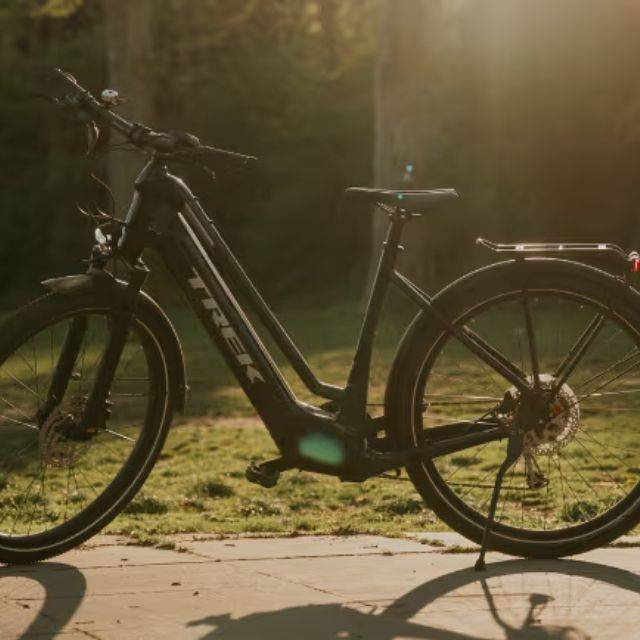
Trek is often the better choice for commuting, thanks to its wider range of Class 3 models and commuter-focused features.
Trek vs Scott: Which E-Bike Brand Is Right For You?
Written by: Tom Fortune | March 28, 2026 | Time to read 5 min
Trek and Scott both make seriously capable e-Bikes, but depending on how and where you ride, one may feel far more natural than the other.

More about the Author: Tom Fortune
Tom is a Brit living in the French Alps. When he's not creating written and video content for various brands, he's either pedalling or snowboarding around his local mountains. E-Bikes have unlocked the potential for Tom to explore Alpine terrain and get away from the crowded bike parks. He is only too keen to share his knowledge and experience with other riders.
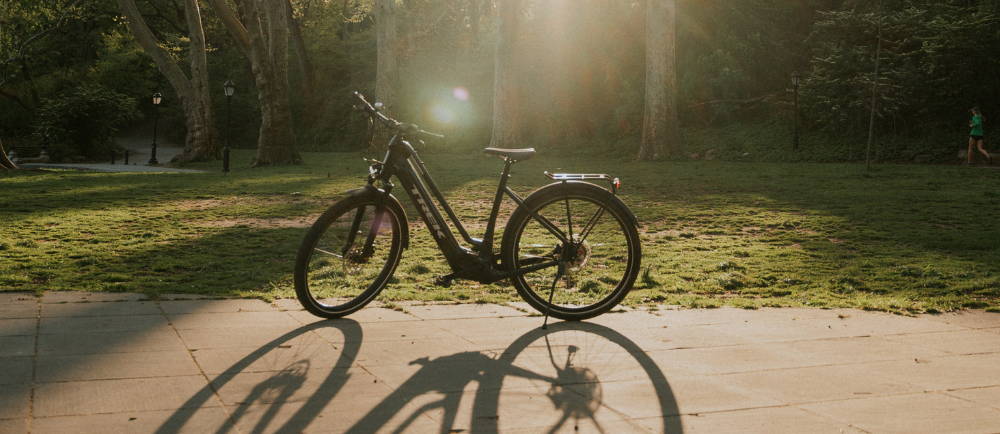
If you’re comparing Trek and Scott e-Bikes, you’re already looking at two brands that have been big players in cycling for a long time. Both build electric bikes across multiple categories, from commuters to aggressive electric mountain bikes, so there’s a good chance they’ll have something for you.
At a glance, their lineups look similar. But once you dig deeper, or better yet, ride them, you start to notice some differences. In this guide, I’ll break down how Trek and Scott e-Bikes compare so you can decide which one fits your riding style.
👋 Welcome to Upway!
Upway is your top destination for buying and selling e-Bikes online. Discover your next e-Bike at up to 60% off retail prices, available in new or like-new condition.
About Trek Electric Bikes
Trek has been building bicycles in the United States since the 1970s and has grown into one of the most recognizable names in the industry. Its electric bike lineup now includes urban bikes, cargo bikes, road and gravel models, and a great range of electric mountain bikes.
One of Trek’s defining strengths is the widespread availability of its bikes. With a large network of dealers and brand stores across the U.S., it’s usually easy to find a place for servicing, support, or a test ride.
About Scott Electric Bikes
Scott is a Swiss brand founded in 1958, with a long history in racing and performance cycling. In fact, my first full-suspension mountain bike was a well-used, second-hand Scott Genius that I rode until it fell apart. Scott's performance roots play a big role in how its electric bikes are built today.
Scott’s e-Bike lineup leans heavily toward performance, particularly in electric mountain bikes. The brand is known for lightweight frames, clean integration, and high-tech suspension.
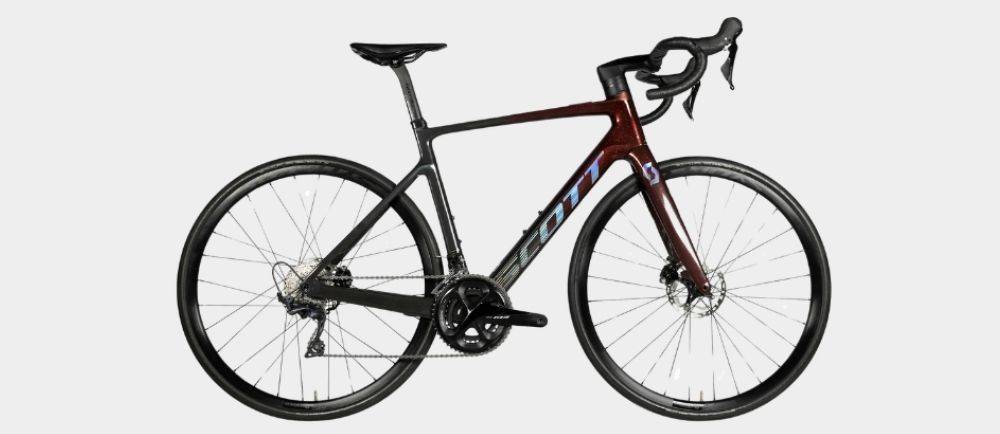
Bike Comparison: Trek vs Scott
Here are the differences between the two brands that you’ll notice when you compare their characteristics.
Motor Type & Ride Feel
Trek uses several motor systems depending on the bike. Many commuter and full-power mountain bikes use Bosch motors, including the Bosch Performance CX, which delivers up to 85Nm of torque. Trek also uses the TQ motor in models like the Fuel EXe and Slash+, giving you lighter, quieter, and more subtle assistance compared to full-power bikes.
Scott mainly uses Bosch motors across its lineup, particularly on its electric mountain bikes such as the Strike eRIDE, Genius eRIDE, and Patron eRIDE.
Because both brands use Bosch motors, the difference in how the bikes ride often comes down to geometry, unique features, and suspension designs. Trek offers a wider range of styles, from relaxed commuter bikes to aggressive trail machines. Scott bikes tend to feel a bit more premium and high performing.
Features & Equipment
Trek commuter bikes commonly have practical features fitted, such as lights, racks, and fenders. Models like the Allant+ and Verve+ are ready for daily riding, while cargo bikes like the Fetch+ allow you to carry more stuff.
Scott includes modern features as well, but its approach is more streamlined. Urban models like the Sub Active eRIDE and Axis eRIDE feature integrated lighting and internal cable routing, but overall, the brand places greater emphasis on weight reduction and design.
Braking & Comfort
Both brands use hydraulic disc brakes across most of their e-Bike ranges, so you get strong and consistent stopping power with good modulation for control.
Trek offers a wide range of comfort features, particularly on commuter bikes, with upright riding positions and optional accessories like suspension seatposts. Its mountain bikes range from short-travel trail bikes to long-travel full-suspension models.
Scott’s electric mountain bikes, like the Genius eRIDE and Patron eRIDE, have state-of-the-art suspension systems for maximum control and efficiency on rough terrain.
Battery Design & Range
Trek mounts its batteries in the frame on most models, and many can be removed, so you can charge or store them inside your home or at work. Battery size varies by bike type, with larger batteries used on cargo and full-power mountain bikes.
Scott also uses integrated batteries, often paired with Bosch PowerTube systems. The brand likes to keep its designs clean and well-balanced.
Range varies depending on motor, battery size, and riding conditions, but both brands offer options suitable for commuting, long-distance riding, and trail use. You’ll certainly find a bike that will take you the distance from either of the two brands.
Motor Power and E-Bike Classes
Trek builds both Class 1 and Class 3 e-Bikes. Class 1 models assist up to 20 mph, while Class 3 models assist up to 28 mph and are often used for commuting.
Scott bikes are more commonly sold as Class 1 e-Bikes in the U.S., especially in mountain and urban categories.
If higher assisted speeds are important for commuting, Trek has more options. Scott focuses more on consistent, trail-friendly power delivery.
Price and Positioning
Trek’s entry-level models like the FX+ and Verve+ typically start around $2,000–$3,500, while commuter models like the Allant+ range from $3,500 to $6,000. Electric mountain bikes such as the Rail and Slash+ can range from around $5,500 to well over $10,000, depending on spec.
Scott sits more in the mid-range to premium segment. Many of its e-Bikes start at $3,000–$4,000, with full-suspension electric mountain bikes often ranging from $5,000 to $9,000+. Higher-end models with carbon frames and fancy components can easily exceed these prices.
The Scott e-Bikes in Upway’s inventory are often priced between $2,500 and $4,500 for urban and hardtail models. Full-suspension e-Bikes like the Genius eRIDE and Patron eRIDE typically fall between $3,300 and $5,500+. Because these bikes are certified pre-owned, you can often save around 20–50%, and sometimes up to 60%, compared to new retail prices.
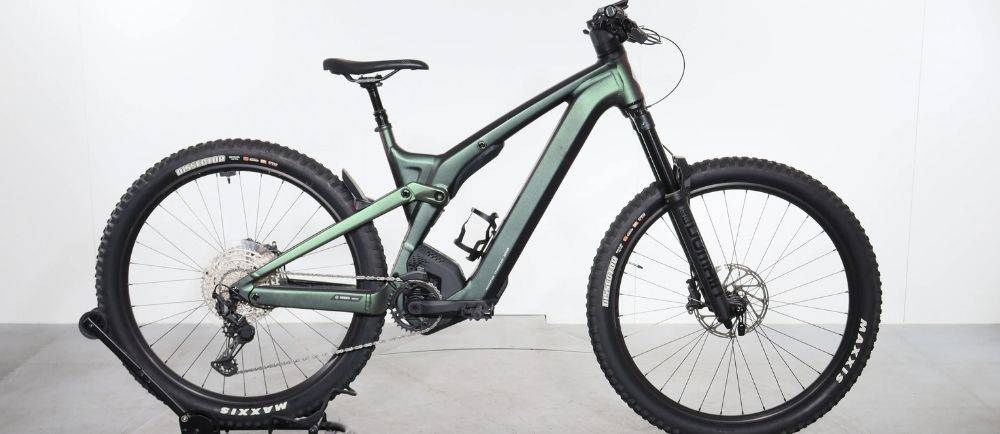
Popular E-Bike Models
Both brands offer e-Bikes across several categories.
Commuter and Urban Models
Trek
- Verve+ – A comfort-focused commuter e-Bike with an upright riding position.
- Allant+ – A high-performance commuter e-Bike with integrated accessories and higher-speed options.
- FX+ – A lightweight urban e-Bike for commuting and fitness riding.
- Dual Sport+ – A hybrid e-Bike for pavement, paths, and light gravel.
Scott
- Sub Active eRIDE – A comfortable city e-Bike with an upright riding position.
- Axis eRIDE – A trekking-style e-Bike suited to commuting and longer rides.
Road and Gravel Models
Trek
Domane+ – An electric road bike for endurance riding.
Checkpoint+ – A gravel e-Bike built for mixed terrain.
Scott
Addict eRIDE – A lightweight electric road bike for performance riding.
Solace eRIDE – A road and gravel e-Bike for endurance and versatility.
Cargo Bikes
Trek
- Fetch+ 2 – A longtail cargo bike for carrying passengers and gear.
- Fetch+ 4 – A front-loading cargo bike built for heavy loads and family use.
Scott
- Scott does not currently offer a dedicated cargo e-Bike.
Electric Mountain Bikes
Trek
- Rail – A full-power electric mountain bike for steep climbs and technical trails.
- Fuel EXe – A lightweight trail e-MTB with a quieter, lower-power motor.
- Powerfly – A range of hardtail and full-suspension electric mountain bikes for mixed terrain.
- Slash+ – A long-travel electric mountain bike for aggressive riding.
- Marlin+ – An entry-level hardtail electric mountain bike for newer riders and light trails.
- E-Caliber – A lightweight cross-country electric mountain bike built for speed and efficiency.
Scott
- Aspect eRIDE – A hardtail electric mountain bike for lighter trails.
- Strike eRIDE – A full suspension electric mountain bike for trail riding.
- Genius eRIDE – A high-performance full suspension e-MTB for technical terrain.
- Patron eRIDE – A premium electric mountain bike with integrated suspension design.
- Contessa eRIDE – A women-specific electric mountain bike range with the same performance focus as Scott’s main eMTB lineup.
- eRansom – A long-travel electric enduro bike built for aggressive descending and technical terrain.
Shop Trek and Scott E-Bikes at Upway
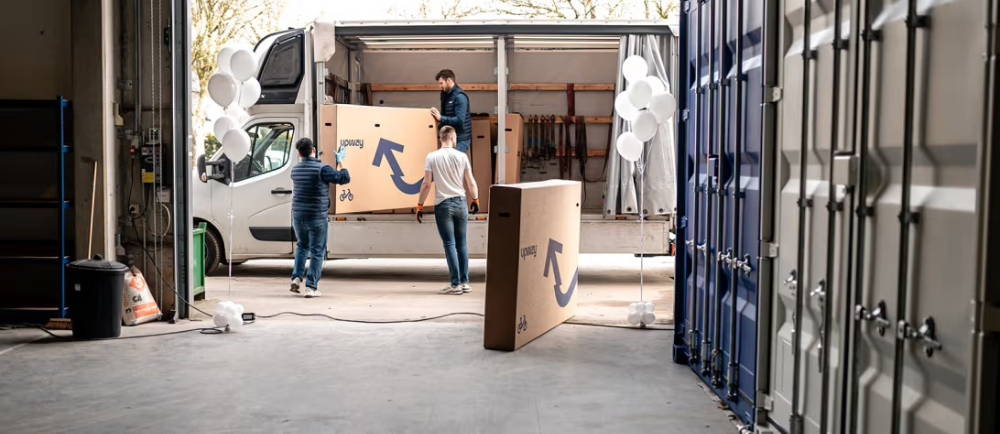
If you’re comparing Trek and Scott, price is definitely something to consider, especially for higher-end electric mountain bikes and commuter models. That’s where buying refurbished can make a real difference.
Upway often has a great selection of Trek and Scott e-Bikes that have been professionally checked and serviced before being listed. It’s a useful way to compare models from both brands that are a little older, but give you access to higher-spec bikes for less money than a brand-new one.
You can browse by category, motor type, battery size, or condition, making it easier to narrow down once you know what you’re looking for. It also gives you access to models that may no longer be available through traditional retail channels. You can also rely on fast and secure shipping directly to your address.
Frequently Asked Questions
Which brand is better for long-distance commuting?
Are Scott e-Bikes only for off-road riding?
No. While Scott is known for its mountain bikes, it also offers urban and trekking models, such as the Sub Active eRIDE and Axis eRIDE.
Do both brands offer lightweight e-MTBs?
Yes. Trek offers models like the Fuel EXe, while Scott focuses more on full-power systems but still emphasizes lightweight frame design.
Key Takeaways
- Trek and Scott both build high-quality e-Bikes across multiple categories.
- Trek has a broader lineup, including commuter, cargo, and high-performance models.
- Scott focuses more heavily on performance, particularly in electric mountain bikes.