Generally, sidewalk riding is restricted in busy commercial and pedestrian-heavy areas. Residential sidewalk riding may sometimes be permitted, but riders must still prioritize pedestrian safety and obey local signage.
San Diego E-Bike Laws and Regulations (2026)
Written by: Kazim Ladimeji | May 31, 2026 | Time to read 6 min
If you ride an electric bike in San Diego, it’s important to understand both California State e-Bike laws and San Diego’s local ordinances. From sidewalk riding restrictions to e-moto enforcement and beach path regulations, these rules directly affect where and how you can legally ride throughout the city.

More about the Author: Kazim Ladimeji
Kazim is a UK-based cyclist and writer who discovered his passion for riding during lockdown six years ago and hasn’t looked back since. He now rides around 100 miles a week, exploring road and light gravel routes from his base in the Cotswolds, a cycling paradise. When he’s not riding or writing about e-Bike trails in the US, he’s exploring cafés, cooking, and keeping busy as a soccer dad

San Diego has become one of California’s most popular cities for electric bike commuting and recreational riding, thanks to its year-round cycling weather, growing bike infrastructure, and extensive coastal and urban bike routes.
California follows a statewide three-class electric bike system, but San Diego also enforces additional local ordinances around sidewalks, public roads, bike lanes, pedestrian areas, and e-moto usage. This means riders need to understand both California State law and the extra local restrictions that apply specifically within San Diego City.
In this article, I summarize the key San Diego City and California e-Bike laws and regulations in a practical and easy-to-understand way, so you can stay compliant and ride safely.
👋 Welcome to Upway!
Upway is your top destination for buying and selling e-Bikes online. Discover your next e-Bike at up to 60% off retail prices, available in new or like-new condition.
What are the California State e-Bike laws that apply in San Diego?
California follows a statewide three-class e-Bike system, which also applies within San Diego. Under California law, a legal e-Bike must have fully operable pedals and a motor with a maximum power output of 750 watts.
The three California e-Bike classes are:
It is illegal to modify an electric bicycle to increase the maximum speed without updating its class label, which could result in the bike being reclassified as an e-moto and facing stricter regulations
E-Bike vs e-moto
Electric bikes capable of exceeding 28 mph with pedal assist, 20 mph with throttle assist, or producing more than 750 watts are not classified as legal e-Bikes under California law and are instead treated as e-motos or electric motorcycles requiring licensing, registration, and insurance. Following several serious accidents involving high-powered unregulated e-motos, California has significantly tightened enforcement around electric bike speed limits, motor power, and battery safety.
E-Bike vs traditional bicycles
In California, e-Bikes are generally permitted wherever traditional bicycles are allowed, including roads, bike lanes, and many urban cycling routes, unless local signage or ordinances state otherwise. Access to parks, trails, beaches, and shared-use paths often varies according to e-Bike class, with Class 1 bikes usually enjoying the widest access and Class 3 bikes facing the greatest restrictions. Electric bikes are not permitted on freeways or expressways.
Safety requirements
California also has statewide safety requirements covering brakes, lighting, helmets, age restrictions, and battery standards. Riders under 18 must wear a helmet, while all Class 3 riders must wear one regardless of age. Bikes ridden at night must have approved front and rear lighting and reflectors. From January 2026, all e-Bike batteries sold in California must also be certified by an approved testing laboratory, such as UL, and display permanent certification labelling.
What are San Diego's local ordinances around e-Bike usage?
San Diego follows California State laws on electric bicycles (summarized above) and has also developed additional local ordinances and laws that electric bikes must follow in the city.
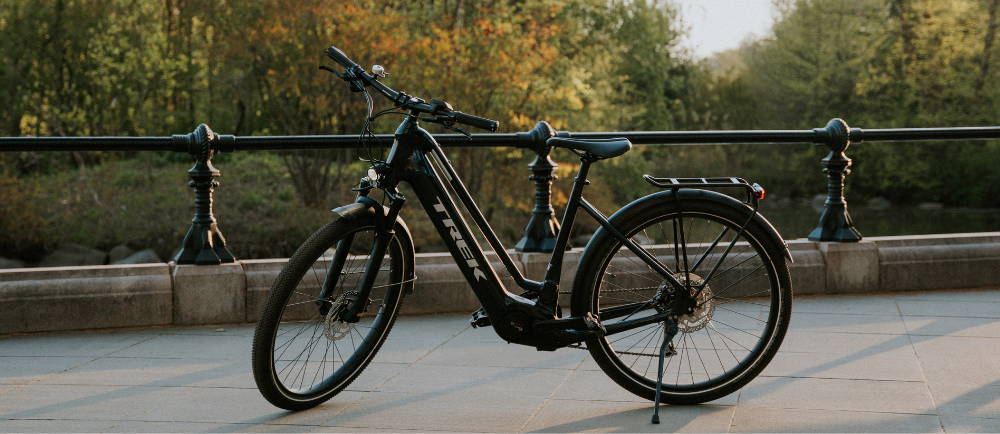
Where can you ride e-Bikes in San Diego?
- Electric bicycles are permitted on bike lanes, public roads, and most bike paths. Class 3 bikes may have extra restrictions on bike paths and trails, so check local signage before riding.
- Electric bicycles are not allowed on sidewalks near businesses or in pedestrian crosswalks, but may be allowed on sidewalks in some residential areas.
- Bicycles must ride in the same direction as traffic and use bike lanes when available.
What are the San Diego local ordinances on e-motos?
Of course, San Diego adheres to the California state guidance on e-motos, but it has developed some additional local guidance on the use of e-motos in the city of San Diego.
E-motos have become a controversial topic in California, often being confused, mis-marketed, and misrepresented as legal electric bicycles. High-powered, unregulated e-motos have been involved in an increasing number of accidents involving children, and San Diego has therefore developed the following guidance on e-motos.
- E-Motorcycles are fully electric motor-powered vehicles designed for higher speeds without the need for pedaling. (Basically throttle-assist bikes that can go faster than 20 mph)
- E-Motorcycles can only be ridden on approved Off-Highway Vehicle (OHV) recreation areas. The City of San Diego does not have any authorized OHV areas for e-motorcycles. For the avoidance of doubt, e-motos can only be ridden on public roads in San Diego, and are not allowed on greenways, park paths, beach paths, or beaches.
- License Required: E-motorcycles are not generally street legal. Operation on a roadway requires a valid motorcycle license, registration from the California DMV, and insurance.
Frequently Asked Questions
Can I ride my e-Bike on sidewalks in San Diego?
What is the difference between an e-Bike and an e-moto in San Diego?
A legal e-Bike must have operable pedals, remain under 750 watts, and stay within California’s speed restrictions. Higher-powered electric vehicles capable of exceeding those limits are treated as e-motos or electric motorcycles and require registration, licensing, and insurance.
Can I ride an e-moto off-road in San Diego?
Not within the city itself. San Diego does not currently have authorized OHV recreation areas for e-motos, so their legal use is heavily restricted.
Key Takeaways
- San Diego follows California’s statewide three-class e-Bike system.
- Class 1 e-Bikes generally enjoy the widest access to bike paths and shared-use routes in San Diego.
- Sidewalk riding is restricted in many pedestrian-heavy areas throughout the city.