The Safe SPEEDS Act is a bipartisan U.S. bill that would give the Consumer Product Safety Commission clearer authority to define and regulate eBikes and electric micromobility products nationwide.
Safe SPEEDS Act: What the New U.S. E-Bike Law Could Mean in 2026
Written by: Rémy Rossi | April 21, 2026 | Time to read 5 min
One new bill could finally end America’s confusing patchwork of e-Bike laws, and reshape how electric bikes are sold, labeled, and ridden nationwide.

More about the Author: Rémy Rossi
Rémy Rossi is a bike writer, mechanic, and educator who got his start in community-based bike shops and co-ops. With a decade in the industry, he still wrenches on bikes when he can and plays bike polo on a fixie.
A bipartisan group in Congress is looking to sew together the patchwork of e-Bike laws across the fifty states, proposing the Safe SPEEDS Act— clearer federal guidelines on e-mobility products like electric bikes and e-motos. Outdated federal rules and the current jumble of state laws are struggling to keep up with the growing popularity of pedal-assist rides, and a diverse handful of members of Congress and a large coalition of supporters are hoping this bill makes its way into federal law. Here’s a closer look at the latest proposed e-Bike legislation in the US and why it makes so much sense.
👋 Do you know Upway?
Upway is the leading online destination for buying and selling e-Bikes. Discover your next e-Bike at up to 60% off retail, available in new or like-new condition (used electric bike).
What is the Safe SPEEDS Act?
The Safe SPEEDS Act (H.R. 7839) was introduced to the House of Representatives in the spring of 2026 by Representatives Dave Min (D-CA), Jared Huffman (D-CA), Mike Lawler (R-NY), and Brian Fitzpatrick (R-PA). The SPEEDS acronym stands for “Setting Product Engineering Expectations for Device Safety”.
The bill, essentially, empowers the Consumer Product Safety Commission (CPSC) to define and regulate e-Bikes and other electric micromobility products at the national level— at the moment, this is largely left to each state’s discretion. The law also directs the CPSC to gather and analyze data about incidents involving e-Bikes and e-motos to better understand and track e-mobility safety in the US.
Importantly, the Safe SPEEDS Act would more clearly define the categories of different types of products— such as legal electric bikes and illegal so-called “e-motos”— and lay out specific rules. These rules include product labeling requirements, minimum age recommendations, and banning illegal modifications to speed or power limits.
Many well-known organizations already support the bill, including: PeopleForBikes, League of American Bicyclists, the National Bicycle Dealers Association, Safe Routes Partnership, Consumer Reports, Advocates for Highway and Auto Safety, the International Association of Chiefs of Police, and the Rails-to-Trails Conservancy.
The bill, essentially, empowers the Consumer Product Safety Commission (CPSC) to define and regulate e-Bikes and other electric micromobility products at the national level— at the moment, this is largely left to each state’s discretion. The law also directs the CPSC to gather and analyze data about incidents involving e-Bikes and e-motos to better understand and track e-mobility safety in the US.
Importantly, the Safe SPEEDS Act would more clearly define the categories of different types of products— such as legal electric bikes and illegal so-called “e-motos”— and lay out specific rules. These rules include product labeling requirements, minimum age recommendations, and banning illegal modifications to speed or power limits.
Many well-known organizations already support the bill, including: PeopleForBikes, League of American Bicyclists, the National Bicycle Dealers Association, Safe Routes Partnership, Consumer Reports, Advocates for Highway and Auto Safety, the International Association of Chiefs of Police, and the Rails-to-Trails Conservancy.
Why is the Safe SPEEDS Act a good idea?
In the eyes of many, updated federal guidelines about e-Bikes and other e-mobility products, such as the Safe SPEEDS Act, is long-overdue. There are several reasons why it makes sense to unify, or at least clarify, the understanding of e-Bikes across the US:
- State-by-state rules get messy: E-Bike laws are currently left up to the states which can confuse riders, offer easy workarounds, and weaken enforcement.
- E-motos are a consistent problem: Lack of rules and definitons around these faster and heavier electric dirt bikes mean they are easy to buy and difficult to regulate. They are significantly more dangerous than legal electric bicycles.
- Comprehensive rulebook: All states have adopted the three-class e-Bike system, and the federal government should, too.
- Regulatory gaps can be taken advantage of: Ill-defined regulations mean it’s easier for companies to sell non-compliant products and bend the rules at the expense of rider safety.
- Improve crash incident reporting and data collection: The Safe SPEEDS Act will direct the CPSC to start tracking safety data.
The Safe SPEEDS Act makes a clearer distinction between true electric bikes and much more powerful e-motos and cracks down on companies that may try to blur those lines. Increased federal regulation of electric bikes has long been part of PeopleForBikes’ policy playbook to deal with the e-moto problem, though appropriate and aligned rules at the state and local levels— as well as practical enforcement— are still crucial.
🤝 Why you can trust us for buying an e-Bike?
- Fair Prices: Find your next e-Bike at up to 60% off retail, in new or like-new condition.
- Quality You Can Trust: Each e-Bike is meticulously certified by our expert mechanics and backed by a 1-year warranty.
- Convenient Delivery: Enjoy doorstep delivery within a week. Not completely satisfied? Take advantage of our 14-day return policy.
How regulatory gaps are currently being exposed
Electric bikes have been skyrocketing in popularity over the past several years and while most of the market sells safe and compliant e-Bikes, not everything out there strictly follows the letter of the law.
“Some manufacturers play fast and loose and make their e-Bikes much more powerful than advertised, putting the safety of riders—and especially children—at risk. By requiring uniform labels for power and speed, reasonable age recommendations, and a prohibition on the sale of e-Bikes that can be easily modified for higher speeds, this bill [Safe SPEEDS Act] would help address serious safety hazards and crack down on products that don’t deliver what they promise.”
—Cooper Lohr, senior policy analyst for transportation and safety at Consumer Reports
Here are a few of the way that less-reputable brands play fast and loose with the current patchwork of regulations:
- False advertising of e-motos as street-legal, when they do not, in fact, satisfy the federal or state definitions of an electric bicycle.
- “Crossover” electric two-wheelers that have pedals and lower manufacturer settings designed to make them appear to be a legal e-Bike at first, but can be easily overridden
- Easy modifications to increase the speed or power to above legal limits
- Electric bikes that mix classifications. For example, models that are both Class 2 (throttle and pedal-assist, max 20 mph) and Class 3 (pedal-assist up to 28 mph). Ostensibly, these must fall into just one class, not multiple.
- E-mobility products that do no meet electrical and battery safety standards. UL-Certification, for example, ensures electrical system safety.
Simply put, the Safe SPEEDS Act is smart policy
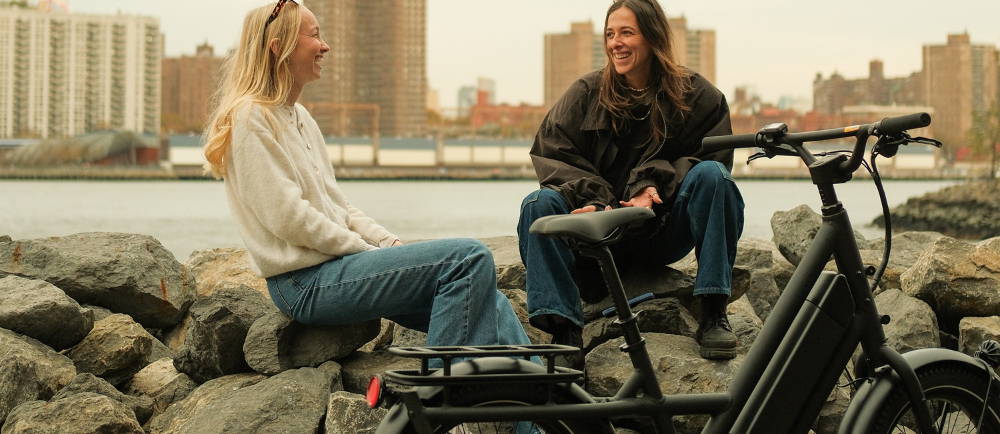
The best-known bicycle advocacy groups, like PeopleForBikes and the League of American Bicyclists, stand behind the Safe SPEEDS Act, and for good reason. The proposal aims to improve safety and oversight while also recognizing the growing role of e-Bikes as an affordable and accessible transportation option. It’s a much-needed update at the federal level that addresses some of the most pressing issues happening right now. If passed, the Safe SPEEDS Act could mark a major shift in how e-Bikes are regulated in the US, moving from a patchwork of state and local rules toward a more unified national standard.
💸 Want to sell your electric bike?
- In case you didn't know yet, you can sell your e-Bike to Upway and get your cash in 3 simple steps.
- Want an estimation -> It takes only 3 steps to complete this form.
Frequently Asked Questions
What is the Safe SPEEDS Act?
Why does the Safe SPEEDS Act matter for e-Bike riders?
It could create consistent national standards for labeling, safety, speed classes, and product definitions—making it easier for riders to understand what’s legal and safe.
How could the Safe SPEEDS Act impact e-Bike brands?
Brands selling compliant products may benefit from clearer rules, while companies marketing illegal or easily modified e-motos as e-Bikes could face stricter oversight.
Key Takeaways
- The Safe SPEEDS Act aims to standardize e-Bike rules across the U.S. instead of relying on state-by-state laws.
- It would help separate legal e-Bikes from higher-powered illegal e-motos.
- Clearer safety, labeling, and enforcement rules could protect riders and strengthen the industry.