How To Choose an E-Bike for Trails: Upway Guide

Written by: Kazim Ladimeji | May 4, 2026 Time to read 6 min

Choosing the right electric bike for trail riding isn’t about guesswork; it’s about matching your bike to your terrain, typical distance, and budget.

More about the Author: Kazim Ladimeji

Kazim is a UK-based cyclist and writer who discovered his passion for riding during lockdown six years ago and hasn’t looked back since. He now rides around 100 miles a week, exploring road and light gravel routes from his base in the Cotswolds, a cycling paradise. When he’s not riding or writing about e-Bike trails in the US, he’s exploring cafés, cooking, and keeping busy as a soccer dad

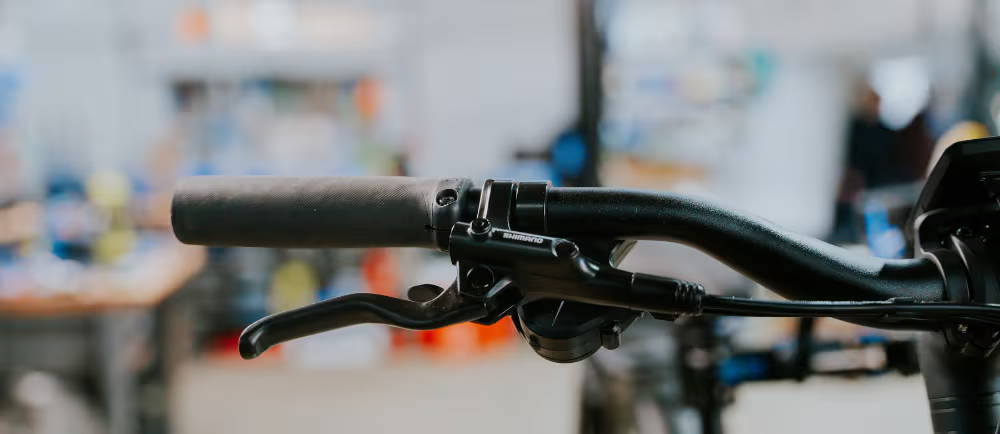
picture of e-bike handlebar in foreground against blurred city traffic bakcground

Choosing the right electric bike for trail riding can be overwhelming, especially with the numerous options available. A simple way to narrow things down is to look at how and where you ride, your terrain, your riding frequency, and even what your trail buddies are using. In this article, we’ll consider some of the points to consider when choosing an e-Bike for trails.


👋  Welcome to Upway!

Upway is your top destination for buying and selling e-Bikes online. Discover your next e-Bike at up to 60% off retail prices, available in new or like-new condition.


Should I buy the same electric bike as my trail buddies?


The argument here is: why reinvent the wheel? If your trail buddies have done their homework (and are having a better riding experience), why not just look over their shoulder and “copy” their answers? It’s not school, you won’t get suspended.


This approach has worked for me, especially on single track, light trails, and mountain trails with steep inclines, where there is a lot of variability in conditions and terrain. By roughly matching my more experienced riding partners’ choice in bike weight, hydraulic brakes, gearing range, front suspension, and tire choice, I was able to acquire a bike that met both my needs and allowed me to keep up with the group on rides.


How much should I spend on my electric bike?


Setting a budget is crucial, as it determines what electric bikes are available to you. The simplest way to set a budget is to base it on predicted usage and mileage.


For example, if you average 25,000 ride hours a year, or regularly cover long distances, you will benefit from more premium features like a mid-drive motor system (providing a more fluid pedal assist system), a range extender (alleviating range anxiety), and suspension forks (providing more shock absorption), etc.


You may also be making cost savings from reduced car and public transport usage, which may justify stretching your budget for better performance and reliability.


Purchasing a professionally refurbished electric bike can be an excellent way to stretch your budget further while acquiring premium features.


What kind of trails do you normally ride?


Another way to choose an e-bike for trails is to consider the kind of trails that you normally ride, e.g. city trails, greenways, gravel, rocky singletrack, and choose a bike to suit that.


What kind of e-Bike should I choose for city trails?


City trail riding is becoming very popular, both as a recreational activity and for getting to work. A typical Class 1 or Class 2 commuter e-Bike, such as a city bike or hybrid, will be fine for city streets and paved trail environments.


If you have specific needs, such as wanting to use public transport, an electric folding bike is a good option. If you transport kids or run errands, then a cargo bike could be a worthwhile upgrade from a child seat and cargo rack.


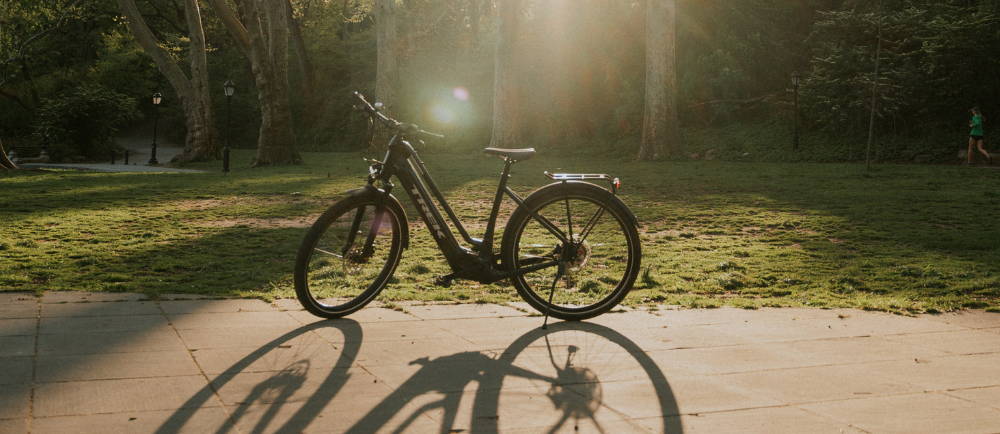
Photo by Matthew Hamilton on Unsplash of Arizona


What kind of electric bike should I choose for mostly riding greenways?


Typical greenway riding involves mostly paved and mainly traffic-free trails by rivers, through parks, or rails-to-trails projects with gentle gradients. You may experience light gravel or dirt paths in sections, and the trail will be shared with pedestrians and runners.


Class 1 e-bikes with hybrid tires, a long-range battery, and a more economical hub-drive motor will be fine for this. A Class 2 electric cargo e-bike with fat tires and a throttle might be needed if transporting cargo or kids.


What kind of electric bikes should I use for gravel trails and light off-road?


If you enjoy riding light singletrack and gravel forest service roads, you’ll be covering longer distances and inclines up to 10%.


Class 1 or Class 2 gravel bikes or fat tire e-Bikes with long-range batteries and mid-drive motors (with more fluid pedal assist, which is better for hills) are the best option.


If your trails are rocky and longer distances, then a basic suspension system (e.g., handlebar stem or front suspension fork), ergonomic frame geometry, and a long-range battery or range extender would be recommended.


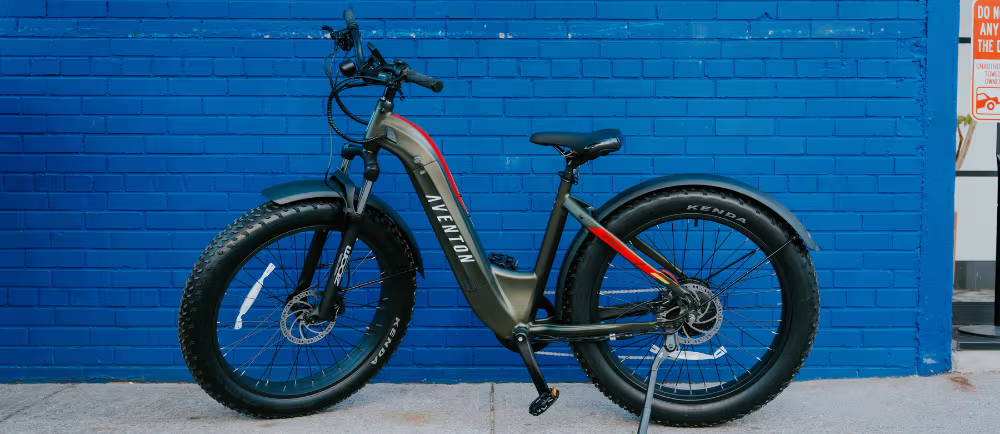
Aventon Fat tire bike


What kind of electric mountain bikes should I use for mountain trails?


If you are riding mountain trails and rocky singletrack, then you’ll be experiencing roots, rocks, steep inclines, tight turns, and jumps. It’s technical riding, and you’ll need a mountain bike to suit.


If you are a gravel crossover rider just wanting to stick to green mountain bike trails (a bit like me), then an e-mountain bike or even a chunky gravel bike with a front suspension fork will suffice.


Advanced riders regularly tackling intermediate or black diamond trails (very technical) are generally riding full suspension bikes with dropper posts, hydraulic brakes, and mid-drive motors as non-negotiable features.


Ways to reduce costs (without compromising quality and safety) include buying professionally refurbished bikes, choosing aluminum frames over carbon, and buying from newer brands offering competitive deals.

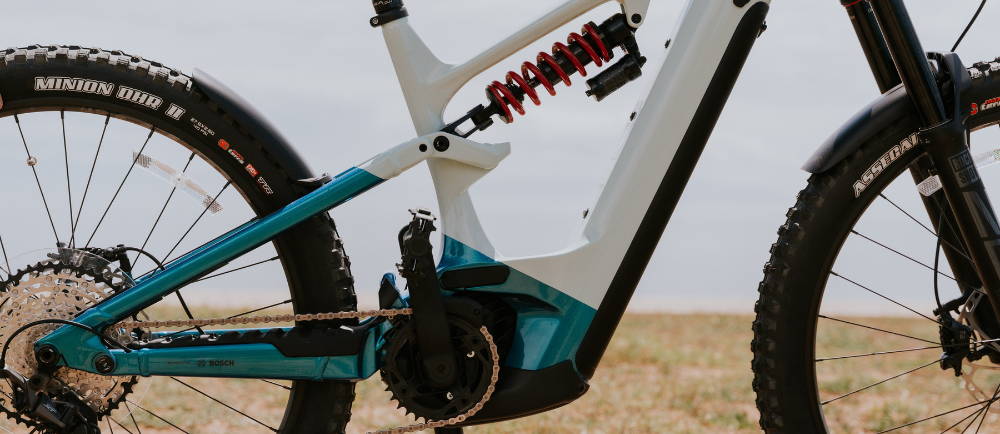
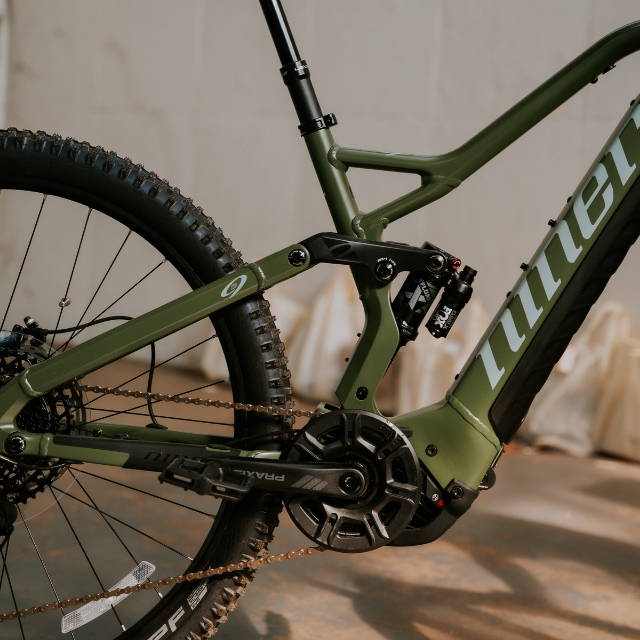
Mountain bike with full suspension and dropper post

What kind of electric bike should I use for long-distance, road-based bike trails?


Long-distance road bike trails like the 1,850-mile Pacific Coast Highway route take place on roads shared with vehicles.


I don’t tend to recommend Class 3 e-Bikes in most circumstances, as I think the 28 mph speed limits and throttle can be hazardous on bike paths. However, it is these exact features that work well on road-based long-distance trails.


So, a Class 3 bike with a range extender and long-range battery is my recommendation for long-distance road-based bike trails.


Frequently Asked Questions

How do I buy a used electric bike safely?

When buying a used electric bike, check the battery health first, as replacement batteries can be expensive. Ask for service history, check mileage if available, and inspect key components like brakes, drivetrain, and motor function.


Always buy from a reputable seller or certified refurbished provider where possible, and test ride the bike to ensure everything works smoothly.

Should I choose the same bike as the people I normally ride with?

Not exactly the same, as the bike will be geared towards their size and riding style. But, in many cases, riding a similar type of bike (in terms of power, suspension, and capability) helps you keep up with your group and handle the same terrain more comfortably.

What type of e-Bike is best for mixed trail riding?

For mixed terrain (greenways, gravel, light off-road), a hybrid or gravel-style e-bike with a long-range battery and mid-drive motor is usually the most versatile option.

Key Takeaways


  1. Match your e-Bike to your terrain (city, greenway, gravel, or mountain trails).
  2. Mid-drive motors and suspension matter more on hills and technical trails.
  3. Refurbished bikes are a smart way to access premium features at a lower cost.


There is more to Explore

Visit below articles for more info about electric bikes 

Electric city cargo  bike and fat tire city bike

Top 10 Electric City Bikes

Niner eRip electric mountain bike

Do You Need a License to Ride an Electric Bike ?

Electric city bike on stand with river backdrop

Financing Options - How to buy an e-bike without breaking the bank