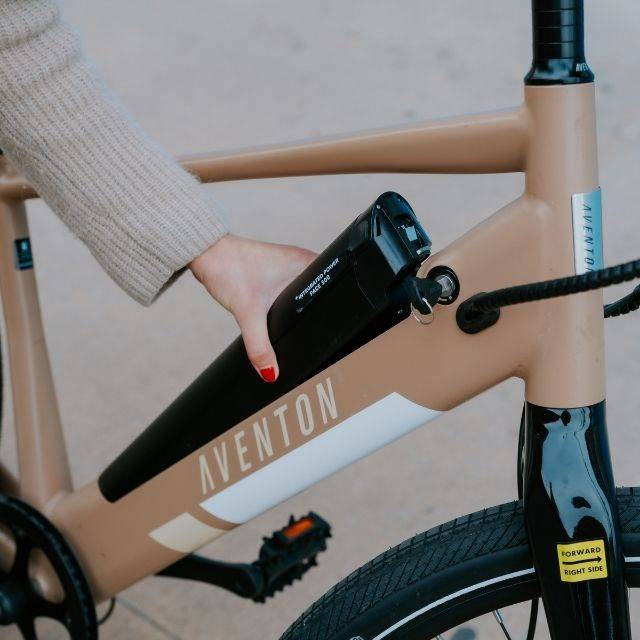
The BMS estimates charge from voltage readings, which shift under load and in cold temperatures, causing the display to fluctuate even when the battery is fine.
How To Fix E-Bike Battery Percentage That Jumps Around
Written by: Tom Fortune | June 18, 2026 | Time to read 5 min
A jumping battery percentage usually has a simple explanation. Here’s how to work out what’s causing it and when to take it seriously.

More about the Author: Tom Fortune
Tom is a Brit living in the French Alps. When he's not creating written and video content for various brands, he's either pedalling or snowboarding around his local mountains. E-Bikes have unlocked the potential for Tom to explore Alpine terrain and get away from the crowded bike parks. He is only too keen to share his knowledge and experience with other riders.
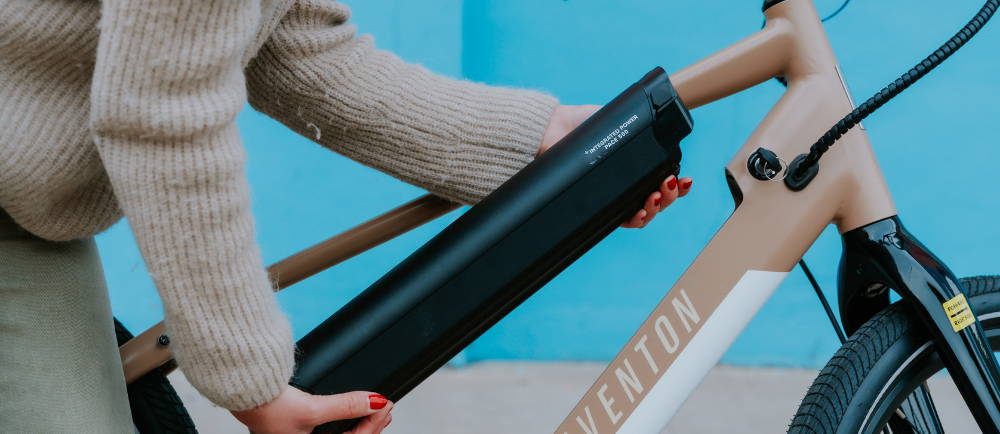
Watching your battery's charge level drop by 20% on a climb and then recover on the descent can be confusing and worrying, but it doesn’t mean something is broken. Things like voltage sags, cold weather, and BMS calibration issues are the main causes of the jumpy readings I’ve come across. When this happens, don’t panic just yet, as there may be an easy solution. In this blog, I’ll go through everything you need to know.
Why Battery Percentage Is Never Perfectly Accurate
Your Battery Management System doesn’t directly measure how much charge is left in the battery. It reads the battery voltage and uses it to estimate the state of charge. Voltage isn’t a stable number, as it changes depending on temperature, how hard the motor is working, and the load on the battery at any given moment.
Lithium-ion batteries also have a flat voltage profile through most of their discharge range, meaning the voltage barely shifts between 80% and 30% full, then drops off sharply toward empty. A small error in that voltage reading can produce a big jump in the displayed battery percentage, and the BMS has no way to correct for it on the fly.
👋 Welcome to Upway!
Upway is your top destination for buying and selling e-Bikes online. Discover your next e-Bike at up to 60% off retail prices, available in new or like-new condition.
What Causes the Percentage to Jump?
Voltage Sag Under Load
Voltage sag is the most common cause of jumpy readings, and it’s what’s happening when the percentage drops on a climb and then recovers when you ease off. Under load (riding up a steep hill, riding into a headwind, or running a high assist level), the battery voltage drops. The BMS reads that drop as a lower state of charge, and the percentage falls. When the load eases, voltage rebounds, and the number goes back up.
The amount of sag you get depends on the battery’s age and internal resistance. A newer, healthy pack in warm conditions will show very little. An older battery, or one that’s cold, will sag more. If yours is dropping 15-20% on a short climb and recovering afterward, that’s voltage sag doing its thing, not a failing battery.
Cold Weather
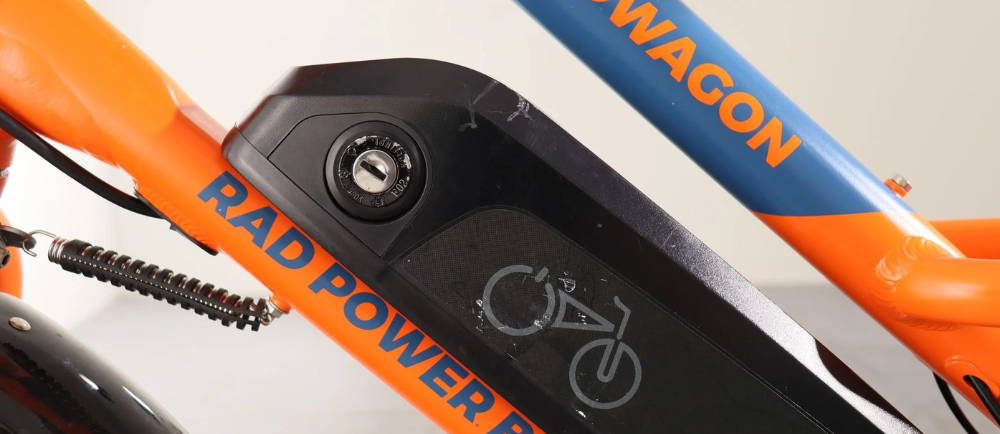
Temperature has a bigger effect on battery readings than most people realize. A battery that shows 70% in a warm garage can drop to 50% after twenty minutes in freezing conditions, even though no charge has actually been used. Often, when you bring it back inside, the reading recovers. This catches a lot of riders out in winter, because it looks exactly like a worrying rapid discharge.
It’s all about battery chemistry. Cold slows the reactions inside the cells, which temporarily lowers the voltage the battery can deliver. Keeping the battery indoors the night before a cold ride and not leaving it in the car overnight makes a real difference to both the accuracy of the charge level reading and battery life. You can also use a neoprene battery cover with foam insulation to protect it from the cold.
Cell Imbalance
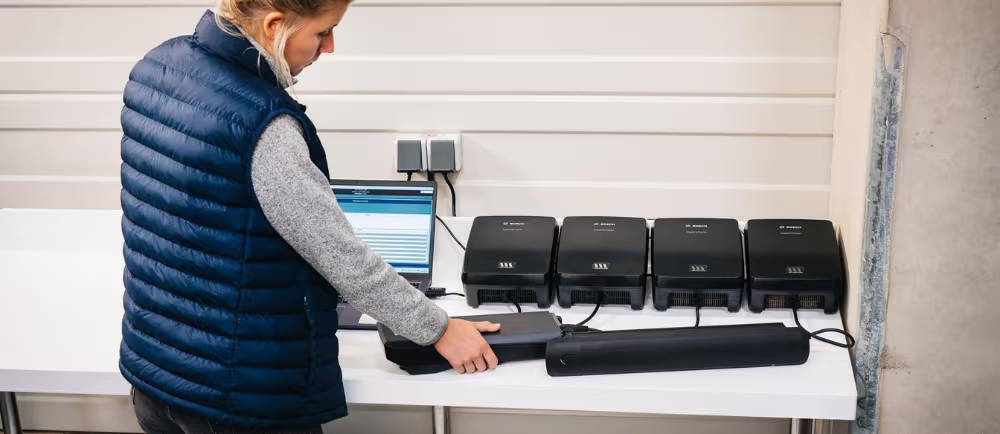
Your battery pack consists of dozens of individual cells. Over time, those cells age at different rates, and some hold charge better than others. When one group drops lower than the rest, the BMS has to protect those weaker cells, which can cause the overall percentage to fall suddenly and sometimes well before you’d expect it to.
A pack with a significant cell imbalance might show 40% and then cut out, or display erratic readings during a ride. It tends to get worse as the battery gets older, and it’s not something you can fix at home. If you’re seeing this pattern on an older battery, it’s usually a sign of the cells degrading.
BMS Calibration Drift
The BMS uses full charge and near-empty as reference points to calibrate its state-of-charge estimate. If you regularly charge to 80% and rarely let the battery run down, it loses those reference points, and the estimates drift. Readings start to feel consistently off, the percentage might stick at 100% for a long time, then drop suddenly, or show empty sooner than expected.
| What you see | Likely cause | First move |
|---|---|---|
| Percentage drops on climbs, recovers after | Voltage sag and rebound | Normal, no action needed |
| Reading drops in cold weather | Temperature reducing battery voltage | Warm battery before riding, charge indoors |
| Stuck at 100% then drops suddenly | BMS calibration drift | Run a full charge cycle to recalibrate |
| Bike cuts out well before zero | Cell imbalance or pack degradation | Get battery health assessed |
| Erratic readings at rest | BMS fault or failing pack | Take to a shop for diagnostics |
Does a Full Charge Help?
Sometimes, yes. Fully charging the battery gives the BMS a clean reference point at the top of the range. Letting it run down close to empty every few months does the same at the bottom. You don’t need to do this often, as partial charges are better for long-term battery life, but an occasional full discharge-recharge cycle can noticeably improve the accuracy of the readings if they’ve been drifting.
Riding in Eco mode also tends to produce steadier readings. Lower, more consistent current draw means less voltage sag and less noise in the BMS estimate. It won’t fix a calibration problem, but it helps on rides where the percentage has been jumping around at higher assist levels.
For more on protecting your pack through the seasons, the Upway guide to e-Bike battery temperature covers cold weather storage and charging habits in detail.
When To Worry
Most jumpy readings are due to display and estimation issues, not a battery fault. There are some signs, though, that point to something more serious.
Get the battery condition checked if:
- The bike cuts out well before the display reaches zero
- The range has dropped significantly compared to when the battery was new
- The percentage jumps around even when the bike is sitting still
- The battery won’t reach 100% on a full charge, or drops immediately after hitting it
- The pack is three or more years old, and the behavior has changed recently
Battery capacity degrades over time, and a battery that’s lost a significant chunk of its capacity will produce erratic readings because the BMS is working with a narrower, less predictable voltage window. Range reduction and jumpy readings together are a stronger signal than either one alone. The Upway guide on when to replace your e-Bike battery is worth reading if you’re not sure where your battery stands.
Buying a Pre-Owned E-Bike? Here's What to Know
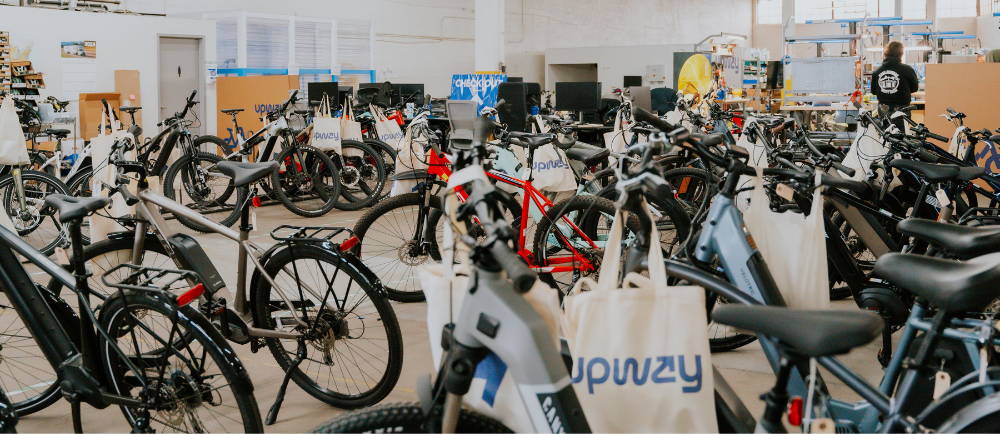
Battery health is one of the hardest things to assess when buying a used e-Bike privately. A battery can show a full charge on the display and still have a significant cell imbalance or degraded capacity underneath. You won’t find that out on a ten-minute test ride.
Every e-Bike on Upway goes through a 50-point inspection before it goes on sale, including battery health and electrical system checks. Any battery below 80% capacity gets replaced before the listing goes live, so the readings you see on an Upway bike reflect a pack that’s been properly assessed.
Browse electric mountain bikes, electric city bikes, or the full range of certified pre-owned e-Bikes to find something you can trust from the first ride.
Frequently Asked Questions
Why does my e-Bike battery percentage jump around?
Is it normal for the battery percentage to recover after a climb?
Yes. Voltage sag under load lowers the reading, and when the load eases, the voltage rebounds, and the percentage returns to normal.
Can cold weather cause my battery percentage to drop?
Yes. Cold temporarily lowers battery voltage, which the BMS reads as a lower charge level, even though no charge has been used.
How do I recalibrate my e-Bike battery percentage?
Occasionally, run a full charge to 100% and let the battery run down to near empty every few months to give the BMS fresh reference points.
When should I worry about a jumping battery percentage
If the bike cuts out early, range has decreased noticeably, or readings jump even at rest, get the battery condition checked by a shop.
Key Takeaways
- A jumpy battery percentage is most often caused by voltage sag under load or at cold temperatures, which affects the BMS estimate; it's not a fault with the pack.
- An occasional full discharge-recharge cycle helps the BMS recalibrate, but regular partial charges are better for long-term battery life.
- If erratic readings come with range reduction or unexpected cut-outs, have the battery health assessed, as it may be time for a replacement.